

Best Forex Trading Platforms in Kenya
Discover how to choose the best forex trading platform in Kenya 🇰🇪. Learn about key features, local regulations, payment methods, and top options tailored for Kenyan traders.
Edited By
Henry Collins
Forex trading is gaining traction among Kenyan investors looking to diversify their portfolios and tap into global markets. Choosing the right forex trading platform can make all the difference between a smooth trading experience and needless frustrations. Given the variety of platforms available today, this article sheds light on the top forex trading platforms that suit Kenyan traders, focusing on factors like regulatory compliance, usability, costs, and mobile compatibility.
Kenyan traders must consider platforms that comply with regulations, especially those recognised by the Capital Markets Authority (CMA) Kenya or reputable international bodies. Platforms without proper licences can expose you to unnecessary risks, including loss of funds and lack of recourse in disputes.

Cost structures vary widely—some platforms charge fixed spreads while others rely on variable spreads or commission-based fees. For example, platforms like XM and Exness are popular locally largely because they offer low spreads and accept M-Pesa payments, making fund transfers hassle-free. Keep in mind that trading fees, withdrawal charges, and minimum deposit amounts directly impact overall profitability.
Usability is another major concern, especially for beginners. Platforms with intuitive interfaces and educational materials, such as MetaTrader 4 (MT4) or MetaTrader 5 (MT5), provide a solid foundation for new traders. These platforms support advanced charting and automated trading but remain accessible enough for novices. Plus, mobile apps available for Android and iOS mean you can manage trades on the go, which is key given most Kenyan users rely heavily on mobiles for internet access.
Selecting a platform without verifying its support for Kenyan payment methods like M-Pesa, or ignoring regulatory approval, often leads to delays and complications.
Here is what Kenyan traders should look for when choosing a forex platform:
Regulation and Security: CMA approval or global recognition (FCA, CySEC) ensure your funds are protected.
Payment Options: Support for local transfer methods including M-Pesa or local bank accounts.
Trading Costs: Transparent spreads and fees, no hidden charges.
User Experience: Easy-to-navigate interface and responsive customer support.
Platform Features: Access to essential tools like charts, indicators, and automated trading bots.
Mobile Compatibility: Functional apps to trade anywhere, anytime.
Understanding these factors will guide you in picking a platform that aligns well with your trading style and goals. Next sections will explore specific platforms recommended for Kenyan traders, comparing their strengths and shortcomings for an informed choice.
Choosing the right forex trading platform shapes your entire trading experience. For Kenyan traders, this means looking beyond flashy adverts and focusing on features that truly support confident, efficient trading. Key features include ease of use, access to diverse markets, and strong security measures. These factors help you manage risks, spot opportunities quicker, and trade with peace of mind.
A user-friendly interface saves you from fumbling during critical trading moments. Kenyan traders often juggle busy schedules and tight internet connections, so platforms that load fast and show clear charts matter a lot. Good platforms let you customise dashboards, colours, and indicators to suit your style. For example, MetaTrader allows you to arrange chart windows, set alerts, and add your preferred technical tools. Customisation not only helps you trade better but reduces screen clutter, especially on smaller laptop screens or mobile devices.
Forex isn't just about trading the US dollar or euro; having access to a wide range of currency pairs and related instruments broadens your chances to profit. Popular pairs like USD/KES, EUR/USD, and GBP/USD should be available, plus some exotic pairs or cross pairs if you prefer variety. Beyond forex, some platforms also offer commodities, indices, and cryptocurrencies—all handy if you want to diversify. For instance, having access to gold or oil futures alongside USD/KES provides extra ways to respond to global events affecting your portfolio.
Trading on a secure platform is non-negotiable. Kenyan traders should choose platforms regulated by reputable bodies like the Capital Markets Authority (CMA) or international agencies such as the Financial Conduct Authority (FCA). These regulators enforce strict standards on client fund protection and data privacy. Pay attention to platforms offering two-factor authentication, SSL encryption, and secure payment gateways. Avoid platforms with unclear licences, as scams and frauds still linger. A trustworthy platform safeguards your money and personal data, so you can focus on the market without second-guessing.
Security and usability combined with wide market access form the backbone of a reliable forex trading platform for Kenyan traders. Considering these features carefully will help you avoid common pitfalls and build a solid trading foundation.
By weighing these features, you position yourself better for both the ups and downs of forex trading. Practical tools, diverse instruments, and tight security make all the difference when real money is at stake.
Understanding the popular forex trading platforms in Kenya is key for any trader aiming to make informed choices. These platforms are not just interfaces for trading; they influence your ability to analyse markets, manage risk, and execute trades effectively. Kenyan traders face specific challenges like local regulations, payment methods such as M-Pesa, and connectivity issues, so the platform's compatibility with these factors matters a lot.
Moreover, each platform offers distinct tools and features that suit different trading styles and experience levels. For example, a platform with advanced charting may benefit a seasoned analyst, while a beginner might prefer one with simpler navigation and social trading features. This section goes through the common platforms Kenyan traders use, highlighting why they remain relevant.
MetaTrader 4 (MT4) and MetaTrader 5 (MT5) are by far the most widely used platforms among Kenyan traders. MT4 focuses on forex spot trading while MT5 supports more asset classes like stocks and futures, offering more versatility. Both platforms come loaded with technical indicators, charting tools, and automated trading capabilities via Expert Advisors (EAs). For instance, a trader can script an EA to automatically open and close trades based on predefined rules — a boon for those who want to remove emotional bias.
The platforms support multiple timeframes and order types which helps Kenyan traders to tailor strategies around market hours and volatility. The availability of backtesting for strategies also helps users refine their skills without risking real funds.
MT4 and MT5 enjoy broad support from most brokers operating in Kenya, including big names like FXPesa and HotForex. This compatibility ensures traders get smooth execution, various account types, and accessible local deposit options like M-Pesa payments or bank transfers. When your broker fully supports these platforms, it’s easier to manage accounts, access customer service, and benefit from platform updates.
Fees when using MT4 or MT5 mainly depend on the broker rather than the platform itself. Most brokers offer commission-free accounts with slightly wider spreads; others have a tight spread and charge commission per trade. Knowing this helps traders compare the total cost of trading. Local deposit and withdrawal fees, especially using M-Pesa or direct bank transfers, also factor into overall trade cost. Kenyan traders should watch out for hidden charges that can eat into profits.
cTrader is popular among Kenyan traders who prefer a sleek, modern interface. It offers clear charts and an intuitive layout that some find easier to navigate than MT4/MT5. The platform supports advanced order types like limit orders, stop orders, and bracket orders which help manage risk better by automatically closing trades at set levels.
Its layout allows quick switching between chart views and order books, making it attractive for scalpers and day traders who need speed and precision.
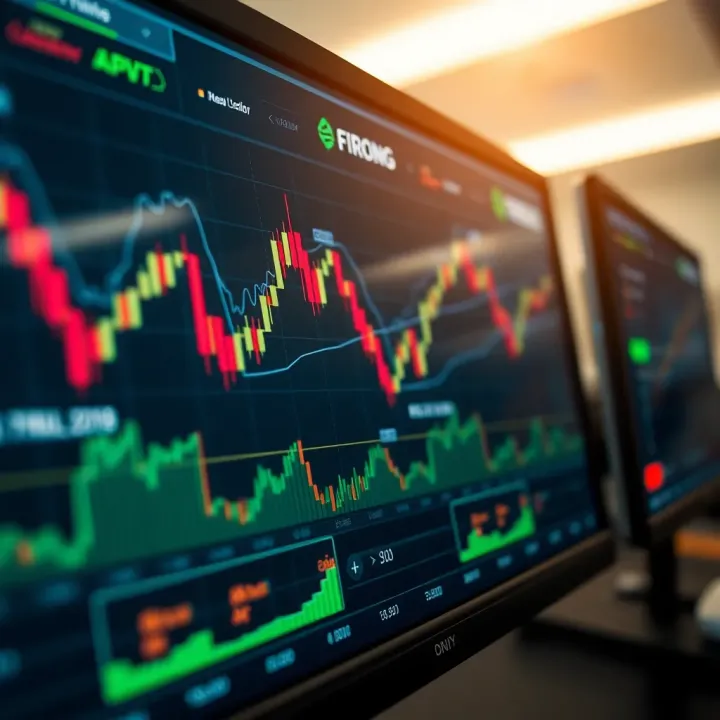
cTrader is often paired with brokers that offer direct market access (DMA), leading to tighter spreads — critical for high-volume and high-frequency traders. Kenyan traders involved in scalping or short-term trades can benefit from lower spreads meaning trading costs stay low even when trade volume is high.
cTrader supports custom indicators and algorithmic trading through cAlgo, a programming environment for automated trading. Traders with some coding knowledge in C# can customise tools to their specific needs. This flexibility attracts more tech-savvy traders looking beyond standard chart tools.
ZuluTrade and similar copy trading platforms allow Kenyan traders, especially beginners, to follow and copy the trades of experienced professionals automatically. This reduces the steep learning curve by letting a trader benefit from the expertise of others while observing their trade behaviour.
These platforms typically include built-in risk controls allowing users to set stop-loss limits and choose the proportion of capital allocated to each trader followed. This protects against major losses and helps maintain a balanced portfolio.
Copy trading through ZuluTrade suits Kenyan beginners who lack time or market knowledge. Instead of learning complex analysis immediately, they can start with smaller investments and grow their understanding of the forex market over time. Still, it’s wise to combine this with self-learning to avoid over-reliance on others.
Choosing the right forex trading platform in Kenya hinges on understanding their features, costs, and how they mesh with your trading style and goals. Each of these platforms offers unique advantages that traders can capitalise on if selected thoughtfully.
Mobile trading has become a must-have for Kenyan forex traders looking to stay connected to the markets anytime, anywhere. With many traders juggling busy schedules, mobile platforms offer the flexibility to monitor positions, execute trades, and respond quickly to market changes without needing a desktop. As mobile data coverage improves across Kenya, especially in urban centres like Nairobi and Mombasa, the ability to trade on the go can directly impact trading success.
Most leading forex platforms provide apps compatible with both Android and iOS, covering the vast majority of Kenyan smartphone users. Android holds a larger market share locally due to affordable devices like Tecno, Infinix, and Samsung models. Hence, platforms such as MetaTrader and cTrader optimise their mobile apps to run smoothly on lower-spec Android phones without draining battery life or requiring excessive data. Meanwhile, iOS compatibility ensures that traders using iPhones get a seamless, responsive experience.
Having cross-platform compatibility is crucial for Kenyan traders who may switch devices or share apps across family members. It also means you can rely on a consistent interface whether you trade during a morning commute or after work with a quick check on your iPhone.
Mobile forex apps today offer more than just viewing charts or checking live prices. Many include:
Real-time alerts and notifications for price levels and market news
One-tap order execution with market, limit, and stop orders
Customisable chart types and drawing tools for technical analysis
Access to economic calendars and news feeds
For example, the MetaTrader 5 mobile app allows Kenyan users to set alerts for currency pairs like USD/KES or EUR/USD, which is handy when you cannot stare at your screen all day. Also, integrated M-Pesa payment options in some apps make deposits or withdrawals fast and localised, easing the funding process.
While mobile trading offers convenience, there are trade-offs compared to desktop platforms. Desktop versions usually provide fuller functionality — with more advanced charting tools, multiple screens, and detailed order management features. On mobile, the screen size restricts simultaneous analysis of several currency pairs or complex graphical studies.
That said, technology has narrowed this gap significantly. Mobile apps now support most order types and allow syncing with desktop accounts, so your Open, Pending, and Closed trades reflect across devices. However, for in-depth analysis or back-testing strategies, Kenyan traders often prefer desktops. Mobile is better suited for monitoring existing trades or quick responses to market shifts during the day.
Mobile trading is a powerful tool for Kenyan forex traders, especially when combined with a dependable internet connection and reliable apps designed for local needs. It lets you keep up with the fast-moving markets without being tied down to an office or home computer.
In summary, mobile trading apps compatible with Android and iOS bring forex markets closer to Kenyan traders. Strong feature sets, including notifications and easy payments, create practical ways to engage the market from matatu rides to nyama choma joints. Yet, pairing mobile convenience with desktop thoroughness remains the wisest approach for well-rounded trading.
When picking a forex trading platform, understanding the cost factors can save you from unexpected expenses. Costs directly affect your profits, especially when trading frequently. In Kenya, these expenses are more than just spread or commission; they include deposit and withdrawal fees, plus the practicality of payment options like M-Pesa.
Spreads represent the difference between the buying and selling price of a currency pair. Some platforms offer fixed spreads for predictability, while others provide variable spreads that fluctuate with market conditions. For instance, a spread of 1 to 2 pips on the EUR/USD pair is average, but it can widen during volatile sessions.
Commission structures vary depending on the broker and platform. Some charge commissions per trade alongside tight spreads, often preferred by experienced traders who want lower overall costs. Others offer commission-free trading but with wider spreads, which might suit beginners who trade less frequently. Comparing these structures helps you gauge the true cost of trading.
For Kenyans, access to fast and affordable fund transfers is critical. Many forex platforms now accept M-Pesa, the most popular mobile money service in Kenya. Depositing via M-Pesa is usually straightforward with minimal charges, often around 1% or less. Bank transfers are also common but tend to have higher fees and longer processing times, sometimes up to 3 working days.
The convenience of M-Pesa means you can add funds instantly without needing a bank account, broadening access for many traders. However, not every platform supports M-Pesa, so checking payment options beforehand is essential.
Withdrawal times also matter, especially when you need quick access to funds. M-Pesa withdrawals from forex platforms are usually processed within 24 hours, but delays can occur during weekends or public holidays. Some brokers impose a fixed withdrawal fee or deduct a percentage, which can reduce your earnings.
Bank transfers may take 2 to 5 days, with fees ranging from KSh 300 to KSh 1,000 depending on the bank and transfer amount. Choosing a platform with low fees and fast processing times for both deposits and withdrawals can improve your trading experience and cash flow.
Always factor in all costs involved in trading, from spreads to withdrawals, so you avoid surprises and keep more of your profits.
In brief, comparing spreads, commissions, and payment-related fees helps you identify a platform that suits your trading strategy and budget. Prioritise platforms that support local payment methods like M-Pesa for quicker and more affordable transactions.
Security and regulation are foundational when choosing a forex trading platform in Kenya. Given the rise of online trading, ensuring your platform operates within the Kenyan legal framework protects you from fraud, theft, and financial losses. A platform compliant with local regulations typically offers better transparency, secured client funds, and access to legal recourse if disputes arise.
Kenya’s financial sector is governed by several regulatory bodies, but forex trading primarily falls under the watch of the Capital Markets Authority (CMA). Understanding the role CMA plays gives you confidence that the service you use meets minimum standards for safety and trustworthiness.
The Capital Markets Authority is Kenya’s regulatory agency overseeing all capital markets activities including forex trading. CMA licenses and monitors forex brokers to ensure they follow fair trading practices, maintain adequate capital, and protect traders’ funds. When a broker is licensed by CMA, it means they must regularly report their financial status and comply with strict operational rules.
For example, CMA requires licensed forex brokers to segregate client funds from company money. This prevents misuse of traders’ deposits in business operations or for covering losses. Additionally, CMA encourages brokers to implement strong cybersecurity protocols to guard against hacking and data breaches.
Traders should confirm a broker’s CMA licence number before opening accounts, as this offers a layer of protection. Licensed brokers in Kenya also notify clients of their transaction histories and provide dispute resolution mechanisms in line with local regulations.
Trading with unregulated forex platforms can expose traders to serious risks. Such platforms often lack transparency, might manipulate trades, delay withdrawals, or vanish with clients’ money altogether. In Kenya, there have been cases where unscrupulous operators promised high returns but left traders stranded without recourse.
To avoid these pitfalls, always verify the regulatory status of your chosen platform. CMA’s official list of licensed brokers is publicly available and should be your first check. Avoid platforms that do not provide physical office addresses in Kenya or do not follow local payment methods like M-Pesa or bank transfers.
Look out for red flags such as excessive promises of guaranteed profits, refusal to provide detailed contract terms, or unclear fee structures. Using demo accounts and community reviews can also help you test the platform’s reliability before committing your funds.
Always prioritise trading on CMA-licensed platforms to stay safe and ensure your investments are protected under Kenyan law.
In summary, security and regulation in forex trading are not just formalities. They are practical shields against fraud and mismanagement, helping Kenyan traders trade confidently in a growing and competitive market.
Choosing the right forex trading platform can shape your entire trading journey. With so many options available, especially in Kenya’s growing market, it's essential to be deliberate about your choice. The right platform should match your trading goals, skill level, and offer features that fit your style. This section guides you through practical steps that make selecting a platform less overwhelming and more effective.
Start by understanding what you want from trading. Are you aiming for quick, small profits through scalping, or longer holds with fewer trades? For instance, an experienced trader who focuses on technical analysis might favour platforms like MetaTrader 4 for its advanced charting tools and custom indicators. On the other hand, beginners might prefer simpler platforms such as cTrader or ZuluTrade, which offer user-friendly interfaces and social trading features.
Your experience also dictates the platform choice. If you’re still learning, picking platforms with educational resources and straightforward navigation helps avoid costly mistakes. Additionally, certain platforms offer demo accounts that simulate real trading without risking money – a crucial feature for those just starting.
Most reputable forex platforms available to Kenyan traders offer demo accounts. This allows you to practise trading with virtual funds and get a feel for the platform’s interface and tools without financial risk. For example, if you want to check how flexible a platform is in handling multiple currency pairs or whether its mobile app replicates desktop features well, demo accounts are invaluable.
Use this time to explore order types, charting capabilities, and even order execution speed. If you rely on mobile trading during your daily commute on matatus, testing the mobile app can reveal whether it meets your needs. Taking full advantage of demo accounts reduces surprises when you start live trading.
Before committing to any platform, check reviews from fellow Kenyan traders and online communities. Platforms might perform differently in Kenya due to payment options, internet speeds, or regulatory compliance. Forums and trading groups often share insights on hidden fees, customer support quality, and withdrawal processes, which can be crucial.
Don't rely solely on marketed features. Instead, look for honest user experiences, especially regarding how smoothly deposits and withdrawals work through M-Pesa or local banks. Also, engaging with community feedback can alert you to regulatory concerns, ensuring you avoid unlicensed platforms that pose risks.
Choosing wisely protects your capital and time, making forex a more manageable endeavour. Taking these steps helps tailor your choice to what fits your trading style and local realities best.
Following these guidelines will help you find a forex trading platform that aligns with your expectations, supports your growth, and respects your hard-earned shillings.
Discover how to choose the best forex trading platform in Kenya 🇰🇪. Learn about key features, local regulations, payment methods, and top options tailored for Kenyan traders.

Explore top forex platforms for Kenyan traders! 🏦 Get insights on features, tools, security, and costs to find the perfect fit for your trading style. 📊💡

Find the right forex trading platform in Kenya with tips on security, fees, tools, and regulation. Make smart choices for safer trades 📊💼
Explore forex trading in Kenya with our detailed guide 🏦. Learn to pick the right brokers, understand regulations, and trade confidently in the local market 📊.
Based on 8 reviews