
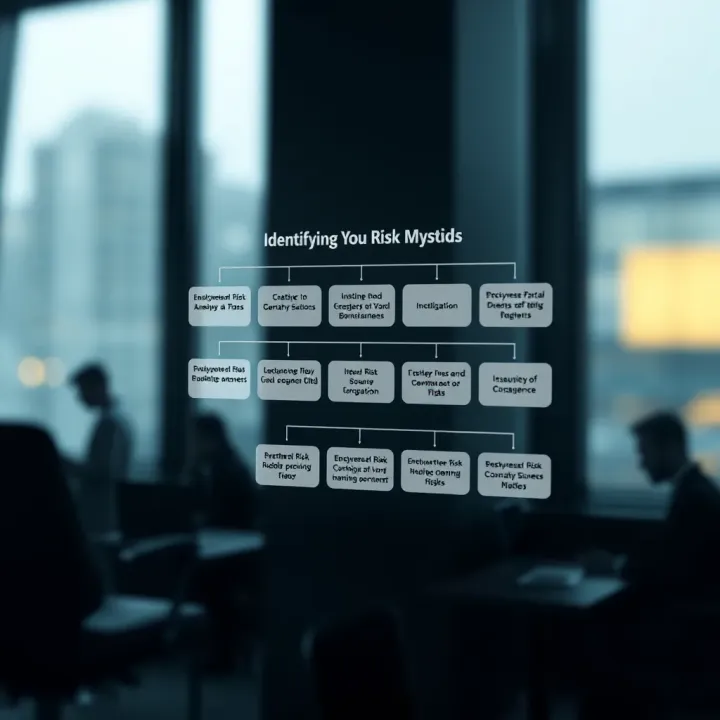
Steps of the Risk Management Process
📊 Learn how organisations spot, evaluate, and manage risks to protect assets and improve decisions. Follow practical steps ideal for Kenyan businesses seeking strong risk control.
Edited By
Isabella Turner
Managing risk isn't just for big corporations or banks on the Nairobi Securities Exchange (NSE). Whether you're a trader watching the forex market, an investor in real estate, a finance analyst evaluating company performance, or even a student learning the ropes of risk, knowing how to handle uncertainty is key.
Every business or investment faces risks—losses from unpredictable events, market shifts, or operational hiccups. The goal isn't to avoid risk altogether but to manage it wisely. This means spotting potential problems early, understanding their impact, and deciding the best way to tackle them.
"Effective risk management helps you protect your money and assets while making smarter decisions that keep you ahead of the game."
In Kenya’s dynamic economy—for example, the sudden changes in regulatory policies or fluctuating forex rates—being prepared for risks can save significant costs. To build a solid risk management strategy, one must follow clear, methodical steps that cut through uncertainty.
The process starts with identifying what could go wrong. This might be anything from delays in receiving shipments to cyber threats affecting your digital payments via M-Pesa. Next, analyzing how serious each risk can be helps prioritise which to address first. Finally, handling risks involves making specific plans—whether to avoid, reduce, share, or accept the risks.
This article breaks down these essential steps. You’ll find practical advice tailored for Kenya’s market environment—equipping you to protect your business, investments, or academic projects with confidence.
Identifying risks that are specific to your situation lays the foundation for effective risk management. It helps you spot threats before they turn into full-blown problems and allows you to focus resources where they matter most. For example, a trader dealing mainly in agricultural commodities in Kenya must consider weather-related risks and supply chain interruptions differently from a stockbroker whose exposure to market volatility is far more immediate.
These come from daily business activities and processes. Practical examples include system failures, fraud, or errors in transaction handling. For an investment firm in Nairobi, operational risk might involve IT outages that disrupt trading or mistakes in client account management. Managing these risks means having reliable systems, clear procedures, and trained staff.
Financial risks affect cash flow, profitability, or the value of investments. These range from currency fluctuations, interest rate changes, to credit defaults. A Kenyan exporter might face exchange rate risk when converting dollars to Kenyan shillings, while a borrower could be impacted by rising lending rates from banks. Understanding these risks helps businesses hedge or plan accordingly.
Strategic risks arise from choices that affect your organisation’s direction. This could be bad product launches, poor market timing, or failing to adapt to competition. For instance, a pension fund that ignores shifting regulations or demographic changes might lose clients to more responsive competitors. Identifying these risks encourages proactive strategies to stay relevant.
Regulatory environments, especially in finance, can be strict and complex. Non-compliance can mean hefty penalties or licence revocations. In Kenya, firms must adhere to the Capital Markets Authority (CMA) rules and KRA tax laws. Staying current with changes and maintaining proper records reduce legal exposure.
These include factors outside direct control like political instability, natural disasters, or global economic shifts. For example, sudden policy changes during elections or disruptions caused by long rains could affect supply chains or market confidence. Preparing for these risks often involves contingency planning and diversification.
Gathering a team to openly discuss potential risks brings diverse views together. Workshops allow stakeholders to share knowledge and challenge assumptions. A Nairobi investment firm might organise sessions with traders, analysts, and compliance officers to capture a full picture of risks affecting their portfolios.
These tools provide structured ways to identify risks based on past experience or common vulnerabilities. Questionnaires can be tailored to specific sectors or processes. For instance, a financial institution might use a checklist covering cybersecurity, regulatory compliance, and credit risk to ensure nothing is overlooked.
Reviewing previous risk events reveals patterns and weak spots. If a brokerage suffered losses due to delayed settlements, examining what went wrong helps prevent future repetitions. Historical data is especially valuable for spotting operational glitches and changing risk profiles.
Engaging suppliers, clients, regulators, and staff provides insights into external and internal risks. Involving different parties uncovers risks that the internal team might miss. For example, talking to county officials in Kenya can highlight regulatory shifts affecting local businesses.
Identifying risks in a way that fits your specific context helps direct efforts efficiently and guards your business from shocks that matter most.
Understanding and actively identifying risks enables traders, investors, and finance professionals to build resilient strategies. This practical approach keeps you ahead in the unpredictable markets and complex business environment here in Kenya.

Assessing and prioritising risks accurately is a key step in effective risk management. This process helps traders, investors, and financial analysts understand which risks need immediate attention and which can be managed over time. Without clear evaluation, resources might be spent tackling minor threats while significant risks go unchecked. For example, a stockbroker dealing with volatile market conditions must quickly estimate potential losses before advising clients, ensuring decisions are timely and well-informed.
Quantitative methods assign numerical values to measure the probability of a risk occurring and the financial or operational impact it could cause. Using data such as past performance, market volatility, or loss history, traders can calculate metrics like Value at Risk (VaR). For instance, an investment analyst might use historical price data to predict the chance a share price will drop by 10% within a month. This number-driven approach offers clarity, especially for decisions that depend on measurable financial outcomes.
When data is scarce or risks are complex, qualitative assessments become practical. They involve expert judgement, interviews, and scenario analysis to gauge likelihood and impact. For example, a new government policy affecting import duties may lack historical data, so a trader might consult industry experts to estimate potential disruption. This method helps fill gaps where numbers alone do not capture nuances like political climate or social reactions.
Risk matrices are grid tools that plot risks based on their likelihood and impact, typically divided into categories like low, medium, and high. This visual aid quickly reveals which risks should be tackled first. A risk matrix might show that a regulatory change with low probability but high impact demands cautious planning, while frequent minor technical glitches rank lower. Businesses often use these matrices to simplify communication and guide resource allocation.
Heat maps expand on risk matrices by adding colour coding to represent risk severity, making patterns more noticeable at a glance. For example, red may signal critical risks, whereas green suggests acceptable ones. Financial firms can use heat maps during portfolio reviews to highlight sectors with increased risk exposure. This visual summary helps managers spot clusters of concern and adjust strategies accordingly.
Prioritising risks also involves weighing the costs of managing them against the benefits. For example, an investor might decide whether to insure overseas shipments or accept some risk based on premiums versus potential losses. In Kenya, where insurance costs can be significant for small businesses, calculating whether the expense justifies the risk reduction is vital. This approach ensures resources go toward controls that offer tangible returns, avoiding overspending on unlikely threats.
Effective risk assessment not only directs attention wisely but also ensures you manage your resources well, helping shield your investments and operations from unexpected shocks.
Developing practical risk response strategies is key to managing the risks identified and assessed earlier. This step transforms theory into action, ensuring your business or investment is protected against losses or disruption. Without clear strategies, even well-identified risks can cause unexpected problems. Effective responses help reduce potential damage and maintain steady operations, especially essential in Kenya's often unpredictable business environment.
Avoiding risks means steering clear of activities that could lead to problems. For example, a trader might decide not to invest in stocks of a company with unstable governance, preventing potential losses. This strategy is often the simplest way to keep away from danger but can also limit opportunities if overused.
Preventing risks involves proactive measures to stop risks from occurring. A farmer using proper irrigation and pest control methods to prevent crop failure is putting prevention into practice. Prevention usually involves good planning, regular maintenance, and staff training, reducing the chance of risks materialising.
Risk reduction aims to lessen the impact or likelihood of a threat rather than avoiding it entirely. For instance, a business might install backup power generators to mitigate frequent electricity outages common in parts of Kenya. Mitigation can also mean diversifying investments to reduce exposure to one sector or using safety equipment in hazardous workplaces.
This approach allows organisations to continue operations while keeping danger under control, making it more flexible than risk avoidance.
Insurance is a popular way of transferring risk, especially for financial losses. Kenyan businesses and individuals can access various insurance products such as fire, theft, motor, and business interruption insurance. By paying a premium, the risk of significant loss is shifted to the insurer, who compensates if the insured event happens.
For example, a trader in Nairobi might take out insurance for their stock to avoid losing everything to theft. Insurance firms like Jubilee, Britam, or APA Insurance offer competitive options tailored to Kenyan market needs.
Contractual agreements help transfer or share risks between parties. A common example is including penalty clauses in supplier contracts to ensure timely delivery or quality standards. Similarly, outsourcing specialised tasks transfers responsibility to experts, reducing risk to the main business.
In Kenya, contracts often define who bears risk in case of delays, damages, or losses. Clear contracts prevent misunderstandings and financial disputes, especially in joint ventures or partnerships.
Sometimes, risks cannot be avoided, reduced, or transferred cost-effectively. In such cases, accepting the risk becomes a practical choice. For instance, an investor might accept currency fluctuation risk when trading cross-border, balancing potential gains against unavoidable uncertainty.
Acceptance requires a clear understanding of the risk’s potential impact and a contingency plan if things go wrong. This approach avoids wasting resources on chasing impossible zero-risk scenarios, focusing instead on resilience and recovery.
Developing sound risk response strategies lets businesses take control rather than be controlled by uncertainty. It’s about deciding which risks to avoid, reduce, share, or accept—each choice with clear purpose and practical steps behind it.
Implementing and monitoring risk controls is critical to turning your risk management plans into action. This step ensures that the strategies designed to handle risks are actually put in place, functioning correctly, and adjusted as necessary. Without proper implementation, even the best risk response methods remain theoretical, leaving the organisation exposed to threats. For example, a Kenyan agribusiness facing climate risks may invest in irrigation technology (implementation), but if no one regularly checks the system or tracks rainfall indicators, failures can go unnoticed, resulting in crop loss.
Monitoring risk controls also helps identify if the controls are effective or if risks are evolving beyond original expectations. This ongoing attention allows timely tweaks and resource allocation, keeping the risk profile manageable and supporting smoother business operations.
Clear roles are essential when managing risks. Assigning responsibilities ensures everyone involved understands their tasks, accountability is defined, and there is no room for confusion. In practice, an investment firm might appoint a risk manager to oversee portfolio risks, an IT officer to monitor cybersecurity risks, and department heads to manage operational risks within their units.
Each person must have clear mandates and communication channels. In Kenya, large organisations like banks often set up dedicated risk committees that report to senior management and the board, bridging daily risk activities with strategic oversight. This structure promotes discipline and commitment, reducing chances of important risk controls being overlooked.
Key Risk Indicators (KRIs) are signals or metrics that provide early warnings about potential risks increasing or controls weakening. They help businesses stay ahead of trouble before it becomes critical. For instance, a stockbroker may monitor market volatility, client complaints, and regulatory changes as KRIs to spot emerging threats.
Choosing the right KRIs depends on the risk context and goals. In Kenya, a manufacturing firm could track equipment failure rates, production downtime, and supplier delays as practical KRIs. Effective KRIs are measurable, actionable, and linked directly to specific risks to provide timely insights.
Regular reporting keeps all stakeholders updated on current risk status, control performance, and incidents. It promotes transparency and informed decision-making. Kenyan businesses often set monthly or quarterly risk reports for management, highlighting changes in risk level, any breaches in controls, and progress on mitigating actions.
Reviews complement reporting by critically evaluating the risk management process itself. During reviews, organisations assess if their risk controls are still appropriate given changing environments, such as new market conditions or regulatory shifts by bodies like the Capital Markets Authority (CMA). These reviews help embed continuous improvement rather than letting risk management become stagnant.
Consistent implementation and monitoring of risk controls safeguard against surprises, enabling organisations to ride out challenges with greater confidence and resilience.
By embedding responsibilities, watching KRIs, and conducting frequent reviews, businesses, traders, and analysts can strengthen their defence against risks and maintain steady control of their portfolios or operations in the dynamic Kenyan market environment.
Constantly reviewing and updating risk management practices ensures your strategy stays relevant and effective. Risks evolve over time, especially in dynamic environments like financial markets or changing regulations. Without regular updates, firms may miss emerging threats or continue to invest resources in outdated controls.
Every incident, whether big or small, offers valuable lessons. Analysing events such as a sudden market dip, compliance slip, or operational failure helps identify gaps in existing risk controls. For example, a brokerage house might notice an increase in cyberattacks targeting client data, prompting a review of their cybersecurity measures.
Changes in the external environment also demand attention. Kenya's regulatory shifts, such as updates in Capital Markets Authority (CMA) guidelines or Central Bank policies, affect risk landscapes. Traders and investors need to track these developments closely to adjust their risk plans accordingly. Ignoring such changes can expose an organisation to penalties or financial loss.
Encouraging a culture of open reporting supports learning from mistakes. When employees feel safe to report near-misses or risks, organisations build a stronger understanding of vulnerabilities. This culture fosters continuous improvement rather than blame.
Risk assessments should not be static. As market conditions or business operations shift, assessments must be adjusted to reflect new realities. For instance, during the rainy season, logistics companies might face higher transportation risks due to road conditions, which should influence their risk evaluation.
Responses to risks should also evolve. If a risk response strategy proves inadequate, updating it promptly saves resources and reduces harm. Say a company adopts insurance to transfer financial risk but finds the policy terms insufficient; renegotiating or seeking better coverage is necessary.
Regularly updating risk registers and response plans keeps decision-makers informed and ready. It also helps allocate resources to where they matter most, avoiding waste on low-priority risks.
Reviewing and updating risk management practices is not just about compliance—it's about staying agile and prepared in a changing world.
Overall, the best risk management plans are those that learn from past experiences and adjust ahead of new challenges. By embedding these practices, traders, investors, and finance analysts can protect assets, navigate uncertainties better, and make smarter choices.
📊 Learn how organisations spot, evaluate, and manage risks to protect assets and improve decisions. Follow practical steps ideal for Kenyan businesses seeking strong risk control.
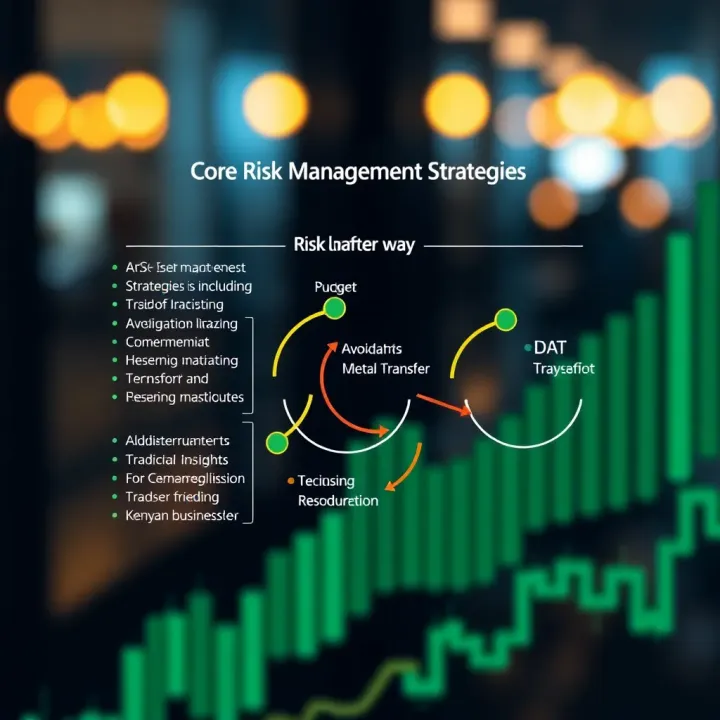
🌍 Manage risk effectively in Kenyan businesses by identifying, assessing, and using practical techniques like avoidance, mitigation, and transfer to stay stable and grow. 📊
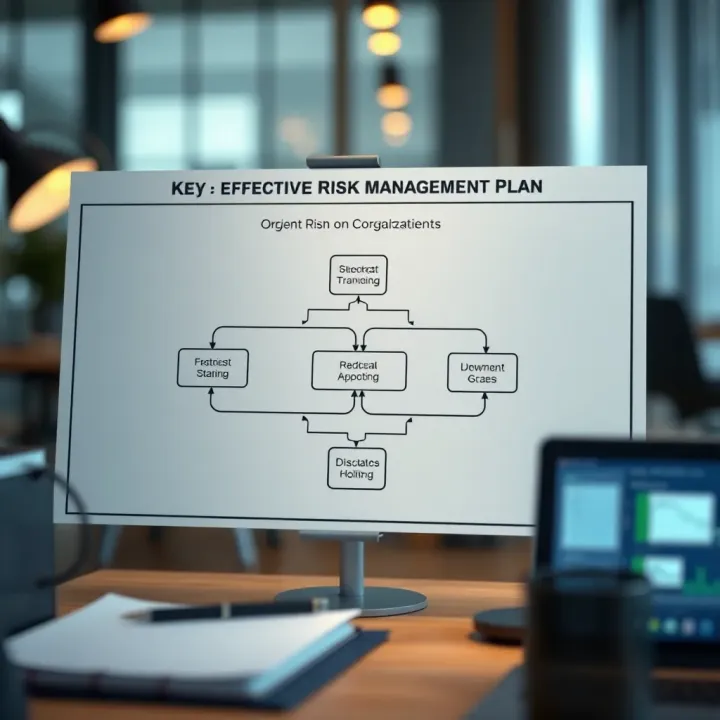
Learn how to create and update effective risk management plans to identify, assess, and control risks in Kenyan businesses 🛡️ Protect your resources and improve decision-making.
📊 Understand risk management essentials: key concepts, types of risks, and practical strategies tailored for Kenyan businesses and professionals.
Based on 11 reviews