

Understanding Risk Management in Kenya
📊 Understand risk management: learn to identify, assess, and control risks that impact Kenyan businesses. Practical tips for navigating challenges in local sectors. 🇰🇪
Edited By
Chloe Bennett
Risk management has become a vital skill across many sectors in Kenya, from banking and insurance to agriculture and manufacturing. As the economy faces uncertainties like fluctuating commodity prices, climate change, and political shifts, being able to identify, analyse, and mitigate risks is a must-have competence. That's where risk management courses come in – they equip professionals with practical tools to navigate today’s challenges.
Whether you are a trader trying to hedge against market volatility, an investor assessing portfolio risks, a finance analyst developing predictive models, or a student planning a career in finance, understanding risk management concepts will boost your value in the job market.

Kenyan institutions now offer various risk management courses tailored to different experience levels. You can find short courses focusing on basics of risk assessment and compliance, diploma programmes covering broader financial risk frameworks, or even degree-level options that dig into quantitative modelling methods. This variety means you can pick a course that suits your career stage and budget.
Many courses include practical case studies relevant to the Kenyan context, such as managing credit risk in microfinance, dealing with currency fluctuations affecting importers, or applying risk controls in agri-business supply chains. Delivery methods have also become flexible; apart from campus-based training in places like Nairobi or Kisumu, several providers offer online learning platforms to suit busy professionals.
Gaining risk management expertise is no longer a luxury but a strategic necessity for anyone serious about thriving in Kenya’s competitive financial and business sectors.
In the following sections, we'll explore what exact courses are available, what their contents cover, choice of institutions, and how acquiring these skills opens up career opportunities across key industries.
Risk management is essential in many Kenyan economic sectors
Courses suit various levels: beginners to advanced
Practical, Kenya-specific case studies enhance learning
Flexible learning options available, including online
Strong career prospects for certified risk managers
Understanding these basics will help you decide the right path as you pursue risk management knowledge and skills.
Risk management plays a vital part in Kenya's economy by helping organisations prepare for uncertainties and reduce losses. Considering the country's diverse economic activities—from trading in Nairobi's bustling markets to large-scale farming in the Rift Valley—understanding how to manage risks is not just useful but necessary. When risks are identified and managed well, businesses stand a better chance to stay afloat and grow despite hurdles like market fluctuations, climate change, or regulatory shifts.
Risk challenges in Kenyan industries: Kenyan industries face unique hurdles that require sharp risk management skills. For example, the agriculture sector contends with unpredictable rainfall that affects crop yield, while financial institutions grapple with credit risks and fraud. Also, informal sectors like jua kali face operational risks without formal safeguards, making practical risk identification essential for those in business or studying these fields.
Impact on business sustainability: Without effective risk management, businesses can easily spiral into losses or closure when unforeseen events strike. Take, for instance, a manufacturing company in Mombasa that relies heavily on imported raw materials; disruptions to supply chains due to port delays or increased tariffs can cause production halts. By having risk controls, such firms can diversify suppliers or build buffer stocks, ensuring they continue operations and preserve jobs.
Government and regulatory focus: Kenyan government agencies increasingly prioritise risk management to protect national interests. Regulators like the Capital Markets Authority (CMA) enforce risk standards in the finance sector to maintain investor confidence, while agencies overseeing public projects demand risk assessments to avoid cost overruns or corruption scandals. This regulatory environment makes risk management skills even more valuable for professionals.
Finance and banking: The finance sector is a front-runner in applying risk management due to its exposure to market, credit, and operational risks. Kenyan banks and microfinance institutions use risk models to assess loan defaults, monitor liquidity, and guard against cyberattacks, especially with the widespread use of digital banking and M-Pesa. Skilled risk professionals ensure these institutions meet compliance and keep customer trust.
Agriculture and weather risks: Farmers in Kenya constantly battle weather unpredictability. Crop failure, pests, or disease outbreaks can wipe out harvests and incomes. By adopting risk management techniques like crop insurance and diversification, farmers reduce vulnerability. Additionally, agribusinesses apply risk analytics to forecast supply and demand, gaining an edge in competitive local and export markets.
Manufacturing and supply chains: Kenyan manufacturers and logistics companies rely on efficient risk management to tackle supply chain disruptions, equipment breakdowns, and quality issues. For example, a Nairobi-based factory may face delays importing machinery parts due to customs bottlenecks. Managing such risks through strategic supplier selection and contingency plans helps maintain smooth production and delivery.
Public sector and infrastructural projects: Large government infrastructure projects often involve massive budgets and extended timelines. Risks linked to contractor performance, political changes, or environmental impact need robust management to avoid scandals and ensure value for taxpayers. Agencies award contracts only after thorough risk assessments, making risk management expertise crucial for both officials and consultants.
Understanding how risk management influences these key sectors highlights why professionals and students in Kenya invest in learning these skills. It’s not just about theories but applying knowledge to real economic activities that affect millions.
Risk management courses in Kenya cater to different needs, from quick skills enhancement to long-term career building. These courses vary in duration, depth, and application, allowing professionals, students, and business owners to find suitable options that fit their schedules and goals. Understanding the types available helps you pick the right path, whether you want a short skill boost or a full professional qualification.
Duration and content overview: Short courses typically last from a few days to a couple of months. They cover core risk management concepts such as identifying risks, assessing their impact, and simple mitigation strategies. For example, a certificate programme might focus on risk in SMEs or public sector projects, offering practical knowledge without heavy theory.
Target audience and skill level: These are ideal for beginners or working professionals who want to upgrade their skills without committing to lengthy studies. People working in finance, insurance, or government departments often take these courses to fill gaps in understanding specific risks relevant to their roles.
Practical applications: The hands-on approach means learners can immediately apply skills at work. For example, someone in banking might use new risk assessment tools learned in a short course to improve loan portfolio reviews. These programmes also suit entrepreneurs who want to manage business risks better, such as supply chain disruptions or currency fluctuations.
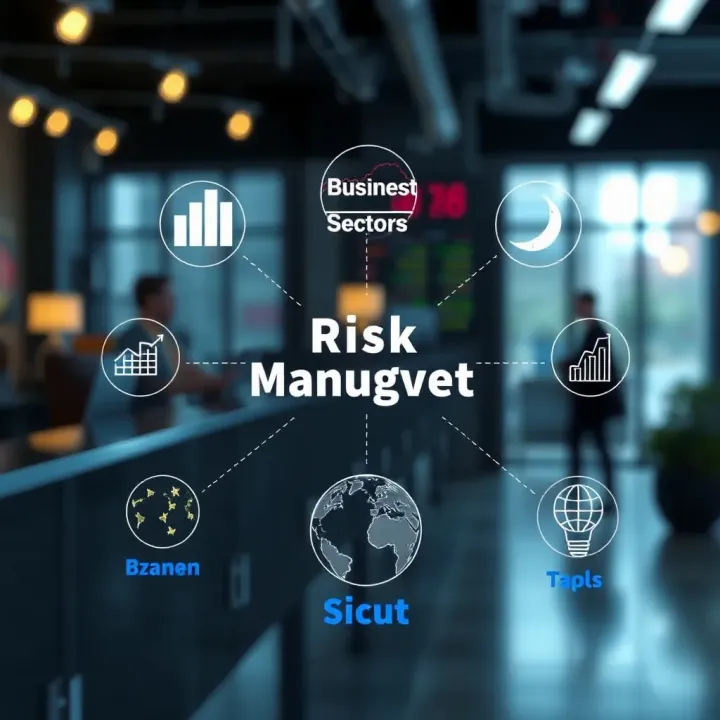
Structure of diploma courses: Diploma courses usually span one to two years and dig deeper into risk management frameworks and policies. They mix theory and practice, including modules on risk governance, compliance, and financial risk analysis. For instance, a diploma may require a project or case study on managing agricultural risks during Kenya’s long rainy seasons.
Undergraduate degree options: Some universities offer degrees in risk management or related fields like insurance and finance. These typically last three to four years, combining foundational knowledge with in-depth studies of risk models and sector-specific challenges. A student at University of Nairobi, for example, might engage in research on risk management in infrastructure projects supported by county governments.
University affiliations and accreditation: It’s important that diplomas and degrees are recognised by bodies like the Commission for University Education (CUE) and professional associations. Accreditation ensures the course meets recognised standards, boosting a graduate’s chances of employment or further study.
Certified Risk Management Professional (CRMP): CRMP programmes target experienced practitioners looking to certify their expertise. The course focuses on advanced risk assessment methods, enterprise risk management, and leadership skills. Passing the CRMP exam shows you meet both local and international professional criteria.
Risk Management certifications recognized internationally: Kenyan professionals often pursue certifications like those from the Institute of Risk Management (IRM) or Global Association of Risk Professionals (GARP). These open doors to multinational employers or consulting firms working with Kenyan companies.
Continuing professional development: Risk management evolves with changing markets and regulations. Thus, continuing education through workshops, webinars, or refresher courses helps professionals stay updated. This is crucial for compliance officers and risk analysts who must adapt to new CBK guidelines or CMA rules.
When choosing a risk management course in Kenya, consider your current experience, career goals, and how the course content fits with local industries and challenges. Practical skills combined with recognised accreditation often lead to better job opportunities and career growth.
Kenya has a growing pool of institutions offering quality risk management courses, which makes it easier for students and professionals to find training that fits their needs. The choice of institution significantly affects the relevance and practical value of the courses, given the specific demands of Kenya's economy, such as banking, agriculture, and infrastructure development.
University of Nairobi and other public universities
Public universities like the University of Nairobi have established strong reputations in risk management education. Their programmes often combine theoretical foundations with case studies related to Kenyan industries, giving students insight into real-life issues such as agricultural weather risks or financial market volatility. Because these universities receive government funding, tuition fees tend to be more affordable, attracting a wide range of learners.
Other public universities such as Kenyatta University and Moi University also offer diplomas and degree courses with well-rounded curricula. Their courses are accredited by bodies like the Commission for University Education (CUE), assuring you of recognised qualifications. Moreover, these institutions sometimes partner with industry players for internships, giving students hands-on experience.
Private universities with risk management programmes
Private universities, including Strathmore and Daystar, provide specialised risk management programmes tailored to working professionals and fresh graduates seeking flexibility and practical skills. For example, Strathmore’s risk management courses are often linked with their business and finance faculties, which means students learn how to assess financial, operational, and strategic risks within corporate settings.
Private institutions usually offer smaller class sizes and more personalised attention. Their flexible schedules, including evening or weekend classes, benefit those balancing work and study. Although fees can be higher, the targeted learning and networking opportunities compensate well, especially for traders and finance analysts.
Technical and vocational institutes
Technical and vocational education and training (TVET) centres play a crucial role for learners seeking practical, short-term qualifications in risk management. Institutes like the Kenya Institute of Management (KIM) or Kenya Technical Trainers College provide certificate and diploma courses that focus on essential risk assessment tools and compliance requirements relevant for SMEs and jua kali sectors.
These courses often suit those who want to quickly enter the workforce or upgrade their skills without committing to full degree programmes. The practical approach often includes workshops and simulations, preparing learners for on-the-job challenges, such as managing supply chain risks in small manufacturing firms.
Availability of local and international courses online
The rise of online education platforms has made risk management training more accessible across Kenya, especially for those outside Nairobi or who cannot attend campus classes. Both local providers and international platforms like Coursera, Udemy, and LinkedIn Learning offer relevant courses ranging from beginner certificates to advanced professional qualifications.
Local platforms sometimes integrate M-Pesa payments and eCitizen enrolment systems for smooth registration. International options provide exposure to global best practices and standards, which is valuable for professionals working in multinational companies or aiming for internationally recognised certifications.
Benefits of online learning for working professionals
Online risk management courses allow working professionals to learn without taking long breaks from their jobs. This flexibility supports continuous professional development, which is especially important in finance and compliance roles where regulations frequently change.
The ability to pause, rewind, and review lectures means learners absorb material at their own pace. Plus, online courses often include interactive elements such as forums where participants from different industries exchange insights, enriching the learning experience beyond textbooks.
Popular platforms for risk management studies
Kenyan professionals often turn to platforms like the University of Nairobi’s e-learning portal for accredited courses, while others prefer global platforms for certifications such as the Certified Risk Management Professional (CRMP) course.
Additionally, the Kenya Institute of Management offers online modules combining theory with locally relevant case studies. This blend of local and international platforms ensures learners gain skills that match both domestic market demands and global industry standards.
Choosing the right institution or platform for your risk management course in Kenya depends on your career goals, budget, and learning style. Whether you opt for a traditional university, a technical institute, or online learning, the key is to pick a programme that offers practical skills aligned with Kenya’s business environment.
The content of risk management courses in Kenya is designed to build a thorough understanding of risks and how to handle them across various industries. These courses cover fundamental theories, practical tools, and real-world experience, ensuring that learners can apply what they study directly to workplaces like banks, insurance companies, or agribusinesses dealing with unpredictable weather. Knowing the right skills helps professionals anticipate problems before they blow up, reducing losses and improving business resilience.
Risk identification and assessment methods introduce students to systematic ways of spotting potential risks within an organisation, like financial lapses or supply chain disruptions. Practical training often involves case studies where learners analyse specific challenges faced by Kenyan firms, such as the effect of drought on agricultural yields or currency fluctuations on import costs. This helps develop the ability to prioritise risks based on their likelihood and potential impact.
Risk control and mitigation strategies focus on planning and implementing measures to reduce or prevent identified risks. For example, learners study how banks in Kenya use credit scoring to minimise loan defaults or how manufacturers adjust sourcing to avoid supply disruptions. These strategies are essential in day-to-day business operations, helping firms maintain steady growth despite uncertainties.
Legal and ethical considerations address the rules and moral standards guiding risk management. Courses highlight Kenyan laws related to financial compliance, data protection, and workplace safety. Emphasising these aspects ensures that risk managers operate within legal boundaries and uphold ethical standards, which strengthens trust with clients and regulators.
Risk analysis software and technologies train students to use tools like Monte Carlo simulation, Excel-based models, or more specialised programmes like Palisade @RISK. These technologies enable detailed risk quantification and forecasting, helping Kenyan firms predict outcomes before committing resources. For instance, an investment firm might use software to evaluate portfolio risks during economic shifts.
Quantitative and qualitative analysis methods combine numbers and subjective assessment to get a full picture of risk. Students learn how to crunch data for probability calculations and also apply expert judgment in areas where figures fall short, such as reputational risk or political instability. This is especially useful in sectors like insurance or government projects where not all risks are quantifiable.
Scenario planning and crisis management prepare learners to plan for unexpected events and coordinate responses. Courses teach how to develop action plans for potential crises like cyberattacks or floods, drawing on Kenya's experiences with disaster response coordination. This practical skill is critical for maintaining operations during tough times.
Case studies relevant to Kenyan businesses expose students to local examples — like risk management in the tea industry, Nairobi’s real estate market, or M-Pesa’s operational risks. These real-life examples help ground theory in everyday business decisions and challenges faced in Kenya’s market.
Internships and project work give hands-on experience, often involving placements in banks, insurance firms, or NGOs. Interns might assist with risk audits or develop risk registers, gaining insight into workplace dynamics and the practical challenges of managing risk.
Simulations and workshops offer interactive opportunities to practice skills such as crisis response drills or risk assessment exercises. These sessions foster teamwork and quick decision-making, which are crucial for effective risk management in fast-moving environments.
Practical exposure and modern analytical tools make risk management training in Kenya particularly relevant for professionals aiming to protect and grow businesses amid uncertainty.
By focusing on both theory and application, risk management courses equip you with the skills needed to face complex challenges in Kenya’s diverse economy confidently.
Risk management opens several pathways for professionals in Kenya, especially in sectors where uncertainties can impact daily operations and long-term sustainability. Gaining relevant skills not only improves job prospects but also adds real value to organisations by helping them avoid costly mistakes and adapt to a changing environment.
Risk analysts and managers in financial institutions
Financial institutions like banks, microfinance firms, and investment companies in Nairobi and beyond rely heavily on risk analysts to monitor credit, market, and operational risks. These analysts use both quantitative tools and local market insights to identify vulnerabilities before they escalate into losses. For example, a risk manager at KCB may assess loan default risks by analysing customer repayment patterns and economic conditions across different counties. Such roles are practical as they directly influence lending decisions, portfolio management, and regulatory compliance.
Risk officers in insurance and manufacturing
Kenya's insurance sector recruits risk officers to evaluate policy risks and claims. These officers often work closely with actuaries, ensuring Kenyan insurers price their products correctly. In manufacturing hubs like Athi River, risk professionals help manage supply chain disruptions, equipment failures, and workplace safety risks. Their role involves both risk prevention and contingency planning, which is crucial for maintaining production schedules and meeting client demands.
Compliance and regulatory roles in government agencies
Government bodies such as the Capital Markets Authority (CMA) and Central Bank of Kenya (CBK) hire risk professionals to enforce regulations and protect public interests. These officers ensure institutions adhere to national laws and international standards, mitigating risks that could trigger financial crises or mismanagement. For instance, a risk compliance officer at the Kenya Revenue Authority (KRA) may monitor fraud risks linked to tax declarations and advise on controls to close loopholes.
Entry-level to senior positions
Entry-level risk roles typically start with salaries around KSh 50,000 to KSh 80,000 monthly in Nairobi. With experience and specialised certifications like Certified Risk Management Professional (CRMP), these can grow to KSh 200,000 or more at senior management levels. The jump reflects increased responsibility, including shaping risk policies and leading teams. Practical experience combined with good networking within the Kenyan financial sector often fast-tracks career advancement.
Influence of qualifications on pay scale
Professional certificates and diplomas from recognised institutions significantly influence earning potential. A diploma holder fresh out of Jomo Kenyatta University of Agriculture and Technology (JKUAT) might start lower than a graduate with a degree from the University of Nairobi's risk management programme. Additionally, credentials aligned with international bodies, such as the Global Association of Risk Professionals (GARP), further boost pay scales and open doors to multinational companies operating locally.
Long-term career development in risk management
Risk management careers offer steady growth provided one stays current with industry trends and regulatory updates. Professionals often progress from analyst to risk manager, then director roles, or even transition into C-suite positions like Chief Risk Officer (CRO) in banks or telcos. Continuous learning and adaptability are vital, especially as Kenya's economy diversifies and digital-related risks increase.
Starting a risk consultancy
There is growing demand for specialised risk consultancies in Kenya, catering to SMEs and large enterprises alike. Professionals with strong networks and technical know-how can start firms advising on credit risk assessments, business continuity, or compliance audits. Such consultancies often fill gaps where internal risk units lack resources, particularly in the jua kali sector and emerging tech startups.
Advising SMEs and corporates
Many SMEs in sectors like agriculture, logistics, and manufacturing face risks from fluctuating commodity prices or unreliable supply chains. Risk management graduates can offer tailored advice to these businesses, helping them build resilience. For example, guiding a horticulture exporter on how to hedge against currency risks or advising a transport company on safety and insurance matters can create real business value.
Opportunities in risk training and capacity building
Experienced risk professionals often find opportunities in training others, both in-house and publicly. Organisations like the Kenya Association of Manufacturers (KAM) and business incubators seek trainers who can build staff capacity in risk frameworks. This side of the career offers flexibility, additional income, and the chance to shape Kenya’s risk management culture.
Career opportunities following risk management courses in Kenya are diverse and growing. They offer not just jobs, but pathways to long-term professional success and entrepreneurship in a dynamic market.
📊 Understand risk management: learn to identify, assess, and control risks that impact Kenyan businesses. Practical tips for navigating challenges in local sectors. 🇰🇪

📊 Learn how to identify, assess, and control risks in Kenyan businesses. Understand risk culture, treatment, and monitoring to safeguard your organisation’s goals.

📉 Master forex risk management for Kenyan traders! Learn key strategies to protect capital, control losses, and trade confidently in volatile markets.
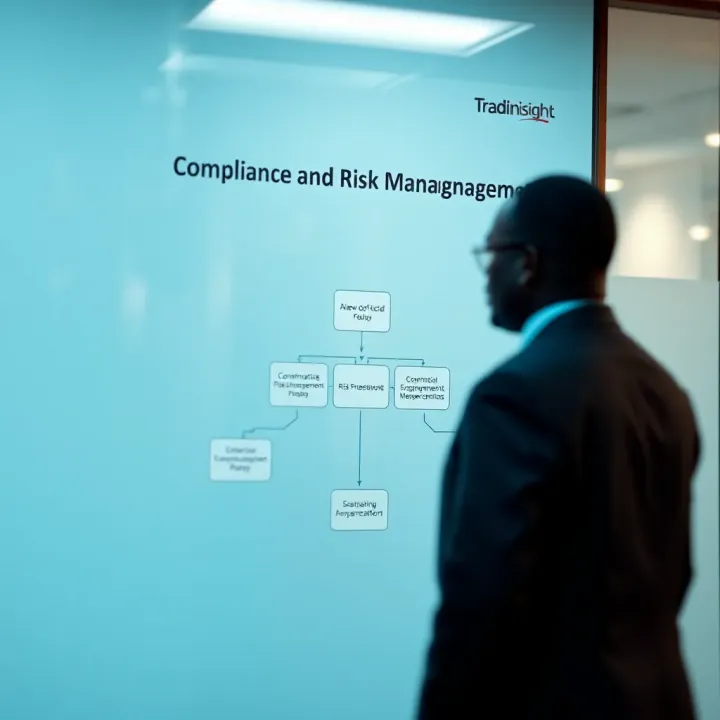
Explore how Kenyan businesses manage compliance and risks, tackle challenges, adopt best practices, and use technology for safer operations 📊⚖️
Based on 7 reviews