

Forex Risk Management Tips for Kenyan Traders
📉 Master forex risk management for Kenyan traders! Learn key strategies to protect capital, control losses, and trade confidently in volatile markets.
Edited By
Daniel Reed
Risk management offers a practical career path for those interested in helping organisations stay safe from potential threats. Whether you are a trader, investor, finance analyst, broker, or student preparing for the workforce, understanding how risk management works can open doors to diverse job opportunities.
In simple terms, risk management involves spotting possible problems that could harm a business, then planning how to reduce or handle those problems. This could be anything from financial losses due to market shifts, to operational setbacks like supply chain disruptions. Kenyan banks, insurance firms, and even government agencies rely heavily on skilled risk managers to keep their operations steady.
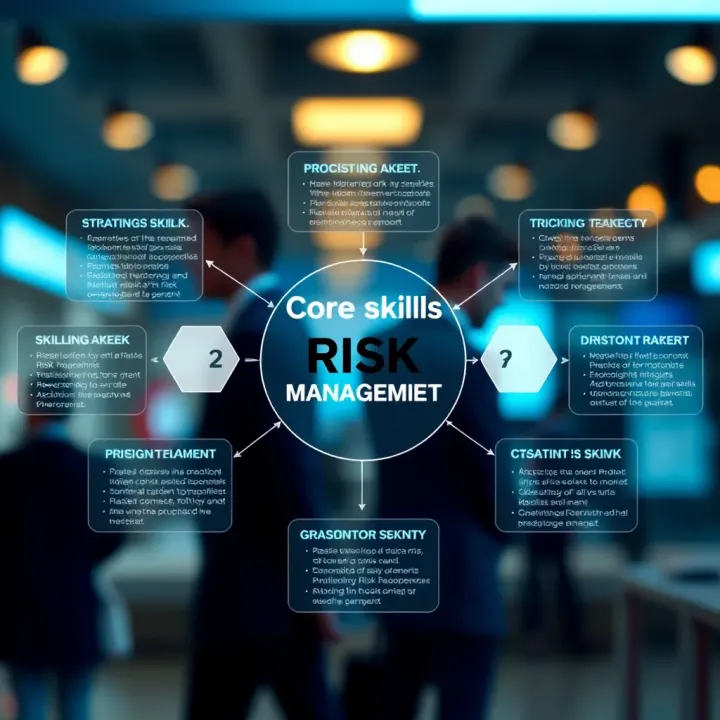
A career in risk management typically begins with roles such as risk analyst, credit assessor, or insurance underwriter. These jobs require sharp analytical skills and a good grasp of finance and statistics. As you gain experience, you might progress into risk consultancy, compliance, or even chief risk officer positions.
Getting a foothold in the sector means developing key skills like data analysis, communication, and familiarity with regulatory frameworks relevant to Kenya and East Africa.
The use of technology—like big data tools, risk modelling software, and AI—has reshaped risk management. Professionals adept at merging finance knowledge with tech skills will find themselves in particularly high demand across Nairobi, Mombasa, and beyond.
To explore careers in this field, consider courses in finance, economics, or actuarial science offered by Kenyan universities such as Strathmore or UoN (University of Nairobi). Qualifications like the Financial Risk Manager (FRM) certification also boost employability locally and internationally.
In summary, risk management is a growing field with clear pathways and practical relevance. For those with an eye on markets and a mind for problem-solving, this career offers both stability and room for growth.
Risk management is essential for businesses to survive and thrive, especially in an uncertain environment like today’s economy. Whether you are a trader keeping an eye on market shifts or a finance analyst evaluating investment risks, understanding how risk management works helps you make smarter decisions. It involves recognising threats that could harm an organisation and finding ways to reduce or avoid those threats before they cause problems.
Risk means any possibility of loss or harm that could affect an organisation’s goals. In risk management, risks come in different forms. There are financial risks, such as losing money due to currency fluctuations or credit defaults. Then there are operational risks, like system failures or fraud, that disrupt day-to-day activities. Other categories include market risks influenced by changing demand, compliance risks arising from breaking laws, and strategic risks linked to poor business decisions. Knowing these types helps businesses focus on the right areas when managing risk.
Identifying risks starts with a thorough analysis of business activities, market conditions, and external factors. This can be done through methods like risk assessments, audits, or scenario planning. Once identified, risks must be evaluated by their likelihood and potential impact. For example, a bank in Nairobi might assess the risk posed by sudden regulatory changes or political unrest affecting cash flow. Mitigation involves putting controls in place—like insurance, policies, or backup systems—to lower the chance of risk materialising or reduce its damage if it does.
Risk managers help protect an organisation’s valuable assets—money, equipment, reputation, and human resources—from threats that could derail operations. Without proper management, a business exposed to frequent data breaches or credit defaults may suffer heavy losses. For instance, a commercial bank implements risk controls to avoid major loan defaults that could impact capital reserves. This proactive stance ensures the business can keep running even if challenges arise, securing jobs and customer trust.
Many sectors in Kenya are tightly regulated. Financial institutions, energy firms, and public sector bodies must meet strict rules set by authorities like the Capital Markets Authority (CMA) or Energy and Petroleum Regulatory Authority (EPRA). Risk management professionals stay up-to-date on these regulations and help their organisations comply to avoid fines and legal issues. For example, a microfinance institution ensures customer data protection measures align with the Data Protection Act. Staying compliant not only avoids penalties but also boosts credibility among clients and partners.
Good risk management builds resilience. It saves businesses money, protects stakeholders, and creates opportunities amidst uncertainty.
Understanding these aspects is the foundation for anyone interested in pursuing a career in risk management. It sets the stage for recognising where you can add value and make an impact in your role.
Risk management covers a wide spread of positions, each playing a key role in helping organisations spot and handle risks that could hurt their operations or finances. Understanding these roles gives you a clear picture of career options available and what you might expect at different stages.
Risk Analyst
A risk analyst is often the first stop for those entering the risk management field. Their work focuses on gathering data and assessing potential risks affecting a business, such as market volatility or credit defaults. For example, a risk analyst at a Nairobi bank may evaluate loan portfolios to warn of rising default risks. This role builds the foundation in risk identification and reporting, sharpening analytical skills.
Junior Risk Officer
Junior risk officers support senior staff by monitoring risk controls and helping implement risk mitigation measures. They might track compliance reports or assist in conducting internal audits in sectors like insurance or telecommunications. This position allows hands-on exposure to how risk policies translate into daily business practices, important for gradual career growth.
Risk Manager
Risk managers oversee entire programmes aimed at reducing risks and ensuring business continuity. Their responsibilities stretch from policy development to coordinating incident responses. For instance, a risk manager at a commercial bank will lead teams assessing credit, operational, and market risks, sitting at the table for strategic decisions. Leadership and broad sector knowledge become vital in this role.

Compliance Officer
Compliance officers focus on ensuring an organisation complies with laws, regulations, and internal standards. In Kenya, this could mean aligning with regulations from the Capital Markets Authority (CMA) or Central Bank of Kenya (CBK). They design frameworks for regulatory adherence, monitor changes in legislation, and prepare compliance reports. This role is crucial for avoiding costly penalties and safeguarding company reputation.
Credit Risk Specialist
Specialists in credit risk analyse borrowers’ ability to repay loans or credit facilities. Their insights guide lending decisions in banks or microfinance institutions. A credit risk specialist uses financial data and credit scoring models to recommend loan approvals or terms. Their work directly influences risk exposure and profitability in financial institutions.
Operational Risk Manager
Operational risk managers deal with risks arising from internal processes, staff, systems, or external events. This could include risks from IT failures or fraud within a company. For example, in a telecom company like Safaricom, they oversee risk controls for network downtime or data breaches. Their focus is on minimising losses caused by daily operational challenges.
Market Risk Analyst
Market risk analysts assess risks related to changes in market conditions such as interest rates, foreign exchange rates, or commodity prices. A market risk analyst working with an investment firm in Nairobi might analyse how shifts in global oil prices affect local businesses or asset valuations. Strong quantitative skills are essential to predict trends and advise on investment risk.
Enterprise Risk Management Consultant
Consultants in enterprise risk management (ERM) help organisations embed risk-aware cultures and frameworks covering all business aspects. They might work across sectors advising on integrated risk frameworks that combine financial, operational, strategic, and reputational risks. ERM consultants help top leadership understand risk profiles and improve decision-making processes.
Knowing these roles helps you chart your path in risk management, from entry point positions like risk analyst to specialised roles demanding deeper expertise. Each role offers unique opportunities to impact business success through risk awareness and control.
This overview targets traders, investors, and finance professionals aiming to grasp how risk management careers align with practical business needs in Kenya and beyond. Whether you want a career start or looking to specialise, understanding these roles is essential for informed choices.
Risk management demands a unique blend of education and practical skills. Understanding the right qualifications and skillsets can give you a big edge when seeking roles in this field. Both academic background and hands-on abilities matter, as employers want candidates who can reason critically and comply with regulations.
Degrees in finance, economics, or related fields form the foundation for most risk management careers. These courses build your understanding of markets, financial instruments, and economic behaviours. For example, a degree in finance equips you with knowledge about credit risk, investment vehicles, and market dynamics, all essential for assessing threats to a company’s assets.
Similarly, economics helps you grasp how macroeconomic factors like inflation or interest rate changes can impact organisational risk. Degrees in business administration, actuarial science or statistics also fit well since they train you on quantitative analysis and decision-making.
Relevant certifications like the Financial Risk Manager (FRM) and Professional Risk Manager (PRM) give candidates a boost. These cover practical risk assessment techniques, modelling, and industry standards. In Kenya’s competitive market, such certifications signal your commitment and readiness for complex challenges.
Beyond certification prestige, they help sharpen skills in areas like credit risk management, market risk analytics, and operational risk governance. Preparation for these exams familiarises you with global best practices while keeping you updated on evolving risk trends.
Analytical thinking and problem solving rank high among risk employers' priorities. Risk management involves digesting vast amounts of data to spot vulnerabilities or forecast possible outcomes. Imagine analysing loan portfolios to detect potential defaults; spotting patterns requires sharp analytical skills combined with creative problem-solving to suggest mitigation.
Attention to detail and communication skills are equally vital. Even minor oversights in risk reports can mislead decision makers, causing financial or reputational damage. At the same time, clear communication aids in explaining complex risks to non-experts such as senior managers or regulators. For instance, a risk officer must translate technical findings into practical advice, accessible to the entire business.
Understanding regulatory frameworks is crucial given Kenya’s tight financial regulations and industry compliance demands. Knowing laws from the Central Bank of Kenya (CBK) or Capital Markets Authority (CMA) guides how risks are managed legally and ethically. Companies rely on risk professionals to ensure adherence to licensing, capital adequacy, and anti-money laundering rules, avoiding costly penalties.
Getting the right qualifications and honing key skills can take your risk management career far. Practical education paired with solid analytical and communication abilities prepares you to handle the demands of the job confidently and effectively.
Risk management skills are in high demand across multiple sectors in Kenya, each presenting unique challenges and opportunities. Understanding where these jobs are concentrated helps you target your efforts and tailor your skills for the most relevant roles.
Risk management in commercial banks plays a fundamental role in maintaining financial stability. Kenyan banks, whether local like Equity and KCB or international branches, require risk professionals to monitor credit exposure, prevent fraud, and maintain liquidity. For example, during periods of economic downturn or currency fluctuations, risk managers assess loan portfolios to reduce the chances of default and balance growth ambitions.
Insurance firms and microfinance institutions also rely heavily on risk management. Insurance companies such as Jubilee Insurance need experts to calculate premiums accurately by understanding risks linked to health, property, or accidents. Microfinance institutions, which mostly serve low-income clients, face unique credit risks. Managing these requires a sharp eye on borrower profiles and local economic conditions to minimise bad debts and ensure sustainability.
Managing operational and market risks in telecoms and energy is vital given their capital-intensive nature and regulatory scrutiny. Firms like Safaricom or Kenya Power face risks from equipment failure, service outages, or price volatility in fuel and energy. Risk managers here focus on contingency planning and supplier risk assessments to keep services running smoothly, as disruptions can impact millions.
Regulatory compliance challenges in these sectors are complex. Strict government rules on pricing, consumer protection, and environmental impact require close oversight. For example, telecom companies need to comply with data privacy laws, while energy firms must meet environmental safeguards. Risk professionals ensure policies are followed to avoid fines or reputational damage, often coordinating with regulators and legal teams.
Risk assessment in government projects involves evaluating financial, operational, and social risks that could threaten project success. Large infrastructure projects, like the standard gauge railway or county-level water supply programmes, depend on risk management to anticipate delays, cost overruns, or community opposition. Careful analysis protects taxpayer money and helps achieve timely delivery.
Managing funds and donor compliance is crucial for NGOs operating in Kenya. Organisations like AMREF or local charities have to meet strict conditions set by donors, including transparent reporting and proper fund utilisation. Risk managers ensure financial controls are in place and that programme activities align with donor requirements, avoiding fraud and sustaining funding relationships.
In Kenya, risk management isn't just about numbers; it's a practical tool that helps organisations navigate uncertainties and secure their future.
By understanding these sector-specific risk responsibilities, you can better position yourself for a successful career path that aligns with Kenya’s economic landscape.
Technology is changing how risk management operates by providing tools that enhance accuracy, speed, and predictive power. In Kenya’s fast-growing markets, these advances help risk professionals stay ahead of threats and spot opportunities. Digital transformation means organisations rely more on software, data analytics, and cybersecurity strategies to manage risks efficiently.
Risk modelling and forecasting helps organisations predict future risks based on historical data and current trends. For example, banks in Nairobi use data-driven models to forecast credit default rates among borrowers, allowing them to adjust lending policies promptly. Risk managers apply statistical techniques to evaluate market volatility or operational weaknesses, making their decisions more evidence-based and less reliant on guesswork.
In Kenya’s insurance sector, digital tools analyse weather patterns and claim histories to anticipate potential payouts from floods or droughts, helping firms price premiums more accurately. This kind of foresight reduces unexpected losses and improves financial stability.
Automating compliance monitoring is another area where technology plays a vital role. Financial institutions and large companies often deal with complex regulations from bodies like the Capital Markets Authority (CMA) or Central Bank of Kenya (CBK). Automated software flags transactions or behaviours that might breach these rules, cutting down on manual checks.
For instance, compliance officers use software platforms that generate alerts if suspicious transactions occur, supporting anti-money laundering (AML) efforts. This reduces human error, speeds up reporting to regulators, and frees risk teams to focus on more strategic tasks.
Protecting organisational data has become a top priority as Kenyan businesses digitalise operations. Customer information, financial records, and operational details are valuable targets for cybercriminals. Risk managers collaborate with IT teams to implement firewalls, encryption, and intrusion detection systems that safeguard these assets.
A practical example comes from telecom companies that protect subscriber data from hacking attempts, ensuring trust and compliance with the Data Protection Act. Failure to secure data can lead to hefty fines and reputational damage.
Emerging job roles in cyber risk reflect the increased need for specialists who understand both technology and risk. Positions like Cyber Risk Analyst, Information Security Officer, or Incident Responder have become more common in Nairobi’s major firms. These roles focus on assessing digital vulnerabilities, designing defence strategies, and responding to cyber incidents swiftly.
As Kenyan companies embrace mobile banking and e-commerce, cyber risk professionals become key players in protecting revenue and customer confidence. They work closely with legal and compliance teams to align cybersecurity measures with broader organisational risk frameworks.
Technology isn't just a tool for risk management—it's reshaping the very way organisations predict, monitor, and respond to threats in Kenya's dynamic market.
By mastering data analytics, compliance automation, and cybersecurity, risk management careers in Kenya are evolving into tech-savvy, strategic positions offering great growth potential.
Navigating a career in risk management in Kenya offers unique opportunities due to the country’s dynamic economy and growing sectors like finance, telecommunications, and energy. Career growth here largely depends on progressing through roles with increasing responsibility, as well as staying updated with current trends and certifications. Knowing how to find job openings and build a strong professional network is equally vital for advancement.
Moving up from analyst roles to management positions is a common pathway. For example, a risk analyst working at a Kenyan commercial bank might start by handling data and assessing credit risks, then gradually take on supervisory duties, eventually becoming a risk manager overseeing entire risk portfolios. This path demands continual sharpening of skills in data analysis, decision-making, and leadership.
Besides internal promotions, professionals often shift into consultancy or specialised risk fields such as cyber risk or enterprise risk management. Consulting roles allow individuals to offer expert advice to various firms, including jua kali businesses or NGOs, adapting risk strategies to different settings. Specialisation may involve acquiring niche certifications or hands-on experience with emerging areas like cybersecurity or climate risk, sectors increasingly relevant in Kenya’s evolving risk landscape.
Platforms like BrighterMonday and LinkedIn are crucial for discovering risk management vacancies in Kenya. BrighterMonday hosts job adverts from banks, insurers, and other firms looking specifically for risk professionals. LinkedIn, on the other hand, provides chances to connect with recruiters, join discussion groups, and showcase qualifications to prospective employers. Regularly updating your profile and engaging with relevant posts can increase visibility.
Joining professional bodies such as the Institute of Risk Management Kenya (IRMK) also plays a significant role in career building. Membership offers access to workshops, seminars, and networking events where you can meet seasoned practitioners and potential employers. Beyond learning, these connections may lead to job referrals or mentorship opportunities, which are often key in highly competitive fields.
Building a career in risk management today means combining strong qualifications, practical experience, and active networking to stay ahead in Kenya's changing economic environment.
Whether you aim to advance within a company or branch out into consultancy, understanding how to grow and where to look for opportunities will serve you well.
📉 Master forex risk management for Kenyan traders! Learn key strategies to protect capital, control losses, and trade confidently in volatile markets.
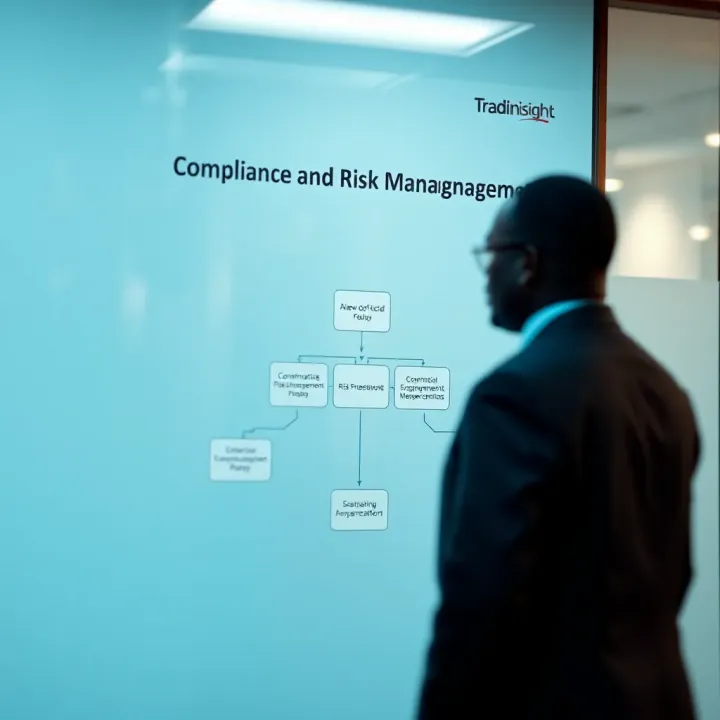
Explore how Kenyan businesses manage compliance and risks, tackle challenges, adopt best practices, and use technology for safer operations 📊⚖️
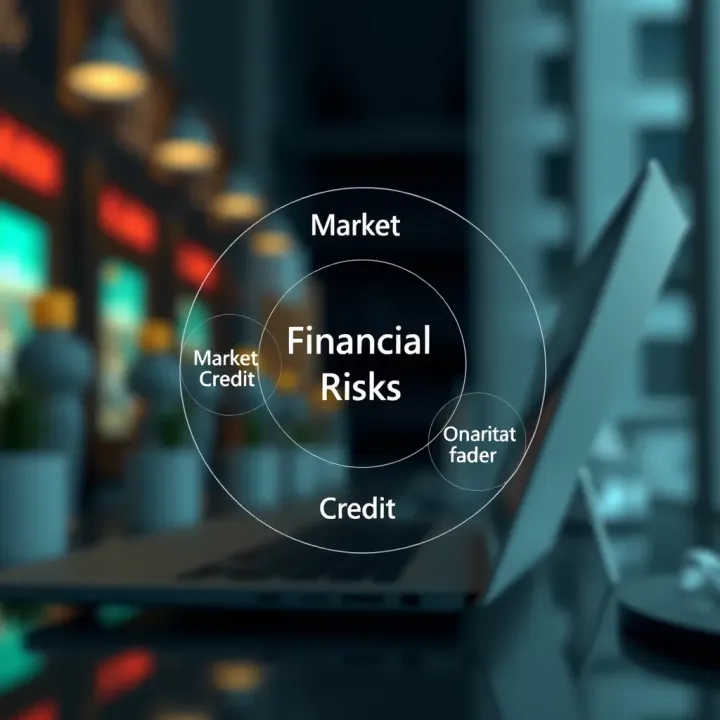
📊 Explore solid strategies and practices for managing financial risk in Kenya. Learn to identify risks, use technology, and navigate regulations effectively.
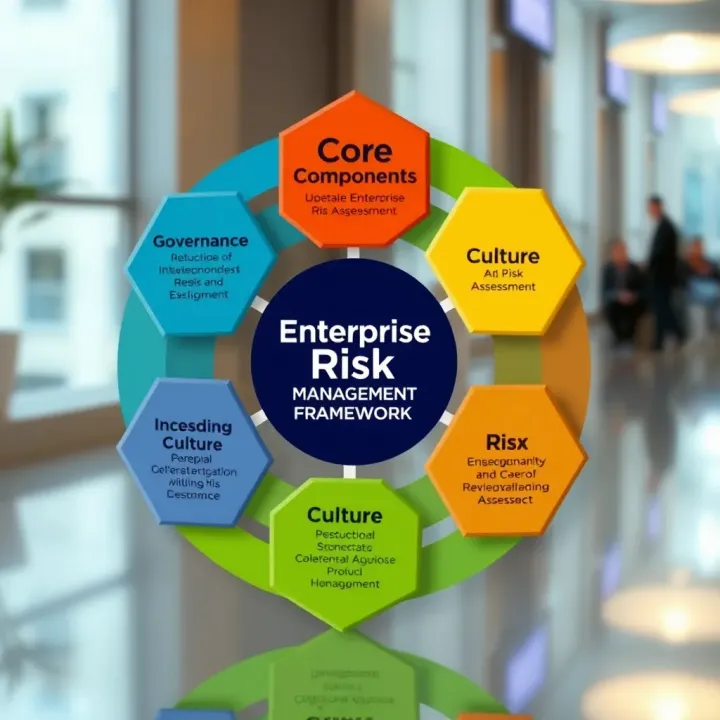
Explore how enterprise risk management frameworks help Kenyan businesses spot and handle risks daily, focusing on culture, governance, and key steps 🛡️📊
Based on 8 reviews