
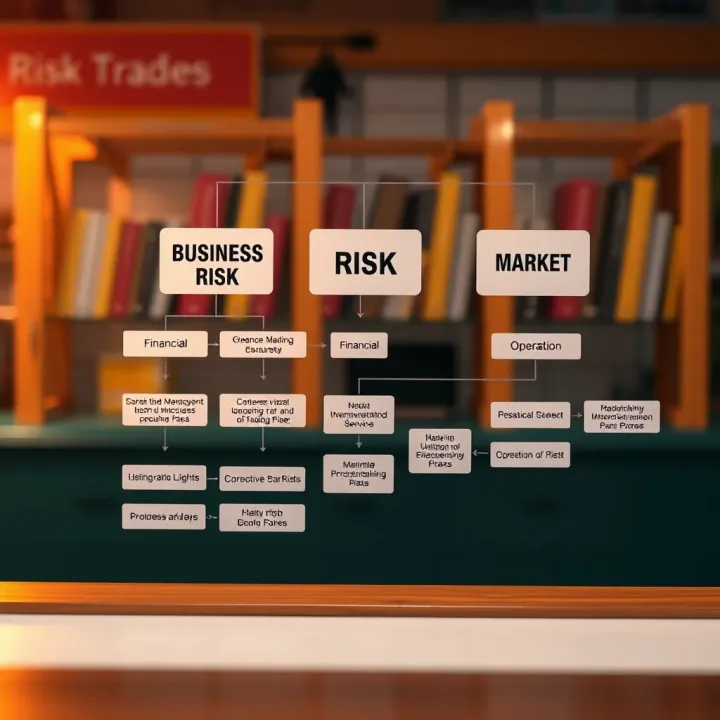
Understanding Risk Management for Kenyan Businesses
📊 Understand risk management basics and methods that Kenyan businesses can apply to stay resilient, make smarter decisions, and secure growth.
Edited By
Sophie Hughes
Risk management is about understanding what could go wrong and taking active steps to reduce those chances. For traders, investors, and finance professionals in Kenya, knowing how to manage risk is more than just an option — it’s a necessity. Without a clear plan, you can lose your hard-earned KShs or miss out on opportunities.
At its core, risk management involves identifying, assessing, and controlling risks that might affect your investments or business operations. This process helps safeguard your capital and reputation, while also ensuring that setbacks don’t spiral out of control.
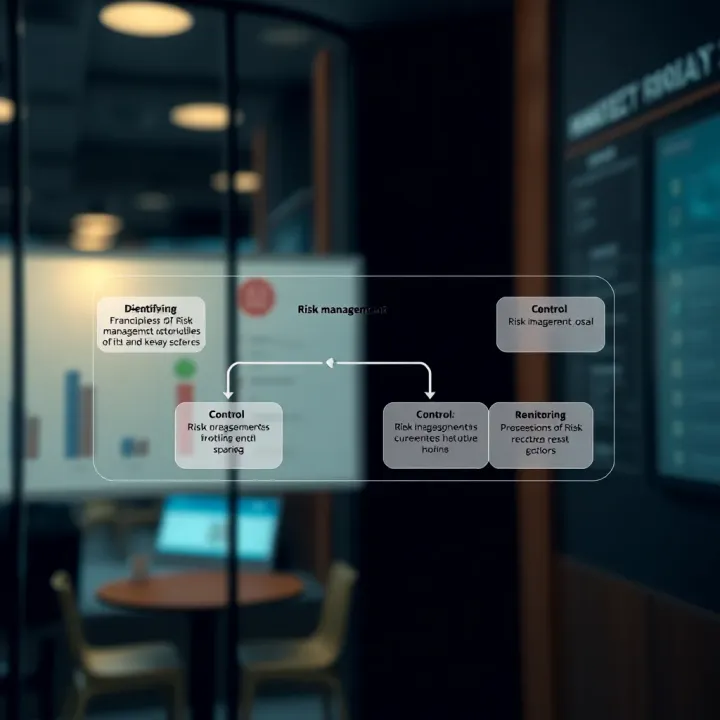
Consider a small-scale farmer in Kirinyaga investing in a new irrigation system. The risk includes the upfront cost and uncertain rainfall patterns. Yet, by understanding this risk, the farmer can plan ahead, set aside funds, or get insurance cover to minimise the impact. Similarly, traders on the NSE (Nairobi Securities Exchange) put stop-loss orders to limit potential losses when the market shifts unexpectedly.
"Effective risk management means preparing for the unexpected and acting early rather than reacting late."
Below are the key principles that guide sound risk management:
Risk Identification: Spotting potential threats like market volatility, technological failure, or political changes that could harm your portfolio.
Risk Assessment: Measuring how likely these risks are and what impact they would have financially and operationally.
Risk Control: Putting measures in place — such as diversification in investments or setting credit limits — to reduce risk exposure.
Continuous Monitoring: Risks evolve, so regular tracking ensures that controls remain effective and new risks are caught early.
Clear Communication: Sharing risk information across teams or with partners ensures everyone understands threats and how to respond.
By applying these principles, Kenyan traders and investors can strengthen their strategies against shocks, whether caused by local currency fluctuations, changes in interest rates regulated by the Central Bank of Kenya, or shifts in regional trade within the East African Community.
Understanding these basics will help you protect your investments and make more confident, informed decisions.
Risk management is the process businesses use to identify, evaluate, and control risks that may affect their goals. Understanding this concept is vital for anyone involved in trading, investing, or finance analysis because it helps safeguard assets and maintain steady operations even when uncertainties arise. For instance, a small-scale trader in Nairobi who foresees supply disruptions due to weather can plan alternative suppliers ahead of time, reducing the chance of stock shortages.
In business, risk is any event or condition that could negatively impact an organisation’s objectives. This can range from financial losses and operational faults to reputational damage or regulatory penalties. For example, a broker managing client portfolios faces market volatility risk, where sudden price shifts could cause significant losses. Understanding what constitutes risk in a specific context allows businesses to focus their efforts on the most relevant threats rather than wasting resources on unlikely or minor issues.
Efficient risk management is more than avoiding threats—it's about making informed decisions that balance risk and reward. Managing risks well protects capital, ensures compliance with regulations like those from CMA Kenya, and builds investor confidence. Take, for example, a Kenyan investment fund that uses risk assessment tools to diversify assets; this helps cushion the fund against downturns in any one market segment.
Moreover, a proactive approach to risk helps businesses spot opportunities hidden within uncertainties. By monitoring potential risks continuously, companies can adjust their strategies in real-time—like shifting investment focus ahead of economic changes.
Effective risk management can mean the difference between staying afloat and facing severe losses, especially in volatile markets. It empowers you to navigate uncertainties smartly rather than reactively.
In summary, understanding risk in a business setting clarifies what threats to watch out for, while recognising its value motivates firms to build systems that reduce surprises. This knowledge is foundational for anyone seeking to protect investments, guide financial decisions, or maintain business stability in Kenya's dynamic economic environment.
Identifying and assessing risks systematically is the backbone of any sound risk management framework. Without a clear understanding of what risks your business faces, any control measure becomes guesswork, leaving the organisation exposed. In the Kenyan business context, where factors like fluctuating foreign exchange rates, political shifts during elections, and local supply chain issues often affect operations, a methodical approach helps businesses stay on top of challenges before they escalate.

Spotting risks isn’t just about guessing what might go wrong; it requires deliberate methods tailored to the specific business. One practical way is conducting regular risk workshops involving key team members from finance, operations, and compliance departments. They can share insights about emerging threats, such as delayed payments through M-Pesa or disruptions caused by Kenya Revenue Authority’s (KRA) tax policy changes.
Another common method is the use of checklists and historical data analysis. For example, a Nairobi-based retailer might review past stockouts or transport interruptions during the long rains season to anticipate future problems and prepare accordingly. Also, customer feedback and supplier performance reviews can reveal hidden operational risks.
Field observations, such as visiting the shamba or warehouse, bring a fresh perspective that desk reviews might miss. Finally, technology can help: digital tools capturing real-time data on sales patterns or payment delays can hint at risks early enough for intervention.
Once risks are identified, assessing how severe they could be and their likelihood of happening is vital. This helps in prioritising which risks to tackle first. An investor facing currency volatility, for example, must estimate whether a KSh 1 million loss due to shilling weakening is more likely compared to risks from market demand decreases.
Using a risk matrix is a straightforward way to do this. Risks are mapped by their impact (e.g., financial loss, reputational damage) against their probability. A high-impact, high-probability risk, like delayed customs clearance during festive season, demands immediate action.
Importantly, assessing risk also calls for involving people well-versed in the specific area affected. For instance, a finance analyst assessing credit risk must consider clients’ historical payment behaviour and current market trends. This contextual understanding sharpens the evaluation.
Systematic identification and assessment turn vague threats into clear priorities, enabling Kenyan businesses to protect assets effectively and avoid costly surprises.
Keeping this process ongoing ensures that the risk profile stays current as market conditions shift. It’s not a one-off task but part of daily business vigilance, helping businesses and investors keep their footing steadily even during uncertain times.
Managing risks effectively is a key step that follows identifying and assessing them. Strategies for controlling risks help protect businesses from losses and provide a framework for making informed decisions. Kenyan traders, investors, and finance professionals need practical approaches to deal with uncertainties in markets, regulations, and operations.
One way to manage risk is to avoid it altogether. For example, a wheat farmer in Narok might avoid growing a new crop variety prone to local pests, reducing exposure to loss. In trading, avoiding volatile stocks during unstable economic periods is a form of risk avoidance. On the other hand, risk reduction involves taking steps to lessen the impact or likelihood of risks. A stockbroker could use stop-loss orders to limit potential losses. Traders may also diversify portfolios to reduce exposure to any single asset. Simple measures such as improving system security within a financial firm to protect client data also count as risk reduction.
Not all risks can be avoided or reduced; some must be shared or transferred. Insurance is a common example—Kenyan businesses often use cover from firms like Jubilee Insurance or APA Insurance to transfer risks related to fire, theft, or liability. In trading, hedging through futures contracts or options helps share risk with other market participants. Partnerships or joint ventures distribute risks among involved parties, easing the burden on a single entity. A business owner collaborating with a supplier to share responsibility for supply chain disruptions is practicing risk sharing. This approach allows firms to focus on their strengths while balancing exposure.
Despite best efforts, some risks remain—called residual risks. Accepting these means recognising the limitations of controls and preparing for outcomes. For example, a small-scale investor may accept the risk of currency fluctuations when investing internationally but limits the amount exposed to such risks. Planning involves setting aside contingency funds or developing response plans. Companies may maintain reserves in their accounts or have a clear action plan if a risk event happens. Accepting residual risks is practical because trying to eliminate every risk is often costly or impossible, especially in dynamic markets.
Effective risk management is not about eliminating all risks but choosing the right way to handle them through avoidance, sharing, reduction, or acceptance.
Each of these strategies can be tailored to specific business contexts in Kenya, considering factors like market volatility, regulatory frameworks, and the available resources. Using these methods thoughtfully can strengthen business resilience and support sustainable growth.
Effective risk management doesn't stop once risks are identified or controls put in place. Continuous monitoring ensures your organisation remains aware of emerging threats and the effectiveness of existing safeguards. This process is especially relevant in Kenya’s fast-changing business climate, where economic shifts or regulatory updates can quickly change risk profiles.
Regular review of risks helps catch changes early before small issues become major setbacks. In practice, risk registers should be updated frequently to reflect new data or incidents. For example, a Nairobi trader might notice changing customer behaviour suggesting supply chain vulnerabilities; without ongoing review, these early signals could be missed.
Reporting mechanisms must be clear and timely. Stakeholders—from senior management to frontline employees—need access to updated risk information to make informed decisions. Frequent risk reports encourage transparency and accountability across departments.
Here are key steps for continuous risk review and reporting:
Schedule regular risk assessment meetings, weekly or monthly depending on the business size.
Use software tools or Excel to track changes in risk likelihood and impact.
Communicate risk updates through concise, jargon-free reports tailored to non-expert readers.
Consistent risk review and transparent reporting enable Kenyan businesses to respond quickly and avoid costly surprises.
Risk environments rarely remain static, particularly with Kenya’s variable weather patterns affecting agriculture or shifting regulations impacting finance companies. Controls that worked six months ago might become obsolete or insufficient.
Adapting risk controls means revisiting strategies and adjusting them according to recent developments. For instance, a supplier risk mitigation plan may need revision if political unrest disrupts transport routes.
Successful adaptation involves:
Monitoring external factors such as new government policies or economic trends that influence risks.
Engaging with local stakeholders who can provide real-time information on disruptions or opportunities.
Updating contingency plans and reallocating resources where needed.
Consider a fintech startup integrating new cybersecurity protocols after a surge in online fraud reports. By swiftly adjusting their risk controls, they protect customer data and maintain trust.
To wrap up, monitoring risks and improving management practices is an ongoing cycle. Staying alert and flexible helps Kenyan traders, investors, and analysts shield their operations from unpredictable challenges and sustain growth over time.
Effective communication and collaboration are vital to managing risks successfully. They ensure that everyone involved, from managers to frontline workers, understands potential threats and the steps needed to address them. Without clear communication, critical warnings can be missed, and risk controls might not be applied properly, exposing businesses to avoidable losses.
Engaging stakeholders means involving everyone affected by risk decisions—such as employees, suppliers, regulators, and even customers—in the risk management process. This participation helps uncover risks that might not be obvious from just the leadership's perspective. For example, in a manufacturing firm in Nairobi, workers on the shamba floor might notice equipment issues months before a breakdown occurs, which could lead to costly delays. Actively seeking their input through regular meetings or digital platforms like WhatsApp groups keeps communication channels open.
Clear communication with stakeholders also builds trust and ensures that risk policies are accepted and followed. A practical tip is to use simple language and avoid technical jargon, especially when addressing non-expert stakeholders. Visual aids, like risk heat maps or infographics, make complex information more digestible and encourage participation.
A risk-aware culture means that everyone in the organisation recognises the importance of identifying and managing risks continuously. This culture is not just top-down; it grows when employees feel responsible and confident to report risks without fear of blame. For instance, a bank in Mombasa might encourage staff to flag suspicious transactions promptly, reducing chances of fraud.
Building this culture requires consistent training and open dialogue about risk. Regular workshops, quick refresher sessions, and sharing real-life stories about how risk management averted problems strengthen this awareness. Leaders must lead by example, showing commitment to risk practices in decisions and communications.
Collaboration and communication transform risk management from a tedious compliance task into a proactive strategy that safeguards your business. When everyone pulls together, risks become opportunities for learning and growth.
By engaging stakeholders effectively and nurturing a risk-aware culture, businesses in Kenya can better prepare for uncertainties and create resilient operations. Communication should be ongoing, not occasional, adapting as new risks emerge. Collaboration across departments, and even with external partners, builds stronger defences against threats that no single person or unit can handle alone.
📊 Understand risk management basics and methods that Kenyan businesses can apply to stay resilient, make smarter decisions, and secure growth.

Explore how risk management helps Kenyan businesses protect assets, boost financial stability, ensure compliance, and build a strong reputation 📊💼🇰🇪
Explore how Kenyan banks manage credit risk with practical steps, tools, and regulations to protect their lending and improve financial stability 📊🏦

📉 Master forex risk management for Kenyan traders! Learn key strategies to protect capital, control losses, and trade confidently in volatile markets.
Based on 11 reviews