
Understanding Risk Management for Kenyan Businesses
📊 Understand risk management basics and methods that Kenyan businesses can apply to stay resilient, make smarter decisions, and secure growth.
Edited By
Chloe Bennett
Risk management is not just a checkbox for organisations, but a practical necessity, especially in Kenya's dynamic business environment. Whether you're a trader dealing with currency fluctuations, an investor evaluating a new startup, or a finance analyst monitoring market risks, having a structured risk management plan protects your investments and improves decision-making.
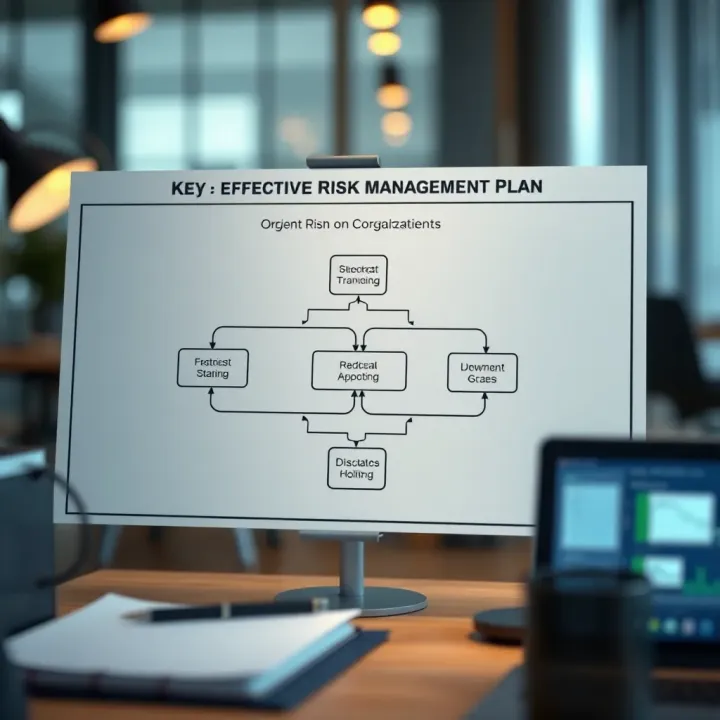
A risk management plan is a document that outlines how an organisation identifies potential threats, assesses their impact, and puts effective control measures in place. It helps businesses anticipate challenges—from supply chain disruptions caused by matatu strikes to sudden changes in tax regulation by the Kenya Revenue Authority (KRA).
In Kenya, where local and global factors interact closely, a hands-on approach to managing risks keeps organisations nimble and ready. For example, a small agro-processing company in Nakuru might face risks related to seasonal weather changes, fluctuating raw material prices, and shifting customer demands. Without a clear plan, handling these risks can become overwhelming, resulting in financial losses or stalled growth.
A well-drafted risk management plan turns uncertainties into manageable actions, giving your organisation a clearer path ahead.
To get you started, here are key points to consider when setting up a risk management plan:
Identify Risks Early: Look at financial, operational, environmental, and regulatory risks specific to your sector and location.
Evaluate Impact and Likelihood: Use tools like risk matrices to prioritise which risks need urgent attention and which are less critical.
Develop Response Strategies: Decide whether to avoid, mitigate, transfer (e.g., insurance), or accept the risk.
Monitoring and Review: Keep the plan updated regularly as new risks emerge and existing risks evolve.
For Kenyan organisations, practical steps might include engaging with local suppliers to reduce dependency risks or using M-Pesa business solutions to secure payments and reduce exposure.
Understanding risk management this way sets a foundation that helps your organisation weather storms and seize opportunities with confidence.
A solid grasp of risk management plans equips organisations to handle uncertainties before they snowball into bigger problems. For traders, investors, and finance analysts in Kenya, this understanding helps protect investments and ensures smoother operations despite market swings or regulatory changes. In simple terms, knowing what a risk management plan involves clarifies how to spot threats and respond effectively, reducing surprises that could hurt business stability.
A risk management plan is a formal document outlining how an organisation identifies, assesses, and manages risks that could affect its goals. It serves as a roadmap for recognising potential pitfalls and deciding on actions to minimise their impact. For instance, a securities brokerage might include procedures for monitoring client compliance with Central Depository and Settlement Corporation (CDSC) rules to prevent regulatory fines.
The plan covers various risk categories relevant to the Kenyan business environment. These include financial risks such as currency fluctuation affecting import-export businesses; operational risks like system breakdowns in online trading platforms; compliance risks from changing Capital Markets Authority (CMA) regulations; and reputational risks when bad public relations harm brand value. Practical awareness of these helps businesses prepare for real scenarios rather than just theoretical ones.
Assets go beyond physical properties to include intellectual capital, brand reputation, and customer trust. For example, a Nairobi-based investment firm that fails to secure client data risks losing credibility and clients to competitors. A well-crafted risk management plan anticipates such threats and proposes safeguards like secure servers and staff training on confidentiality. This protects the firm's market position and avoids costly fallout.
Unexpected disruptions—from power outages during the Nairobi long rains to economic shocks—can stall operations. Risk management helps put in place backup systems, emergency procedures, and alternative suppliers. In practice, a bank might have disaster recovery plans including generator backups and data cloud storage to ensure service continuity during a blackout. Without this preparation, businesses can face long downtime, lost revenue, or even closure.
Understanding these fundamentals helps organisations transform vague concerns into clear, manageable tasks. A practical risk management plan becomes a tool that guides consistent decision-making and builds resilience, crucial for Kenyan traders, investors, and finance professionals operating in dynamic markets.
Identifying and assessing risks is a foundational step in effective risk management. Without a clear grasp of potential threats, organisations leave themselves open to surprises that can disrupt operations or cause financial damage. For traders, investors, and finance analysts, this process ensures informed decisions based on a realistic view of uncertainties affecting assets or portfolios.

Gathering diverse perspectives through brainstorming sessions is one of the most practical ways to spot risks early. Including stakeholders such as department heads, frontline staff, and even customers helps surface risks that might not be visible from a single viewpoint. For example, a Nairobi-based financial firm might discover risks related to mobile money fraud or fluctuating exchange rates by asking their customer service and compliance teams about challenges they've noticed recently.
The benefit here is that brainstorming is dynamic and inclusive. When stakeholders feel their views matter, they are more likely to actively participate in ongoing risk management. In contrast, relying solely on top management’s view might miss operational-level risks that can escalate quickly.
Organisations often have historical data on incidents that caused losses or near misses. Reviewing these reports provides factual insight into risks that have materialised before. Checklists, on the other hand, serve as structured guides to ensure common risks are not overlooked. For a Kenyan SME involved in supply chain operations, such checklists might cover risks like delays caused by matatu strikes, import duties changes, or currency fluctuations.
This approach complements brainstorming by grounding discussions in real events and verified data. It also helps organisations spot patterns over time, allowing for better predictive risk planning rather than reactive responses.
A risk assessment matrix is a simple tool that matches the likelihood of a risk occurring against its potential impact. Risks that are both highly likely and impactful get priority attention. For instance, a small Nairobi stockbroker might rank the risk of technology failure as high impact and medium likelihood, while the risk of a political event disrupting markets might be high impact but low likelihood.
Using this matrix helps teams focus limited resources on risks that could cause the most damage, rather than spreading themselves thin. It's a visual and practical way to communicate risk priorities within the organisation.
Evaluating risks can take two main forms: qualitative and quantitative. Qualitative analysis relies on descriptive measures, such as expert judgement or categorising risks as low, medium, or high. This suits scenarios where precise data is scarce. For example, an investor may qualitatively assess reputational risks tied to a company’s environmental record.
Quantitative analysis uses numbers to measure risk, often employing statistics or financial models. Calculating the Value at Risk (VaR) on a stock portfolio or the expected loss from credit defaults are common examples. While Kenyan firms may face challenges in data availability, they can use simple statistical tools or partner with analysts to get these insights.
Blending both analyses offers a fuller picture. Qualitative insights provide context and nuance, while quantitative data delivers measurable estimates. This allows organisations to prepare better and make confident decisions that align with their risk appetite.
Identifying and assessing risks isn’t just about listing threats – it’s about understanding which ones matter most and preparing smartly.
By using a mix of brainstorming, data review, and evaluation tools, organisations – from jua kali businesses to large investors – can build a practical and focused risk management approach suited to their environment and goals.
A well-crafted risk management plan relies heavily on its core elements. These elements provide the backbone for identifying, analysing, and handling risks effectively within an organisation. For traders, investors, or finance analysts, understanding these aspects isn't just about ticking boxes—it directly influences daily operations and long-term decision making.
Clarifying what the plan covers is the first step in effective risk management. Organisations must define which areas or projects the plan addresses—be it a specific investment portfolio, daily trading activities, or broader business operations. Without this clarity, resources may be wasted on irrelevant risks while critical vulnerabilities remain unchecked. For example, a financial firm in Nairobi might focus its plan on currency fluctuation and political risks that affect East African markets but exclude unrelated aspects like manufacturing risks.
Aligning with organisational goals ensures that risk efforts support the organisation's mission and targets. A risk plan for a growing SME specialising in tech solutions should prioritise cybersecurity and intellectual property protection, aligning closely with growth objectives. This alignment creates a risk-aware culture where mitigation activities push the organisation towards its aims, rather than distract from them.
Risk mitigation strategies fall under four categories: avoidance, reduction, transfer, and acceptance. Avoidance involves steering clear of activities that pose high risks—say, avoiding investments in unstable political environments. Reduction means implementing measures to lessen risk impact, such as enhanced security protocols in digital trading platforms. Transfer might include buying insurance or outsourcing certain risky operations. Acceptance applies when the cost of mitigation outweighs potential losses, making it reasonable to manage the risk if it arises.
In the Kenyan context, common controls include adhering to KRA regulations to avoid tax penalties (risk avoidance), using mobile money platforms like M-Pesa with two-factor authentication to reduce fraud (risk reduction), insurance coverage against fire or theft in retail businesses (risk transfer), and accepting currency fluctuation risks when trading in forex markets unless hedged (risk acceptance).
Who manages risks? Designating clear roles is vital. While top management sets the tone and approves policies, risk officers and department heads are typically responsible for identifying and managing specific risks. For a stockbroker, for instance, the compliance officer must oversee legal risks, while the IT department handles cybersecurity risks.
Coordination and communication mechanisms ensure everyone stays informed and responsive. Regular risk reporting via team meetings or dashboards helps track progress, while clear channels—say, WhatsApp groups or intranet portals—facilitate quick alerts on emerging risks. Coordination also avoids duplication of efforts and ensures risks are not ignored across different units.
A risk management plan without specific roles and communication is like a football team without a captain or strategy—confused and likely to concede avoidable goals.
By focusing on these key elements, organisations, especially those in the Kenyan business landscape, can manage risks more practically and confidently, safeguarding their operations and growth prospects.
Implementing and monitoring a risk management plan are vital stages that ensure the strategies designed to handle risks are put into action and remain effective over time. Without proper execution, even the best-laid plans remain paper promises. Monitoring safeguards the organisation by catching emerging risks early and verifying that mitigation measures perform as expected. For instance, a Nairobi-based trading company that adopted quarterly risk reviews managed to identify new regulatory changes affecting import duties before suffering financial losses.
Training and awareness are essential to embed a risk-conscious culture across the organisation. Training equips staff with skills to recognise risks and understand their roles in managing these risks. In a practical Kenyan context, training sessions might include workshops on cybersecurity risks relevant to mobile transactions or handling risks related to supply chain disruptions during the rainy season. Awareness campaigns encourage employees to be proactive, such as reporting suspicious activities or process weaknesses early.
Establishing reporting procedures creates a reliable channel for communicating risk information. Clear reporting lines make it easy for employees to alert management about potential problems promptly. For example, a financial firm in Nairobi could set up an internal hotline or digital platform where staff confidentially report irregular transactions that might indicate fraud. Regular reports also ensure that decision-makers receive timely data to adjust their strategies effectively.
Tracking new risks is about staying alert to changes in the business environment. Risks evolve with technology, market shifts, and political developments. Kenyan small and medium enterprises (SMEs), for example, should routinely scan for threats like new government taxes or disruptions caused by transport strikes affecting delivery schedules. Regular reviews help flag such risks before they escalate.
Adjusting strategies after incidents ensures lessons learned are put to good use. When incidents occur, analysing what went wrong allows organisations to refine their controls and prevent recurrence. Suppose a logistics company suffered losses after a delay caused by a poorly planned route; revising route planning protocols and engaging better GPS tracking can reduce such risks in future operations. This continuous improvement loop strengthens the organisation's overall resilience.
Regular implementation and monitoring turn a risk management plan from a document into a living tool that protects and prepares the organisation for uncertainty.
Train staff on recognising and managing risks to build a vigilant workforce.
Set clear, easy-to-use reporting systems for risk information flow.
Keep scanning for new risks emerging from changing conditions.
Learn from incidents to improve mitigation strategies continuously.
Using these approaches ensures your risk management plan remains relevant and useful in Kenya’s dynamic business environment.
Effective risk management isn’t just about avoiding problems; it’s a tool that improves how organisations make daily and strategic decisions. By embedding risk considerations into everyday processes, businesses can identify potential threats early and weigh them against possible benefits. This approach helps decision-makers in Kenyan companies and organisations avoid costly surprises and seize opportunities that align with their risk appetite.
Kenyan firms have increasingly adopted risk management as part of their routine operations. For example, a Nairobi-based retailer might integrate risks like supply chain disruptions or currency fluctuations into their purchasing decisions. This prevents stockouts or unexpected costs that could hurt profits. Similarly, an agro-processing company in Eldoret would factor in weather risks and pest infestations when scheduling production, ensuring better resource use and fewer losses.
Such integration ensures that risk isn't a sidebar but a constant aspect of operational planning. It encourages teams to keep an eye on their environment while balancing ongoing business activities.
Balancing risk and opportunity is a constant juggle. Organisations must assess how much risk they can handle when pursuing new ventures or investments. For instance, a fintech startup might assess risks in adopting new technology against the opportunity to reach more customers. Careful evaluation helps them avoid overextending themselves while remaining competitive. At the same time, banks in Kenya might reject or accept certain credit risks based on their appetite and market conditions, balancing security with growth.
This delicate balance means organisations avoid being overly cautious or recklessly bold. Instead, risk management guides them in making smarter choices.
Building trust and meeting compliance standards go hand in hand. When organisations actively manage risks, they show stakeholders—such as investors, regulators, and customers—that they take their responsibilities seriously. For example, companies on the Nairobi Securities Exchange (NSE) that maintain clear risk policies tend to build stronger investor confidence. Regulators also reward compliant firms with smoother licensing and approvals.
Customers notice this too. A bank that safeguards customer data and handles risks around online transactions well builds a loyal client base. This trust becomes a competitive edge.
Enhancing resilience means preparing organisations to absorb shocks and recover quickly after disruptions. Businesses that update risk management plans regularly are better equipped to withstand events like power outages, economic shifts, or political unrest common in some Kenyan counties. For example, manufacturing firms in Mombasa that have contingency plans for port strikes avoid severe losses, keeping operations running while others stumble.
Ultimately, resilience supported by risk management reduces downtime and safeguards livelihoods.
Incorporating risk into decision-making isn’t a one-off exercise. It’s an ongoing practice that helps businesses stay nimble and build trust, which is critical in Kenya’s dynamic economic environment.
📊 Understand risk management basics and methods that Kenyan businesses can apply to stay resilient, make smarter decisions, and secure growth.
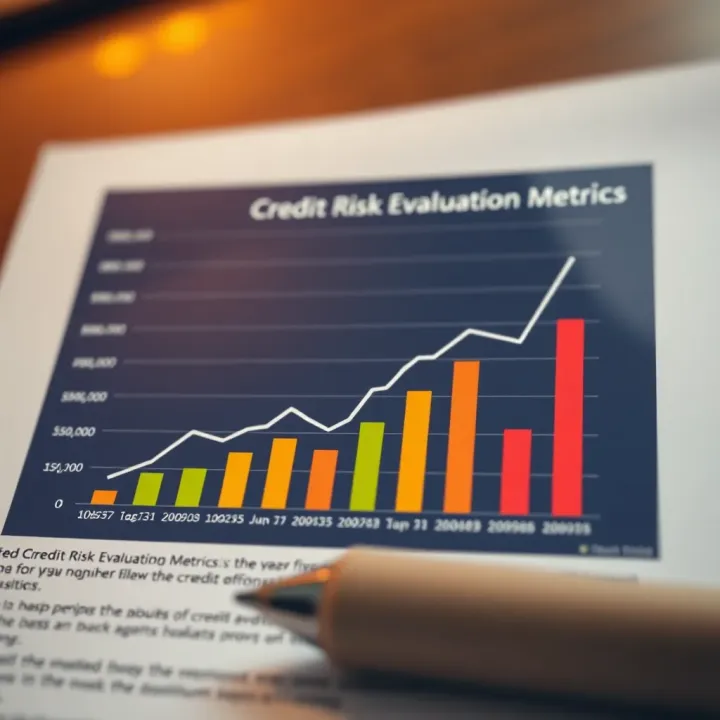
Explore how Kenyan banks manage credit risk with practical steps, tools, and regulations to protect their lending and improve financial stability 📊🏦

Explore how risk management helps Kenyan businesses protect assets, boost financial stability, ensure compliance, and build a strong reputation 📊💼🇰🇪

📉 Master forex risk management for Kenyan traders! Learn key strategies to protect capital, control losses, and trade confidently in volatile markets.
Based on 6 reviews