
Forex Trading Basics for Kenyan Traders
Learn forex trading in Kenya 🌍 with a practical guide covering market basics, key terms, strategies, risk management, and local regulations to trade confidently.
Edited By
Henry Collins
Forex trading, or foreign exchange trading, involves buying and selling currencies on the global market. For many Kenyans, it's become an accessible way to engage with international finance, thanks to platforms that support local payment options like M-Pesa. Unlike stocks or bonds, forex trading occurs 24 hours on weekdays, offering flexibility for traders who might be juggling work or studies.
The forex market’s core lies in currency pairs – for example, USD/KES (US dollar against Kenyan shilling), EUR/USD (Euro against US dollar), or GBP/USD (British pound against US dollar). Understanding these pairs is key because when you trade forex, you are simultaneously buying one currency and selling another.
Remember: Forex trading carries risk, especially with leverage involved. It’s essential to grasp the basics and manage your risks carefully before committing your funds.
Accessibility: With an internet connection and a smartphone, you can start trading from Nairobi or even a shamba in Kisumu.
Local Payment Options: Platforms that integrate M-Pesa simplify deposits and withdrawals, avoiding cumbersome bank transfers.
Diverse Trading Hours: Since the market operates globally, you can trade during your free time without the restrictions of a local stock exchange.
USD/KES – Because the US dollar has a significant influence on Kenyan imports and exports.
EUR/USD – One of the most liquid pairs globally.
GBP/USD – Important for Kenyans with ties to the UK.
USD/JPY – Popular among traders interested in Asian markets.
Pip: The smallest price move a currency pair can make. For most pairs, one pip equals 0.0001.
Leverage: Allows you to control a large position with a smaller amount of money, but increases risk.
Spread: The difference between the buying and selling price.
Lot: Size of the trade; standard lots equal 100,000 units of the base currency.
This guide will walk you through how to build confidence with these terms and concepts, spot trading opportunities, and choose reputable local forex platforms. Starting right will save you from common pitfalls and help you build on small wins.
Understanding the forex market is fundamental for anyone wishing to trade currencies, especially if you are based in Kenya. This knowledge equips you to make informed decisions, anticipate market moves, and manage risks effectively. Forex trading isn’t about guesswork; it’s about understanding how currencies behave and interact because of global and local factors.
Forex trading involves buying one currency while simultaneously selling another, with the aim of making a profit from the changing exchange rates. It’s the world’s largest financial market, and unlike stock trading, it operates 24 hours a day across different time zones. For example, when you buy US dollars with Kenyan shillings, you are engaging in forex trading.
This matters for Kenyan traders because fluctuations in currencies like the US dollar or euro directly affect import prices, travel costs, and remittances. Understanding forex trading allows you to spot opportunities and hedge against currency risks in these everyday transactions.
Currencies are traded in pairs, like USD/KES (US dollar to Kenyan shilling) or EUR/USD (euro to US dollar). The first currency in the pair is called the base currency, and the second is the quote currency. The price tells you how much of the quote currency you need to buy one unit of the base currency.
For example, if USD/KES is quoted at 110, it means one US dollar costs 110 Kenyan shillings. When you expect the shilling to weaken against the dollar, you might buy USD/KES, aiming to profit when the exchange rate rises to, say, 115.
The forex market runs weekdays, from Monday to Friday, across global financial centres in London, New York, Tokyo, and Sydney. For Kenyan traders, peak activity periods usually fall between London and New York market hours, corresponding to mid-afternoon to late evening in Nairobi.
Participants include central banks, commercial banks, hedge funds, multinational companies, and retail traders. For instance, the Central Bank of Kenya may intervene to stabilise the shilling, while exporters hedge against currency fluctuations. Knowing who moves the market helps you judge volatility and liquidity at different times.
The Kenyan shilling (KES) is the local currency, but many trade transactions, import payments, and international remittances involve major currencies like the US dollar (USD), euro (EUR), British pound (GBP), and Japanese yen (JPY). For Kenyans, fluctuations in these currencies affect the cost of goods, fuel, and school fees.
Therefore, understanding how these major foreign currencies interact with KES is essential. For example, if the dollar strengthens globally, you might pay more when buying imported goods priced in USD.
The most actively traded pair for Kenyan traders is USD/KES since the US dollar is widely used in business and official transactions. Other pairs include EUR/KES and GBP/KES but these have less volume and liquidity.
Trading USD/KES requires paying close attention to local economic news, Central Bank policies, and regional trade developments. For example, a change in KRA taxation or an East African Community (EAC) trade agreement can impact the shilling’s value.
Global happenings like US Federal Reserve interest rate changes, political instability in major economies, or even oil price swings influence forex markets significantly. For Kenya, because the economy is import-reliant, a rise in global oil prices usually pushes the shilling weaker against the dollar.
Additionally, events like Brexit affected the British pound, which in turn impacted GBP/KES rates. Keeping an eye on such international developments helps Kenyan traders anticipate shifts and protect their investments.
Forex trading in Kenya isn’t just about foreign currencies; it’s about understanding how local and global forces interact to influence the shilling’s value and your trading opportunities.
Know the main players and their market hours to trade when liquidity is good.
Follow major pairs like USD/KES closely for the best insights.
Stay informed on international events that can affect currency movements.
Mastering these basics shapes a strong foundation for your forex trading journey in Kenya.
For anyone starting forex trading in Kenya, understanding the core concepts and terms is vital. These basics form the foundation of trading decisions, helping you avoid costly mistakes. Knowing how terms like pip, leverage, and spread work translates into better control over your trades and clearer risk management.
Pip, lot size, leverage, and margin are some of the most frequently used forex terms. A pip is the smallest price change of a currency pair, usually 0.0001, which helps traders measure profit or loss in a trade. Lot size refers to the number of currency units traded; a standard lot is 100,000 units, but beginners often start with mini or micro lots. Leverage means trading with borrowed money — for instance, a 100:1 leverage allows you to control KS00,000 with KS,000 of your own. Margin is the deposit you put up to open a leveraged trade, acting somewhat like a security deposit. To put it plainly, understanding these lets you grasp your real exposure and potential returns before placing any deal.
When it comes to spread and swap, the spread is the difference between the buy (ask) and sell (bid) price quoted by your broker. It’s essentially the cost of entering a trade, so tighter spreads mean lower costs. In Kenya, brokers may offer fixed or variable spreads depending on market conditions. Swaps are overnight fees charged or earned when you hold a position past the trading day, reflecting interest rate differences between currencies. For example, holding a USD/KES long position overnight may result in a small credit or debit, depending on rates set by CBK and the US Federal Reserve.
The bid and ask prices are the actual prices at which you can sell or buy a currency pair. The bid price is what the market will pay for your currency (selling), while the ask price is what you pay to buy it. The difference between these two is the spread. Paying attention to these prices is critical during volatile times or for low-liquid currencies, such as some African franc pairs, where spreads may widen sharply.
Leverage ratios indicate how much you can control with a little capital. A 50:1 ratio means KS,000 can control KS0,000 worth of currency. In Kenya, the Capital Markets Authority (CMA) and brokers regulate maximum leverage to protect traders from excessive risk. Understanding these limits safeguards you from sudden margin calls.
While leverage magnifies gains, it also increases losses. For example, a 1% price drop on a leveraged position can wipe out your entire deposit if you used 100:1 leverage. This double-edged sword means you must use leverage carefully and preferably with a well-structured risk strategy.
Kenyan regulators have set leverage limits, often capping it at 1:100 or less to protect retail traders. This encourages more prudent trading habits and discourages reckless speculation. Always check your broker’s compliance with CMA rules to avoid illegal or unsafe setups.
Remember, leverage is not free money. It’s better to trade smaller amounts and protect your capital than to risk it all chasing big returns.
Understanding these essential terms and concepts will set you on a firmer footing in the forex market, helping you to trade with confidence and make informed choices.
Picking the right forex broker and trading platform is a key step for any Kenyan trader. It affects everything from how smoothly you trade, your security, to how easily you can move money in and out. Given the variety of options available, choosing smartly means you work with a trusted partner that meets your needs while keeping costs fair.
Regulation is the backbone of trust in forex trading. In Kenya, brokers licensed by the Capital Markets Authority (CMA) follow strict rules designed to protect investors. Such brokers must keep client funds separate from their company accounts and regularly submit reports to ensure transparency. Working with a CMA-regulated broker reduces the risk of fraud or sudden account freezes.
Besides the CMA, international licenses from bodies like the FCA (UK) or ASIC (Australia) add extra layers of protection, especially if you plan to trade globally. Always confirm that the broker’s licence is current to avoid falling prey to rogue operators.
Trading costs vary significantly between brokers and affect your profits directly. Common fees include spreads—the difference between a currency pair’s buying and selling price—and commissions per trade. Some brokers advertise zero commissions but have wider spreads, which can bite into your gains, especially when trading frequently.
For example, if you trade the USD/KES pair, a broker charging a 2-pip spread will be more expensive than one offering a 1-pip spread. Kenyan traders should examine these costs carefully and factor them into their trading strategy. Sometimes a small difference in fees can make a big impact over time.
Ease of moving money is crucial. Many Kenyan traders prefer brokers that support M-Pesa and bank transfers. M-Pesa integration means you can fund your forex account and withdraw profits without leaving your phone. This convenience saves time and extra charges that come with international bank transfers.
Also check the withdrawal times and any fees involved. Some brokers may promise zero fees but delay payouts or limit the methods you can use. Choose brokers with clear, reliable deposit and withdrawal policies suitable for Kenyan users.
MetaTrader 4 (MT4) and MetaTrader 5 (MT5) are among the most widely used forex platforms worldwide, including in Kenya. MT4’s popularity comes from its user-friendly interface, advanced charting, and automated trading capabilities through Expert Advisors (EAs). MT5 offers more features like additional timeframes, indicators, and supports trading more asset classes beyond forex.
Both platforms are free to use and usually provided by brokers. They allow traders to perform technical analysis, manage orders, and access real-time market data with ease. Kenyan beginners benefit from their large communities where tutorials and custom tools are readily available.
With most Kenyan traders relying on mobile phones, trading apps are essential. MT4 and MT5 come with official mobile apps that let you trade anytime, anywhere. These apps support full order management, charts, and account monitoring, so you don't miss out while on the move.
Besides MetaTrader, some brokers offer proprietary mobile apps that integrate local features more tightly. When trying a broker, check their app’s performance on your smartphone model, data usage, and whether it supports offline alerts or news.
Payment methods that work smoothly in Kenya make trading more accessible. Brokers integrating M-Pesa allow instant deposits and withdrawals directly from your mobile money account, avoiding international transfer delays and charges.
Some brokers also accept bank transfers from Kenyan banks like KCB, Equity, or Co-operative Bank and mobile wallets like Airtel Money. This local support means you can handle your trading funds in a way familiar and convenient to you. Always verify how quickly the broker processes payments to keep your trading plan on track.
Choosing a broker and platform with proper regulation, transparent fees, and local payment support can make your forex trading experience safer and more efficient in Kenya. Take your time to compare options before committing your money.
Good strategies and practical techniques form the backbone of consistent profits in forex trading. Without a clear plan, it’s easy to get swayed by market noise or emotions. For Kenyan traders, understanding these approaches helps you navigate the volatility of currency markets, especially when trading pairs involving the Kenyan Shilling.
Technical analysis basics
Technical analysis involves studying past price movements to forecast future trends. It relies on charts and indicators like moving averages, Relative Strength Index (RSI), and support/resistance levels. For example, you might notice that USD/KES tends to bounce off a specific price zone several times. Knowing this helps you decide when to buy or sell. This approach suits short to medium-term traders common in Nairobi, who track charts daily or hourly.
Fundamental analysis explained
Fundamental analysis looks at economic and political factors that influence currency values. For the Kenyan Shilling, this includes domestic events such as Central Bank of Kenya policy changes, inflation rates, or happenings like drought that affect exports. Globally, events like US Federal Reserve decisions or oil price shifts matter, too. A trader using fundamental analysis might choose to enter a trade based on Kenya’s GDP growth report or new trade agreements within the East African Community (EAC).
Combining both approaches
Many successful traders blend technical and fundamental analysis for better accuracy. For instance, a trader might spot a strong support level on the chart for EUR/KES (technical) but also check upcoming Eurozone economic releases (fundamental) before opening a trade. Combining both reduces guesswork, making decisions more balanced and less risky. This mix is especially useful in Kenya where market-moving news can cause sudden price swings.
Risk-to-reward ratio
This ratio compares how much you stand to lose versus gain in a trade. Keeping a risk-to-reward ratio of at least 1:2 means you are ready to risk KSh 500 to potentially make KSh 1,000. This helps you stay profitable even if only half your trades win. Kenyan beginners often overlook this, but it’s vital to protect your capital and improve overall returns.
Entry and exit points
Planning your exact entry and exit points before the trade is key. For example, if you’re buying GBP/KES at 145.50, you might set to exit at 147.00 and enter slightly above a support level. This discipline avoids chasing prices and ensures you don’t get stuck holding a losing trade. Clear exits also prevent emotional mistakes common in trading.
Stop-loss and take-profit orders
These are automatic orders to close trades at certain levels, limiting losses or locking in profits. A stop-loss on USD/KES might be set 50 pips below your entry, ensuring you don’t lose more than planned. The take-profit order exits the trade once your target price is reached. Using these orders is practical in Kenya due to market volatility and prevents major losses if the market suddenly reverses.
Successful forex trading depends heavily on well-structured strategies and sound trade plans. Without these, you risk exposing your capital to unnecessary chances.
By mastering these techniques, Kenyan traders can trade confidently and improve their chances of making steady profits in the forex market.
Managing risks is at the heart of successful forex trading. Without it, even the best strategies can lead to heavy losses. Kenyan traders need to grasp how protecting their capital preserves their chance to stay in the market and grow their portfolio gradually. Avoiding common pitfalls sharpens trading skills and improves decision-making, especially for beginners who might rush or guess based on emotions.
Good risk management starts with understanding that every trade carries the possibility of loss. Setting a limit on how much you are ready to lose on any single trade helps avoid wiping out a significant portion of your account. For example, many professional traders risk no more than 1–2% of their capital per trade. This cautious approach means you can survive several losing trades without running dry.
Stop-loss orders are a simple but effective tool to protect your capital. By placing orders that automatically close your position when the price hits a certain level, you avoid the risk of huge losses when the market moves against you. Suppose you buy USD/KES at 110.00; setting a stop-loss at 109.50 ensures you limit losses to 50 pips if the market drops suddenly. This discipline helps control losses without constant monitoring.
Limiting leverage is also key for safeguarding your funds. Leverage allows trading with borrowed money, amplifying both profits and losses. However, overleveraging is a common cause of quick losses, especially when the market moves sharply. Regulators like Kenya's Capital Markets Authority (CMA) set leverage limits to protect traders. Sticking to lower leverage ratios, such as 1:10 or 1:20 rather than the maximum offered, lets you manage risk better and avoid margin calls that force you out of trades unexpectedly.
One main trap new traders fall into is overtrading. This happens when you enter too many trades without solid strategies, often driven by the urge to compensate for losses quickly or to catch every price move. Emotional trading can cloud judgment, leading to rushed decisions that ignore market signals or risk management rules.
Neglecting market research is another mistake that hurts beginners. Forex moves based on economic news, central bank policies, or geopolitical events—factors you must keep track of. Without proper research, you might enter trades at the worst times, like just before a surprise policy announcement that swings the market. Consistent study and staying updated with trusted sources help you avoid costly blind spots.
Lastly, falling for scams remains a real risk in Kenya's growing forex scene. Fraudsters often promise guaranteed profits or insider information to lure traders. Genuine brokers will be regulated by CMA and have transparent terms. Always verify your broker’s credentials, avoid platforms that demand large upfront payments without proof of legitimacy, and beware of unrealistic claims. Protecting yourself from scams ensures your funds don’t disappear before you get a chance to build your trading skills.
Effective risk management and vigilance against common mistakes can make the difference between sustainable trading and quick losses. By protecting your capital deliberately, researching markets, and choosing trustworthy brokers, you build a solid foundation for your forex journey.
Starting forex trading in Kenya involves clear steps that ensure safety, legality, and effectiveness. This section guides you through opening an account with the right broker, handling verification, funding your account, and practising with demo platforms. These are practical steps that help you build confidence before risking real money.
In Kenya, it is crucial to pick a forex broker regulated by the Capital Markets Authority (CMA). A CMA-approved broker follows set rules that protect your funds and ensure transparent trading. For example, brokers like FXPesa and Exinity Kenya are officially licensed, and using them reduces the risk of fraud or losing your money to unregulated entities. It means the broker must keep your funds separate from their own, so in case of any trouble, your money remains safe.
Verification is a necessary step in compliance with Kenyan law and anti-money laundering policies. When opening an account, brokers require your Kenya Revenue Authority (KRA) Personal Identification Number (PIN) and a valid ID such as a national ID or passport. This process confirms your identity and tax status. It also helps brokers report your earnings to KRA, which is crucial for lawful trading and taxation.
Funding your forex account in Kenya is generally straightforward, thanks to popular payment methods like M-Pesa and bank transfers. Many brokers now integrate M-Pesa directly on their platforms, allowing you to deposit from KSh 1,000 or more quickly. Some brokers support payment via Paybill or Till numbers, which is convenient for many traders. This accessibility makes it easier to start trading without needing a foreign bank account or expensive international transfers.
Using a demo account before live trading gives you a risk-free chance to understand the market. With virtual funds, you can test strategies and learn how to use the trading platform without losing real money. This step is vital because forex trading involves fast decisions, and beginners often make mistakes that a demo helps avoid.
To get the most out of a demo account, treat it as if it were real money. Set trading targets and practise using order types like stop-loss and take-profit. Also, simulate live trading conditions by following current market news and adjusting your trades accordingly. For instance, if the USD/KSh pair reacts to recent Central Bank announcements, try factoring that into your decisions on the demo. This practice sharpens your skills and develops discipline.
Moving from a demo to a live account requires mental readiness and responsible bankroll management. Start by trading small amounts you can afford to lose and follow your tested strategies strictly. Avoid jumping into high leverage trades immediately; instead, grow your exposure gradually as you gain confidence. Remember, psychology plays a big role, so controlling emotions during live trading differs significantly from a demo environment.
Starting forex trading in Kenya is straightforward with the right broker and proper preparation. Following these steps builds a solid foundation, making your dive into live trading safer and smarter.
Learn forex trading in Kenya 🌍 with a practical guide covering market basics, key terms, strategies, risk management, and local regulations to trade confidently.
📈 Explore forex trading basics, strategies, risk tips, and local insights tailored for Kenyan traders seeking smart, practical guidance in the forex market.
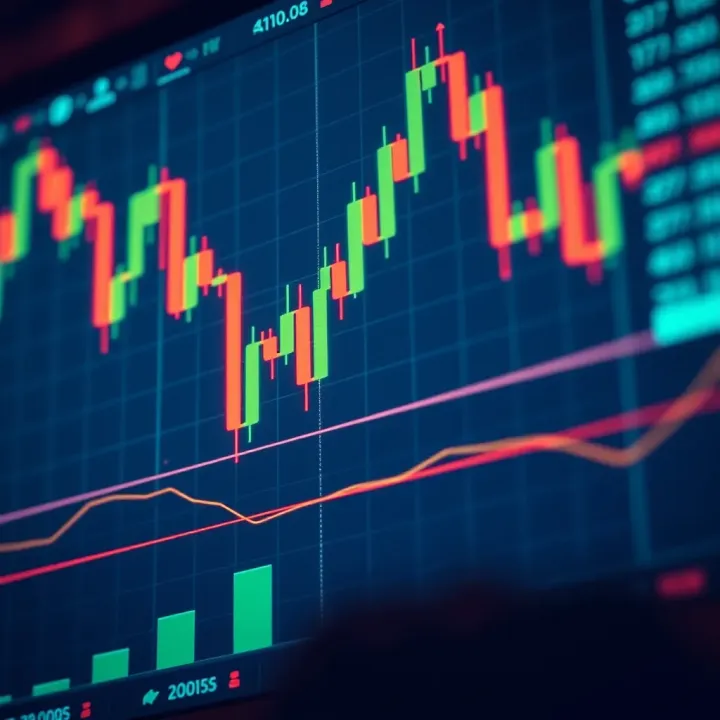
📊 Master forex trading charts with this practical guide! Learn to read charts, use indicators, spot patterns, and make smarter currency trades today.

📈Explore forex trading classes in Kenya! Learn who benefits, what topics to expect, and how to pick the right course to grow your trading skills safely.
Based on 15 reviews