
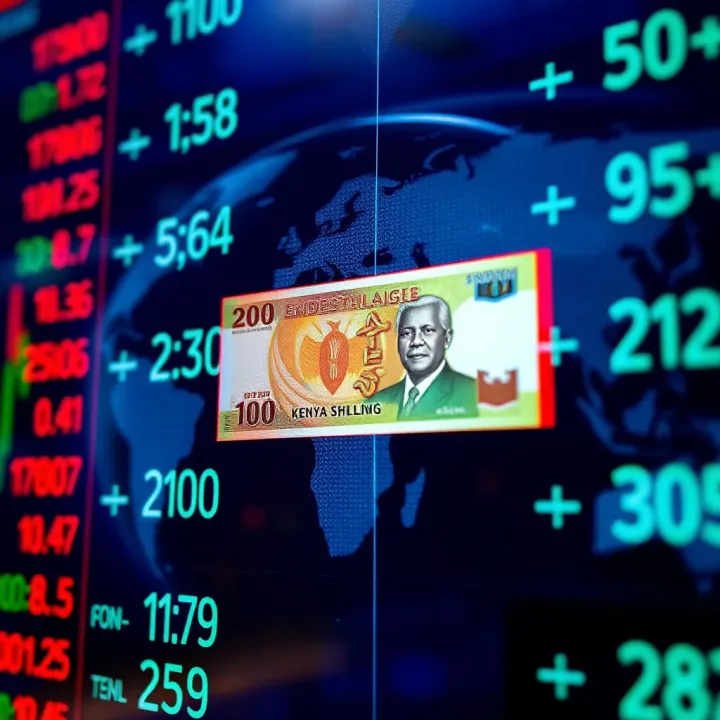
Forex Trading Basics for Kenyan Traders
Learn forex trading in Kenya 🌍 with a practical guide covering market basics, key terms, strategies, risk management, and local regulations to trade confidently.
Edited By
Liam Turner
Forex trading refers to the buying and selling of currencies with the goal of profiting from fluctuations in their exchange rates. In Kenya, more investors are looking towards forex as an alternative asset class, partly because it operates 24 hours and offers opportunities beyond traditional stock markets.
The foreign exchange market is the largest worldwide, with daily trading volumes exceeding $6 trillion. Unlike stocks traded on the Nairobi Securities Exchange (NSE), forex transactions happen over-the-counter, meaning they occur directly between parties, including banks, brokers, and retail traders.
Central Banks: For example, the Central Bank of Kenya (CBK) monitors the shilling’s value and may intervene to stabilise fluctuations.
Commercial Banks: These handle most forex trading for corporations and individuals.
Forex Brokers: Firms that provide platforms for retail traders to participate.
Retail Traders: Individual investors such as you and me, who trade with smaller amounts.
Thanks to platforms like Luno, local banks offering forex services, and accessible online brokers, more Kenyans can trade currencies from the comfort of their homes. The appeal comes from the potential for daily profits, thanks to high leverage and continuous market hours.
However, this potential comes with risks. Exchange rates are influenced by global events, political changes, and economic statistics. For instance, a sudden policy shift by CBK or changes in US dollar interest rates can cause rapid price swings.
Trading forex isn’t a shortcut to wealth. It demands solid knowledge, discipline, and risk management to avoid heavy losses.
This guide will break down essential forex concepts such as leverage, spread, and margin. We'll also discuss market timings relevant to Kenyan traders and practical steps on how to start trading safely and legally.
Taking time to understand these basics will help you make informed decisions and avoid common pitfalls in forex trading.
Forex trading involves buying one currency while simultaneously selling another, taking advantage of the differences in exchange rates. It’s the largest financial market worldwide, with daily trading volumes exceeding $6 trillion. For Kenyan investors, understanding this trading system is essential, especially given the shilling’s constant interaction with global currencies like the US dollar and euro.
In simple terms, forex trading is the exchange of one currency for another at an agreed price. The scope goes beyond just currency exchange for travel or business; it includes speculation, hedging, and investment. For instance, a Kenyan exporter might use forex trading to protect themselves against the shilling weakening against the dollar, which affects their payment receipts.
Trading happens 24 hours a day across global financial centres – from London to Tokyo to New York – giving traders flexibility beyond traditional stock markets. This continuous operation means Kenyan traders can engage at convenient times, depending on their routine or when the market shows interesting movements.
Currencies are always traded in pairs, for example, USD/KES (US dollar against Kenyan shilling) or EUR/USD (euro against US dollar). The first currency in the pair is the base, and the second is the quote. When you buy USD/KES, you are buying dollars while selling shillings. If the dollar strengthens against the shilling, you profit from this movement.
Traders watch these pairs closely because the value of one currency affects the other. For example, if Kenya’s economy weakens due to low tea exports, the shilling may lose value against the dollar, impacting USD/KES rates.
Exchange rates are essentially the price of one currency in terms of another. These rates fluctuate constantly due to supply and demand influenced by factors such as interest rates, economic performance, and political events.
For example, if the Central Bank of Kenya raises interest rates, it might attract foreign investors seeking better returns, causing the shilling to strengthen. Traders profit by anticipating such moves correctly. However, rates can be volatile; sudden events like elections or shifts in oil prices can send exchange rates swinging.
Understanding exchange rates and how currency pairs move can help Kenyan traders make informed decisions, manage risk, and seize opportunities in foreign exchange markets.
Knowing how forex trading works equips investors to navigate risks and spot openings that could generate real gains, especially when trading USD/KES or other pairs commonly followed in Kenya.
In the next sections, we'll look into who the main players in forex are and how you, as a Kenyan investor, can participate effectively.
Understanding who takes part in forex trading helps clarify how the market functions and where opportunities or risks might arise. The forex market is vast, involving players with differing motives and strategies, from large banks to individual traders in Kenya. Each participant's actions influence currency flows and price movements, shaping the environment you trade in.
Banks and large financial institutions dominate the forex market, handling the biggest volumes of currency trade daily. For example, international banks like Barclays or Standard Chartered engage in forex trading to support clients’ currency needs, hedge risks, or speculate for profit. Their sheer scale means their trading decisions can sway exchange rates overnight. For Kenyan investors, realising this influence is vital because these institutions set the market tone and liquidity conditions that smaller traders react to.
Central banks, like the Central Bank of Kenya (CBK), and governments intervene in forex markets to stabilize their currencies or influence economic conditions. They might buy or sell foreign currencies to control inflation or support exports. For instance, if the CBK intervenes to defend the Kenyan shilling against excessive weakening, traders must anticipate this move as it can temporarily shift price trends. Paying attention to such actions offers traders clues about currency direction beyond usual market forces.

Retail traders, including individuals and small businesses, have grown in numbers thanks to widespread internet access and platforms like MetaTrader. These traders typically use brokers licensed and regulated in Kenya or abroad to access the forex market. Brokers like HotForex Kenya or FXPesa provide tools tailored for local investors, such as M-Pesa integration for account funding. While retail traders don’t move the market alone, their collective activity adds to market liquidity and volatility—presenting both challenges and chances for profit.
Kenyan investors join the forex market primarily through retail trading platforms, leveraging accessible technology and mobile money options like M-Pesa for deposits and withdrawals. This accessibility has led to a growing community of forex traders, many aiming to supplement income or diversify investments. Additionally, Kenyan financial institutions also participate to manage currency exposures faced by exporters and importers, linking local economic activities with global currency movements.
Local market sentiment, influenced by events such as election cycles or CBK monetary policy announcements, heavily impacts forex activity involving the Kenyan shilling (KES). Traders who keep up with local news and regulatory updates find themselves better positioned to react promptly. Furthermore, regional trade agreements within the East African Community (EAC) can affect currency flows among member states, adding another layer Kenyan traders need to consider.
Identifying the key market players and understanding their motivations can help Kenyan investors navigate the forex market more confidently, recognising when to trade, hold, or exit positions based on informed observations rather than guesswork.
Understanding key concepts in forex trading is essential for anyone serious about stepping into this market, especially in Kenya where the dynamics can differ slightly due to local and regional factors. These concepts, such as leverage, margin, bid, ask, spread, and the factors influencing currency prices, help traders make informed decisions and manage risks well. By grasping these basics, you avoid common pitfalls and can tailor your approach to suit your trading style and financial goals.
Leverage allows you to control a large position with a relatively small amount of your own money, known as margin. For example, if a broker offers a leverage of 1:100, you can trade KSh 100,000 worth of currency by putting down just KSh 1,000 as margin. While this can boost potential profits, it also increases risks — losses can multiply quickly, wiping out your account if you are not careful.
Margin is simply the security deposit you keep with your broker to maintain an open position. If market moves against you, and your losses approach the margin value, the broker will issue a margin call, asking you to top up your account or close positions. This system helps regulate risk but demands discipline — knowing your leverage limits and margin requirements keeps you in the game longer and prevents unexpected losses.
In forex trading, the bid price is what buyers are willing to pay for a currency, while the ask price is what sellers offer it for. The difference between these two is the spread, which in practice represents a trading cost. For example, the USD/KES pair might have a bid of 113.50 and an ask of 113.55, making the spread 0.05 KSh.
Spreads can vary by broker and currency pairs. Narrow spreads typically indicate a more liquid market, like USD/EUR, while exotic pairs or less traded currencies may have wider spreads. Keeping an eye on spreads is crucial because high transaction costs can eat into your profits, especially for day traders who enter and exit many positions daily.
Economic data like inflation rates, unemployment figures, and gross domestic product (GDP) growth heavily influence currency prices. For instance, when Kenya's Central Bank adjusts the benchmark interest rate, it impacts the Kenyan shilling's strength. Higher interest rates often attract foreign investors seeking better returns, appreciating the currency. Traders monitor releases of such data closely since unexpected changes can cause swift price swings.
Politics deeply affect forex markets. Elections, policy shifts, or political unrest in Kenya or key trading partners like the US or China can cause sharp currency movements. For example, a disputed election might result in uncertainty, weakening the Kenyan shilling as investors hesitate. Conversely, stable governance and positive reforms can build confidence, attracting investment.
Beyond hard data, the mood or sentiment of traders shapes currency movements. If traders expect a currency to strengthen, they buy it, causing its price to rise—sometimes regardless of economic facts. For example, positive news about Kenya’s export performance might boost market sentiment, pulling in more demand for the shilling. This behavioural aspect can create trends and cycles that traders watch closely.
Knowing these key forex concepts helps traders navigate the market smarter. Without this grounding, even the best strategies can falter under unexpected conditions. Whether considering leverage or watching political developments, understanding these basics is your toolkit for wiser trading decisions in Kenya’s forex scene.
When thinking about forex trading, it's important to see both sides—the possible profits and the risks involved. Understanding this balance helps you trade smartly, especially in the Kenyan context where the market has unique challenges and opportunities.
The forex market is known for its price swings, sometimes quite sudden and sharp. These changes in currency values can create chances for traders to make profits quickly. For example, if the Kenyan shilling weakens against the US dollar because of a drop in coffee exports, a trader who predicted this movement and took the right position could benefit.
In Kenya, where global economic changes like oil price fluctuations or political events can affect the shilling, this volatility offers practical openings for profit. But note, success depends on timing and careful market reading.
Forex trading doesn't limit you to local currencies or markets. You can trade pairs like EUR/USD or USD/JPY from your Nairobi home, giving access to some of the world's biggest economies. This access is especially useful for Kenyan investors seeking diversification beyond East African or Kenyan assets.
Global exposure spreads risk and offers more opportunities. For example, when Kenya faces economic uncertainty, a well-diversified forex portfolio can help balance losses with gains from other regions.
Leverage lets you control larger amounts than your deposit, making it tempting to amplify gains. However, it also increases the potential losses proportionally. For example, with 1:100 leverage, a 1% drop in currency value could wipe out your entire investment.
In Kenya, brokers offer varying leverage ratios but it's wise to avoid overusing them. Using too much leverage without solid risk management is like playing with fire — you could lose more than your initial stake, which many new traders don’t anticipate.
While volatility opens opportunities, it also brings unpredictability. Economic news, political unrest, or central bank decisions can cause rapid price swings that work against your trades. For instance, sudden changes in Kenya’s political landscape before elections often affect the shilling unpredictably.
This unpredictability means traders must stay alert and ready to adapt strategies, instead of hoping for steady trends. Without proper risk controls, unexpected moves can lead to heavy losses.
Managing these risks through education, cautious leverage use, and having clear exit plans is key for anyone wanting to trade forex successfully in Kenya.
In summary, forex trading offers real chances to grow your money by tapping into global currency movements, but the risks require respect and preparation. A careful approach boosts your odds of turning market swings into real benefits, avoiding costly mistakes common among beginners.
Starting forex trading in Kenya requires careful planning and understanding of key steps that set the foundation for success. This section tackles how to select a trustworthy broker, fund your account efficiently, and develop a clear strategy. These elements are vital for Kenyan investors seeking to navigate both local and global currency markets safely and profitably.
When looking for a forex broker, regulation is a top priority. In Kenya, the Capital Markets Authority (CMA) oversees brokers offering forex services. Choosing a broker licensed by the CMA means you deal with a firm that meets local compliance standards, including transparency, customer protection, and proper handling of client funds. For example, some brokers operate without local licensing and might pose risks such as non-payment of profits or lack of recourse in disputes.
Besides Kenyan regulation, many reputable brokers hold licences from international regulators like the UK's Financial Conduct Authority (FCA) or Australia's ASIC. These add extra layers of security, but local licensing ensures easier legal protection if issues arise.
A good broker offers intuitive trading platforms and tools that suit your needs. Popular platforms include MetaTrader 4 and MetaTrader 5, widely used for their ease of use and technical analysis features. Some brokers provide proprietary platforms with features tailored to the market.
These platforms should allow easy charting, order placement, and access to live news feeds affecting currency pairs. For Kenyan traders, mobile compatibility is important to trade on the go, especially since many rely heavily on smartphones. Tools like demo accounts also help you practise strategies without risking real money.
Funding your forex account should be straightforward. Most Kenyan brokers accept M-Pesa, the mobile money service widely used across the country, alongside bank transfers. M-Pesa offers fast, low-cost deposits accessible even in remote areas, which is convenient compared to international wire transfers that can be slow and expensive.
For withdrawals, ensure your broker supports timely payment back to your preferred method. Some brokers require minimum deposit amounts, so check these carefully before opening an account.
Before you trade, clarify your goals to avoid chasing unrealistic profits. Beginners should aim for steady learning and small but consistent gains rather than big risky bets. For example, you might set a target of earning 5% monthly returns on your capital initially, gradually increasing as your skills improve.
Clear goals also help measure progress and keep emotions in check during market ups and downs. Avoid treating forex trading like gambling; disciplined goal-setting promotes better decision-making.
Trading strategies often rely on two main approaches: technical and fundamental analysis. Technical analysis studies price movements using charts and indicators, helping traders spot patterns. For instance, you might use moving averages or Relative Strength Index (RSI) to decide when to enter or exit trades.
Fundamental analysis, on the other hand, examines underlying economic factors affecting currencies, like Kenya’s inflation rate, central bank decisions, or geopolitical events in the East African region. Combining both approaches can provide better insights.
Risk management protects your capital from big losses. Simple measures include setting stop-loss orders to automatically exit losing trades before they drain your funds. Never risk more than 1–2% of your trading capital on a single trade.
Using leverage carefully is critical; though it magnifies gains, it also increases losses. Always choose position sizes that match your risk tolerance and review your trades regularly to learn and adapt.
Taking measured steps—like picking a well-regulated broker and practising clear strategies—gives Kenyan forex traders a stronger chance to grow their investments steadily and avoid costly mistakes.
By focusing on these starting points, Kenyan investors can build a solid foundation for forex trading that balances opportunity with prudence.
Learn forex trading in Kenya 🌍 with a practical guide covering market basics, key terms, strategies, risk management, and local regulations to trade confidently.
📈 Explore forex trading basics, strategies, risk tips, and local insights tailored for Kenyan traders seeking smart, practical guidance in the forex market.
📈Explore forex trading classes in Kenya! Learn who benefits, what topics to expect, and how to pick the right course to grow your trading skills safely.
Explore how forex trading bots help Kenyan traders automate trades, understand their risks, benefits, and how to pick the right one for Kenya's forex market 📈🤖
Based on 12 reviews