

Forex Trading Basics for Kenyan Traders
Learn forex trading in Kenya 🌍 with a practical guide covering market basics, key terms, strategies, risk management, and local regulations to trade confidently.
Edited By
Emma Clarke
Foreign exchange trading, or forex trading, means buying and selling currencies with the goal of making a profit. In Kenya, it has grown popular among traders looking to diversify investments beyond traditional stocks or real estate. The forex market operates 24 hours a day, five days a week, allowing Kenyans to trade conveniently outside regular business hours.
The forex market’s size and liquidity are among its appeals: trillions of dollars change hands daily worldwide, and currencies like the US dollar, euro, and Kenyan shilling feature prominently. However, trading forex locally comes with specific considerations, including regulatory oversight from the Capital Markets Authority (CMA) and Kenya Revenue Authority (KRA) for taxation.

Kenyan traders mostly use online platforms that provide access to major currency pairs and offer tools for technical analysis and risk management. Platforms such as MetaTrader 4 and 5, plus locally supported brokers regulated by the CMA, are common choices. Before starting, it is essential to confirm the broker’s licence status in Kenya to avoid scams.
Forex trading also carries significant risks. Currency values fluctuate due to global economic events, political developments, and market sentiment. For example, a sudden rate change by the Central Bank of Kenya can impact the shilling’s strength drastically. This volatility means strategies like stop-loss orders and careful position sizing are crucial to protect your capital.
Start small and educate yourself continuously. Forex trading is not a quick money scheme but a skill that improves with learning, practice, and discipline.
As a Kenyan trader, you should understand how profits and losses affect your tax obligations. The KRA requires income from forex trading to be declared, and staying compliant prevents legal troubles.
This guide will walk you through the essential steps to get started, including choosing the right platform, understanding regulations, mastering strategies, and managing risks. Approached wisely, forex trading can complement your investment portfolio and open new avenues in Kenya's growing financial markets.
Understanding forex trading is a critical first step for anyone in Kenya looking to enter this financial market. Knowing what forex trading involves and why it attracts many Kenyans helps separate realistic expectations from myths. This section sheds light on the nuts and bolts of forex trading and highlights the appeal specific to Kenyan investors.
Forex trading, or foreign exchange trading, is the process of buying and selling currencies to profit from changes in exchange rates. Unlike conventional stock trading, forex markets operate 24 hours a day, five days a week, allowing Kenyan traders to engage anytime from Nairobi to Mombasa. A trader might, for instance, buy the US dollar against the Kenyan shilling if they expect the dollar to strengthen. The core of forex trading lies in understanding currency pairs, market fluctuations, and using platforms that offer leverage to amplify gains – but leverage can also increase losses. It requires constant attention to global events, like US Federal Reserve announcements or East African trade developments, which sway currency values.
Kenyan investors are drawn to forex for several practical reasons. The first is accessibility; many brokers allow accounts to be opened with as little as KSh 5,000, lower than many traditional investments. Plus, the possibility of high returns in a relatively short time appeals to those in Kenya’s hustler economy aiming to grow their chapaa beyond the jua kali sector’s usual earnings. Forex trading also fits well with the expanding mobile internet coverage, as many traders use mobile apps to trade during commutes or on breaks.
Moreover, forex trading offers diversification beyond local stocks and real estate, which may be less liquid or stable. However, the fast-paced nature and potential for quick losses mean it suits those who commit to learning and managing risk carefully. Many Kenyans also appreciate the transparency and direct control that trading currency pairs provide, as opposed to entrusting funds to intermediaries without regular updates.
Forex trading in Kenya blends opportunity with caution; understanding what it entails and its local appeal helps traders navigate effectively, turning chances into consistent gains.
This foundation sets up a practical approach for Kenyan traders to engage with forex markets wisely and aligns expectations with real-world trading demands.
Trading forex in Kenya requires a solid understanding of local regulations, which helps traders avoid legal pitfalls and protects their investments. The Kenyan financial market has its own unique framework influenced by global standards but tailored to local realities. Knowing these rules is a practical step to trade safely and with confidence.
The Capital Markets Authority (CMA) is the main regulator overseeing forex trading in Kenya. CMA licenses brokers who want to operate legally within the country. Any trader should ensure they deal with CMA-licensed brokers only, as this guarantees a certain level of oversight, transparency, and consumer protection.
CMA also sets out guidelines for brokers, including rules on client fund segregation and proper risk disclosure. For example, if a broker disappears with your money or does not operate according to rules, CMA acts as the first point of recourse. This regulation reduces chances of fraud and builds trust in the local forex market.
Forex trading activities must comply with Kenyan law, including the Investments and Securities Act and the Anti-Money Laundering (AML) regulations. Traders should keep proper records of transactions and ensure all funds used for trading come from legitimate sources.

Opening accounts with brokers who comply with Know Your Customer (KYC) procedures is mandatory. This helps prevent illegal use of forex platforms for money laundering or terrorist financing. Due diligence by both traders and brokers contributes to a transparent market.
Besides the legal process, Kenyan traders must also understand tax obligations related to forex profits. It is advisable to consult with a tax expert or KRA (Kenya Revenue Authority) to ensure proper declaration and payment of any due taxes.
Unfortunately, forex scams still affect many Kenyans, often through false promises of guaranteed high returns or pressure to invest quickly. Common scams include fake brokers operating without CMA approval or Ponzi schemes disguised as forex investments.
To avoid scams:
Always verify the broker’s license status via CMA's official list.
Be wary of unsolicited calls or messages promising quick profits.
Avoid brokers who do not provide clear contract details or contact information.
Never rush into investments without adequate research.
Remember, if an offer sounds too good to be true, it probably is. Taking your time to check credentials and reviews can save you from serious financial loss.
Understanding and following Kenya's forex regulatory environment protects your money and makes your trading experience more trustworthy and professional. Whether you are a beginner or seasoned trader, staying informed about these frameworks is key to navigating the forex market confidently.
Selecting the right forex trading platform and broker is a key step for anyone serious about currency trading in Kenya. Given the variety of options available, it can be tricky to know where to start. A dependable broker and a suitable platform not only help you trade efficiently but also protect your funds and personal details. Trading through trusted channels also ensures compliance with regulations set by bodies like the Capital Markets Authority (CMA).
When looking for a forex broker in Kenya, first check if they are licensed by CMA. This regulatory oversight means the broker has met minimum standards for transparency and client fund protection. Avoid brokers with murky operations or no visible licensing details.
Other critical aspects include low and transparent fees, ease of deposit and withdrawal in Kenyan Shillings, and robust customer support ready to help at any stage. For example, brokers like HotForex and FXPesa are popular partly because they offer smooth M-Pesa integration—a must-have for many Kenyan traders who prefer mobile money. Watch out for hidden charges such as withdrawal fees or high spreads, which can eat into your profits.
MetaTrader 4 (MT4) and MetaTrader 5 (MT5) remain the most widely used forex platforms. They provide comprehensive tools for charting, analysis, and automated trading. Kenyan traders often favour these platforms due to their user-friendly interfaces and availability across desktops and mobiles.
Other local-friendly platforms include ThinkMarkets and Quotex, which support multiple account types including demo accounts—ideal for novices to practise without risking money. Some platforms also offer Swahili language settings which can make navigation and comprehension easier.
Trading on mobile or desktop apps gives you flexibility to monitor the market anytime, anywhere. To get started, download the broker’s app from official sources like Google Play or the Apple App Store. After installation, log in with your account details, which you must keep secure.
Most apps provide real-time price feeds, charting tools, and order placement features. For Kenyan users, mobile trading apps with M-Pesa deposit and withdrawal options simplify managing funds directly through your phone. It's wise to experiment with demo accounts first to familiarise yourself with the app’s layout and order types—market, limit, stop-loss—before trading real funds.
Reliable platforms and trustworthy brokers form the backbone of successful forex trading in Kenya. Spending time to assess these carefully will pay off by safeguarding your investments and smoothing the trading process.
In short, choosing the right forex broker and platform is not just about picking the cheapest or flashiest option. It demands focus on safety, convenience, and local payment support, which directly impact your trading success in Kenya’s market.
Successful forex trading in Kenya depends largely on choosing the right strategies that suit the local market dynamics and the trader’s goals. Effective strategies help manage risks, spot opportunities, and make decisions based on real market signals rather than guesswork. For Kenyan traders, combining local economic insights with tested trading methods can improve chances of consistent profits.
Fundamental analysis involves looking at economic indicators, political events, and financial reports to predict currency movements. For instance, a trader might watch Kenya’s inflation rate, Central Bank interest rate decisions, or foreign investment flows to make trades on the Kenyan shilling (KES) against major currencies like the US dollar or euro. Economic releases such as the monthly inflation report or GDP growth can shift trader sentiment and cause sharp moves.
On the other hand, technical analysis studies price charts and uses patterns, indicators, and past price movements to forecast future swings. This approach suits traders focused on short-term gains using tools like moving averages, RSI (Relative Strength Index), or Fibonacci retracements. Kenyan traders often use MetaTrader 4 or 5 platforms that support technical analysis well.
A blend of both methods can work well. For example, if fundamentals suggest upcoming shilling depreciation due to rising import costs, a trader may use technical signals to time entry and exit points better.
Kenyan forex traders differ in style depending on their available time and risk appetite. Day trading involves opening and closing trades within one day, which requires constant attention but avoids overnight risks. Swing trading holds positions for a few days to weeks, aiming to capture larger market moves.
Scalping is another popular method where traders make many small trades within minutes, seeking minor price changes. However, scalping needs a fast internet connection and quick decision-making, which might not suit everyone in Kenya.
Choosing the right timeframe depends on lifestyle and strategy. For example, a teacher juggling forex after work may prefer swing trading, while a full-time trader in Nairobi might focus on day trading during London and New York sessions.
Managing risk is critical to protect capital against sudden moves or mistakes. Kenyan traders are encouraged to use stop-loss orders to automatically close a losing trade at a set level, preventing larger losses. Position sizing is another key practice, where traders limit how much of their total capital they risk on any single trade, usually no more than 1-2%.
Diversification helps reduce exposure by trading different currency pairs or combining forex with other assets like equities. Also, avoiding over-leveraging is vital; while brokers offer high leverage, it amplifies both profits and losses. For example, using 1:10 leverage rather than 1:100 is safer for beginners.
Remember, the strategy matters less if you can't control the risks. Consistent success in forex comes from disciplined risk management paired with sound analysis.
By understanding these strategic elements, Kenyan traders can navigate forex markets more confidently, balancing opportunity with caution to build steady trading experience and results.
Starting forex trading in Kenya requires a clear understanding of how to open an account and manage your funds, set achievable goals, and access reliable learning resources. Being methodical at this stage increases your chances of trading successfully and guards against unnecessary losses.
To begin, you need to open a trading account with a reputable forex broker licensed by the Capital Markets Authority (CMA). Many Kenyan traders prefer brokers who accept funding in Kenyan Shillings (KSh) for convenience and to avoid currency conversion fees. For example, some brokers allow deposits through M-Pesa, a popular mobile money platform, making it easier for local traders to fund their accounts without relying on international bank transfers.
Selection of the right account type matters too: beginners often start with a demo account to practise risk-free. Afterwards, they move to a live account with a modest initial deposit, often as low as KSh 5,000, to limit exposure while learning the ropes.
Forex trading is not a get-rich-quick scheme. Many new traders come with the hope of doubling their money fast, but this mindset often leads to reckless decisions and losses. Setting realistic goals is about understanding your risk tolerance and designing a plan tailored to your time and capital.
For example, a reasonable goal might be targeting a steady 5% monthly return rather than aiming for huge profits in a short period. Patience and disciplined adherence to your trading plan are more important than quick wins. Remember, losses are part of trading; your goal should be consistent growth, not perfection.
Education is key to thriving in forex. Kenyan traders can access multiple resources like online courses, webinars, and local trading groups. Platforms like Jumia or local financial websites may offer beginner guides, while forums such as the CMA forex information page provide updates and regulatory tips.
Joining local trader communities, whether on WhatsApp or Telegram, helps you share experiences, ask questions, and get real-time advice. Some brokers also offer dedicated Kenyan support teams who understand the local market nuances. This network becomes invaluable as you grow your skills and confidence.
Starting well-prepared with a funded account, realistic goals, and access to learning platforms will help you navigate forex trading successfully in Kenya.
In short, approach forex trading with patience and education. Get your account set up properly with convenient funding options, plan your profits and losses sensibly, and tap into Kenyan-based learning and trading communities to support your growth over time.
Learn forex trading in Kenya 🌍 with a practical guide covering market basics, key terms, strategies, risk management, and local regulations to trade confidently.

📈 Explore forex trading basics, strategies, risk tips, and local insights tailored for Kenyan traders seeking smart, practical guidance in the forex market.
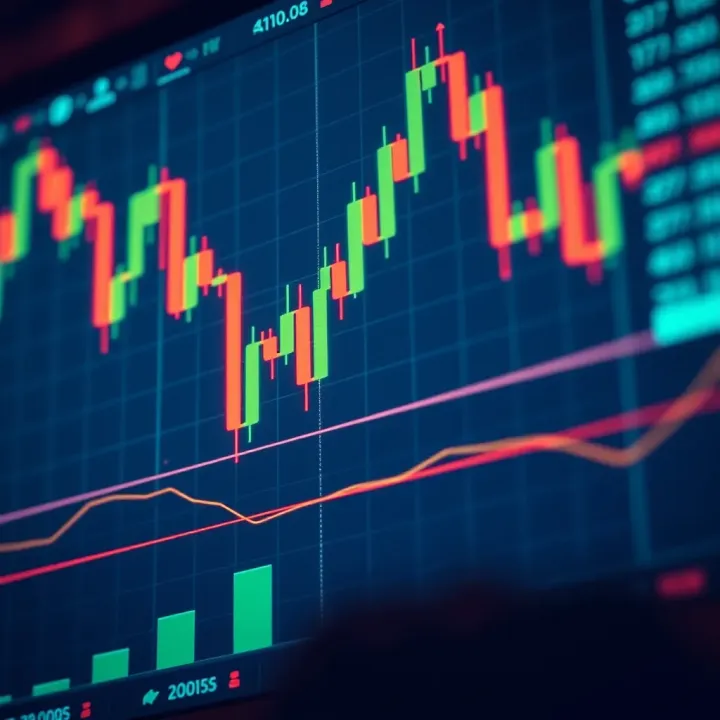
📊 Master forex trading charts with this practical guide! Learn to read charts, use indicators, spot patterns, and make smarter currency trades today.

📈Explore forex trading classes in Kenya! Learn who benefits, what topics to expect, and how to pick the right course to grow your trading skills safely.
Based on 14 reviews