
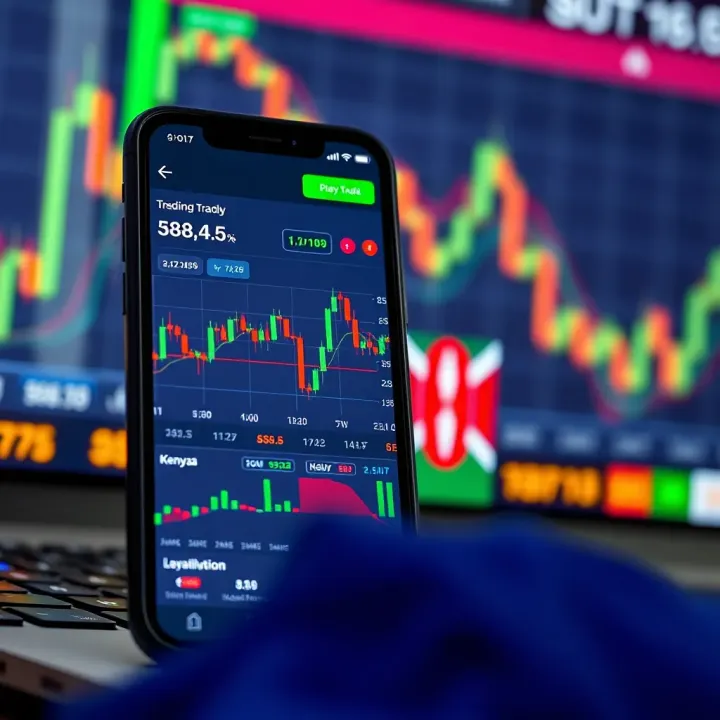
Best Forex Trading Apps for Kenyan Traders
Discover the best forex trading apps for Kenyan traders 📱 Compare features, learn risks, and get tips to trade smart and safe on mobile platforms in Kenya 🇰🇪
Edited By
George Mitchell
Forex trading runs round the clock thanks to the interconnectedness of global markets. But not all hours offer the same opportunities or risks, especially when you convert those times to Kenyan time (East Africa Time, UTC+3). Understanding forex trading sessions helps you pinpoint the hours when trading volumes are highest, liquidity is stronger, and price movement is more predictable.
There are four main forex trading sessions named after global financial hubs: Sydney, Tokyo, London, and New York. Each session reflects the local business hours of these centres and overlaps with others at different times. Kenyan traders need to adjust these market times because Kenya is three hours ahead of Coordinated Universal Time (UTC+3).

Being aware of when each forex session opens and closes in your local time is especially important. It influences trade entry, exit, risk management, and understanding market volatility.
Here’s a quick rundown of the sessions converted to Kenyan time:
Sydney Session: Starts at 12 am EAT and closes at 9 am EAT. This session marks the start of daily trading but tends to have lower volatility compared to others.
Tokyo Session: Runs from 2 am to 11 am EAT. Asian currency pairs like JPY and AUD get more action here.
London Session: Opens at 10 am and closes at 7 pm EAT. This session is crucial because London is a major forex trading centre. Liquidity peaks, and big market moves often happen.
New York Session: From 3 pm to 12 am EAT, overlaps with London for a few hours. USD pairs see big activity, particularly during the overlap with London trading.
Understanding when these sessions overlap can be a game-changer for your trading strategy. For instance, the London-New York overlap from 3 pm to 7 pm EAT is when markets see some of the highest volatility and volume, ideal for day traders.
In Nairobi, knowing these times means you can align your trading hours efficiently, balancing market opportunities with your daily schedule. Plus, awareness of these windows helps you avoid trading during low liquidity periods, which can lead to price slippage or unexpected spikes.
In the next sections, we’ll detail each session's characteristics, highlight specific currency pairs that perform best during those hours, and share practical tips to manage trades effectively from Kenya.
Understanding forex trading sessions helps traders from Kenya grasp when and how the global currency market operates. Forex isn't like the stock market, which typically closes after trading hours. Instead, forex runs 24 hours during weekdays, split into different sessions linked to important financial centres around the world. Knowing these sessions lets you time your trades better, potentially maximising profit or reducing risk.
Forex trading sessions are distinct periods during the day when major financial centres worldwide are open and active. These sessions are named after the cities or regions where the main banks and traders conduct business, such as Tokyo, London, and New York. Each session reflects local business hours and influences market activity, liquidity, and volatility.
For a trader sitting in Nairobi, these sessions translate to specific hours when trading volumes shift. For instance, during the London session (roughly 10 am to 7 pm Kenyan time), you often see sharp movements in major currency pairs like EUR/USD or GBP/USD. This timing matters because higher trading volumes tend to create better price movements and tighter spreads.
Timing matters because forex markets respond differently depending on which session is active. Some strategies work best during high volatility, like scalping and swing trading, while others perform better in calmer markets. Kenyan traders who understand session timings can align their trading activities to fit both their schedule and market conditions.
Unlike a single stock exchange, the forex market operates across multiple time zones, keeping it open 24 hours a day from Monday morning in Wellington, New Zealand, until Friday evening in New York. This continuous cycle means there are always opportunities to trade, but these opportunities vary based on the session.
The market divides into three main sessions: Asian, European, and American. Each session is anchored by a key financial centre whose business hours define the session speed and volume.
Key financial centres influencing forex trading include:
Tokyo (Asian session): Opens around midnight and runs till morning Kenyan time, focusing mostly on JPY and other Asian currencies.
London (European session): Starts late morning Kenyan time and is the most liquid session, influencing major pairs due to London's status as a global financial hub.
New York (American session): Begins mid-afternoon Kenyan time and overlaps with London for a few hours, increasing market activity.
Understanding which session is active helps traders anticipate market behaviour. For example, increased volatility during the London-New York overlap can create good trading opportunities, while the quieter hours after the American session winds down might be less favorable for active trading.
Forex sessions are your clock for global currency movements. Trading according to these times lets you catch the waves instead of fighting the tide.
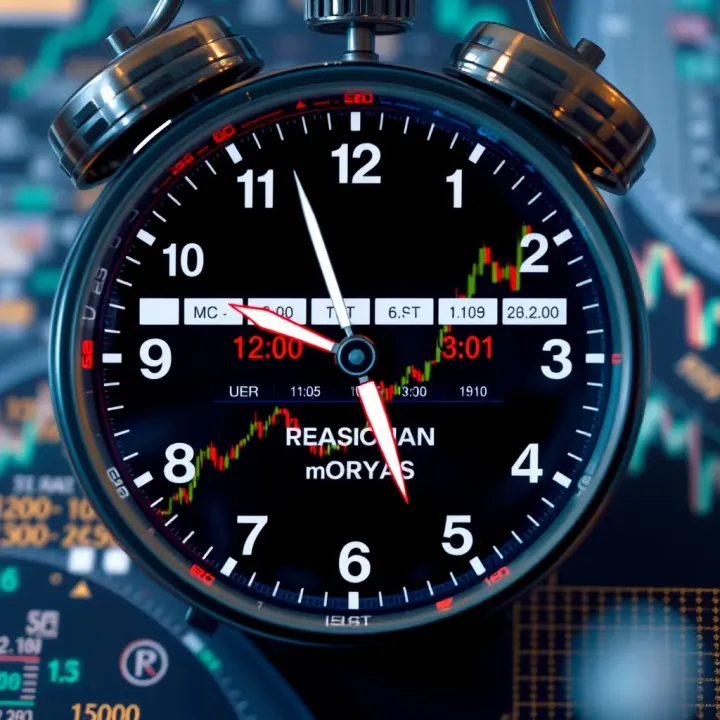
Understanding the key forex trading sessions and how they align with Kenyan time is vital for traders looking to plan their strategies smartly. Each session corresponds to trading activity in major financial centres around the world, and their timing affects market volatility, liquidity, and price patterns. Kenyan traders benefit from knowing exactly when these sessions open and close to catch favourable market moves without losing out due to mismatches in time zones.
The Asian trading session mainly follows the Tokyo market hours. In Kenyan time (East Africa Time, EAT), the Tokyo session typically runs from 3 am to 12 pm. This timing means Kenyan traders awake early or ready just before dawn to tap into the Asian market liquidity.
This session tends to have lower volatility compared to London or New York but remains crucial, especially for pairs involving the Japanese yen, Australian dollar, and New Zealand dollar. Price movements here are generally steady, allowing for range-bound or breakout strategies. For example, a trader in Nairobi watching USD/JPY might prepare to make trades during the Asian session, anticipating moderate moves and setting stop-loss levels accordingly.
The London session runs from 10 am to 7 pm Kenyan time. It’s the most active trading period in the forex market because London is a major forex hub. Kenyan traders can comfortably trade during their day without needing odd hours.
Expect higher volatility and liquidity during this period, especially for currency pairs involving the euro, British pound, and Swiss franc. The European session often sets the tone for the day, with big market news and economic data releases coming during this time. For instance, volatility spikes often occur around 12 noon, coinciding with UK economic data or London banks opening, offering sharp price movements that traders can take advantage of.
The New York session runs from 3 pm to 12 am in Kenyan time. This timing means Kenyan traders can engage late in the evening if they wish to catch the US market action after their workday.
The American session overlaps with the European session for a few hours every afternoon, generating some of the highest liquidity and volatility of the day. Traders notice strong price swings around news releases like US jobs reports or Federal Reserve announcements. It’s an ideal time for traders to look out for trend reversals or continuation patterns. For example, a Nairobi-based forex trader might prepare for active trading from 3 pm onwards, ready to respond to unpredictable price movements and market sentiment shifts.
Knowing how these main forex sessions align with Kenyan time helps traders optimise trading plans, manage risk, and maximise opportunities by trading in the right market hours.
Knowing the best hours to trade forex in Kenyan time helps traders make smarter decisions. Timing matters because forex is a 24-hour market, but not all hours offer the same opportunities. Certain periods show higher price movements and better liquidity, making trading more profitable and less risky. For example, Kenyan traders can gain by focusing on hours when global financial centres are active, as these bring more market participants and tighter spreads.
When forex sessions overlap, market activity and volatility increase significantly. The most notable overlap happens between the London and New York sessions in the afternoon Kenyan time, roughly 3 pm to 6 pm. During this period, European and American traders are all active, pushing up volumes. For Kenyans, this means more chances for quick trades and better price discovery.
Liquidity also picks up during these overlaps. Higher liquidity means large orders can be executed with smaller price gaps between buy and sell offers. For instance, during London-New York overlap, spreads on major pairs like EUR/USD or GBP/USD narrow, reducing trading costs. The result is clearer price trends and more trading opportunities. Kenyan traders who want to avoid erratic price swings should be cautious outside of these hours when liquidity thins.
Quiet hours happen when major markets are closed or just opening slowly. In Kenyan time, this generally falls late at night and early morning from about 10 pm to 5 am. These hours see fewer participants, especially from Europe and Americas, causing reduced price movement and wider spreads.
Trading during low-volatility periods carries risks and benefits. The main risk is slippage—price may jump unexpectedly due to low liquidity, making stop-loss orders harder to execute. On the other hand, some traders prefer quieter hours for setting up longer-term trades or scalping on less volatile pairs, like USD/JPY during Asian session low activity phases. For Kenyans juggling daily routines, trading in these hours might fit better, but it requires adjusting strategies to cope with less movement and potential price gaps.
High volatility offers more profits but also higher risk; low volatility means less movement but sometimes better control—Kenyan traders should balance their schedules and goals accordingly.
In summary, Kenyan forex traders should focus mainly on session overlaps like London-New York for active trading. However, quiet hours have their place depending on styles and risk tolerance. Understanding these timing patterns improves the chance of successful trading and helps manage expectations about market behaviour.
Trading forex in Kenyan time requires not only understanding when markets open and close but also how to apply that knowledge practically. By aligning your trading strategies with the global sessions and adjusting for local time quirks, you stand a better chance at maximising gains and minimising losses.
Different forex sessions offer varied market dynamics. For instance, if you are a scalper or prefer fast action, trading during the London-New York overlap in Kenyan time (3 pm to 7 pm) can be ideal due to high volatility and liquidity. On the other hand, day traders who want steadier conditions might focus on the Asian session, which is generally calmer but can present unique opportunities with Asian currencies like the Japanese yen.
Understanding when these sessions run in Kenyan time helps tailor your approach. Say you have a full-time job during the day; you might want to focus on the London session early morning hours (9 am to noon Kenyan time) when markets open, as you can then closely monitor price action before your daily commitments kick in.
Timing your trade entries and exits according to session activity is crucial. For example, entering a trade just before the London open can catch strong price moves sparked by European market participants arriving. Exiting trades before the low-liquidity late-night hours in Kenya (around midnight to 4 am) helps avoid erratic price swings that might eat into your gains.
Proper stop-loss and take-profit placements also benefit from knowledge of session volatility. During active hours, wider stops may be tolerable due to larger price movements, whereas in quieter sessions, tighter stops prevent getting stopped out unnecessarily. This pragmatism helps Kenyan traders manage risk effectively while responding to real market rhythms.
Kenya does not observe daylight saving time (DST), but key forex markets like London and New York do. This means the time difference with these centres shifts by one hour twice a year. For example, when London moves its clocks forward in March, the London session starts an hour earlier relative to Kenyan time.
Awareness of these changes is vital to avoid missing prime trading windows or accidentally trading during low-activity periods. Keeping a forex calendar that marks DST changes in major markets will help you adjust your trading schedule seamlessly and prevent unnecessary losses.
Many Kenyan traders juggle forex alongside work, family, or school. Scheduling your trading sessions around your daily life prevents burnout and poor decisions from fatigue. If you wake up early, the European session aligns well with your morning, while evening sessions such as the New York market can fit post-work hours.
Using trading alerts via mobile apps helps monitor markets without being glued to your screen. For example, setting alerts for breakout levels during the London session means you can pursue other tasks and only act when crucial price action happens. This balance enhances discipline and ensures trading remains sustainable.
Successful forex trading is less about chasing every move and more about understanding the rhythm of the markets in your local context. Kenyan traders who master session timings can trade smarter, manage risks better, and build long-term consistency.
By applying these practical tips, you get to make the most out of global forex opportunities without sacrificing your Kenyan daily life or risking trades at the wrong hours.
Discover the best forex trading apps for Kenyan traders 📱 Compare features, learn risks, and get tips to trade smart and safe on mobile platforms in Kenya 🇰🇪

📚 Discover top forex trading books to boost your skills, from beginner to expert. Get trusted strategies, tips, and discipline insights for success!
Explore forex trading in Kenya with our detailed guide 🏦. Learn to pick the right brokers, understand regulations, and trade confidently in the local market 📊.
📈 New to forex trading? Discover key insights, practical tips, and risk management strategies designed to help beginners in Kenya trade confidently and wisely.
Based on 6 reviews