

Top Books to Master Forex Trading
📚 Discover top forex trading books to boost your skills, from beginner to expert. Get trusted strategies, tips, and discipline insights for success!
Edited By
Hannah Walker
Forex trading has attracted many Kenyans eager to grow their income, but it’s no get-rich-quick scheme. To make money with forex, you need solid knowledge, clear strategies, and proper risk management. From Nairobi to Mombasa, many have learned the ropes and steadily build gains by treating forex trading like a real business.
Firstly, forex trading means buying and selling currencies for profit. For example, you might buy the US dollar against the Kenyan shilling when you expect the dollar to strengthen. The difference after exchange rates move is your gain or loss. This market runs 24/5, accommodating flexible hours for those juggling jobs or business in the day.

Remember, successful trading begins with a firm understanding of market movements and not just guesswork or tips from social media.
Opening a trading account with a reputable broker registered with Kenya’s Capital Markets Authority (CMA) is a key practical step. Make sure they offer user-friendly platforms like MetaTrader 4 or 5, and support M-Pesa for deposits and withdrawals. Starting with a demo account helps you practice without risking real KSh.
Managing risks is vital. Limit your exposure by risking no more than 1–2 per cent of your trading capital on a single trade. Use stop-loss orders to protect your money if the market moves against you. Losing trades will happen, but controlling losses keeps you in the game longer.
On strategy, beginners can try simple approaches such as trend following, where you identify and trade in the direction of the market trend. For instance, if the euro is steadily gaining against the shilling over days, buying into that trend could be profitable. Avoid complicated methods at the start; focus on mastering chart reading and basic indicators.
Finally, stay away from common traps like chasing losses, trading on rumours, or overtrading out of excitement. Set clear trading hours, keep a journal, and review your trades regularly to learn and improve.
By starting small, practising discipline, and learning continuously, forex trading can become a reliable source of income. With patience and smart choices, those KSh gains can grow steadily rather than evaporate overnight.
Grasping the basics of forex trading is the first step for anyone seriously looking to earn through this market. Without a solid understanding, you might find yourself overwhelmed by the jargon and swift market movements you face daily. Learning the core concepts helps you to make informed decisions and spot opportunities rather than relying on luck or hearsay.
Forex trading means buying and selling currencies with the goal of making profits from changes in their exchange rates. Think of it like exchanging shillings for dollars or euros when travelling, except traders do this constantly throughout the day to capitalise on small price moves. Currency values change due to economic events, interest rate moves, or even political shifts, and traders aim to benefit from these fluctuations.
Currencies trade in pairs, such as USD/KES (US dollar to Kenyan shilling) or EUR/USD (euro to US dollar). The first currency in the pair is the base, and the second is the quote currency. When you buy a pair, you are buying the base currency and selling the quote currency. For instance, if you expect the dollar to strengthen against the shilling, you would buy USD/KES.
Profits in forex come from correctly predicting whether one currency will rise or fall against another. Suppose you bought USD/KES at 110 shillings per dollar and sold when it hit 112. The difference, multiplied by the trade size, is your gain. This means even small movements can add up if you trade sizeable amounts, but losses work the same way if the market doesn’t move your way.
Pip, spread, leverage, and margin are essential to understand before trading. A pip is the smallest price move a currency can make, often 0.0001 for most pairs. The spread is the difference between the buy (ask) and sell (bid) price your broker offers; this is effectively the cost of making a trade. Leverage lets you control a larger position with a small deposit (called margin), but it also magnifies both profits and losses.
Knowing bid and ask prices is crucial. The bid is the price buyers are willing to pay, while the ask is what sellers want. When you open a trade, you buy at the ask price and sell at the bid price. For example, if the USD/KES bid is 110.00 and the ask is 110.05, you start your trade at 110.05, needing the price to rise above that to make profits.
Understanding types of forex orders helps you control trading risks. A market order buys or sells immediately at the current price. Limit orders allow you to set a price at which you want to buy or sell, which helps take advantage of expected price moves without constant monitoring. Stop-loss orders help cut losses by automatically closing a trade if the price hits an unfavourable level.
Learning and mastering these basics makes forex trading less intimidating. Once you understand how currency pairs, pricing, and orders work together, you build a strong foundation for making smart trading moves in Kenya’s vibrant market.
Opening a forex trading account marks your first real step into the currency markets. Beyond just signing up, it’s about choosing the right setup that supports your trading goals while keeping your investments secure. This section helps you understand the basics—how to pick a trustworthy broker and complete the registration and funding processes smoothly.
Kenya’s Capital Markets Authority (CMA) regulates forex brokers operating locally. A broker licensed by CMA offers protection against fraud and malpractice, ensuring your funds are handled securely. For instance, a broker under CMA rules must keep client money in separate accounts, not mingling it with their own operational funds. This reduces risks if the broker faces financial troubles.
Online international brokers may also comply with regulations in other jurisdictions like the UK's FCA or CySEC, but for Kenyan traders, local regulation ties closely with ease of dispute resolution and legal protection. Always verify the broker's regulatory status before depositing your money.
Aside from regulation, consider practical features. Look for brokers that provide low spreads and reasonable commissions since high costs can eat into your profits. Platform availability matters, too—Metatrader 4 or 5 remain the most popular tools among Kenyan traders, offering robust charting and order execution.
Customer support is key, especially if you’re new to trading. A broker with quick, responsive local support or a hotline operating in Kenyan business hours will save you headaches. Also check if the broker offers educational materials or demo accounts to practise before investing real money.
Convenience in deposit and withdrawal goes a long way. Many Kenyan forex brokers support M-Pesa, the mobile money service that's widespread and familiar to most. This allows you to fund your trading account directly from your phone without hassle.

Additionally, some brokers accept local bank transfers and even cards, but M-Pesa stands out for speed and simplicity. Quick deposits mean you can act on trading opportunities immediately, while smooth withdrawals let you access your earnings without delays.
Starting your account usually involves filling an online form with your personal details—names, contacts, and sometimes financial background. Brokers need this to assess your suitability and provide trading limits that match your experience.
Some brokers ask for a small initial deposit to activate your account. This amount can vary but often starts around KSh 5,000. Keep it within your comfort zone as you learn the ropes.
Due to anti-money laundering laws, brokers require identity verification. You’ll upload scanned copies or photos of your national ID or passport and a recent utility bill as proof of address. While this step may seem formal, it’s vital for security and enables you to access full services, including withdrawals.
Turnaround time for verification varies but typically takes 24 to 72 hours. Failing to verify promptly can delay accessing your funds when you want to trade actively.
Once verified, you can fund your account. For many Kenyans, M-Pesa is the easiest and quickest option. Just enter the broker’s paybill or till number, specify the amount, and your trading account reflects the deposit usually within minutes.
Bank transfers are another option, but they may take a day or two. Some brokers support credit or debit cards but watch out for extra fees. Always check if there are deposit bonuses or promotions, but don’t let these distract you from essential things like ease of funding and safety.
Knowing how to open and fund your forex trading account with the right broker sets a solid foundation. It saves you from costly mistakes and keeps your funds safe while you focus on learning how to trade wisely.
Starting off right means less stress and better chances to build a successful trading journey tailored to Kenyan market conditions.
Practical trading strategies give beginners a solid foundation to navigate the forex market. Instead of random guesswork, these strategies help you understand market movements and make informed decisions. Knowing simple techniques early on limits your risk and improves chances for steady profits, which is vital when trading with shillings.
Trend following basics
Trend following means observing the market direction and trading in line with that view. For example, if the dollar-kenya shilling pair is steadily rising for several days, a trend follower would look for opportunities to buy rather than sell. This approach reduces the guesswork since markets often continue moving in trends rather than flipping randomly.
By sticking to trends, you avoid entering trades against the majority sentiment, which can reduce losses and increase your chance of catching bigger moves. Beginners benefit from keeping their trading simple by focusing on the direction of price movements.
Using support and resistance levels
Support and resistance are price levels where forex pairs tend to pause or reverse. Support acts like a floor — when prices drop near this level, buyers usually step in to push prices back up. Resistance works like a ceiling where selling pressure builds, stopping further price rises.
In practice, you watch these levels to decide when to enter or exit trades. For instance, if the euro is dropping and hits a known support zone around 120 KSh, you might buy expecting a bounce. Similarly, you could sell near resistance to lock gains before a reversal.
Using these levels helps you time trades better instead of chasing market moves blindly.
Introduction to technical indicators
Technical indicators are calculations based on past price data that help highlight market trends and momentum. Common ones like Moving Averages, Relative Strength Index (RSI), and MACD give you signals on when to buy or sell.
For example, a 20-day moving average smoothing out daily price changes can show whether a currency pair is generally going up or down. RSI, meanwhile, helps spot overbought or oversold conditions, hinting that prices might soon reverse.
Indicators won’t tell the future but add clarity to what your eyes see on price charts. Beginners should pick just a couple of indicators and learn how to interpret them alongside support and resistance.
Benefits of demo accounts
Demo accounts simulate actual forex trading without risking real money. They allow beginners to practise entering and exiting trades, testing strategies, and learning the trading platform.
The biggest advantage is building confidence. Many new traders jump straight into live trading and lose cash quickly. Demo trading cuts that risk and lets you understand market behaviour and trade execution.
How to simulate real-market conditions
Though demo accounts mimic live markets, their conditions can differ slightly. To get the closest experience, don’t trade casually. Treat your demo account like real money is on the line:
Limit yourself to realistic amounts.
Follow strict risk management rules.
Keep records of your trades.
This discipline prepares you mentally and technically for live trading’s pressures and surprises.
Transitioning from demo to real trading
Switching to real money is a big step and should be done carefully. Start small — use amounts you can lose without hardship. Continue practising your strategy and adjusting as needed.
Avoid the temptation to increase your trade sizes quickly. Real trading emotions like fear and greed are stronger when real shillings are involved. Take your time moving from practice to profit, knowing it’s normal to make errors and learn continuously.
Practising with demo accounts and simple strategies helps beginners avoid common pitfalls and build skills needed for consistent forex trading success in Kenya’s dynamic market.
Managing risks in forex trading is vital, especially for beginners who want to protect their investments and build steady profits. The forex market is volatile, and price swings can lead to significant losses if you don't manage your trades carefully. Smart risk management helps you control potential losses, avoid emotional decisions, and stay in the game longer – all key for consistent success.
Setting stop-loss and take-profit levels is one of the simplest ways to manage risk. A stop-loss order automatically closes your trade once the price reaches a level where you want to cut losses. For example, if you buy USD/KES at 110 and set a stop-loss at 108, your trade will close automatically if the price drops to 108, preventing further loss. Equally, take-profit levels ensure you lock in gains by closing your position when the price hits your target. These tools protect you from sudden market moves, allowing disciplined trades without constantly monitoring the screen.
Position sizing techniques mean deciding how much of your account to risk on a single trade. Instead of betting all savings on one trade, prudent traders risk only a small percentage, say 1–2% of their capital per trade. For instance, with KSh 100,000, risking 2% means risking just KSh 2,000 per trade. This way, even a string of losses won't wipe out your account. Position sizing helps balance risk and reward, making your forex journey more sustainable.
Avoiding emotional trading involves sticking to your plan regardless of fear or greed. Emotional trading often leads to chasing losses or overtrading – mistakes that drain capital quickly. To stay calm, use automated orders and keep a trading journal to review your decisions honestly. Reminding yourself that losses are part of trading, not personal failure, helps maintain discipline and good judgement.
Overleveraging risks happen when traders use too much borrowed money to increase their position size. While leverage can multiply profits, it can also amplify losses, sometimes beyond your deposited amount. For example, using 100:1 leverage means a small price shift can wipe out your investment fast. New traders should use low leverage or none at all until they understand the market's ups and downs.
Chasing losses is the urge to immediately recover money lost on a bad trade by placing bigger or more trades. This often leads to poor decisions and bigger losses. Instead, take a break after losses to analyse what went wrong and adjust your strategy. Patience and discipline beat impulsive moves every time.
Ignoring market news and analysis can leave you blind to factors affecting currency prices, such as Central Bank decisions, inflation reports, or political events. For Kenyan traders, a decision by Central Bank of Kenya (CBK) on interest rates can shift the shilling’s value quickly. Staying informed through reliable financial news and economic calendars helps you anticipate market moves and avoid trades during risky times.
Managing your risk effectively prevents small losses from turning into big ones and keeps your forex adventure sustainable. The key is to trade with a plan, use tools like stop-losses, resist emotional impulses, and stay informed.
Managing your risks might sound boring, but it’s the backbone of growing your forex portfolio steadily. Don’t skip this step; protect your capital and let your profits grow gradually.
Consistency is key when it comes to making money with forex trading. Unlike chasing quick wins, steadily growing your income requires discipline, ongoing learning, and adapting your strategy based on real market experience. If you trade with a clear plan and regular review, you reduce risks and improve your chances of long-term success.
Relying on forex analysis tools helps you make better trading decisions. Tools like moving averages, Relative Strength Index (RSI), and economic calendars give insights into market trends and upcoming events that affect currency prices. For example, if the Central Bank of Kenya announces a policy change, knowing this in advance allows you to adjust your trades accordingly. Staying updated is especially important since forex markets react quickly to global and local news.
Engaging with other traders can sharpen your skills. Kenyan traders often join online forums or WhatsApp groups to share tips, discuss market movements, and learn from others' experiences. Being part of such communities keeps you motivated and exposes you to different perspectives. It also helps you avoid common mistakes new traders tend to make, as more experienced members offer valuable advice.
No strategy is perfect from the start. Regularly reviewing your trades and outcomes helps you spot weaknesses in your approach. Suppose you notice that certain currency pairs consistently perform better for you; you might shift focus to those. Conversely, if you find your stop-loss rules too tight causing premature exits, adjusting them can improve profits. Keeping your trading plan flexible makes it easier to adapt to changing market conditions.
Forex trading isn't a shortcut to riches overnight. While some traders make impressive gains, many take months or even years to see steady income. Accepting this helps you manage risks and avoid reckless decisions like overleveraging. For instance, targeting modest daily profits of 0.5% to 1% is more sustainable than expecting huge returns. Understanding limits also protects your capital from sharp losses.
Treat forex trading as one part of your overall financial plan. It’s wise to have other income streams like a job, business, or investments to support you during unavoidable losing streaks. Many Kenyans combine forex trading with side hustles such as taxi driving or online sales. This balance prevents pressure to recover losses quickly, which often leads to poor decisions.
Keeping records of your trades—including profits, losses, and strategy used—builds awareness of your progress. Use this information to set realistic monthly or quarterly goals, like increasing profitable trades by 10% or limiting losses to a certain KSh amount. Regular tracking also helps you spot patterns, so you can double down on what works and drop what doesn't.
Consistency grows from steady learning, staying connected with others, and having clear, realistic goals. Approach forex trading patiently, and you increase your chances of building a dependable income over time.
📚 Discover top forex trading books to boost your skills, from beginner to expert. Get trusted strategies, tips, and discipline insights for success!
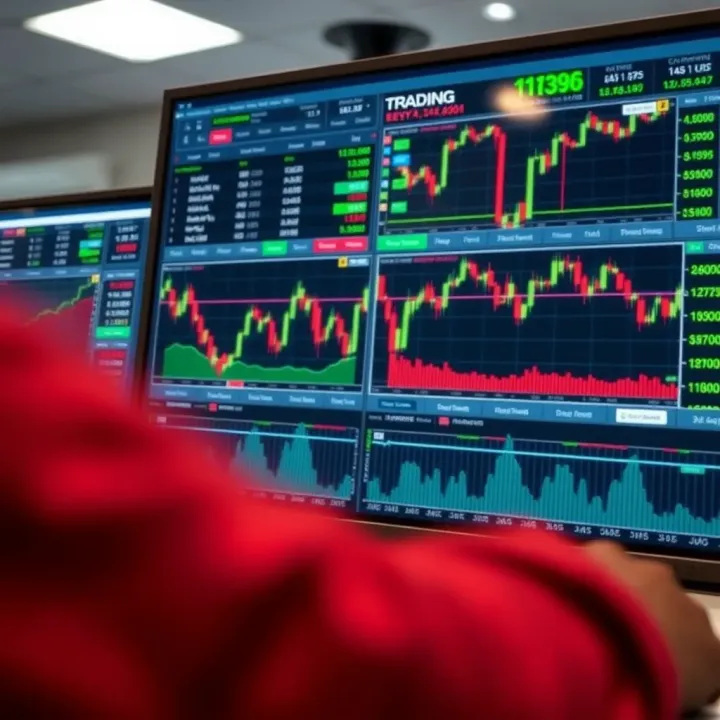
Explore forex trading in Kenya with our detailed guide 🏦. Learn to pick the right brokers, understand regulations, and trade confidently in the local market 📊.

📈 New to forex trading? Discover key insights, practical tips, and risk management strategies designed to help beginners in Kenya trade confidently and wisely.

Learn forex trading in Kenya 🌍 with a practical guide covering market basics, key terms, strategies, risk management, and local regulations to trade confidently.
Based on 13 reviews