
Best Time to Trade Forex in Kenya
Discover the best times for forex trading in Kenya 📈 Learn how global sessions, local events, and market activity impact your trades for better strategies.
Edited By
Liam Turner
Forex trading means buying and selling currencies hoping to make profits from their price changes. It’s a popular investment option worldwide, and Kenya is no exception. Many Kenyans see forex trading as a chance to grow their investments beyond traditional options like stocks or savings accounts.
Before starting, it's good to understand that forex trading can be risky. The currency market moves fast, influenced by political events, economic reports, or even unexpected news from different countries. That’s why it’s wise to learn the basics and practise with small amounts first.
A local example: a trader in Nairobi might buy US dollars when they believe the Kenyan shilling will weaken. If the dollar strengthens, the trader can sell it back for a profit in shillings. This simple idea forms the core of forex trading.
Successful forex trading depends on knowledge, discipline, and risk management, not just luck.
Kenyan traders need to be aware of specific things:
Choosing a broker: Look for brokers regulated by recognised bodies such as the Capital Markets Authority (CMA) in Kenya or international regulators. A trusted broker ensures your money’s safe and you get fair trading conditions.
Understanding trading platforms: Most brokers offer software or apps where you can place trades, study charts, and use tools. Popular platforms like MetaTrader 4 and 5 are widely used by Kenyan traders.
Starting capital: Generally, you don’t need a huge sum. Some brokers allow trading with as little as KSh 5,000, but it’s better to start with what you can afford to lose.
Learning and practising: Many brokers offer demo accounts with fake money to practise before risking real cash. It’s a smart way to understand how markets move and test strategies.
To sum up, forex trading offers Kenyans an opportunity to diversify investments but requires careful preparation. This guide will walk you through how to pick brokers, develop trading strategies, manage risks, and make actual trades. With the right approach, you can join the growing community of Kenyan forex traders.
Grasping the basics of forex trading is essential before putting your money on the line. Forex trading involves buying and selling currencies with the goal of making profits from fluctuations in exchange rates. Without a solid understanding of this, it is easy to lose capital or make poor trading decisions.
Learning the basics helps you know how the market moves, which currencies to focus on, and how external factors affect prices. For example, understanding why the US dollar strengthens while the euro weakens will guide your trading choices. In Kenya, this knowledge also feeds into appreciating how the shilling’s value influences your trade and risk.
Forex, short for foreign exchange, is the global market where currencies are traded. Traders buy one currency while simultaneously selling another, aiming to profit from the difference in rates. For instance, if you expect the euro to rise against the dollar, you might buy EUR/USD. If the euro indeed strengthens, you can sell back at a higher price.
Forex trading differs from stock trading because the forex market is continuous and offers high liquidity. This means you can trade almost anytime and find buyers or sellers at any moment.
Major currency pairs are the most traded combinations in the forex world, and they typically involve the US dollar alongside another strong currency. Examples include EUR/USD (euro against US dollar), GBP/USD (British pound against US dollar), and USD/JPY (US dollar against Japanese yen). These pairs generally have tighter spreads and higher liquidity, which makes trading them more cost-effective and efficient.
For Kenyan traders, focusing on major pairs is a practical starting point because of the availability of information, reliable price movements, and better broker support. For instance, you may find it easier to predict EUR/USD with the ECB and US Federal Reserve economic reports guiding the trends.
The forex market operates 24 hours a day, five days a week across different sessions: the Asian session, European session, and US session. These periods overlap, creating times with higher trading volumes.
Knowing market hours is important because volatility and trading opportunities change throughout the day. For example, Nairobi time sits between the Asian and European sessions, meaning the best trading times often fall between 3 pm and 11 pm EAT when the London and New York markets are active. During these hours, liquidity increases, and price movements can be sharper, providing more chances for profit.
Exchange rates fluctuate due to various factors, including economic data, political stability, and market sentiment. Economic indicators such as interest rates, inflation, and employment figures affect how markets value a currency. For example, if Kenya’s inflation rate rises sharply, the Kenyan shilling could weaken against the dollar because inflation erodes purchasing power.
Political events or unrest also sway forex prices. A sudden election outcome or policy change can shift investor confidence. Additionally, rumours or market sentiment sometimes cause rapid price swings even without clear economic reasons. As a trader, staying aware of these factors can help you anticipate changes and position your trades accordingly.
Understanding these basics is the foundation for any trader seeking to navigate the forex market confidently. By knowing what forex trading is, how the market operates, and what moves currency prices, you set yourself up to make informed decisions rather than relying on guesswork.
Before jumping into forex trading, setting up properly is key, especially for Kenyan traders. This groundwork helps you avoid common pitfalls like losing money to untrustworthy brokers, getting stuck with complicated platform tools, or struggling to move your funds smoothly. When you get the setup right, you free yourself to focus on actual trading strategies and market analysis.
Kenyan traders should first verify if a forex broker is regulated by reputable authorities. This means the broker follows certain rules to protect your money and ensure fair trading practices. For example, brokers regulated by the Capital Markets Authority (CMA) Kenya are more trustworthy since CMA enforces standards specifically for the local market. Many Kenyan traders also prefer brokers licensed by international bodies like the Financial Conduct Authority (FCA) in the UK or the Australian Securities and Investments Commission (ASIC).
Checking regulation helps avoid scams or brokers who might suddenly block withdrawals. It also means your deposits are often held safely in segregated accounts. If a broker isn’t regulated or avoids providing licence details, that is a big red flag.
A user-friendly and stable trading platform is vital. For instance, platforms like MetaTrader 4 (MT4) and MetaTrader 5 (MT5) are common and beloved for their charting tools, technical indicators, and ease of executing trades fast. Kenyan traders would appreciate platforms that support Swahili language or simple navigation.
Some brokers offer web-based platforms or mobile apps compatible with both Android and iOS, important for on-the-go trading given the widespread use of smartphones in Kenya. Features like one-click trade, real-time price alerts, and integrated news feeds add practical value.
Ease of moving money to and from your trading account cannot be overstated. M-Pesa, as Kenya’s dominant mobile money system, is a game-changer here. Brokers who allow deposits and withdrawals via M-Pesa save you from currency exchange hassles and bank delays.
Besides M-Pesa, other payment options could include bank transfers, Visa/MasterCard, or other e-wallets. Make sure the broker you choose does not charge high fees or take long to process withdrawals. Fast and convenient cash flow lets you react quickly to market movements without worrying about funds.
Most brokers offer different account types designed for various trader levels and goals. Common types include standard accounts, mini accounts, and sometimes Islamic accounts which comply with Sharia law (no interest charges).
A standard account usually requires higher deposits but offers tighter spreads and more trading options. Mini or micro accounts are good for beginners with smaller capital, sometimes allowing you to trade only a fraction of a lot. Choosing the right account impacts your risk exposure and trading comfort.
Many brokers set minimum deposits ranging from as low as KSh 1,000 to KSh 50,000 or more. For Kenyan traders just starting, a lower minimum deposit means less financial pressure and space to learn without risking too much. However, higher deposits might unlock better trading conditions or access to expert support.
Always weigh your funds against what you want to achieve. Don’t feel pressured to deposit more than you can afford to lose; forex trading always carries risk.
Besides M-Pesa, some brokers now accept payments through Kenya’s banking channels like NCBA, Equity Bank, or KCB internet banking. These options give more flexibility but might take longer to clear.
The key is choosing funding methods that fit your daily life. For example, if you are often on the go, M-Pesa deposits and withdrawals offer speed unmatched by traditional bank transfers. Plus, many brokers in Kenya are integrating Safaricom’s Lipa Na M-Pesa service to allow instant deposits.
Having a smooth setup with the right broker, platform, and payment options lets you trade forex confidently without disruptions. This foundation is essential before you start analysing markets or making trades.
Understanding and mastering forex trading strategies is essential for any trader hoping to succeed in the currency market. Knowing the key strategies helps you make informed decisions, reduces guesswork, and improves your chances of consistent profits. Whether you are a beginner in Nairobi or an intermediate trader in Mombasa, these strategies can guide your approach and fit your trading style.
Economic indicators to watch: Economic indicators such as GDP growth rates, inflation figures, interest rate decisions, and unemployment rates give traders early signals about a country's economic health. For instance, a rise in Kenya's inflation rate may weaken the Kenyan shilling against stronger currencies like the US dollar. Keeping an eye on reports from Kenya National Bureau of Statistics and global bodies helps you anticipate currency movements.
Impact of geopolitical events: Political stability or uncertainty directly affects forex. Events like elections, trade agreements, or diplomatic disputes can cause sharp changes in exchange rates. For example, election results in Kenya have often led to volatility in the forex market as investors react to the expected economic policies. It's wise to monitor such developments closely and factor them into your trading plan.
Kenyan economic factors: Local conditions such as IMF loan agreements, performance of key sectors like agriculture and tourism, and balance of trade influence the shilling's value. If Kenya's exports drop due to poor weather, the demand for foreign currency may increase, affecting exchange rates. Understanding these factors provides an edge in timing your trades.
Reading charts and patterns: Charts tell a story through price movement over time. Recognising patterns like head and shoulders or double tops helps predict possible trend reversals or continuations. For instance, if you see a consistent upward channel on a USD/KES chart, you might expect the shilling to weaken further. Becoming fluent in chart reading equips you to spot entry and exit points.
Common technical indicators: Tools like Moving Averages, Relative Strength Index (RSI), and Bollinger Bands help identify market momentum, overbought or oversold conditions, and volatility. For example, if the RSI shows an overbought condition in EUR/USD, it might signal a short-term price drop. These indicators add objectivity to trading decisions.
Using trading tools effectively: Modern platforms offer tools for drawing trend lines, setting alerts, and backtesting strategies. Using these features well saves time and sharpens analysis. For example, setting price alerts on an app can notify you when USD/KES hits a target level, so you don't miss trading opportunities during your busy day.
Day trading: This style involves opening and closing trades within the same day to capture small price movements. It suits those who can dedicate focused time daily. A day trader in Nairobi might take advantage of the morning London session volatility to trade GBP/KES pairs.
Swing trading: Swing traders hold positions for several days to weeks, aiming to profit from medium-term trends. This method requires less time monitoring the markets, fitting traders balancing forex with other commitments. For example, after spotting a rising trend in USD/KES over a week, a swing trader might enter a position expecting the uptrend to continue.
Position trading: Position traders hold trades for weeks or months, focusing on long-term economic trends rather than short-term fluctuations. This approach, while slower, can suit investors looking to grow capital steadily. A position trader could buy USD/KES expecting the shilling to weaken due to persistent trade deficits over several months.
Choosing the right strategy depends on your time, risk appetite, and financial goals. Combining both fundamental and technical analysis with suitable trading approaches shapes your path in forex trading success.
Managing risks is the backbone of sustainable forex trading. Without a clear approach to risk, even the most promising trades can drain your funds quickly. Protecting your capital means you stay in the game long enough to learn, adapt, and potentially grow your investment. In Kenya, where market volatility can be influenced by both global and local factors, managing risk takes on added importance.
Leverage allows you to control a large position with a relatively small amount of money—your margin. For example, a leverage of 1:100 means that with KSh 1,000 in your trading account, you can open a position worth KSh 100,000. This magnifies both gains and losses, so it’s essential to understand how it works before taking on big trades.
However, high leverage carries serious risks. While it can amplify profits, it also increases the potential for significant losses, sometimes exceeding your account balance. Imagine Kenya shillings disappearing faster than expected during a sudden exchange rate swing—this often catches traders off guard. That's why many brokers limit leverage, and you should choose a level that matches your experience and risk appetite.
Setting stop-loss and take-profit orders is one of the simplest but most effective ways to manage risk. A stop-loss order automatically closes your trade at a predetermined loss point, preventing devastating losses. Meanwhile, a take-profit order locks in profits at a set price level. For instance, if you buy the USD/KES pair at KSh 110 and set a stop-loss at KSh 108, your trade closes if the price drops to protect your capital.
Position sizing is also crucial. It means determining the size of each trade based on your total capital and risk tolerance. Instead of risking a large chunk of your account on one trade, you might decide to risk only 2%. So if you have KSh 50,000, you risk just KSh 1,000 per trade. This approach keeps losses manageable and your account steady.
Maintaining trading discipline ties all these techniques together. Sticking to your risk rules and trading plan, even when emotions run high, keeps you from chasing losses or making impulsive decisions. It’s like keeping a steady pace in a marathon rather than sprinting and burning out. Successful Kenyan traders often emphasise this discipline—trading isn’t about luck, but consistent, well-thought-out moves.
Protecting your capital isn't about avoiding risk entirely but managing risk smartly so your trading lasts over the long haul.
By understanding leverage, applying sound risk management methods, and keeping your emotions in check, you give yourself a better chance to grow steadily instead of blowing your account in one bad trade.
Starting to trade forex in Kenya means putting all your learning into action. This stage is about applying what you’ve picked up so far—choosing when to buy or sell currencies and managing your trades carefully. Taking the first step can feel like stepping into a busy matatu stage: it’s lively, full of options, but you need to know where to stand and when to jump in.
Placing buy and sell orders is the main action in forex trading. Think of it as deciding whether to buy a product from the market or sell it just before price rises. On platforms like MetaTrader 4 or the broker’s custom app, you choose a currency pair, decide if you expect the base currency to rise or fall, then place an order accordingly. For instance, if you believe the US dollar will strengthen against the Kenyan shilling, you’d place a buy order on the USD/KES pair.
These platforms often have simple buttons labelled ‘Buy’ and ‘Sell’, making it straightforward even for beginners. But behind the scenes, you also set important details like how much to trade (lot size) and any automatic exit rules such as stop-loss or take-profit. Using these features wisely helps guard your capital against sudden market changes.
Monitoring open positions is like keeping an eye on your taxi fare meter—you want to know how much you’re spending or earning before you reach your destination. After placing an order, you should regularly check your open trades to watch how the market moves. This lets you decide if you want to hold on for more profit or cut losses early.
Platforms show real-time price changes and your profit or loss. For example, if you bought EUR/USD and the euro weakens, your current loss will be visible, prompting a decision on whether to close the trade or wait. Regular monitoring ensures you stay in control and don't get caught by surprises while you sleep or work.
Keeping a trading journal is an essential habit for traders in Kenya and worldwide. This is simply a record where you note details of each trade—entry and exit points, reasons for trading, emotions felt, and results. Over time, the journal builds a pattern of what works and where you make mistakes.
For instance, you may discover you perform better trading GBP/USD in the afternoon session or that you tend to exit profitable trades too early. A good trading journal turns vague feelings into clear facts, helping you improve your approach systematically.
Learning from mistakes is part of every trader’s journey. Forex markets can be volatile, and no one escapes losses. The key is analysing what led to poor decisions—was it lack of research, emotional trading, or over-leverage? Reflecting on these issues helps you avoid repeating them.
For example, if you notice a pattern of entering trades without confirming key economic news releases, you can decide to pause when such data is due. Learning from past errors builds discipline and sharpens your trading skills, increasing your chances of success over time.
The first trades may seem intimidating, but with each order placed and reviewed, you grow more confident and skilled. Executing trades carefully and learning from your journey is what shapes a smart forex trader.
Discover the best times for forex trading in Kenya 📈 Learn how global sessions, local events, and market activity impact your trades for better strategies.
Find the best forex trading brokers in Kenya 🇰🇪. Learn how to pick regulated brokers with low fees, great platforms, strong support & ideal accounts 📈💼
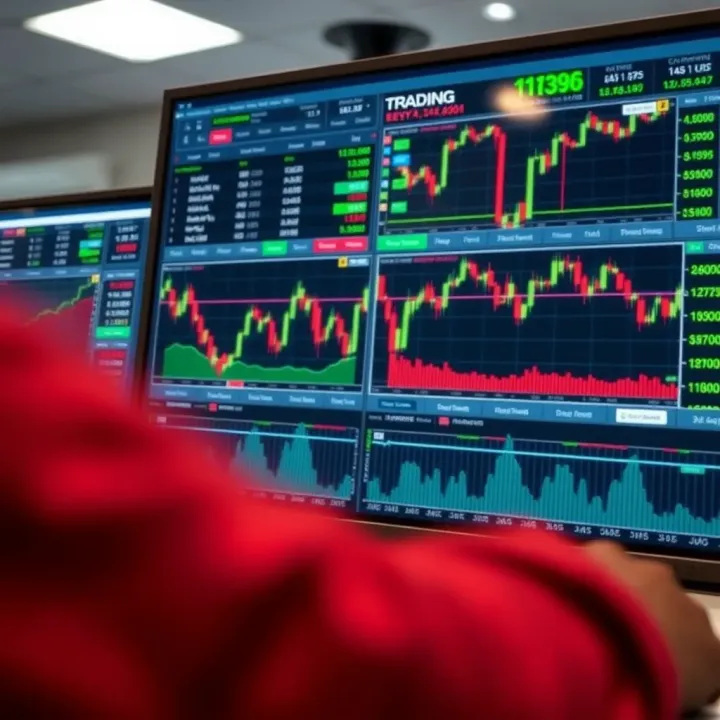
Explore forex trading in Kenya with our detailed guide 🏦. Learn to pick the right brokers, understand regulations, and trade confidently in the local market 📊.

Discover how to pick reliable forex brokers in Kenya, navigate regulations, and trade confidently with tips on safety and popular platforms 📈💼🇰🇪
Based on 10 reviews