

Forex Risk Management Tips for Kenyan Traders
📉 Master forex risk management for Kenyan traders! Learn key strategies to protect capital, control losses, and trade confidently in volatile markets.
Edited By
James Harrington
Risk management is about spotting potential problems before they turn into costly setbacks. Whether you're running a small business in Nairobi or managing your household budget in Kisumu, understanding how to handle risks can make all the difference.
In business, risk management protects investments and operations from unexpected threats such as market fluctuations, supply chain disruptions, or regulatory changes. Traders and investors, for example, apply risk analysis to safeguard assets from sudden market swings, ensuring informed decisions rather than acting on guesswork.
Daily life also presents risks—from health emergencies to theft or accidents. Simple measures like having an emergency fund, buying insurance, or securing your belongings reduce exposure to these risks and provide peace of mind.
Managing risk isn't just about avoiding losses; it's about making smarter choices that safeguard your future.
For finance analysts and brokers, effective risk management involves using data and trends to predict possible threats and adjust strategies accordingly. This proactive approach helps protect client portfolios and ensures sustainable returns.
Students, too, benefit from risk awareness when planning careers or education financing. Understanding potential financial burdens or job market shifts allows you to plan better and avoid surprises after graduation.
To sum it up, risk management helps:
Identify hazards early
Assess the likelihood and impact of threats
Develop plans to reduce or avoid those risks
Monitor and review strategies regularly
Whether negotiating contracts, investing in stocks, or budgeting daily expenses, embedding risk management into your practices strengthens stability. In the Kenyan environment, with its unique economic and social dynamics, applying these principles helps individuals and businesses stay resilient.
Understanding risk is the first step; taking practical measures to manage it is where real protection and growth begin.
Grasping the scope of risk management is key for both businesses and individuals alike. When you understand what risk means and the process to handle it, you can prepare better for challenges, reducing negative impacts. This knowledge helps stave off surprises that can disturb finances, operations, or personal wellbeing.
What constitutes risk means recognising any event or circumstance that could cause harm or loss. For a trader at the Nairobi Securities Exchange, for instance, risk could mean sudden drops in stock prices due to political unrest or economic shifts. Similarly, a farmer on the shamba faces risk from unpredictable weather patterns or pests. In everyday life, risk might be situations like losing a job or facing health problems without insurance. Understanding these risks allows you to plan ahead rather than being caught off guard.
The process of managing risk involves identifying these potential threats, evaluating their likelihood and potential impact, and then finding ways to control or mitigate them. This could include diversifying investments to avoid over-exposure to one asset, taking up insurance policies, or adopting safer workplace practices. For example, an SME owner in Mombasa might assess risks linked to supply chain delays and decide to source from multiple vendors to lessen the chance of complete stock-outs.
Financial and market risks are among the most visible for businesses and investors. These involve fluctuations in market prices, interest rates, and exchange rates that can erode profits or asset values. For example, a forex trader dealing in USD/KES must monitor global economic trends closely as these affect currency stability and can cause gains or losses within minutes. Effective risk management means setting stop-loss limits and not putting all capital in one basket.
Operational risks come from internal processes, people, or systems failing. This can include everything from IT breakdowns and fraud to human error. A bank’s online banking platform crashing during a peak period is a good example. Such failures can disrupt services and damage reputation. Kenyan businesses often invest in staff training and upgrading technology to reduce operational risks.
Environmental and health risks relate to natural events and public health issues. Flooding during Kenya's long rains or a disease outbreak like cholera threaten both business continuity and individual wellbeing. Factories around Lake Victoria, for instance, might face environmental scrutiny and penalties if they discharge waste improperly. Risk management here involves compliance with environmental standards and ensuring workplace health safety measures.
Regulatory and compliance risks arise when businesses or individuals fail to meet laws or policies. Given Kenya’s evolving regulatory environment, particularly within sectors like banking, insurance, and trade, staying updated is vital. Non-compliance might lead to heavy fines or licence revocation. A trader failing to file returns correctly on iTax or missing NHIF contributions risks penalties. Businesses harness risk management to align operations with the Kenya Revenue Authority (KRA) and other bodies to avoid such pitfalls.
Risk management is not about eliminating risk altogether but about understanding and controlling it so that you can make better decisions and safeguard your interests in a world full of uncertainties.
Effective risk management shields businesses from sudden financial setbacks that could threaten their operations. Avoiding unexpected losses means identifying potential threats early—whether from market downturns, supply chain disruptions, or currency fluctuations—and acting before these risks materialise. For example, a Nairobi-based exporter who hedges against the shilling's volatility can avoid substantial losses when the currency weakens unexpectedly.
Without proper risk controls, even a small misstep can snowball, draining cash flow or forcing unplanned expenses. Businesses that factor in potential risks maintain better control over finances, reducing the chance of shocks that might otherwise lead to debt or insolvency.
Budget planning and forecasts become more reliable with good risk management in place. Having a clear view of potential pitfalls lets companies set realistic budgets that factor in possible risk-related costs. For instance, a manufacturer planning production volumes can adjust forecasts if they anticipate supply delays during Kenya’s long rains, avoiding overproduction or stockouts.
This foresight also improves cash flow planning and investment decisions. When businesses assess risk realistically, they avoid overly optimistic budgets that fall short. Rather than scrambling to manage unexpected expenses, they prepare contingencies or insurance, keeping operations stable.
Crises come uninvited and often without warning. How a business handles such events determines customer confidence and long-term reputation. Companies that have risk management systems can respond faster and more effectively when problems hit.

For example, a bank facing a data breach that has prepared crisis protocols can quickly notify customers, contain the breach, and fix vulnerabilities. This transparent, swift response maintains customer trust, unlike a delayed or disorganised approach that could drive clients to competitors.
Building confidence among clients and partners relies heavily on consistent, dependable service. A business that shows it has assessed and managed risks—whether through regular audits or compliance checks—signals reliability to stakeholders.
Take a supplier who regularly inspects quality controls and adheres to delivery deadlines as another example. Such a firm reassures clients and partners that it values professionalism, leading to stronger business relationships and repeat contracts.
Meeting national and East African Community (EAC) standards is a non-negotiable for businesses aiming to operate legally and competitively. Risk management includes staying updated on regulations and adjusting operations accordingly.
For Kenyan firms, this might mean complying with KRA tax requirements, environmental laws, or labour regulations. Businesses that integrate compliance into their risk strategies avoid operational disruptions resulting from inspections or audits.
Avoiding legal penalties and fines is a direct benefit of this vigilance. Penalties imposed by bodies such as the Capital Markets Authority (CMA) or the National Environment Management Authority (NEMA) can be costly and damage a business’s public image.
A company that monitors regulatory changes and trains staff accordingly reduces the chance of accidental violations. For example, a manufacturer that upgrades waste management systems ahead of stricter rules avoids fines while contributing positively to environmental protection.
Risk management is not just about avoiding danger; it is a practical tool for businesses to stay stable, trusted, and compliant in Kenya’s dynamic market.
Risk management isn't just for businesses; it plays a big role in daily decisions and personal well-being. Being aware of risks in everyday life helps manage uncertainties and avoid unnecessary losses, especially here in Kenya where unpredictable factors like weather or economic shifts can hit hard.
Making smart saves and investments involves weighing the risks against potential rewards. For example, putting money in a fixed deposit with a local bank like Equity or KCB is safer but offers lower returns, while investing in the Nairobi Securities Exchange (NSE) can give better profits but with more uncertainty. Understanding such trade-offs helps individuals protect their hard-earned cash and grow it wisely.
At the same time, diversifying your investments–perhaps some in government bonds and some in a small business–can reduce risk exposure. This idea of spreading bets is simple but very effective, especially when markets are volatile.
Unexpected issues such as job loss, medical emergencies, or even floods can throw anyone off balance. Building an emergency fund equivalent to three to six months of living expenses is a straightforward risk control that cushions you when things go wrong.
Many Kenyans now also use mobile services like M-Pesa to save emergency cash or take micro-insurance policies that cover health or crop loss. These tools make it easier to handle sudden shocks without spiralling into debt or hardship.
Being alert about possible hazards at home—like faulty electrical wiring or slippery floors—helps prevent accidents. Similarly, at work, especially in jua kali workshops or factories, recognising risks such as poor machine maintenance or lack of protective gear keeps employees safer and productivity higher.
Simple actions like using fire extinguishers, clear emergency exits, and basic first aid training go a long way in managing these risks practically.
Health risks such as malaria, waterborne diseases, and rising non-communicable illnesses require ongoing vigilance. People in malaria-prone counties benefit from using mosquito nets and indoor spraying. Clean water access, handwashing, and responsible waste disposal reduce disease spread.
Also, keeping up with NHIF (National Hospital Insurance Fund) contributions safeguards against costly medical bills. Health risk management is a continuous exercise that demands community-level cooperation and individual responsibility.
Everyday risk management means making choices that keep you financially secure and physically safe. It's about spotting dangers before they unfold and taking steps that help you stay on track despite challenges.
By handling risks carefully in daily life, individuals build resilience that supports long-term stability and peace of mind.
Implementing risk management requires a hands-on approach where businesses and individuals actively identify, assess, and respond to potential threats. This process not only protects resources but also ensures smoother operations amid uncertainty. In Kenya, where market dynamics and environmental factors can change rapidly, practical steps provide a structured way to handle these risks effectively.
Spotting risks early means recognising potential issues before they escalate into serious problems. For instance, a trader in Nairobi might monitor supply chain delays due to ongoing transport strikes, which could affect stock availability. Early detection allows for quick adaptation, such as diversifying suppliers or adjusting stock levels to cushion against shortages. This proactive stance is crucial because risks, if ignored, tend to multiply, leading to costlier consequences.
In the financial arena, spotting early warning signs—like sudden currency fluctuations or shifts in customer payment patterns—helps investors or analysts adjust their portfolios promptly. It is especially relevant for the Kenyan shilling, which can experience volatility due to external pressures.
Evaluating impact and likelihood involves estimating how severe a risk could be and how likely it is to happen. This step prioritises risks, focusing resources on those that matter most. For example, an SME owner in Kisumu may list risks such as power outages, market competition, or adverse weather that affects supply. Power outages might have a high likelihood but moderate impact, whereas regulatory changes could be less likely but more damaging. By ranking these on an impact-likelihood matrix, business owners can plan accordingly.
This evaluation guides decisions like how much to invest in backup power solutions or seek legal advice when laws shift. It prevents businesses from spreading resources too thinly while ignoring critical threats.
Reducing or transferring risks means taking measures to lessen the chance of a risk occurring or shifting the responsibility to another party. For instance, a logistics company might install GPS trackers to reduce theft risk—a direct way to reduce the likelihood. Alternatively, insurance policies can transfer financial risks. A farmer in Rift Valley may buy crop insurance to protect against drought, shifting some financial burden to the insurer.
In investing, risk can be spread by diversification—holding shares across different sectors or countries, for example. This reduces exposure to any single event harming the entire portfolio.
Continuous monitoring and review is vital because risks evolve over time. Businesses and investors should regularly revisit risk assessments to catch new threats or changes in existing ones. For instance, with Kenya’s shifting political landscape or unexpected floods during the long rains, ongoing review helps adjust strategies fast.
Monitoring might involve weekly business meetings to discuss risk status or setting alerts for market changes. Without this step, risk management becomes outdated, and organisations are left vulnerable to surprises.
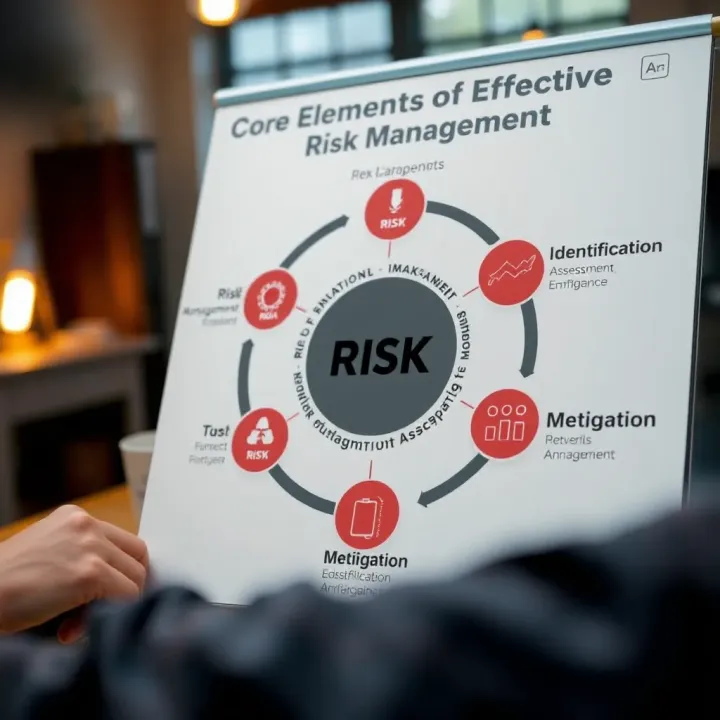
Practical risk management is a cycle – identification, assessment, response, and review keep businesses and daily life preparations grounded and ready for change.
These steps make risk management tangible, helping traders, brokers, investors, and students anticipate problems, protect assets, and build resilience in Kenya’s dynamic environment.
Risk management is vital, but it also comes with hurdles that every trader, investor, or finance analyst in Kenya should understand. These challenges can affect how well risk strategies work and, if not managed carefully, may reduce their effectiveness. Being aware of these limitations helps businesses and individuals make more informed decisions.
Economic conditions in Kenya can change rapidly due to factors like inflation rates, exchange rate fluctuations, or shifts in government policy. For example, a sudden increase in fuel prices can raise operational costs for many businesses, affecting their cash flow and requiring adjustments in risk planning. Traders need to monitor economic indicators actively and be ready to revise their strategies to keep pace with these changes.
Without flexibility, a business can be caught off-guard, resulting in losses or missed opportunities. This means risk management must be a continuous process, not a one-off task. Moreover, scenarios such as a slowdown in the tourism sector impact related industries, requiring risk managers to anticipate such ripple effects.
Unpredictable events like natural disasters, political unrest, or pandemics pose serious challenges. For instance, the 2020 COVID-19 pandemic disrupted supply chains and workforces across Kenya, shaking up many risk models. These events are hard to foresee and can derail even the most thorough plans.
Risk management should include buffers and contingency plans, such as emergency funds or alternative supply routes. Businesses that rely solely on historical data may find it difficult to cope. Preparing for the unexpected means accepting some level of uncertainty and focusing on resilience rather than total avoidance.
Many Kenyan businesses, especially SMEs and startups, struggle with funding risk management activities. For example, conducting detailed risk assessments or investing in advanced IT security can be costly. Businesses may have to prioritise spending on immediate needs like inventory or payroll over comprehensive risk controls.
This limitation calls for creative, cost-effective approaches. Simple steps like staff training on spoting risks, using basic software tools, or forming partnerships to share resources can make a big difference without heavy spending.
Every shilling spent on risk mitigation should show clear value; otherwise, businesses risk diverting funds from essential operations.
In Kenya’s competitive and sometimes volatile market, business owners face tough choices about where to direct limited resources. For instance, a trader might hesitate to invest in insurance or cybersecurity when cash flow is tight, even though these are important safeguards.
Effective risk management means aligning solutions with core business goals. Sometimes, taking a calculated risk makes sense if it promises greater returns. The trick is to balance protection with growth ambitions. Prioritising the most significant threats and managing less critical risks informally can help maintain this balance.
Understanding these challenges sharpens risk management efforts. While risks can never be fully eliminated, recognising the difficulties helps Kenyan businesses and individuals make smarter, practical decisions that protect their futures without overstretching their resources.
📉 Master forex risk management for Kenyan traders! Learn key strategies to protect capital, control losses, and trade confidently in volatile markets.
Explore how Kenyan businesses manage compliance and risks, tackle challenges, adopt best practices, and use technology for safer operations 📊⚖️
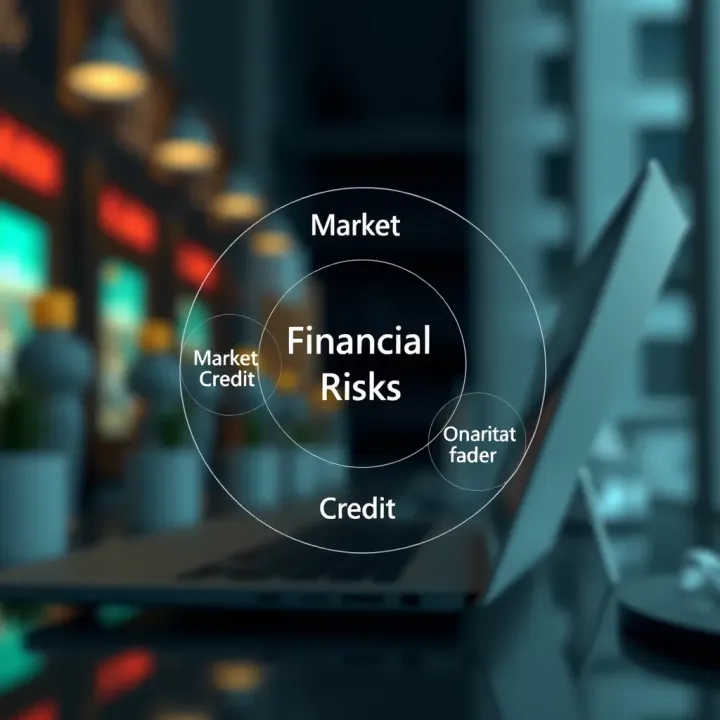
📊 Explore solid strategies and practices for managing financial risk in Kenya. Learn to identify risks, use technology, and navigate regulations effectively.

Explore how Kenyan businesses can boost resilience by mastering Enterprise Risk Management. Learn key steps, tackle challenges, and use tech for better risk control 📊🔒
Based on 10 reviews