
Understanding Forex Trading Bots: Benefits & Risks
Explore how forex trading bots automate currency trades, their benefits, risks, and tips for Kenyan traders seeking smarter market moves 🤖💱📉
Edited By
Isabella Foster
Forex trading, or foreign exchange trading, involves buying and selling different currencies with the aim to earn a profit from the price changes. In Kenya, forex trading has grown in popularity, especially with the rise of online trading platforms accessible via mobile phones and computers.
Many people wonder if forex trading is truly legit or just another get-rich-quick scheme. The truth is, forex trading itself is a recognised financial market - it runs 24 hours a day, five days a week, connecting banks, investment firms, corporations, and traders worldwide. In Kenya, forex brokers must be licensed and regulated by the Capital Markets Authority (CMA), ensuring a certain level of transparency and protection.
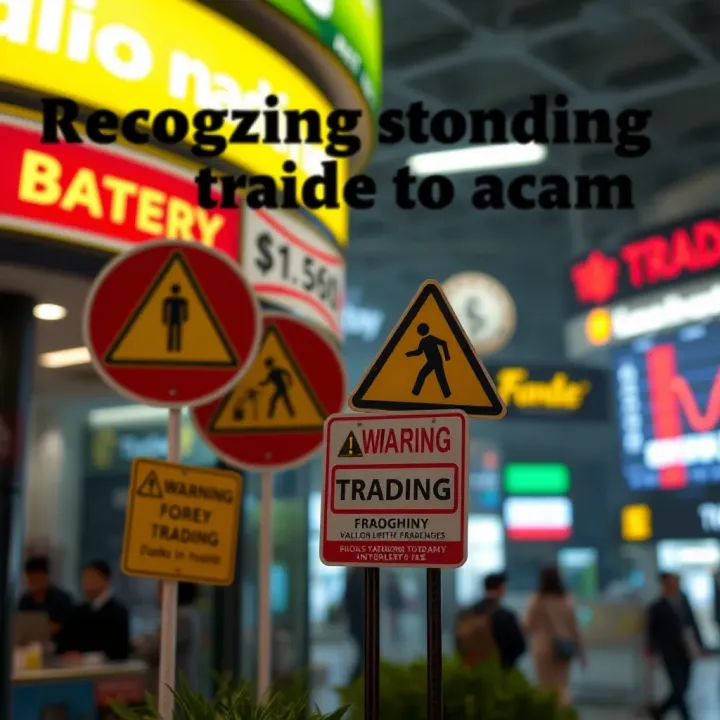
However, the problem arises when scammers pretend to be brokers or pretend to offer guaranteed profits. These scams can trap unsuspecting people, especially those new to forex. Common red flags include promises of very high returns with little or no risk, insistence on recruiting friends, and missing or fake licensing information.
Understanding how forex trading works helps in spotting such risks. For example, fluctuations in currency prices depend on economic indicators, political events, and market sentiment - no one can predict these perfectly. Legitimate traders often use analysis, risk management, and careful planning over quick guesses.
Remember, forex trading is not a guaranteed way to make money. If it sounds too good to be true, it probably is.
To approach forex trading safely:
Choose CMA-licensed brokers only
Avoid platforms that pressure you to invest large sums quickly
Educate yourself about market basics and risks
Start with small amounts you can afford to lose
In summary, forex trading itself is a legal and valid investment activity in Kenya. But it requires care, knowledge, and choosing the right partners to avoid scams and prevent heavy losses.
Knowing how forex trading operates is a must if you're thinking about entering this market. It helps you avoid misunderstandings and spot opportunities with clear eyes. Forex trading involves exchanging one currency for another and can be a way to gain profit if you anticipate currency value changes correctly. For instance, if you believe the US dollar will strengthen against the Kenyan shilling, you might buy dollars and later sell them for a higher price, pocketing the difference.
Understanding the mechanics behind currency trading is key because it is not just about guessing which way a currency will move. The forex market functions 24 hours, influenced by economic data, political events, and global market sentiment. Knowing concepts like leverage — which allows you to control larger positions with smaller capital — or spreads, the difference between buying and selling prices, equips you to make informed decisions. For example, during the election period, the shilling’s value might fluctuate, affecting your trades.
Different players take part in forex trading, each with its own motives and methods. Banks and financial institutions often trade large volumes to facilitate international trade and manage currency risk. Commercial companies engage in forex to pay for goods and services. Retail investors and aspiring traders, including Kenyans using platforms like Safaricom’s M-Pesa to fund their trading accounts, also participate, hoping to turn a profit by speculating on currency moves. Knowing who is in the market helps you understand liquidity and how quickly you can enter or exit trades.
Forex trading can offer real opportunities but only if you understand how the market works and the roles of its different players.
Here’s a simple summary to keep in mind:
What is Forex Trading? Exchanging currencies to profit from changing exchange rates.
Basic Mechanisms: Includes trading hours, leverage, spreads, and factors influencing currency values.
Participants: Banks, companies, brokers, and individuals, each with unique roles.
With a solid grasp of these basics, you’ll be better equipped to navigate the forex market and spot both chances and risks as you move forward.
Since forex trading involves buying and selling currencies online, many people in Kenya wonder whether it’s a genuine way to earn income or just another risky gamble. This question matters because, without clear understanding, individuals might fall prey to scams or lose money due to ignorance. Forex trading is indeed legitimate, but with clear rules and risks attached. Recognising its legal framework and regulatory safeguards helps traders make informed choices and avoid costly mistakes.
In Kenya, forex trading is legal as long as it follows the country’s financial regulations. The Central Bank of Kenya (CBK) oversees currency exchanges and ensures that forex dealings align with national monetary policies. Kenyan residents can participate in forex trading, either through foreign brokers or local platforms. However, any forex business operating within Kenya must have proper registration and comply with the laws set by regulatory authorities. Illegal operators, often unlicensed, pose real threats by offering unrealistic returns or mismanaging client funds.
Kenya’s approach aims to promote responsible trading while protecting consumers from fraud. A practical example is how the government periodically issues warnings against unlicensed brokers who solicit funds using persuasive adverts but eventually disappear with clients’ money. That said, the legal framework leaves room for genuine trading activities, encouraging transparency and fair market practices.
The Capital Markets Authority (CMA) is the main watchdog for forex trading in Kenya when it comes to brokerage firms. It issues licences to brokers and enforces regulations that maintain market integrity and protect investor interests. The CMA examines brokers’ financial health, their trading platforms, and client protection mechanisms before granting licences. This ensures that only credible brokers can offer forex trading services.
More so, CMA licensing means a broker must adhere to local laws on transparency, disclosure, and handling of clients’ funds. For instance, CMA-licensed brokers usually segregate client money from operational funds, reducing risks of misuse. Traders dealing with such regulated entities have a higher chance of fair dealings and legal recourse if disputes arise.
Choosing a broker with CMA approval is critical for safe forex trading in Kenya. Licensed brokers undergo regular audits and must provide clear information about fees, leverage, and risks. This level of oversight discourages malpractice such as hidden charges, unfair trade execution, or pressure to overtrade.
For example, a Kenyan trader who picked a broker without proper licence lost significant funds when the firm suddenly stopped communication. In contrast, clients of a CMA-licensed broker typically find easier support channels, transparent terms, and safer withdrawal options.
When selecting a broker, you should verify their licence status on the CMA website or official publications. Avoid brokers promising guaranteed profits, as forex trading inherently carries risks regardless of licence. Opt for regulated brokers who provide demo accounts, clear terms, and reliable customer support.
Choosing a CMA-licensed broker significantly reduces exposure to fraud and increases chances of responsible trading. Verify licences before depositing any money.
By understanding the legal and regulatory landscape, Kenyan traders can approach forex trading with confidence, knowing where to place trust and how to protect their investments effectively.
Forex trading holds appeal for many Kenyans looking to grow their money or earn some side income. But this interest has also attracted scammers to exploit unsuspecting traders. Understanding common scams helps you avoid losing your hard-earned shillings and keeps your trading experience safe.
One frequent scam involves fake investment platforms that promise easy access to forex trading. These sites often look professional, complete with attractive offers and glowing testimonials. However, once you deposit money, withdrawing it becomes impossible or delayed indefinitely. For example, there have been cases where platforms vanish overnight once enough funds are collected, leaving investors in the lurch.
Such schemes often lack proper licensing, so checking whether a broker or platform is regulated by the Capital Markets Authority (CMA) of Kenya before trading is vital. Licensed platforms adhere to rules designed to protect traders and ensure transparency. If you find a platform with no verifiable regulation or a shady online presence, it’s best to steer clear.
Scammers tend to lure people by promising guaranteed, high returns with little or no risk—something forex trading does not offer. Any claim of doubling or tripling your money in days or weeks should ring alarm bells. Real forex trading involves significant risk, and while profits are possible, losses are equally likely.
For example, some fraudsters may advertise “secret strategies” or “insider tips” that can turn your KSh 10,000 into KSh 100,000 quickly. These are empty promises aiming to get you to deposit and keep adding money. Legitimate brokers will always clarify the risks and avoid hard-selling unrealistic gains.
Another red flag is when unscrupulous platforms or agents request excessive personal information beyond normal requirements, such as copies of national ID, bank details, or passwords to online banking. This data can then be misused for identity theft or unauthorised transactions.
In Kenya, personal information protection is taken seriously, so always question why certain information is needed. Only provide such details to brokers licensed by CMA and ensure you use secure means to transmit documents.
Verify Licensing: Confirm the broker or platform is licensed by the CMA before opening an account.
Test with Demo Accounts: Use free demo accounts to practice before investing real money.
Beware of High-Pressure Sales: Avoid anyone pushing you to deposit quickly or promising unrealistic profits.
Protect Your Personal Data: Share sensitive information cautiously, only with trusted, regulated brokers.
Check Reviews and References: Look for feedback from other traders and reputable sources.
Staying alert and doing proper checks keeps your money safe and trading enjoyable. Fraudsters thrive when traders are impatient or uninformed, so take your time and trade smart.
By being informed on common scams, you can spot trouble early and avoid costly mistakes in forex trading.
Forex trading can offer promising rewards but also carries significant risks. Understanding both sides clearly is essential before placing your hard-earned shillings on the table. Many traders are attracted by the chance to make profits from the daily shifts in currency values, but the same movements can lead to substantial losses.
The forex market is known for its high liquidity and round-the-clock trading, which provides opportunities for profit in both rising and falling markets. For example, a trader investing KSh 100,000 in the USD/KES pair might profit if the US dollar strengthens against the shilling. However, rapid fluctuations mean the same investment can quickly lose value. Leverage, common in forex trading, can amplify gains but also worsen losses. A careless trade using high leverage could wipe out your account balance faster than you expect.
Trading forex is not a guaranteed income stream; the potential for profit goes hand in hand with risk of loss.
Several elements affect currency prices daily, including economic indicators, geopolitical events, and central bank policies. For instance, news of interest rate hikes by the Central Bank of Kenya or a shift in US Federal Reserve policy can sway the USD/KES exchange rate. Political stability also plays a role—uncertainties around elections or government decisions may cause currency volatility. Even unexpected events like natural disasters or global pandemics influence trader sentiment and market movements. Knowing these factors helps anticipate price changes and avoid surprises.
Successful forex trading requires more than luck or guesswork. Studying market trends, mastering technical and fundamental analysis, and employing a clear trading plan are crucial steps. For example, a trader might use moving averages to identify trend directions or monitor Kenya's inflation data to predict shilling movements. Discipline in sticking to stop-loss orders and not letting emotions guide trades often separates consistent traders from the rest. Using demo accounts to practice strategies before risking real money can also build confidence and sharpen skills.
In summary, forex trading can indeed bring rewards, but only if traders understand its risks, market drivers, and the value of a solid strategy. By approaching forex with respect for these realities, Kenyan traders stand a better chance of navigating the market wisely and protecting their investments.
Stepping into forex trading without guidance can be risky. Practical advice helps Kenyan traders avoid costly mistakes and build a steady foundation. By focusing on manageable steps and trusted platforms, you minimise losses while learning how the market behaves. This section breaks down key actions to take before and during trading to stay safe and grow your skillset.
Begin with a demo account rather than real money. Demo accounts mirror real trading environments but use virtual funds. For example, platforms like HotForex and FXCM offer demo versions where you can test strategies and learn the trading tools without risking your savings. Starting small with demo accounts allows you to understand how price changes react to news or economic reports common in Kenya's trading hours.
Avoid rushing to trade big amounts early on. Even if you feel confident after some practise, keep your actual trades small at first. This way, losing a trade won’t drain your finances. Many successful traders from Kenya started with as little as KSh 5,000 and gradually increased their stake as they gained confidence and experience.
Selecting a licensed broker is crucial to protect your money. In Kenya, the Capital Markets Authority (CMA) oversees forex brokers and ensures they meet regulatory standards. Choose brokers with CMA approval or those registered with credible international bodies like the Financial Conduct Authority (FCA) or Cyprus Securities and Exchange Commission (CySEC).
Look for brokers offering user-friendly platforms, fast execution, and transparent fees. For instance, MetaTrader 4 (MT4) and MetaTrader 5 (MT5) are very common and widely supported platforms. They provide tools such as live charts, technical indicators, and easy order placement, which are essential for efficient trading.
Beware of brokers promising guaranteed profits or huge leverage without clear risk disclosures. Always read reviews and ask other traders in local forums or groups before committing.
Risk management is the backbone of sustainable forex trading. Set a limit on how much of your capital you are willing to lose in a single trade – typically no more than 1 to 2%. For example, if you start with KSh 10,000, risk KSh 100 to 200 per trade. Using stop-loss orders helps automatically close a position when losses reach a pre-set level, protecting your account from unexpected swings.
Avoid overtrading — the temptation to trade too often or with large sums can burn you out fast. Taking breaks and sticking to a well-planned trading strategy improves your chances of making consistent gains. Remember, trading forex isn’t a sprint; it’s more like a marathon where patience pays off.
Practical advice like starting small, picking the right broker, and managing risks wisely can save Kenyan traders a lot of headaches and losses. Being cautious and informed turns forex from a risky gamble into a manageable venture.
With these tips, you can approach forex trading with a clearer mind and better chances of success. Always keep learning and adapting your strategy based on what the market tells you.
Explore how forex trading bots automate currency trades, their benefits, risks, and tips for Kenyan traders seeking smarter market moves 🤖💱📉
Explore forex trading in Kenya with our detailed guide 🏦. Learn to pick the right brokers, understand regulations, and trade confidently in the local market 📊.
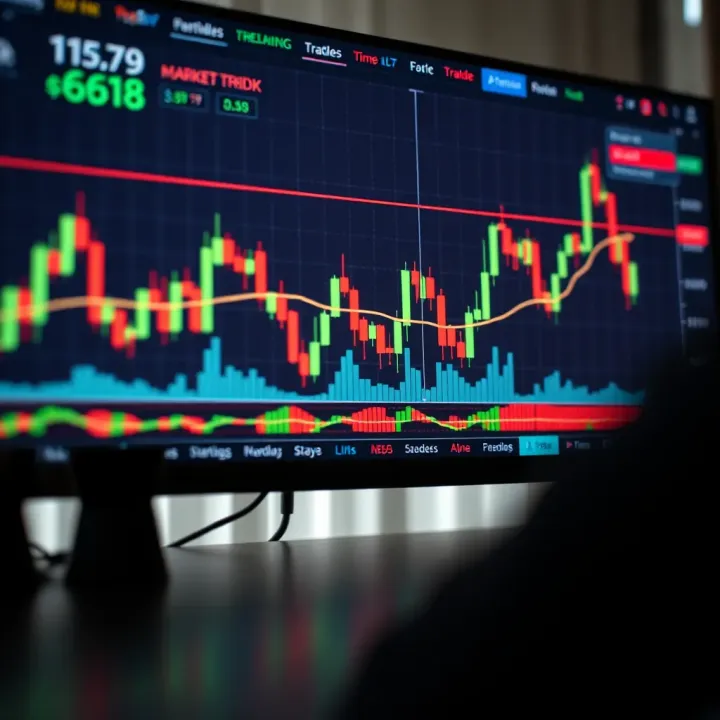
📈 New to forex trading? Discover key insights, practical tips, and risk management strategies designed to help beginners in Kenya trade confidently and wisely.
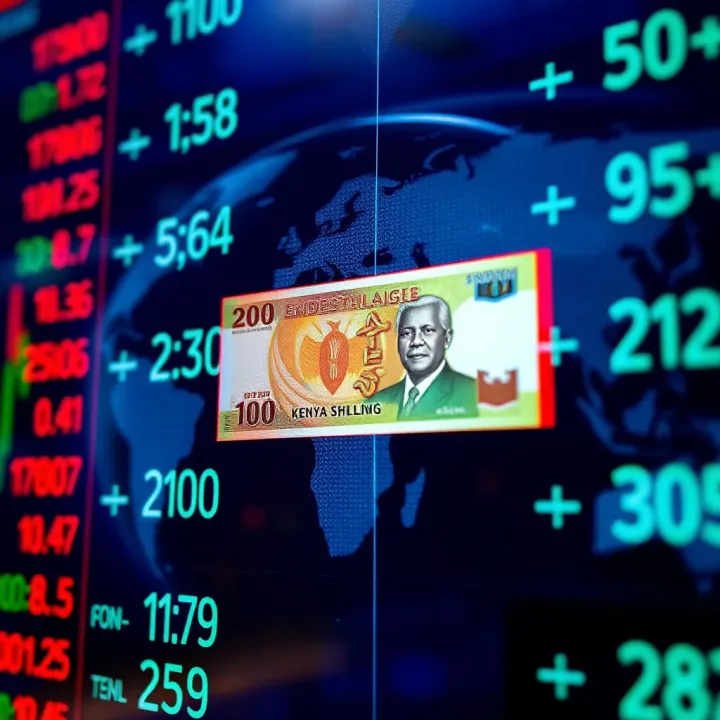
Learn forex trading in Kenya 🌍 with a practical guide covering market basics, key terms, strategies, risk management, and local regulations to trade confidently.
Based on 14 reviews