

Best Books to Master Forex Trading
📚 Explore top forex trading books for all levels! Get practical tips, key concepts, and guidance to boost your skills and succeed in forex markets.
Edited By
Charlotte Davies
Every project carries some level of risk, whether in business, public sector works, or even community initiatives. Managing these risks effectively can mean the difference between delivering a project on time and budget or facing costly delays and failures. In Kenya's evolving economic landscape, where infrastructure development and digital transformation happen alongside regulatory shifts, understanding how to identify and control risks is vital.
Risk management starts by spotting potential issues before they affect progress. These risks range from financial uncertainties, such as fluctuating currency or funding delays, to operational challenges like supply chain disruptions or labour strikes. For example, a construction project in Nairobi may face delays if building materials don't arrive on time due to transport strikes or bad weather during the long rains.
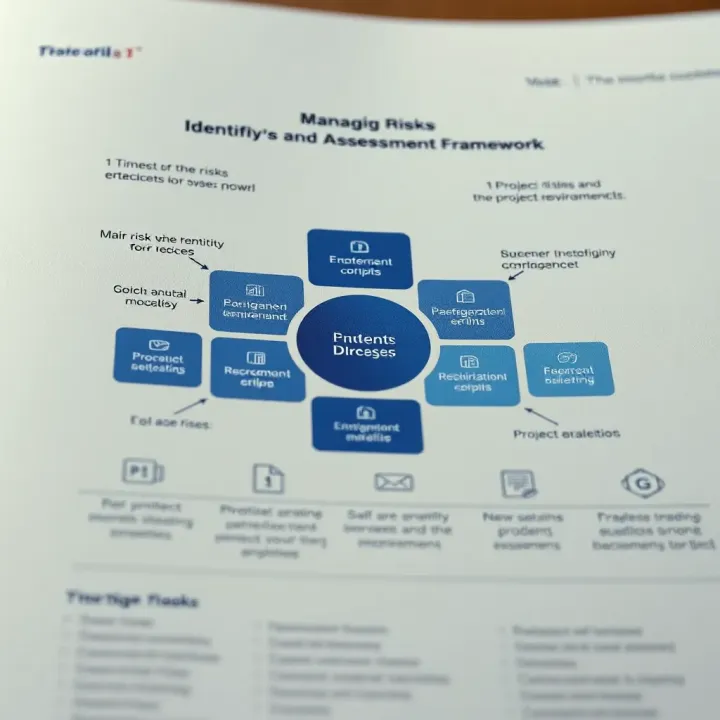
Assessing these risks means looking at both their likelihood and the impact they might have. A risk that is unlikely but could cause huge losses — say, sudden changes in government policy affecting import duties — deserves careful monitoring. Conversely, a risk with moderate likelihood and low impact may require lighter attention but still needs to be on the radar.
Once identified and assessed, the next step is to put control measures in place. These might include:
Developing alternative supply routes to avoid transport delays
Securing advance payments and contracts to protect cash flow
Keeping open communication lines with all stakeholders, including government agencies
Setting aside contingency budgets to handle unexpected costs
Effective risk management is proactive, not reactive. Constantly monitoring and reviewing risks as projects evolve helps teams adapt quickly and prevent surprises.
Modern tools like project management software combined with local knowledge offer great support. Using platforms that track timelines, budgets, and resource usage makes it easier to spot warning signs early. Also, engaging experienced local suppliers and understanding county-specific regulations can reduce risks significantly.
For traders, investors, and analysts involved in or funding Kenyan projects, keen attention to these aspects ensures not just smoother delivery but also better returns. It can make projects more attractive to lenders, reduce insurance costs, and improve stakeholder confidence.
In summary, managing risks in project delivery is about being realistic, prepared, and flexible. By focusing on clear identification, practical assessment, and timely actions, projects can navigate uncertainties common in Kenya's business environment and come out successful.
Managing risk effectively is vital to successful project delivery, especially in Kenya where projects often face unique challenges. Understanding risk means recognising possible threats that could derail timelines, budgets, or project scope. When managers grasp what risk entails, they can plan better, avoid surprises, and make informed decisions. For instance, a construction project in Nairobi might face delays due to inconsistent rainfall—this kind of risk needs early recognition to stay on track.
Having a clear picture of risks allows project teams to allocate resources efficiently, prioritise critical issues, and set realistic goals. It also helps in communicating potential problems to stakeholders upfront, building trust and transparency. In practice, understanding risk reduces costly overruns and promotes smoother execution.
Risk, in project management, refers to any uncertain event or condition that could impact project objectives negatively or positively. It’s not just about threats—there are opportunities too. However, the focus is often on managing threats that might hinder progress or increase costs.
In the Kenyan context, risk plays a central role because many projects, especially public ones, operate in environments with political, economic, and social fluctuations. For example, a change in government policy can affect permits or funding, thus altering project viability. Identifying and managing these risks ensures projects remain resilient.
Financial risks concern anything that affects a project's budget or funding streams. In Kenyan projects, this includes currency fluctuations, delays in funding disbursement, or unplanned cost increases. For example, a road project budgeted at KSh 500 million might encounter rising material costs due to global supply chain issues, squeezing available funds.
Furthermore, reliance on external donor funds with strict conditions can create cash flow problems if payments are delayed. Mitigating financial risks involves thorough budget reviews, securing flexible financing, and proactive cash flow management.
Operational risks relate to breakdowns in internal processes, systems, or people. In a Kenyan context, this could mean equipment failure on a shamba irrigation project, or inadequate staffing causing delays in project milestones.
For instance, a solar power installation in Turkana might struggle if there’s a shortage of qualified technicians or if logistical challenges delay key components. Managing operational risks calls for regular equipment maintenance, training staff, and having back-up plans.
These arise from changes in laws, regulations, or failure to meet legal requirements. Kenya’s regulatory environment can be tricky due to frequent updates in tax laws, environmental rules, or labour regulations.
Take a manufacturing project in Nairobi; failure to comply with NEMA (National Environment Management Authority) norms might lead to fines or even project shutdown. Staying updated on regulatory changes and engaging with authorities helps minimise these risks.
Projects can affect the environment and local communities, leading to opposition or legal challenges. For example, a dam project in western Kenya might displace residents or impact fishing activities.
Ignoring such risks can stall progress or damage a company’s reputation. Proper environmental impact assessments and community engagement are essential in tackling this category of risk.
Understanding these risk types early enables managers to tailor approaches, from budgeting cautiously to engaging communities respectfully. Skills in recognising and reacting to risk make projects more likely to succeed, even in Kenya’s dynamic business environment.
Identifying risks early in the project cycle sets the foundation for effective project delivery. By spotting potential problems at the start, project teams can plan ahead, avoid costly setbacks, and keep stakeholders informed. This early identification is particularly vital in Kenya’s dynamic business and public sectors, where external factors like regulatory changes or supply chain disruptions can emerge unexpectedly.
Brainstorming sessions and workshops bring together diverse project team members and experts to discuss what could go wrong in a project. This collective approach encourages open sharing of ideas and allows participants to challenge assumptions. For instance, in a road construction project in Nairobi, workshops might reveal risks such as seasonal flooding or delays in permit approvals. These risk spotting events often surface issues that lone planners might miss.
Additionally, workshops are useful for building team ownership of risk management. When the people involved actively discuss risks, they’re more likely to stay alert and responsive throughout the project. Regular sessions during the early stages also mean emerging risks don’t escape attention.

Engaging stakeholders early helps uncover risks tied to expectations, politics, or resources. Local community leaders, government agencies, contractors, and suppliers can provide insights into risks beyond what the project team would identify alone. For example, in a water supply project in Kisumu, consultations with county officials might highlight potential regulatory hurdles or social concerns among residents.
Stakeholder consultations also help manage rumours or misinformation that might otherwise turn into bigger problems later. When stakeholders feel included from the onset, it builds trust and opens channels for ongoing feedback regarding risks.
Looking at similar completed or ongoing projects provides valuable lessons on risks that typically arise. For example, examining earlier solar power installations in Kenya’s rural counties may reveal challenges with equipment theft or maintenance capacity. Accessing project reports, audits, or lessons-learned documents uncovers risks that are relevant in your current project’s context.
This method helps avoid reinventing the wheel, saves time in risk identification, and builds a realistic risk profile based on evidence rather than assumptions. It also supports data-driven decision-making in managing new projects.
A risk register is a simple but powerful tool for tracking identified risks throughout the project. It lists each risk with details like likelihood, potential impact, owner responsible, and mitigation steps. In Kenyan project environments, risk registers help maintain clarity and accountability.
For example, in a Nairobi-based ICT rollout, the risk register might record potential risks such as power outages or supplier delays, assigning team members to monitor and report on these. Regularly updated registers guide prioritisation and resource allocation.
Keeping a thorough and current risk register allows the project team and stakeholders to stay ahead of emerging threats and respond promptly before risks escalate.
Combining early risk spotting with diligent tracking ensures projects stand a better chance of meeting deadlines, budgets, and quality standards despite inevitable uncertainties.
Assessing and prioritising risks is a critical step in project management that ensures the team's efforts and resources focus on issues likely to have the greatest impact. Without this, a project can be blindsided by risks that are either ignored or underestimated, leading to delays, cost overruns, or outright failure. For Kenyan projects, where factors like regulatory changes or weather disruptions are common, a systematic risk assessment helps anticipate challenges and enhances decision-making.
Evaluating a risk's likelihood is about estimating how probable it is that a specific risk event will occur during the project. For example, in a construction project around Nairobi, the likelihood of delays due to last-minute government permit requirements might be high. On the other hand, impact refers to the consequences if the risk event happens — like significant cost increases or damage to reputation.
Together, likelihood and impact shape the priority level of a risk. A risk with low probability but high impact, such as a political strike affecting supply chains, should not be ignored. Conversely, a risk with high likelihood but minor impact might be managed differently. Clearly assessing these two factors helps project teams strategise, ensuring they prepare adequately, focus on serious threats, and use resources wisely.
A risk matrix is a straightforward visual tool that plots risks based on their likelihood and impact. Risks fall into categories like low, medium, or high priority depending on where they appear on the matrix. This makes it easier to communicate risk status at a glance. For instance, a planned road upgrade in Mombasa might use a risk matrix to highlight potential flooding risks during the long rains season, categorising it as high likelihood and high impact.
Using a risk matrix guides which risks to tackle first and which ones can be monitored. It also supports transparent dialogue among stakeholders by clearly showing which areas need urgent attention.
Quantitative methods use numerical data and statistical models to assess risk. These might include probability calculations or financial impact estimates. Say, a solar power project for a Kenyan off-grid community could use quantitative risk analysis to forecast possible revenue losses if equipment fails, assigning specific shilling values to such risks.
Qualitative methods, on the other hand, rely on descriptive assessments such as expert judgment, interviews, or focus groups. This approach works better when numerical data is scarce or risks are difficult to measure precisely. For example, a community-driven water project might collect stakeholders’ views on social acceptance risks, ranking them as high or low without exact numbers.
Choosing between or combining these methods depends on project specifics, available data, and the nature of risks. Both help the project team to prioritise risks effectively and to tailor responses appropriately.
Proper assessment and prioritisation of risks not only protect the project budget and timelines but also build trust among stakeholders by showing that all potential challenges are identified and managed carefully.
Effective project delivery in Kenya hinges on how risks are managed throughout the project cycle. Approaches to risk management provide a structured way to handle uncertainties, ensuring that threats to time, cost, and quality are controlled. Choosing the right approach can mean the difference between a project that stalls and one that sails smoothly to completion. This section highlights practical approaches — risk avoidance, mitigation, and acceptance — and techniques like contingency planning and assigning clear responsibility for risks.
Risk avoidance involves steering clear of activities or conditions that might cause problems. For example, a construction project in Nairobi might avoid a known flood-prone area to limit environmental risks. Mitigation, on the other hand, means reducing the impact or likelihood of a risk. In a software development project, this could be regular code reviews and testing to reduce bugs that might delay the rollout. Acceptance is when the project team recognises a risk but decides not to act unless it occurs, often because the cost of mitigation outweighs the risk's impact. A small delay in delivery due to occasional power outages might be accepted if backup generators are too costly.
Each approach has its place based on the project's context, risk appetite, and resource availability. In Kenyan public sector projects, for instance, regulatory risks might be mitigated through thorough legal reviews, while operational risks like supply chain delays might be accepted if contingency stock is maintained.
Contingency plans prepare project teams for scenarios where risks materialise despite mitigation efforts. A practical example is in agribusiness projects affected by Kenya's unpredictable weather patterns. Teams might develop plans for alternative suppliers or adjust planting schedules to respond to drought or heavy rains. Contingency plans should be realistic, with clear triggers and predefined actions to ensure swift responses. This approach prevents panic and costly downtime when unexpected issues arise.
Clear ownership of risks assigns responsibility for monitoring, managing, and reporting risk status. Without this, risks can be ignored or poorly handled. A risk owner, typically a team leader or specialist, ensures that their risk is actively managed. For instance, in a Nairobi infrastructure project, the procurement manager might be responsible for supply chain risks. Defining risk ownership fosters accountability and smooth communication within the project team and with stakeholders. It also makes sure no risk falls through the cracks.
Assigning risk ownership ensures proactive management and timely interventions, which are critical in Kenya's fast-changing project environments.
In summary, effective risk management in projects combines avoiding unnecessary dangers, reducing potential impacts, accepting manageable risks, preparing for uncertainties, and holding people accountable. Projects that adopt these approaches are better positioned to navigate Kenya’s complex business and regulatory landscape and deliver intended results on time and budget.
Monitoring and reporting risks throughout project execution is essential to keep the project on track and avoid unexpected setbacks. Since risks can change or new ones may emerge, continuous oversight ensures that the project team responds promptly. Regular checking of the project’s risk status helps to maintain transparency and supports decision-making, which is especially important in dynamic environments like those commonly seen in Kenyan businesses and public sector projects.
Regular review meetings create structured opportunities for the project team to assess current risks, discuss new developments, and evaluate the effectiveness of mitigation measures. These meetings should be scheduled consistently, such as weekly or biweekly, depending on project complexity. For instance, in a Nairobi infrastructure project, weekly risk reviews allowed the team to quickly address delays caused by unexpected regulatory changes.
During these meetings, team members bring up potential issues noticed in their work areas, ensuring risks are surfaced early. Keeping minutes that document risk decisions strengthens accountability. These meetings are also a chance to reinforce the importance of risk management among all stakeholders.
Many Kenyan projects now rely on software tools like Microsoft Project, Oracle Primavera, or locally adapted platforms to track risks alongside timelines and resources. These tools allow users to enter risk information, assign owners, and update statuses in real-time. The benefit lies in centralising all risk data, making it easy for the whole team to stay informed and aligned. For example, a firm managing a supply chain project used software to flag and track transport delays, providing instant visibility to management.
Dashboards offer a visual summary of key risk indicators, helping managers quickly identify areas needing attention without sifting through lengthy reports. Alerts can be set to notify responsible parties when risks reach certain thresholds or when scheduled reviews are due. This is useful in fast-moving projects, such as construction in Mombasa, where immediate action was necessary whenever weather forecasts indicated heavy rains that could affect schedules.
Transparent communication with stakeholders about risk status builds trust and supports collaborative problem-solving. Stakeholders range from senior management and funders to affected community members, each requiring tailored information. Using clear, jargon-free language is crucial, for instance, explaining potential delays in a health project funded by donors and how these might impact outcomes.
Regular updates through emails, reports, or presentations ensure everyone is aware of emerging risks and mitigation efforts. Open communication also encourages stakeholders to share insights and resources that might lessen risks or provide alternative solutions. In Kenya’s public sector projects, inclusive communication often helps navigate bureaucratic hurdles and local concerns.
Continuous monitoring and open reporting turn risk management from a one-time task to an ongoing dialogue, essential for successful project delivery in Kenya’s complex and changing environments.
Risk management does not happen in a vacuum; Kenyan projects face distinct hurdles that can disrupt even the best-laid plans. Practically speaking, understanding these common challenges prepares project leaders to adapt, ensuring smoother delivery and avoiding expensive setbacks.
Kenya's dynamic economic and regulatory landscape means projects often encounter unexpected shifts. For instance, sudden policy changes like new tax regulations or environmental rules from NEMA can affect project costs and timelines abruptly. Additionally, external shocks—such as fluctuating forex rates or supply chain disruptions due to regional insecurity—make it difficult to stick to original risk plans. Projects need flexible risk strategies that anticipate change, regularly update assessments, and allow quick pivots. A practical example is a construction firm revising budgets mid-project after fuel price hikes, which affect transport and machinery operation costs.
Resistance from team members or stakeholders who see risk management as extra paperwork or a slowdown can stall progress. This attitude often stems from limited exposure to risk tools or misunderstanding their value. To overcome this, project managers must foster a culture where risk management is part of everyday discussions rather than an afterthought. This means involving teams in risk identification workshops, clearly showing how early risk detection prevents crises, and celebrating lessons learned openly. For example, a project manager in Nairobi's real estate sector might hold fortnightly risk review chats to make these practices a routine, gradually reducing pushback.
Many Kenyan projects suffer because risk management requires specific expertise that isn't always available locally or within the team. Limited training, scarce resources, or overburdened staff reduce the ability to identify, analyse, and monitor risks effectively. Addressing this challenge involves deliberate capacity building—investing in targeted training sessions, tapping into external consultants sparingly, and encouraging knowledge sharing. For example, an NGO running development projects may partner with local universities for risk management workshops, empowering project officers with practical skills rather than relying solely on external advisors.
Successfully managing risks in Kenyan projects relies heavily on recognising these common challenges early, tailoring responses to local realities, and ensuring teams have the right skills and mindset.
In summary, Kenyan projects will always wrestle with uncertain environments, institutional resistance, and staffing constraints. However, practical awareness and deliberate strategies let project leaders minimise disruptions and steer projects to successful completion.
Creating a culture where risk awareness is part of everyday work plays a big role in projects that run smoothly and meet their goals. When project teams throughout all levels understand risks, acknowledge them openly, and take responsibility, the whole organisation becomes better at spotting and handling problems before they escalate. This mindset helps reduce shocks during execution and makes it easier to adjust plans when things change.
Training helps employees recognise what risks look like and their potential effects. It doesn’t have to be a one-off session; regular workshops or on-the-job coaching keep risk thinking fresh. For example, a construction firm in Nairobi introduced monthly training where staff review recent incidents and discuss lessons learned. This simple approach raised awareness and encouraged proactive risk management across teams. Training should include real scenarios from local projects relevant to the participants, not just theory, so they see how to apply ideas in daily tasks.
Open communication means everyone feels safe to raise concerns or admit errors without fear of blame. Organisations that practise this build trust and improve decision-making. For instance, a fintech startup in Kenya holds weekly risk feedback sessions where developers share bugs or delays immediately. This openness allows quick fixes and stops small issues from slowing the whole project. Learning from setbacks should be part of the process; keeping a simple log of lessons learned helps avoid repeating the same mistakes in future projects.
A key sign of a strong risk-aware culture is that people see managing risk as everyone's job, not just a specialised role.
Risk management must be part of standard workflows, not a separate activity done occasionally. Embedding risk checks into project plans, procurement, and review stages keeps it visible and actionable. For example, a county government included mandatory risk assessments before awarding contracts, helping identify possible delays linked to suppliers. Using tools like risk registers alongside financial and progress reports also makes it easier for managers to keep track every step. When risk management aligns with existing systems, teams aren’t overwhelmed, and managing risks becomes natural.
Building a risk-aware culture strengthens projects by making risk thinking automatic and shared. This approach encourages early detection of risks, quick responses, and continuous improvement — vital for sustainable success in Kenya’s dynamic project environment.
📚 Explore top forex trading books for all levels! Get practical tips, key concepts, and guidance to boost your skills and succeed in forex markets.
Learn effective strategies to manage compliance risk in Kenya🇰🇪 by identifying, assessing, and reducing regulatory and policy risks to protect your business✅

Master effective forex trading strategies 📈 for steady success. Learn about key concepts, risk management, technical styles, and market psychology.

Explore how forex trading bots automate currency trades, their benefits, risks, and tips for Kenyan traders seeking smarter market moves 🤖💱📉
Based on 14 reviews