
Understanding Forex Trading Bots: Benefits & Risks
Explore how forex trading bots automate currency trades, their benefits, risks, and tips for Kenyan traders seeking smarter market moves 🤖💱📉
Edited By
Emma Clarke
Forex trading in Kenya offers a chance to grow your capital, but it also carries risks that can wipe out your investment if you aren’t careful. Many traders get caught up in the excitement without having a solid plan to manage potential losses. Understanding the types of risks and how to control them is critical, especially when dealing with volatile currency pairs.
Kenyan traders face unique challenges including currency fluctuations influenced by local economic events, global market shifts, and sometimes limited access to sophisticated trading tools. Without effective risk management, a sudden swing in the forex market could mean losing a big chunk of your KSh investment.
A clear risk management strategy doesn’t just protect your money — it also helps you trade more confidently and sustainably over time.
Here are some key points Kenyan traders should keep in mind:
Know your risk tolerance: Decide how much of your trading capital you’re willing to risk on a single trade. For example, risking no more than 1% to 2% of your KSh 100,000 trading fund on one trade can prevent devastating losses.
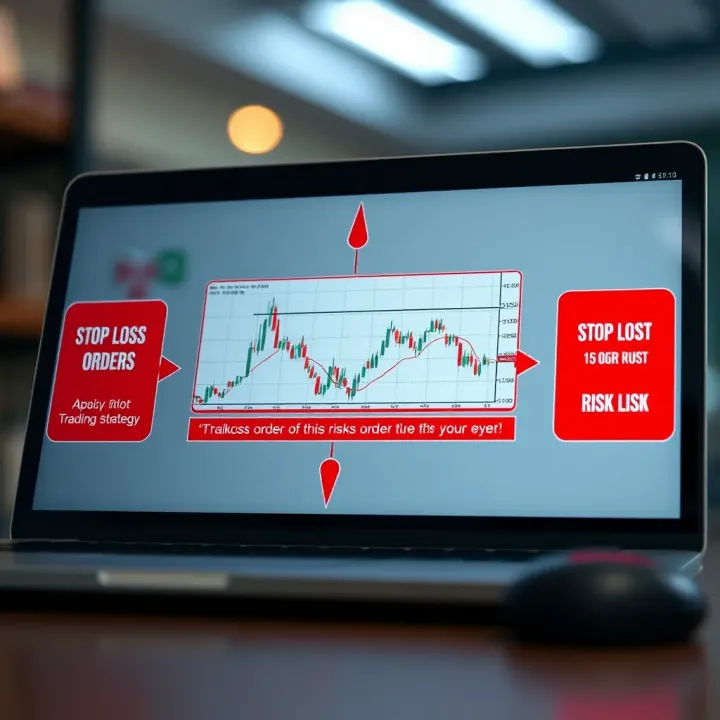
Use stop-loss orders: This tool automatically closes your position at a set price to limit losses. If you buy the USD/KES pair at KSh 110 and you’re willing to lose KSh 500 per trade, set your stop-loss to close once the price drops by that amount.
Set realistic limits: Avoid chasing huge profits in one go. Define daily or weekly loss limits to prevent emotional decisions after a bad trade.
Diversify your trades: Don’t put all your money in one currency pair. Spread your risk across a few pairs like USD/KES, EUR/USD, and GBP/USD to reduce exposure.
Keep a trading journal: Track your trades, outcomes, and what worked or failed. This data helps refine your risk strategy over time.
Integrating these strategies within your broader trading plan helps you maintain discipline and manage the ups and downs of forex markets. It’s about staying in the game long enough to see steady gains rather than chasing quick wins that often lead to heavy losses. In the following sections, we will break down practical steps to apply these principles effectively for Kenyan traders.
Managing risks in forex trading is a vital step for traders, especially those in Kenya where the local currency and economic factors add unique challenges. Understanding these risks helps you avoid needless losses and trade with a clear plan. When you know the types of risks involved, you can prepare smarter strategies to protect your KSh investment.
Market volatility and price swings are real and frequent challenges. Forex markets can shift suddenly due to global events or economic data releases. For example, the US dollar might gain sharply if the Federal Reserve changes interest rates, affecting the KSh/USD pair unpredictably. As a Kenyan trader, if you do not anticipate these swings, your open positions could swiftly turn against you.
Leverage and margin risks are dangerous but tempting for many traders. Forex brokers often offer high leverage, sometimes up to 1:500. While leverage can multiply profits, it also increases your losses similarly. For instance, using KSh 10,000 with 100:1 leverage effectively means controlling KSh 1 million in the market, which can quickly erode your capital if the market moves against you. Margin calls can force you to close trades at a loss unexpectedly.
Counterparty and broker risks refer to the possibility that your broker may not act fairly or might have poor financial backing. Some unregulated brokers might delay withdrawals, or worse, manipulate prices. Kenyan traders should prioritise brokers registered with the Capital Markets Authority (CMA) or recognised entities to reduce this risk.
Political and economic factors affecting currencies can cause abrupt currency value changes. For instance, announcements during Kenya's election periods might weaken the Kenyan shilling, while international trade tensions or commodity price changes can affect other currencies in your portfolio. Staying updated on political news is essential for managing these risks.
The impact of KSh volatility against major currencies is a direct concern. Since many forex trades involve pairs with the US dollar, euro, or British pound, sudden depreciation of the shilling raises the cost of opening or maintaining positions and influences profit or loss calculations. For instance, a 5% drop in KSh against the USD can wipe out gains or amplify losses in your trading account.
Kenyan traders also face local regulatory and tax considerations. The Capital Markets Authority regulates some forex activities, but the enforcement can vary. Traders should be aware of tax obligations on forex profits under the Kenya Revenue Authority (KRA), which expects declaration and payment of applicable taxes like income tax or capital gains tax. Ignoring these rules can lead to penalties.
Lastly, challenges faced by retail traders in Kenya include limited access to reliable platforms, costly data charges, and sometimes slow deposit or withdrawal processes. Also, emotional trading triggered by the country's economic cycles or matatu strike news can cause irrational decisions. Knowing these challenges prepares you to stay disciplined and seek brokers who cater properly to Kenyan clients.
Successfully managing forex risks means not just knowing the market but understanding how local conditions, regulations, and personal limits interact. This knowledge lets Kenyan traders safeguard their capital while making sound trading choices.
Setting clear risk limits is essential for anyone trading forex, especially in Kenya where currency volatility can be high. Without defined limits, traders risk quickly losing more than they can afford, which can wipe out capital and lead to stressful situations. Having effective risk boundaries helps control losses, protects your trading account, and lets you trade with confidence knowing your exposure is manageable.
Your financial capacity sets the foundation for how much risk you can afford to take. If you have savings of KSh 100,000 dedicated to trading, risking 5% on a single trade means accepting a potential loss of KSh 5,000 — a figure you should be comfortable losing without hurting your daily finances. Traders with less disposable income should naturally opt for smaller risk to preserve capital during the ups and downs of the forex market. Equally, setting specific goals such as earning a steady monthly return rather than quick profits helps clarify your acceptable level of risk.
Risk tolerance isn't just about money; it’s also about how you handle stress and uncertainty. Some Kenyan traders might find it hard to stick to loss limits because they feel the urge to recover quickly after a bad trade, leading to impulsive decisions. Knowing your psychological limits helps in choosing a risk size that won’t cause emotional trading or panic. For example, if losing KSh 5,000 in a trade shakes you, consider lowering risk so you stay calm and focused.
A practical way to manage risk is by calculating position size according to how much money you’re willing to lose per trade. Suppose you want to risk 2% of your KSh 200,000 capital on a trade, that’s KSh 4,000. Using the distance between your entry price and stop-loss, you determine how many units of currency you can buy without risking more than KSh 4,000 if the market moves against you. This approach limits losses and helps preserve your capital over time.
Opening too many positions at once without controlling total exposure can increase risk beyond your set limits. For example, if you risk 2% per trade but hold five trades open, your total risk might rise to 10%, which may be too high. Balancing means considering how your different trades add up and adjusting sizes or number of trades accordingly. In Kenya’s fast-moving forex environment, keeping an eye on overall risk prevents sudden blowouts and supports steadier progress.
Effective risk limit settings are the backbone of sustainable forex trading. They help Kenyan traders protect capital while engaging the market confidently and thoughtfully.
Effective risk management in forex trading depends heavily on practical tools that help limit potential losses and lock in profits. For Kenyan traders, using tools like stop-loss and take-profit orders, controlling leverage, and diversifying holdings can make the difference between steady gains and draining their trading capital. These tools provide a clear framework to navigate the forex market's ups and downs deliberately rather than by chance.
Setting stop-loss levels based on volatility helps traders protect themselves from sudden, sharper market moves that occur frequently in forex trading. A stop-loss order automatically closes a position once the price hits a certain level. For instance, if you're trading the USD/KES pair and expect usual daily swings of about 50 points, setting a stop-loss too close—say 10 points away—might result in being stopped out frequently due to normal market noise. Instead, positioning the stop-loss a bit wider, in line with average volatility, avoids premature exits while still limiting losses.
The role of take-profit orders is equally important in securing gains. Setting a take-profit point means you lock in profits once the price reaches a favourable level, instead of risking a reversal. For example, if you buy EUR/USD expecting a move from 1.1000 to 1.1100, placing a take-profit near 1.1095 ensures your profits are booked before the market can turn against you. This helps especially when you can’t monitor trades constantly, which is common for many part-time traders in Kenya.
Understanding leverage limits is vital because leverage magnifies both gains and losses. Most Kenyan brokers offer leverage ratios up to 1:500, but trading at such high levels can quickly wipe out capital. Leverage means borrowing money to control a bigger position than your own funds would allow. Keeping leverage modest, such as 1:10 or 1:20, gives you room to manage trades without risking all your funds on a single position gone wrong.
High leverage increases risks by exposing traders to faster and larger losses. If you use 1:100 leverage, a one percent move against your position erases your entire initial margin. For example, if a trader puts down KS0,000 with 1:100 leverage, their total exposure is KS,000,000. Even slight market swings can trigger margin calls, forcing the closure of positions and significant losses. Being cautious with leverage keeps losses manageable and helps traders stay in the game longer.
Spreading risk across currency pairs reduces the impact of a single adverse move. Instead of focusing on just USD/KES, Kenyan traders might include EUR/USD, GBP/USD, and JPY/USD in their portfolios. These pairs often respond to different economic factors, so losses in one pair might be offset by gains in another. Diversification in forex means not putting all your money into one currency or market event.
Considering other asset types alongside forex is also useful. Adding stocks, commodities like coffee or gold, or local government bonds to your investment mix can protect you when forex markets turn volatile. For instance, if political events cause instability in the Kenyan shilling, commodities or stocks in more stable markets may provide a buffer. This mix spreads risk and gives you multiple sources of potential return rather than relying solely on currencies.
Practical tools like stop-loss orders, controlled leverage, and diversification give Kenyan forex traders a better chance to protect their capital and navigate unpredictable markets with confidence.
A well-structured trading plan is the backbone for consistent success in forex trading, especially when managing risks. Without integrating risk management explicitly into your plan, even the best strategies can lead to unexpected losses. Taking time to define risk parameters and clear exit strategies ensures you know when to cut losses or take profits, avoiding emotional decisions that often cost traders dearly.
Including risk parameters and exit strategies means setting clear rules on how much you are willing to risk per trade and where you will exit if the market moves against you. For example, many Kenyan traders set a maximum risk per trade at 1–2% of their trading capital. Without this boundary, it’s easy to lose more than you can afford, especially during volatile Kenyan Shilling (KSh) fluctuations against major currencies like the US dollar or euro.
Exit strategies go hand in hand with risk parameters. A stop-loss order placed at a strategic level limits losses, while take-profit orders lock in gains. For example, if you buy USD/KSh at 110 and set a stop-loss 1% below entry, your losses are capped if the market turns. Likewise, a take-profit at 2% above entry secures your earnings without second-guessing.
Routine review and adjustment of risk settings cannot be overlooked. Forex markets continuously evolve due to new economic reports, political developments, and global events. A position size that felt comfortable six months ago might be too large after a change in your account balance or personal circumstances. Kenyan traders should regularly audit their trading plan—ideally monthly or quarterly—to tweak risk levels and ensure alignment with their current financial goals and market conditions.
Handling losses without panicking is a skill that separates disciplined traders from those who eventually quit trading. Losses are part of forex trading; accepting them calmly helps avoid chasing losses with bigger, impulsive trades. For instance, if a Kenyan trader losses KSh 5,000 on a trade, reacting emotionally may prompt reckless decisions like doubling up on the next trade, which often worsens losses.
Sticking to your risk limits when the market gets choppy is equally vital. Market fluctuations might tempt you to ignore your set risk to “wait out” a bad position. However, discipline means accepting small, controlled losses to protect your overall capital. Many successful traders in Nairobi and other hubs maintain a strict routine of respecting stop-loss levels and avoiding overexposure despite tempting market signals.
A trading plan that incorporates risk management isn’t just paperwork—it’s a practical tool that guides your decisions and keeps your trading sustainable even when markets turn unpredictable.
Integrating risk management into your trading plan builds resilience and confidence. It helps you focus on strategies that protect your capital, instead of chasing quick wins that put you in harm’s way. Kenyan traders who master this not only safeguard their KSh but also build a sound foundation for long-term trading success.
Managing risk is vital for any forex trader, especially in Kenya where market conditions can suddenly shift due to local and global factors. Yet, many traders fall into predictable traps that erode their capital instead of protecting it. Understanding common pitfalls and how to steer clear can save you from heavy losses and improve your trading discipline.
Consequences of excessive position sizes: Taking on positions that are too large compared to your capital can quickly wipe out your trading account. Imagine a trader risking 10% or more of their KS0,000 account on a single trade. Even a small adverse move of 5% can result in a significant portion of the account lost in one go. Over time, repeated large positions increase your exposure unnecessarily, leaving no room for error. This reckless approach often comes from overconfidence or chasing losses, but usually ends up with early blowouts and demotivation.
Recognising signs of emotional trading: Emotional trading often leads to ignoring risk limits. If you find yourself chasing after losses by increasing trade sizes or rushing into multiple trades without analysis, that's a red flag. Similarly, feelings of frustration, impatience, or fear can cloud judgment, causing you to depart from your trading plan. Kenyan traders may fall prey to this especially during volatile periods, for example when the shilling faces sharp swings against the dollar. Keeping a trading journal and recognising emotional triggers helps curb these tendencies.
Potential losses when leverage is misused: Leverage can magnify gains but also losses. Using high leverage, like 100:1, on a small account means even minor market swings can wipe out your equity. For instance, a KS0,000 deposit with 100:1 leverage controls KS million in currencies; a 1% adverse move means losing KS0,000 — your entire deposit. Many beginners don't appreciate how fast this drains funds, especially when markets are choppy or news-driven.
Tips for cautious leverage use: Limit your leverage according to your experience and capital size. Many seasoned Kenyan traders recommend starting with 10:1 or less and slowly increasing only as you build confidence and solid strategies. Besides, brokers regulated locally often impose maximum leverage to protect traders. Always calculate maximum potential loss per trade before committing funds, and avoid the temptation to use full leverage for every position.
Risks of leaving trades unprotected: Entering a trade without a stop-loss is like driving without brakes. Sudden market moves, such as a political announcement affecting the shilling, can cause the price to move rapidly against your position. If you don’t have a predefined exit, losses can balloon while you wait to see if conditions improve. This often results in emotional decisions or heavy losses beyond initial risk estimates.
Best practices for setting stop-loss levels: Use stop-loss orders based on recent price volatility and technical support/resistance levels. For example, if trading USD/KES, place stops beyond typical daily ranges to avoid being knocked out by normal fluctuations but close enough to limit losses if the trend turns. Adjust stop-losses as trades move favourably, securing profits or limiting risk. Consistently applying this discipline helps protect your capital and keeps you in the game longer.
Start managing your forex risks early by avoiding these common errors. Small steps in discipline can make your trading experience sustainable and grow your confidence in the Kenyan forex market.
Explore how forex trading bots automate currency trades, their benefits, risks, and tips for Kenyan traders seeking smarter market moves 🤖💱📉
Explore forex trading in Kenya with our detailed guide 🏦. Learn to pick the right brokers, understand regulations, and trade confidently in the local market 📊.
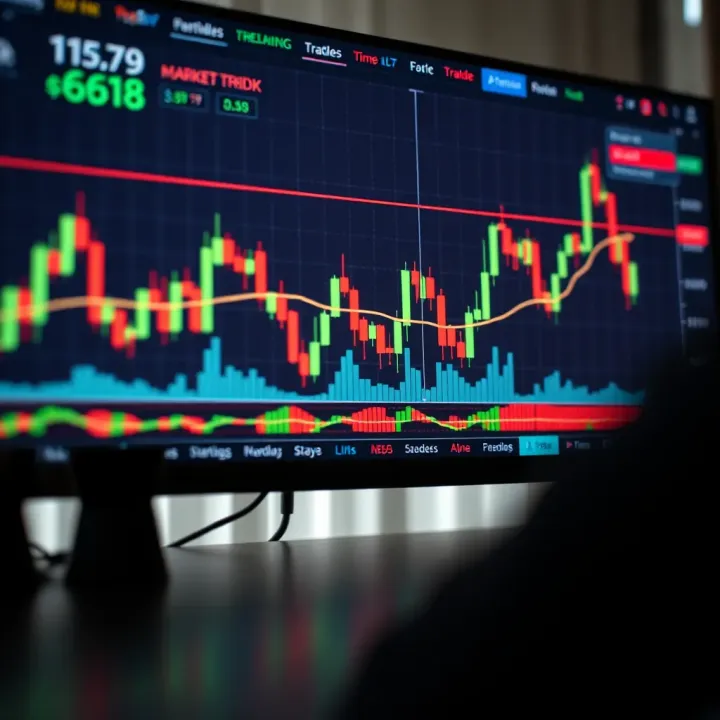
📈 New to forex trading? Discover key insights, practical tips, and risk management strategies designed to help beginners in Kenya trade confidently and wisely.
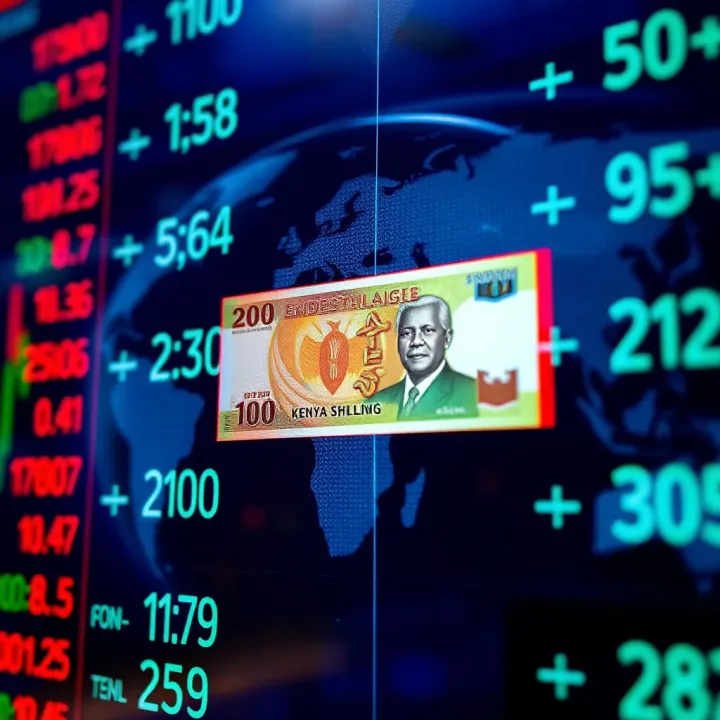
Learn forex trading in Kenya 🌍 with a practical guide covering market basics, key terms, strategies, risk management, and local regulations to trade confidently.
Based on 13 reviews