

Forex Risk Management Tips for Kenyan Traders
📉 Master forex risk management for Kenyan traders! Learn key strategies to protect capital, control losses, and trade confidently in volatile markets.
Edited By
Isabella Turner
Risk management is essential for anyone dealing with finance or running a business in Kenya. It means spotting potential problems early and handling them before they cause losses. For traders, investors, brokers, and finance analysts, understanding how to manage risk can protect their capital and improve decision-making.
At its core, risk management involves four key steps: identifying risks, evaluating their potential impact, deciding how to respond, and keeping track of the results. For example, a trader on the Nairobi Securities Exchange (NSE) might identify currency fluctuations as a risk. They would then assess how much a Shilling depreciation could affect their portfolio. Based on this, they may choose to hedge using forex contracts or diversify into other assets.

Organisations in Kenya often face risks like fluctuating commodity prices, regulatory changes, political events, and operational challenges. Clearly defining these risks early helps businesses avoid surprises and maintain steady growth. In practice, risk treatment options include avoiding risky ventures, reducing risk through controls, transferring risk via insurance, or accepting it when necessary.
Effective risk management relies heavily on cultivating the right risk culture within an organisation. This means encouraging openness to discuss risks and empowering teams to address problems promptly rather than ignoring warning signs.
Continuous monitoring is vital too. Kenyan businesses should regularly review their risk environment — for instance, during the long rains season, supply chain disruptions could spike, needing updated response plans. This ongoing vigilance helps in adapting strategies and avoiding losses.
Aligning risk management strategies with your organisation’s goals is also critical. A bank aiming to expand services should manage credit risks prudently, while a manufacturing firm might prioritise machinery maintenance to prevent production halts.
Identify and assess risks relevant to your specific sector.
Select practical treatments based on cost and impact.
Promote a culture that encourages risk awareness.
Monitor risks continuously and adjust plans.
Ensure risk strategies support your business objectives.
Understanding and applying these principles can make a tangible difference in securing financial health and business success here in Kenya.
Understanding the foundations of risk management is essential for anyone working within finance, trading, or investment. At its core, risk management helps organisations anticipate and prepare for uncertainties that could affect their goals. Without this solid groundwork, businesses may face unexpected losses, legal challenges, or damage to their reputation.
Risk management refers to the systematic process of identifying, analysing, and responding to risks that might threaten an organisation’s assets or earnings. The purpose is straightforward: to reduce the chance and impact of negative events while seizing opportunities in a controlled way. For example, a stockbroker managing client portfolios needs to assess market volatility to minimise losses. Similarly, a finance analyst working on corporate budgets reviews economic forecasts to suggest prudent spending limits. In Kenya’s fast-changing market environment, having clear risk management practices helps businesses stay resilient amid economic shifts or regulatory changes.
Managing risks is more than just ticking boxes; it directly supports the continuity and growth of a company. When risks are properly handled, organisations avoid costly disruptions such as fraud or supply chain breakdowns. For instance, a Kenyan retailer might face risks from fluctuating import costs or delayed shipments. By managing these risks—through strategies like securing advance payments or diversifying suppliers—the retailer keeps shelves stocked and customers happy. Moreover, effective risk management gives investors and stakeholders confidence. Banks, for example, rely on robust risk controls before approving loans to businesses. Companies with poor risk oversight may struggle to access credit, slowing growth. Beyond finances, managing risks also safeguards an organisation's reputation, especially in a digital age where news spreads fast. In short, risk management acts as a safety net, allowing businesses to navigate uncertainties with greater assurance and focus on their long-term objectives.
Good risk management is like having insurance for your business decisions—it's not about avoiding risks entirely but being prepared to handle them when they arise.
By laying down a clear understanding of what risk management entails and why it matters, organisations build a strong foundation. This foundation supports all further steps, such as spotting risks early or deciding how best to respond, making sure business ambitions are safeguarded rather than threatened.
Identifying and assessing risks is a critical step in risk management that sets the stage for effective control and mitigation. Without a clear picture of what threats exist and how severe they might be, organisations and investors operate in the dark, leading to poor decisions and avoidable losses. In Kenya’s dynamic business environment, identifying risks early can mean the difference between weathering shocks such as supply chain disruptions or currency fluctuations and suffering serious setbacks.

Risk identification involves systematically spotting potential dangers that could affect an organisation or investment. These risks could be financial, operational, regulatory, or environmental. For example, a trader dealing in agricultural commodities must watch for weather patterns that might disrupt harvests or transport strikes that block key supply routes. In practice, risk identification often uses tools like checklists, brainstorming sessions with key staff, and review of past incidents.
It is important to consider both internal and external threats. Internal risks may include equipment failure or staff turnover, while external risks could be new government policies or economic downturns. Many Kenyan SMEs overlook risks like delayed payments from clients, but this cashflow risk can cripple small operations quickly.
Once risks are identified, evaluating their likelihood and potential impact helps prioritise which demands urgent attention. This process measures how probable an event is and how severe its effects could be on objectives like profit margins or project timelines. For instance, a broker noticing rising inflation rates may assess that this risk has a high likelihood and a significant impact on clients’ portfolios.
Practical evaluation often involves rating risks on a scale—say, from low to high—for both likelihood and impact. Risks with high probability and high impact receive immediate mitigation strategies, while those with lower ratings might only need monitoring. For example, a finance analyst at a Nairobi firm may flag exchange rate fluctuations as both probable and impactful, prompting the use of hedging tools.
Properly evaluating risks helps allocate limited resources wisely, focusing on threats that can cause the most damage.
Using data and expert judgment improves accuracy during risk evaluation. Kenyan businesses can draw from local market reports, historical sales data, or expert consultations. This grounded approach avoids wasting effort on unlikely or minor risks while ensuring critical threats are not missed.
Together, identifying and assessing risks give traders, investors, and finance professionals a clear map to navigate uncertainties and protect their goals effectively.
When managing risks, how you respond is just as important as knowing what risks exist. Approaches to risk treatment are about deciding what to do with each identified risk to reduce its effects on the organisation. The goal is to choose the best way to protect business operations and financial health without wasting resources. In Kenya’s dynamic business environment, practical and clear risk treatment strategies help traders, investors, and analysts like you make informed decisions.
Risk avoidance means steering clear of activities that might cause harm. For example, a small exporter might avoid sourcing raw materials from a region prone to flooding to prevent supply disruptions. This strategy cuts out the risk completely but might also mean missed opportunities.
Where avoidance is not possible or too costly, risk reduction helps lower the chance or impact of risk. A local manufacturing firm, for instance, could invest in backup generators so that power outages—a common issue in some counties—do not halt production. Installing fire extinguishers or training staff on safety can further reduce accident risks. Risk reduction balances prudence with continuing essential business activities.
Sometimes it makes more sense to share or transfer risks rather than handle them alone. Insurance is a common method—an investor in Nairobi might take out an insurance policy to cover theft or fire at her rental property. This transfers the financial burden to the insurer if the risk materialises.
Other arrangements include partnerships or joint ventures, where two parties share risks and rewards. A supplier may enter a contract with a buyer that shifts some risk for late delivery penalties onto the supplier, incentivising prompt deliveries. This spreads risks and often brings expertise together to handle uncertainties better.
Not all risks can be avoided, reduced, or transferred fully. Residual risks are those that remain after treatment measures. Accepting these risks means the organisation understands them and is prepared to manage the consequences if they occur.
For example, a stockbroker in Mombasa might accept currency exchange risks when dealing with foreign clients. Instead of trying to eliminate this, they continuously monitor market movements and adjust strategies accordingly. Accepting residual risk is pragmatic, but it requires vigilant monitoring to avoid surprises.
Effective risk treatment combines these approaches smartly. You must weigh costs, benefits, and your organisation’s risk appetite to keep harm in check while seizing opportunities.
By integrating the right mix of avoidance, reduction, sharing, and acceptance, Kenyan businesses and investors can better navigate uncertainty and safeguard their goals.
Effective risk management depends heavily on two interconnected practices: clear communication and ongoing monitoring. Both elements ensure that risks are not only identified and assessed but also properly managed and adapted to as circumstances change. This is especially relevant for Kenyan businesses operating in dynamic markets where unexpected shifts, such as policy changes or economic fluctuations, can quickly affect risk profiles.
Clear communication about risks within an organisation helps everyone—from top management to frontline workers—understand potential threats and their possible impacts. When risk-related information is openly shared, teams can respond faster and more coherently. For instance, a Nairobi-based investment firm that regularly briefs its analysts on emerging market volatility can adjust portfolio strategies more swiftly, reducing losses.
Communication must be simple yet precise. Avoid overcomplicated jargon that confuses rather than clarifies. Instead, use concrete examples relevant to the audience’s context, such as explaining how currency fluctuations might affect an import business relying on goods from outside East Africa. Besides internal messaging, transparent communication extends to stakeholders like clients, suppliers, and regulators. Clear updates build trust and reduce rumours or misinformation that could exacerbate risk.
Continuous monitoring means keeping a steady eye on known risks and scanning the environment for new ones. Risks evolve — what seemed negligible six months ago can turn serious today. For example, a Kenyan tea exporter might track weather patterns and global demand shifts to anticipate price drops or crop failures.
Updating risk management strategies follows naturally from this vigilance. It requires regularly reviewing risk registers, assessing whether controls remain effective, and adjusting plans accordingly. Businesses that embrace such adaptability avoid being blindsided by rapid market changes.
Practical tools like risk dashboards or software can help firms track key indicators, such as currency rates, political developments, or supply chain disruptions. Similarly, regular risk review meetings involving diverse teams ensure multiple perspectives are factored in.
Continuous communication and monitoring form the backbone of responsive risk management. Without these, businesses risk flying blind, unable to react in time to challenges that impact their survival and growth.
Overall, Kenyan traders, investors, and finance professionals should focus on embedding clear communication and regular monitoring into their risk management routines. These steps enhance readiness and promote a proactive, rather than reactive, approach to handling uncertainty.
Creating a risk-aware culture is vital in Kenyan businesses, especially in sectors prone to rapid changes like finance and agriculture. When employees at all levels understand risks and actively participate in managing them, the organisation stands a better chance of avoiding costly surprises. At the same time, aligning risk management with organisational goals ensures that risk activities support what the company aims to achieve, rather than working at cross-purposes.
Encouraging risk awareness begins with clear communication and training. For example, a Nairobi-based investment firm might hold workshops where employees learn how market fluctuations could affect portfolio values and what early warning signs to watch for. This approach helps front-line staff—who may not be in finance roles—recognise risks such as client default or regulatory changes.
On top of formal training, creating a culture where employees feel comfortable raising concerns without fear of blame is essential. In many Kenyan SMEs, workers hesitate to report problems, fearing repercussion or dismissal. Leadership must deliberately encourage openness, perhaps by introducing anonymous reporting tools or regular ‘risk check-in’ meetings.
When staff actively engage with risk topics, they contribute insights from their unique perspectives, strengthening the organisation's overall ability to spot and respond to issues.
Risk management shouldn't exist in isolation from business objectives. For instance, a horticulture exporter targeting the European market must align their risk strategy with quality standards and delivery timelines to maintain client trust. This means identifying risks like transport delays or changing agrochemical regulations, then embedding mitigation plans within broader operational strategies.
A practical way to integrate is by involving risk officers in strategic planning sessions. This ensures potential risks get considered when setting targets, budgeting, or launching new projects. Moreover, tying risk management performance to key performance indicators (KPIs) keeps teams accountable.
In Kenyan startups, where resources are tight, aligning risk efforts with goals avoids wasting time on irrelevant risks. Instead, it pushes focus towards threats that could derail growth or funding.
By fostering a risk-aware culture and linking risk management with what the organisation wants to achieve, companies build resilience and improve decision-making. This approach helps them navigate Kenya’s dynamic market environment with confidence.
📉 Master forex risk management for Kenyan traders! Learn key strategies to protect capital, control losses, and trade confidently in volatile markets.
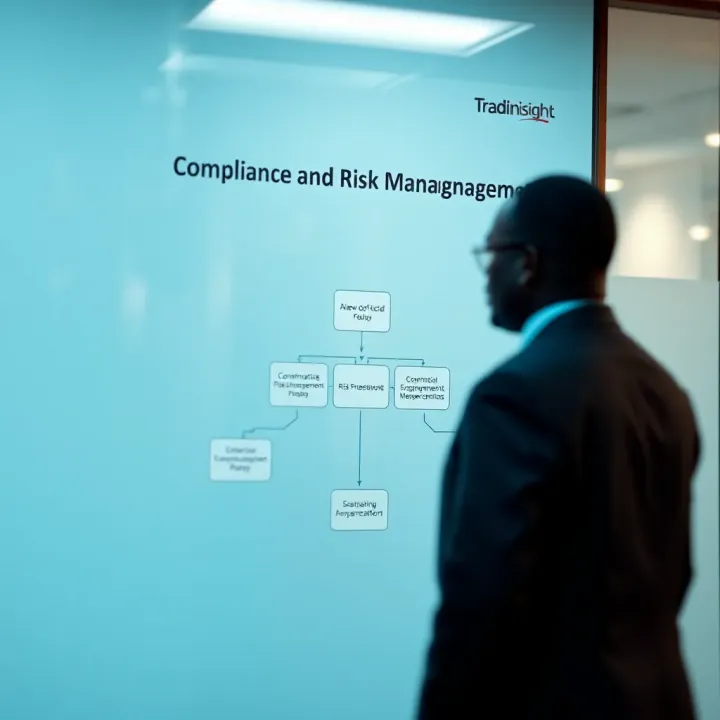
Explore how Kenyan businesses manage compliance and risks, tackle challenges, adopt best practices, and use technology for safer operations 📊⚖️
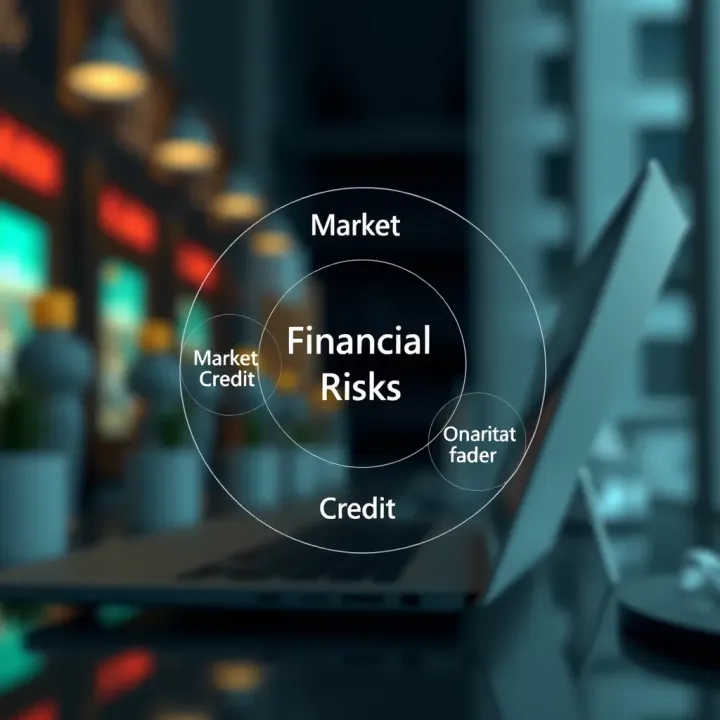
📊 Explore solid strategies and practices for managing financial risk in Kenya. Learn to identify risks, use technology, and navigate regulations effectively.

Explore how Kenyan businesses can boost resilience by mastering Enterprise Risk Management. Learn key steps, tackle challenges, and use tech for better risk control 📊🔒
Based on 12 reviews