
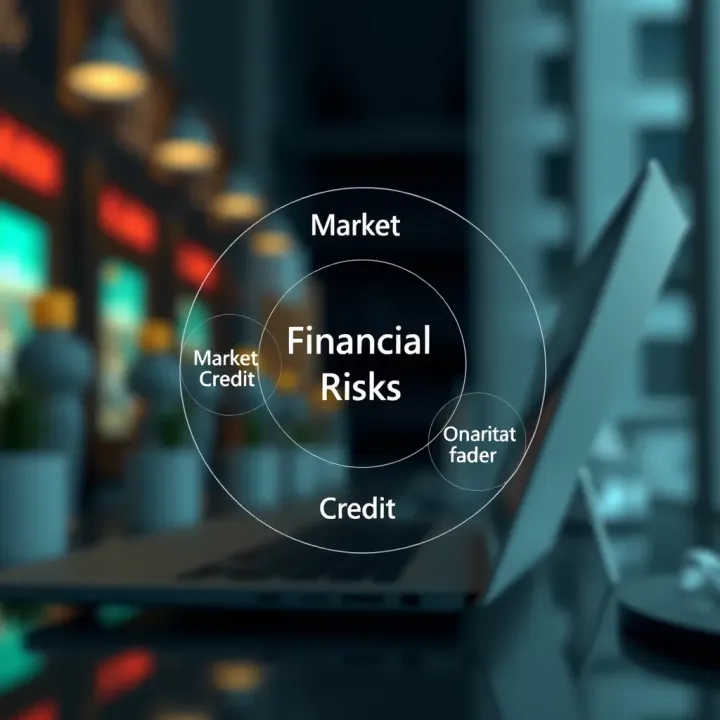
Understanding Financial Risk Management in Kenya
📊 Explore solid strategies and practices for managing financial risk in Kenya. Learn to identify risks, use technology, and navigate regulations effectively.
Edited By
Amelia Grant
Risk management and financial performance go hand in hand. For businesses in Kenya, understanding this connection is not just an academic exercise but a practical necessity. Whether you’re a trader in Nairobi’s CBD, an investor in the NSE (Nairobi Securities Exchange), or a finance student preparing for exams, grasping how risks affect profits can sharpen your decisions.
Every business faces risks like currency fluctuations, credit defaults, or changes in regulatory policies. For example, a small exporter relying on the US dollar versus Kenyan shilling exchange rate must manage currency risk lest profits vanish overnight. Similarly, a retailer using M-Pesa payments must guard against fraud or system downtime, which can impact cashflow.

Good risk management minimises surprises and protects the bottom line. It involves:
Identifying risks: Spotting potential trouble spots early, such as rising petrol prices that could hike transportation costs.
Assessing impact: Estimating how much each risk could affect profits or operations.
Mitigation strategies: Using insurance, diversifying suppliers, or hedging currency exposure.
"Effective risk management ensures that businesses not only survive economic shocks but also build sustainable financial strength over time."
A clear example is Equity Bank’s approach during volatile periods. By actively managing credit risk and maintaining diversified investments, they balance growth with financial stability. This translates to steady returns for investors and confidence for depositors.
On the flip side, neglecting risks often leads to losses or business collapse. Companies caught off guard by defaults or policy changes suffer cash crunches that hurt growth prospects. For Kenyan SMEs, this risk-return balance is even more delicate due to limited buffers and access to credit.
Understanding the practical link between risk and financial performance helps you make decisions such as:
How much capital to keep as a buffer.
Which investments carry manageable versus unacceptable risk.
When to seek risk insurance or use hedging instruments.
In short, risk management is not just a finance department’s job. Traders, analysts, and investors benefit by aligning risk appetite to financial goals. This ensures optimal returns without exposing business to needless hazards.
Next, we will explore key types of financial risks and how Kenyan firms tackle them effectively.
Understanding financial risks is fundamental for anyone involved in managing or analysing businesses. These risks directly affect how well a company performs financially. By recognising different types of risks and their impacts, traders, investors, and analysts can make more informed decisions that protect assets and improve returns. For Kenyan firms, particularly those operating in volatile markets or facing fluctuating regulatory landscapes, clear comprehension of financial risks is even more essential.
Market risk refers to the potential losses due to changes in market factors such as interest rates, currency exchange rates, and commodity prices. For example, a Nairobi-based exporter might suffer when the Kenyan shilling unexpectedly strengthens against the US dollar, reducing profit margins on goods sold abroad. Traders and investors watch market risk carefully because it can create rapid shifts in asset values that affect portfolios within days or even hours.
Credit risk is the chance that customers or counterparties fail to meet their financial obligations. Consider a small supplier selling on credit to a chain of stores in Mombasa; if those stores delay payments or default, the supplier’s cash flow tightens, risking their ability to pay staff or suppliers. This risk is central for lenders and businesses extending credit, as poor credit management can quickly snowball into broader financial trouble.
Liquidity risk involves the possibility that a business cannot convert assets into cash quickly enough without significant loss in value, or faces difficulty meeting immediate cash demands. For instance, a farmer with large stockpiles of maize might struggle if market demand drops suddenly, making it hard to sell produce without cutting prices drastically. Liquidity risk affects day-to-day operations since businesses need a reliable cash flow to settle expenses like wages, rent, and loan repayments.
Operational risk stems from failures in internal processes, systems, or human errors. An example could be a bank facing losses after an IT glitch leads to incorrect transaction postings or security lapses. This type of risk often doesn’t make headlines but can cause severe disruptions and financial losses quietly, especially in firms relying on technology and complex supply chains.
Effects on cash flow are immediate and visible when risks materialise. Disruptions caused by late payments, market shocks, or operational failures reduce available cash and force businesses to seek short-term borrowing, often at higher costs. For a Kenyan entrepreneur, this might mean using excess overdraft or mobile loans like Fuliza to plug gaps, which affects profitability and day-to-day stability.
Impact on investment decisions is significant because risk levels shape where and how money is deployed. Investors prefer companies with balanced risk management as they signal steadier returns. Without adequate understanding, firms may invest too aggressively in risky ventures or avoid opportunities altogether, missing potential growth in sectors like agriculture or technology.
Influence on cost of capital plays out in how lenders and equity investors price risk. For example, if KCB perceives high credit and operational risks in a borrower’s business, it might demand higher interest or tighter lending terms. This means companies with unmanaged risks pay more to finance expansion, reducing competitiveness and squeezing margins.
Sound risk awareness helps balance the fine line between protecting assets and chasing profitable growth, which is vital for sustainable financial performance.
By appreciating these elements, finance professionals and business owners position themselves better to face economic ups and downs, optimise investment returns, and maintain smoother cash flows despite unpredictable challenges.
Risk management in finance is not just about avoiding losses; it is about structuring your approach to protect and optimise financial performance. Core principles help businesses recognise potential threats early and react appropriately, thereby reducing surprises that could destabilise operations. For instance, Nairobi-based SMEs often face currency fluctuations when importing goods, which can hurt profit margins if risks aren't identified and managed upfront.
Risk mapping is a visual process that helps firms spot all possible financial risks across different departments or activities. By laying out where risks like credit defaults, market swings, or liquidity shortages could emerge, businesses can prioritise which areas need urgent attention. In practical terms, a manufacturer in Kenya might map risks by examining suppliers, export market conditions, and payment terms to prevent unexpected cash flow gaps.
Quantitative and qualitative assessments involve measuring risks both numerically and through subjective judgement. Quantitative tools provide concrete numbers—for example, estimating potential financial losses from interest rate hikes. Qualitative assessments, on the other hand, consider the context, like management’s ability to respond to a crisis or reputational effects. Combining both methods gives a clearer picture, especially when exact data is scarce, as can happen with informal business sectors in Kenya.
Scenario analysis tests how various future events, such as economic downturns or new regulations, could affect finances. This approach lets businesses prepare for multiple possibilities rather than assume a single outcome. A trading company in Mombasa may use scenario analysis to evaluate the impact of tighter import restrictions or fuel price surges on their profitability, helping them build contingency plans.
Diversification spreads risk by investing or engaging in several areas instead of putting all eggs in one basket. For example, a Kenyan exporter might serve different markets across East Africa to reduce reliance on any single country's economy. This way, if one market faces trouble, revenue from others cushions the blow.
Hedging instruments act like financial insurance. For instance, firms trading in forex may use forward contracts or options to lock in exchange rates, shielding their operations from currency volatility. In Kenya, companies importing raw materials often turn to such instruments to stabilise costs amidst frequent shilling fluctuations.
Insurance and contingency planning safeguard against heavy losses from unexpected events like fire, theft, or natural disasters. A small retailer in Kisumu might insure property and stock to avoid devastating setbacks. Besides insurance, preparing contingency plans—such as backup suppliers or alternative financing—helps businesses respond quickly without derailing financial performance.
Effective risk management relies on understanding risks deeply and applying the right mix of techniques tailored to your business context. Integrating these core principles boosts resilience and supports smoother financial outcomes even when challenges arise.
Effective risk management directly influences a company's financial results, shaping profitability, credit status, and investor trust. Understanding this connection helps businesses anticipate challenges and safeguard their earnings, which is especially vital in Kenya's dynamic economic environment.
Reducing unexpected losses: Losses from unforeseen events can quickly drain business resources. For example, a small manufacturer in Nairobi that lacks proper supply chain risk controls may face costly interruptions when a key supplier fails to deliver on time. By identifying these risks early and setting contingency plans, such businesses avoid sudden expenses that could wreck their cash flow. This proactive approach protects profit margins and ensures operations run smoothly despite shocks.
Stabilising earnings: Regular, predictable earnings attract both local and international investors. Companies that manage risks well avoid big swings in revenue caused by currency fluctuations, market demand changes, or operational hiccups. For instance, a Kenyan exporter who hedges against the shilling's volatility gains steadier income streams. Stable earnings support budgets, making it easier to plan investments and pay staff on time.
Improving creditworthiness: Lenders and suppliers gauge a firm's risk profile when deciding whether to extend credit. Businesses practising sound risk management signal financial discipline and reliability. For example, a retail chain that monitors inventory risks and controls debt levels will likely secure favourable loan terms from banks. Better creditworthiness lowers borrowing costs and opens doors to capital necessary for growth.
Building investor confidence: Investors want assurance their funds are safe and growing. Demonstrating strong risk controls, such as transparent reporting and adherence to regulatory requirements, builds trust. In Kenya's stock market, companies that communicate effective risk strategies generally enjoy higher share prices as investors perceive lower chances of sudden losses.
"Consistent risk management practices reassure shareholders and attract new investment, creating a virtuous cycle of value growth."
Supporting sustainable growth: Beyond short-term profit, managing risk carefully supports ongoing business expansion. Companies that balance risk and opportunity can invest confidently in new products, technologies, or markets. For example, a Nairobi-based fintech startup using analytics to predict credit risk can safely extend loans to more customers without heightening default rates. Sustainable growth cultivates long-term shareholder wealth and competitive advantage.
In summary, linking risk management to financial outcomes is about turning risk awareness into concrete results—reducing shocks, keeping earnings steady, improving financial standing, and pleasing investors. Kenyan businesses that get this balance right are better placed to thrive amid economic ups and downs.
Kenyan businesses encounter unique hurdles in managing financial risks, which directly influence their performance and sustainability. Understanding these challenges helps firms develop more effective strategies to protect their assets and improve profitability. This section highlights key factors such as market volatility, regulatory demands, resource limitations, and skill gaps affecting risk management practices within Kenya’s business environment.
Volatile market conditions pose a significant challenge for Kenyan enterprises. The economy is often subject to sudden changes due to factors like fluctuating commodity prices, currency instability, or shifts in consumer demand. For instance, small retailers in Nairobi can experience erratic sales patterns during election seasons or rainy periods disrupting supply chains. These fluctuations make it difficult for businesses to forecast cash flows accurately or plan long-term investments.
Regulatory compliance demands also impact risk management in Kenya. Businesses face a complex web of rules from several entities such as the Kenya Revenue Authority (KRA), the Capital Markets Authority (CMA), and county governments. Adhering to tax policies, licensing procedures, and reporting standards requires dedicated financial management. Failure to comply can result in penalties, which add unexpected costs and strain limited resources. For example, informal SMEs often struggle with VAT registration and filing, which affects their ability to operate legally and access formal credit channels.
Access to risk management tools remains limited, especially among small and medium-sized businesses. Advanced software for financial modelling, scenario analysis, or market monitoring can be expensive or technically demanding to implement. Many firms still rely on manual record-keeping or basic spreadsheets, increasing the likelihood of errors or missed risk signals. This gap reduces the ability to identify emerging threats early and respond appropriately.
Skill gaps in financial planning further restrict effective risk management. Many Kenyan firms lack personnel with specialised training in risk assessment or financial forecasting. This shortage hinders the integration of risk controls into everyday decision-making. For example, jua kali artisans may understand the importance of saving but struggle with budgeting for fluctuating costs like raw materials or tool replacement. Enhancing financial literacy through targeted training and advisory services can bridge this gap, equipping managers to handle uncertainty better.
To manage risks effectively, Kenyan businesses must address these challenges through practical solutions, including leveraging affordable technology and investing in staff capacity building. Doing so improves resilience, supports steady financial performance, and attracts investor confidence.
In summary, market volatility, regulatory pressures, resource constraints, and skill deficiencies create a tough environment for risk management in Kenya. Recognising these barriers is the first step towards building stronger frameworks that safeguard business growth and financial stability.
Improving risk management is not just a theoretical exercise for Kenyan firms; it directly influences their financial health and operational stability. Practical steps help businesses anticipate challenges and respond effectively, avoiding costly shocks. These steps become even more vital considering the local economic unpredictability and rapid market changes.
Strong leadership is the backbone of a risk-aware culture in any firm. Kenyan business leaders must champion risk management by setting clear policies and expectations. When top managers actively engage in identifying and mitigating risks, it sends a clear message across the organisation that risk management is a priority. For example, an SME owner in Nairobi who regularly reviews cash flow risks with their finance team encourages a proactive approach rather than a reactive one.
Leadership also means allocating enough resources and supporting training initiatives that enable teams to understand and manage risks. Without this guidance, risk management efforts can easily become sidelined as daily pressures take precedence.
Regular training keeps staff alert to potential threats and equips them with skills to handle risks wisely. In the Kenyan context, this could be practical workshops on managing currency fluctuations for exporters or how to deal with regulatory changes affecting taxes and compliance.
Clear communication across all levels reduces misunderstandings and fosters shared responsibility. Companies that share risk reports and updates transparently tend to spot warning signs early, allowing for timely action. For instance, a tea processing firm that routinely briefs its workers about supply chain risks can better avoid disruptions during the harvest season.
Technology offers Kenyan firms tools to monitor risks continuously and streamline decision-making. Adopting financial software like QuickBooks or tailored ERP (Enterprise Resource Planning) systems helps track expenses, debts, and revenues in real-time. This visibility is invaluable, especially for firms juggling multiple revenue streams or dealing with fluctuating costs.
With the surge in mobile money integration, combining these platforms with M-Pesa transactions provides a clearer picture of cash flows. A retailer in Mombasa, for example, using such software can swiftly detect unusual payment patterns or credit defaults, allowing quicker interventions.
Data analytics allows firms to anticipate risks before they fully emerge. Kenyan businesses can analyse sales trends, market prices, and customer behaviour to predict downturns or identify emerging opportunities.
For instance, an agro-business might use rainfall data combined with market pricing to forecast supply shortages or price spikes. This helps them adjust purchasing and sales strategies ahead of time. While the upfront cost of analytics software may seem high, the payoff in risk reduction and informed planning often outweighs the expense.
Practical risk management starts with people and tools working hand in hand. Kenyan firms that cultivate a risk-aware culture and back it up with smart technology stand a better chance at steady financial performance and growth.
In summary, Kenyan companies that take practical steps to build strong leadership around risk and use technology effectively will improve their resilience. These actions make risk management a living part of business operations rather than a paper exercise, ultimately boosting financial results and sustainability.
Examining real-life cases from Kenyan businesses offers valuable insights into how risk management practices translate to financial success or setbacks. Kenyan enterprises operate in a unique environment shaped by local market conditions, regulatory demands, and socio-economic factors. Practical examples highlight specific challenges and successes, making theoretical concepts more tangible and relevant.
These stories help traders, investors, and financial analysts understand how companies adapt risk strategies amid fluctuating currency rates, supply chain disruptions, or political uncertainty. By studying businesses’ experience with risks, readers can spot patterns, avoid common pitfalls, and apply effective methods tailored to Kenyan realities.
Retailers in Kenya have demonstrated nimbleness by adapting their risk management approaches to shifting consumer behaviours and supply challenges. For example, during the COVID-19 pandemic, some supermarket chains like Naivas and Carrefour implemented digital payment options such as Lipa Na M-Pesa to reduce cash handling risks and improve transaction efficiency.
Besides technology adoption, these retailers diversified suppliers to prevent stockouts amid import delays. This approach reduced their exposure to single-source risks and maintained product availability, keeping customer trust while controlling costs. Their proactive risk handling supported steady revenue flow despite economic uncertainties.
Manufacturing firms in Kenya face risks ranging from raw material price volatility to operational downtime. Some manufacturers have employed risk controls such as inventory buffer stocks and real-time monitoring of production lines. For instance, Bidco Africa uses sophisticated supply chain analytics to forecast input costs and adjust procurement plans accordingly.
Moreover, adopting preventative maintenance for machinery has minimised costly breakdowns. These controls not only protect profit margins by reducing unexpected expenses but also improve delivery reliability, boosting client confidence in the firm’s capability.
Several Kenyan businesses have suffered significant financial stress from inadequate risk planning. Poor assessment of credit risk, for example, can lead to bad debts that strain cash flow. In the jua kali sector, some traders extending credit without clear terms have experienced losses that forced them to scale down operations or close shops.
Neglecting regulatory changes is another frequent cause of trouble. Firms caught off guard by tax policy shifts or compliance demands face penalties and disrupted operations. Such incidents serve as warnings about the cost of underestimating the spectrum of risks.
Recovering from financial setbacks in Kenya often involves restructuring debts, revising business models, and enhancing risk oversight. Companies typically renegotiate payment terms with creditors to ease liquidity pressures. Successful rebuilders also invest in staff training on risk awareness to prevent repeat mistakes.
A good example is a medium-sized agribusiness that, after a failed export deal, diversified its markets and improved quality controls to regain profitability. Building strong relationships with financiers and adopting transparent financial reporting proved vital in restoring investor confidence.
Learning directly from Kenyan enterprises’ risk management journey empowers firms and stakeholders to navigate complexities with grounded strategies suited to local conditions.
📊 Explore solid strategies and practices for managing financial risk in Kenya. Learn to identify risks, use technology, and navigate regulations effectively.

Explore practical financial risk management tips 📊 for Kenya's professionals. Learn to identify, measure & reduce risks using key tools & PDFs.

📉 Master forex risk management for Kenyan traders! Learn key strategies to protect capital, control losses, and trade confidently in volatile markets.
Explore how Kenyan businesses manage compliance and risks, tackle challenges, adopt best practices, and use technology for safer operations 📊⚖️
Based on 5 reviews