
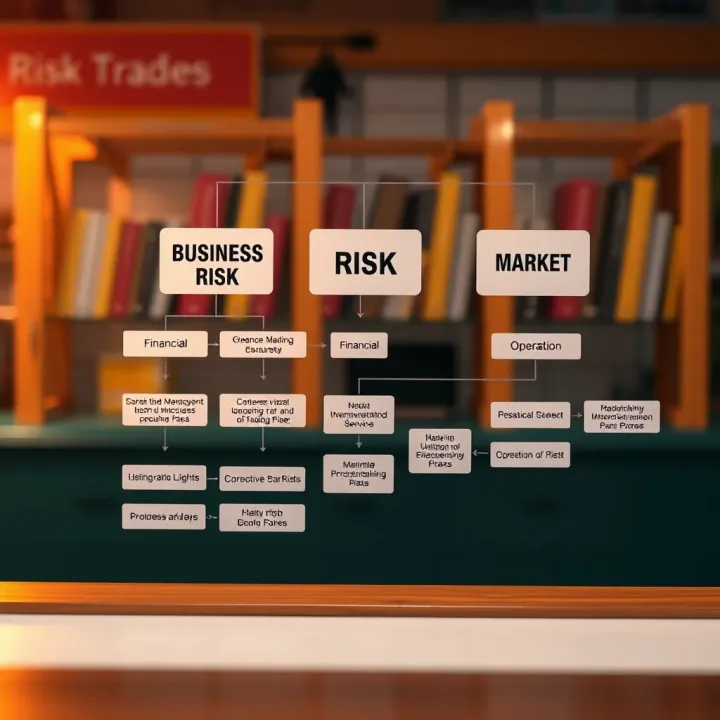
Understanding Risk Management for Kenyan Businesses
📊 Understand risk management basics and methods that Kenyan businesses can apply to stay resilient, make smarter decisions, and secure growth.
Edited By
Isabella Reed
Risk management is about spotting potential problems before they hit and finding ways to handle them smoothly. For Kenyan businesses, this isn’t just a good-to-have—it’s a must, since the business environment here faces unique challenges like fluctuating exchange rates, regulatory changes, and unpredictable weather patterns that can affect supply chains.
A risk management framework is essentially a structured approach companies use to identify, assess, and manage these risks systematically. Instead of reacting to issues randomly, businesses put in place organised processes that help minimise losses and protect their assets. For example, a small kioski in Nairobi might use simple daily cash tracking alongside alerts from suppliers, while a bigger firm like a textile exporter would have a formal risk register and regular reviews.
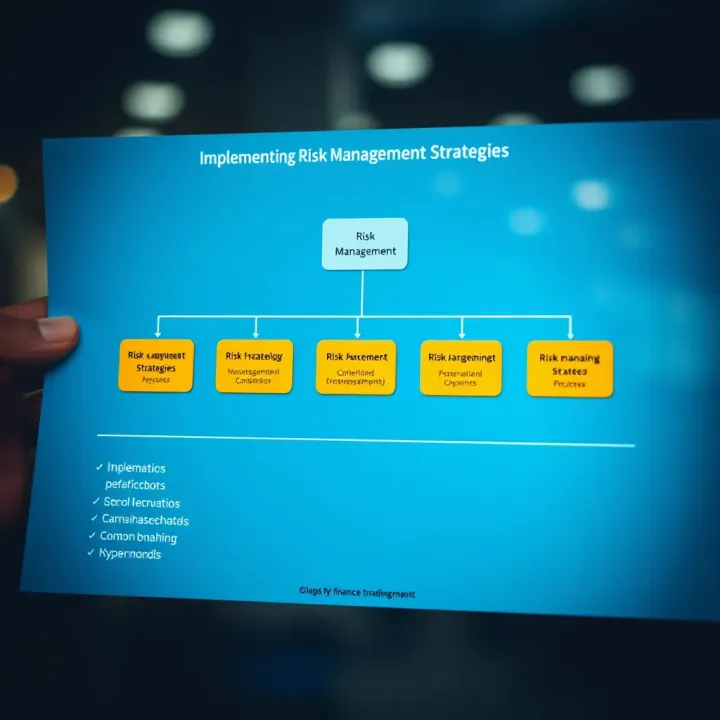
Organisations can implement a risk management framework through five key steps:
Identification: Recognising possible risks, like currency fluctuations or power outages.
Assessment: Understanding the likelihood of each risk and what impact it could have.
Control measures: Putting plans in place such as contracts with suppliers or alternative energy sources like solar.
Monitoring: Regularly checking that controls work and adapting as new risks emerge.
Communication: Keeping all relevant stakeholders informed, from management to frontline staff.
Successful risk management goes beyond just ticking boxes; it requires ongoing effort and involvement from every part of the business.
For Kenyan businesses, the benefits are clear: smoother operations, compliance with bodies like KRA or NSSF, and better decision-making. However, challenges such as limited financial resources, lack of expertise, or resistance to change may appear. Practical steps to overcome these include training workshops, leveraging affordable technologies like mobile apps for tracking risks, and building partnerships—like collaborating with brokers or financial analysts—to share insights.
Understanding and applying a risk management framework can help businesses withstand shocks, keep customers and suppliers confident, and support steady growth in Kenya’s dynamic market.
A risk management framework is a structured approach that helps organisations identify, evaluate, and handle risks that could impact their operations or goals. It acts like a map, guiding businesses on how to spot potential problems before they become serious issues. For Kenyan businesses, whether it’s a small kiosk in Nakuru or a large manufacturing firm in Nairobi, having this framework means having a clear process that ensures decisions consider possible risks and ways to reduce their impact.
The framework usually includes steps such as risk identification, assessment, control measures, and ongoing monitoring. For instance, a farming business in Eldoret might use a risk management framework to plan for unpredictable weather patterns, pest outbreaks, or market price fluctuations. By setting out these steps, businesses avoid random reactions and instead follow deliberate actions to protect resources and maintain stability.
In Kenya, businesses face unique challenges that make risk management fundamental. Economic volatility, regulatory changes, infrastructure issues, and even security concerns can disrupt operations. A clear risk management framework helps organisations prepare for these uncertainties and respond more effectively.
For example, a trading company dealing with imports must consider exchange rate risks with the Kenyan Shilling fluctuating against foreign currencies. By applying a risk management framework, the company can monitor currency trends, hedge where possible, and plan purchases strategically. This reduces unexpected costs and protects profit margins.
Moreover, many Kenyan businesses operate in sectors governed by strict regulations such as KRA tax compliance or health and safety standards set by the Ministry of Labour. A risk management framework assists in staying compliant, avoiding fines, and building a reputation for reliability.
Businesses that ignore risk management often face disruptions that could have been prevented or minimized. Adopting a framework isn’t just about avoiding loss but building resilience for the long haul.
In practice, the benefits of a risk management framework include:
Better decision-making by understanding potential downsides
Protecting assets, including human resources, capital, and reputation
Improved readiness against external shocks like political unrest or natural disasters
Supporting growth since investors and partners appreciate organisations that manage risks well
In summary, a risk management framework fits Kenyan businesses by providing a clear path to handle risks pragmatically, ensuring sustainability and competitiveness in a dynamic environment.
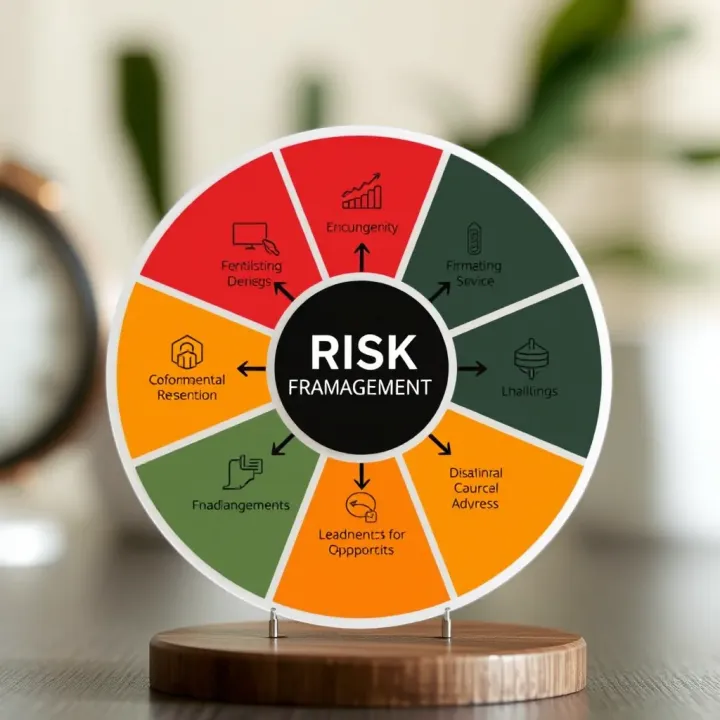
Kenyan businesses, whether a bustling jua kali workshop or a formal finance firm in Nairobi, need a solid approach to handle uncertainties. A risk management framework provides this by breaking down activities into clear components. Understanding these core elements helps firms spot dangers, act wisely, and adjust when necessary. This section explores the pillars of such a framework: risk identification and assessment, risk control and mitigation, and monitoring, reporting, and review.
The first step is to recognise and measure risks that could affect the business. This means taking stock of what might go wrong—from supply chain delays due to matatu strikes to currency fluctuations affecting import costs. Kenyan exporters, for instance, must watch foreign exchange risks keenly. Proper identification involves engaging staff across departments and sometimes pooling information from county regulations or market trends. Assessment then measures the potential impact and likelihood of each risk, allowing prioritisation. Tools like risk matrices help organise these thoughts clearly.
Once risks are identified and assessed, the next move is to control or reduce their effect. Some risks can be transferred, such as getting insurance cover for property or equipment to guard against theft or fire—a real danger for Nairobi’s SMEs. Others might require internal action, like tightening cash flow management to avoid overextension or diversifying suppliers to reduce reliance on a single source prone to delays. Practical Kenyan examples include a retail chain ensuring backup power through generators to keep shops running during frequent load-shedding.
Risk management isn't a one-time thing; continuous oversight is key. Businesses need a system to track risks, record incidents, and regularly report to leadership. For example, a bank might set up monthly risk review meetings to discuss recent fraud attempts or compliance breaches. Software tools can help automate alerts and capture data, although some smaller companies may do this manually through logs and physical checklists. Importantly, periodic reviews allow businesses to learn from past mistakes and update strategies, ensuring they evolve alongside market changes and internal growth.
Regularly reviewing risks and how they’re managed helps Kenyan businesses stay ahead. It’s this ongoing effort that builds real resilience.
Keeping these core elements tight and practical ensures a risk management framework does not become paperwork only but a living tool for safeguarding a business’s future.
Implementing a risk management framework (RMF) is vital for Kenyan businesses aiming to handle uncertainty and secure sustainable growth. This process builds a strong foundation for identifying, assessing, and managing risks that could otherwise disrupt operations or cause financial losses. Whether in a jua kali workshop in Nairobi or a commercial bank in Mombasa, a practical RMF helps businesses anticipate challenges and prepare effective responses.
Developing a risk management framework starts with understanding the business’s unique risk profile. Begin by gathering input across departments—finance, operations, sales—to pinpoint common and emerging risks. For example, a textile manufacturer in Kisumu might identify supply chain interruptions and fluctuating cotton prices as key risks.
Once risks are identified, assess their likelihood and impact, using both qualitative and quantitative measures. This can involve looking at past incidents or consulting experts familiar with the industry in Kenya. After that, design controls and processes to reduce the chance or effect of risks, such as diversifying suppliers or improving inventory tracking.
Adaptation is ongoing. Kenyan markets can shift rapidly due to changes in regulation, political climate, or consumer trends. Regular reviews of the RMF ensure it stays relevant. Holding quarterly risk review sessions helps organisations adjust strategies promptly.
Strong leadership is crucial in embedding risk management into everyday business practices. Leaders in Kenyan firms must champion risk awareness to create a culture where employees feel responsible for spotting and reporting risks. This is especially true in SMEs where roles can overlap.
Organisational culture shapes how risk management principles are embraced. For instance, a SACCO in Eldoret with a transparent and open team culture tends to spot internal fraud risks early, thanks to active employee participation. Leadership should also allocate resources—time, personnel, budget—to support risk management activities consistently.
Technology plays an increasingly important role in Kenyan businesses’ risk frameworks. Tools like M-Pesa provide transaction data that can reveal payment risks or credit defaults. Using simple software, businesses can track incidents, analyse trends, and generate reports.
Data-driven decisions are more objective and timely. For example, a Nairobi-based logistics company might use GPS tracking and data analytics to manage risks around delayed deliveries or vehicle maintenance. Besides improving risk visibility, technology enables faster responses to emerging threats.
Risk management isn’t a one-time task; it’s a living system shaped by leadership, culture, technology, and continuous learning.
Implementing a risk management framework tailored to Kenyan business realities helps safeguard assets and encourages informed decision-making. By following clear steps, engaging leadership, and embracing technology, Kenyan organisations can strengthen their resilience against everyday uncertainties and unexpected shocks.
Risk management acts like a safety net for Kenyan businesses, helping them anticipate and handle uncertainties before they escalate. By putting a solid framework in place, businesses can protect their assets from common threats such as market changes, theft, or regulatory penalties. For example, a farmer in Eldoret who uses weather data and insurance policies is better prepared to cope with unexpected droughts, ensuring their business continues despite tough conditions. This kind of planning gives businesses confidence to invest and expand, knowing they have mitigation strategies for possible setbacks.
Moreover, risk management boosts trust among customers, investors, and partners. A retailer in Nairobi who consistently complies with health and safety regulations and documents their risk assessments will find it easier to secure loans or partnerships. This stability reduces disruptions and costs related to emergencies or compliance failures, freeing up resources for growth initiatives. In essence, the framework turns risks into manageable parts of running a business rather than obstacles.
Many Kenyan businesses struggle with adopting risk management due to limited awareness or understanding of its practical value. SMEs, in particular, often see risk management as an expensive or complex process suited only for large firms with dedicated teams. However, this perception leaves them vulnerable to risks that could have been avoided with simple steps. To overcome this, training and awareness campaigns tailored for local business environments help demystify risk management and show low-cost methods applicable even in the informal sector.
Another challenge is the lack of reliable data. Businesses operating outside major urban centres may find it difficult to access relevant market or regulatory information timely. This gap leads to poor risk assessment or delayed responses. Solutions include partnerships with local chambers of commerce, using mobile technology for data gathering, and leveraging government platforms such as the Kenya National Bureau of Statistics for periodic updates.
Finally, resistance within organisations—often linked to culture or fear of change—can stall risk management initiatives. Leadership plays a critical role in nurturing a culture that values proactive risk handling. Kenyan companies that integrate risk discussions into regular meetings and incentivise staff participation tend to embed the framework more effectively than those relying solely on policies.
A risk management framework is not a one-off fix but a continuous effort that, when done well, acts as the backbone for business resilience and success in the Kenyan marketplace.
By recognising these benefits and tackling the common challenges head-on, Kenyan traders, investors, and finance analysts can build stronger, adaptable businesses ready for whatever comes their way.
A well-structured risk management framework is not just a compliance tool — it acts as a backbone for resilient businesses in Kenya. Companies that identify and handle potential threats early can safeguard their operations against shocks like market fluctuations, regulatory changes, or disruptions in supply chains. For example, a Nairobi-based manufacturer who regularly reviews their supply risks is more likely to quickly adjust when raw material prices soar or logistic challenges arise, avoiding costly production halts.
Implementing practical risk management means embedding a culture of vigilance and responsiveness throughout the organisation. This promotes informed decision-making and prevents small risks snowballing into bigger losses. Kenyan SMEs, especially in sectors like agriculture or transport, benefit greatly by adapting simple monitoring tools such as digital dashboards or regular risk audits to track emerging risks.
Effective risk management strengthens trust among stakeholders — investors, customers, and regulators — by demonstrating that a business is prepared for uncertainties.
Start with Clear Risk Identification: Whether you run a small shop in Kisumu or a large firm in Nairobi, knowing what risks you face is fundamental. This includes financial risks like currency volatility, operational risks such as equipment failure, and external threats including shifts in government policy.
Develop Suitable Controls: Small enterprises may focus on practical steps like diversifying suppliers or keeping emergency funds, while larger firms should implement formal risk committees and deploy risk management software.
Leadership Drives Risk Culture: From the managing director to department heads, leadership must prioritise risk awareness. This creates accountability and motivates staff to report risks early.
Utilise Technology: Kenyan businesses can take advantage of affordable mobile data and cloud services. For instance, equipping teams with mobile reporting apps enables quick updates on risk incidents in remote locations.
Stay Agile and Review Often: Businesses must regularly revisit their risk framework to adjust for changing circumstances — such as new competitors entering the market or amendments in tax laws.
With careful planning and ongoing attention, Kenyan enterprises can turn risk from a threat into an opportunity to build a stronger, more adaptable business. This capacity to withstand and bounce back from difficulties is what shapes long-term success in today’s dynamic commercial environment.
📊 Understand risk management basics and methods that Kenyan businesses can apply to stay resilient, make smarter decisions, and secure growth.

Explore how risk management helps Kenyan businesses protect assets, boost financial stability, ensure compliance, and build a strong reputation 📊💼🇰🇪
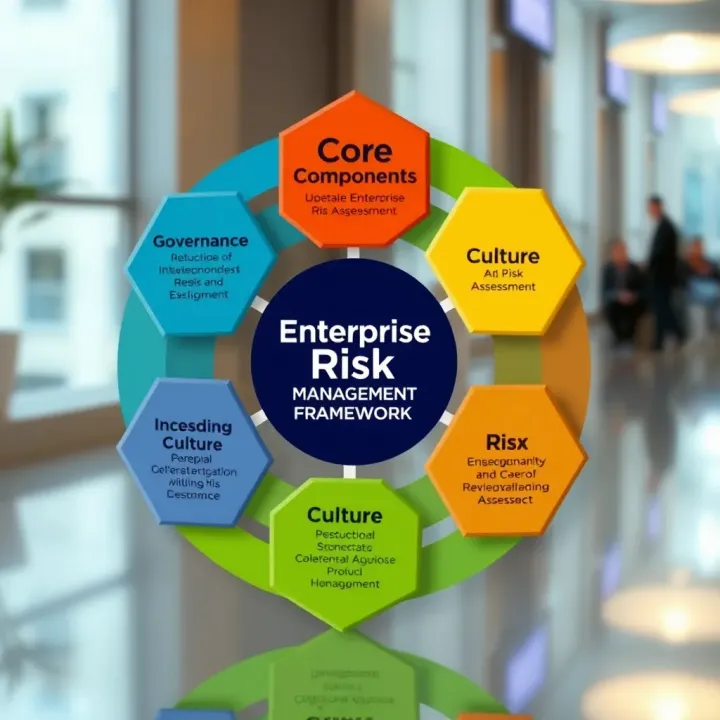
Explore how enterprise risk management frameworks help Kenyan businesses spot and handle risks daily, focusing on culture, governance, and key steps 🛡️📊
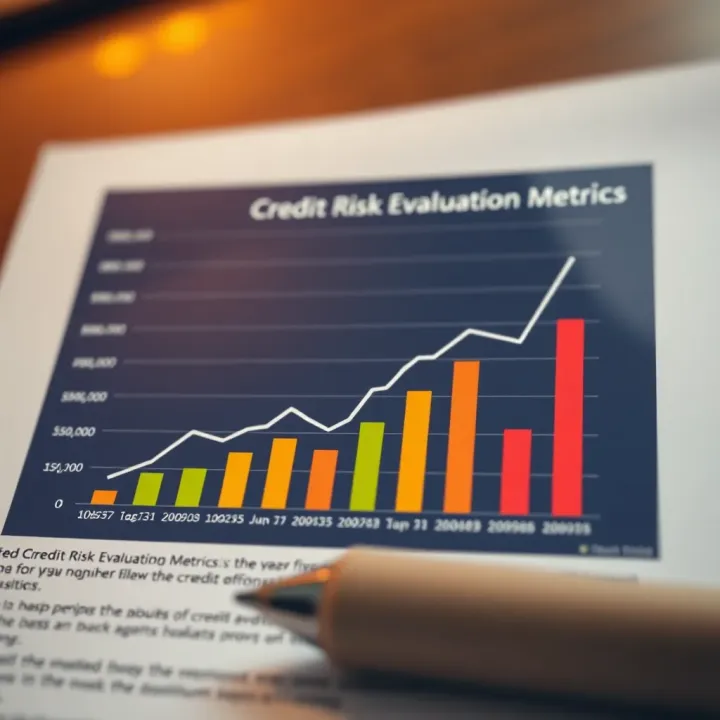
Explore how Kenyan banks manage credit risk with practical steps, tools, and regulations to protect their lending and improve financial stability 📊🏦
Based on 14 reviews