
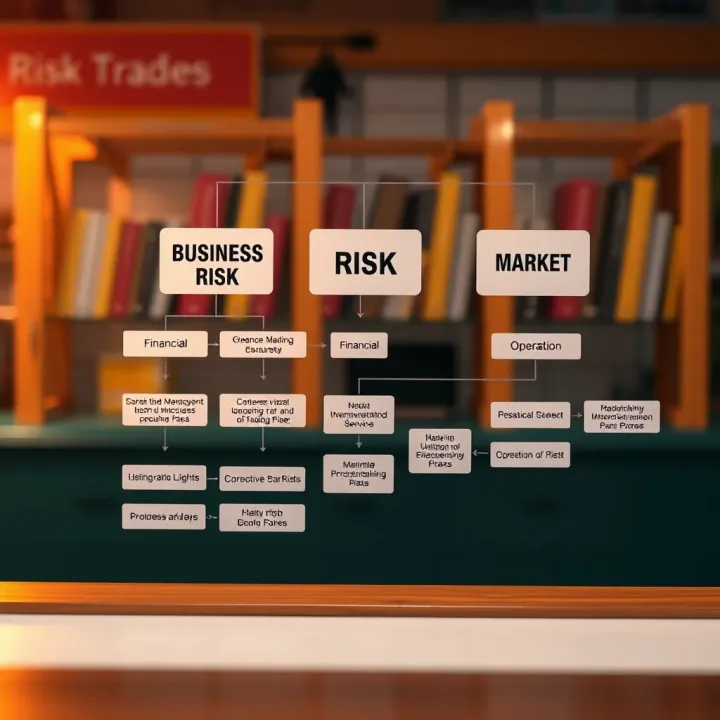
Understanding Risk Management for Kenyan Businesses
📊 Understand risk management basics and methods that Kenyan businesses can apply to stay resilient, make smarter decisions, and secure growth.
Edited By
Clara Dawson
Every business faces risks daily—whether it's sudden economic shifts, cybersecurity threats, or changes in government regulations. A risk management policy acts like a map, guiding firms to spot these dangers early, deal with them properly, and keep the business steady.
For Kenyan traders, investors, and finance professionals, understanding this policy isn't just about ticking boxes. It's about protecting your assets, meeting regulatory requirements, and ensuring your business can withstand unexpected blows.

A good risk management policy clearly spells out:
What risks the business faces: These could be financial risks like currency volatility affecting import costs, operational risks such as supply chain delays, or even compliance risks linked to tax rules enforced by the Kenya Revenue Authority (KRA).
Who is responsible: Assigning roles ensures that everyone, from the CEO to the finance officer, knows their part in managing risks.
How to assess risks: Using methods like risk matrices helps prioritise which threats need urgent attention based on impact and likelihood.
Controls and actions: This covers strategies to reduce, transfer (like insurance), or accept certain risks if they fall within tolerance levels.
Implementing a risk management policy is not a one-off task; it demands constant review and adaptation, especially given Kenya's dynamic business environment.
For example, a Nairobi-based exporter dealing in fresh produce might use a risk management policy to monitor weather conditions affecting crops, fluctuating currency rates impacting profits, and maintain compliance with export regulations. This approach helps avoid losses and builds confidence among investors.
In the following sections, we will break down the key components of a risk management policy and outline practical steps Kenyan businesses can take to create and implement one effectively. Understanding these basics will prepare you, whether you are a finance analyst advising clients or a student studying finance, to contribute meaningfully to your organisation's safety and growth.
A risk management policy is a formal document that sets out how an organisation identifies, assesses, and deals with risks that could affect its operations or objectives. For traders, investors, finance analysts, and brokers, understanding this policy helps to shield investments and business activities from unexpected setbacks. In Kenya, where market conditions and regulatory environments can shift quickly, having a clear risk management policy provides a roadmap to navigate uncertainties and protect value.
The practical benefits of a risk management policy go beyond safeguarding assets. It encourages a proactive approach to spotting dangers early, which can reduce losses and maintain business continuity. For example, a Nairobi-based exporter might face currency fluctuation risks, supply chain disruptions, and political uncertainties. A well-defined risk management policy will guide the company on how to monitor these threats and respond appropriately, whether through hedging currency risks or diversifying suppliers.
The main goal of a risk management policy is to establish a consistent framework for identifying and handling risks that could derail organisational goals. This means clearly defining what kinds of risks will be considered and the boundaries of the policy’s coverage. For instance, a financial firm might focus explicitly on credit risks, market risks, operational risks, and compliance risks, omitting risks outside its control like natural disasters unless they impact business continuity.
By setting the scope, the policy helps ensure resources and efforts target the most relevant threats, making risk management more effective and focused.
Most risk management policies cover several categories: financial risks (such as market volatility or liquidity shortages), operational risks (like system failures or fraud), legal and regulatory risks (non-compliance with laws or standards), and strategic risks (wrong business choices or poor investments). For example, a brokerage firm must pay attention to market risks that affect stock prices and legal risks relating to regulatory compliance by the Capital Markets Authority (CMA).
Other risks could include reputational risk, which could harm client trust if not managed correctly, especially for investment firms operating in Nairobi’s competitive financial market.
Kenyan businesses face many threats, from theft to market swings. A risk management policy helps organisations anticipate such challenges. Take a retailer in Mombasa who deals with stock loss due to supply delays or theft; the policy guides how to control inventory risks and insurances to protect physical assets.
Financially, traders and investors rely on the policy to identify where money could be lost unexpectedly, allowing them to set limits or safeguards. This protective strategy is vital, especially for SMEs with tighter cash flows.
Increasingly, Kenyan authorities demand that companies comply with specific risk management standards. The Capital Markets Authority (CMA), for example, enforces regulations requiring firms to have documented procedures to manage risks effectively. A clear policy makes it easier to meet these rules and avoid fines or suspension.
Moreover, having a documented risk approach helps when dealing with tax audits, KRA compliance checks, or NHIF obligations, proving that the organisation follows best practices.
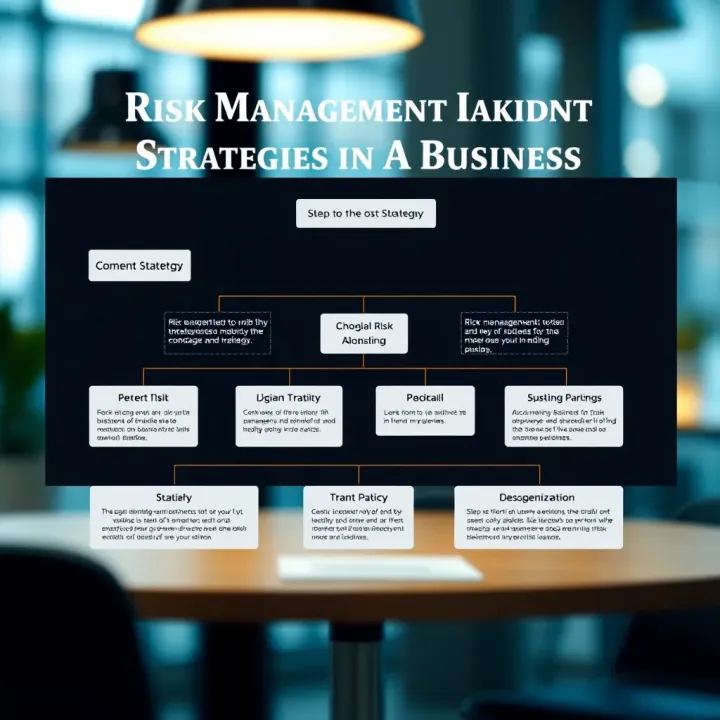
A solid risk management policy also supports better decision-making at the leadership level. When directors and managers understand potential risks, they can weigh those against opportunities more carefully. For instance, before investing in a new sector, analysts will look at the risk profile to decide if the potential returns justify the possible downsides.
This approach avoids rash decisions that might threaten the firm’s future and makes it easier to attract investors who value transparency and risk awareness.
A well-crafted risk management policy is not just about avoiding loss; it’s about making smarter choices that protect and grow business value in the Kenyan context.
By outlining what risks to handle and how to respond, organisations stay resilient even in unpredictable environments. Traders, brokers, and analysts who understand this can navigate Kenya’s financial markets with more confidence and foresight.
An effective risk management policy is a backbone for any organisation wanting to protect its resources while steering clear of avoidable pitfalls. It provides clear steps and tools that help businesses identify, understand, and handle risks before they spiral out of control. For traders, investors, and finance analysts, knowing these core elements means better decision-making and confidence in managing uncertainties inherent in markets and business operations.
Methods for identifying risks involve actively searching for all potential threats that could affect an organisation’s objectives. This could range from financial risks like currency fluctuations to operational hazards such as supply chain interruptions. Practical approaches include brainstorming sessions, interviews with staff familiar with daily operations, and reviewing incident reports. For example, a Nairobi-based exporter might identify risks from delayed shipments caused by infrastructure challenges or political unrest.
Tools for risk analysis and evaluation help quantify and prioritise these risks. Common tools include risk matrices that plot likelihood against impact, and software that tracks market trends or regulatory changes. Such tools make it easier to focus on risks that matter most. For instance, an investor tracking the NSE can use market analytics tools to assess volatility risks, guiding informed investment choices.
Developing risk response plans means outlining how the organisation will manage risks after they are identified. Responses can include avoiding the risk altogether, reducing its likelihood, transferring it (for example, through insurance), or accepting it with a contingency plan. A Kenyan manufacturer might choose to diversify suppliers to mitigate the risk of raw material shortages.
Roles and responsibilities in risk management clarify who does what to ensure plans are implemented well. Clear assignments avoid confusion and ensure accountability. Typically, senior management sets risk appetite, while risk officers monitor and report. Employees also play a role by following safety procedures or reporting irregularities. Such structured responsibility sharing ensures all team members contribute actively to reducing exposure.
Continuous monitoring approaches keep an eye on risk signals through regular checks and use of real-time data. For example, traders might monitor forex rates daily to adjust positions accordingly. Organisations may also use KPIs (Key Performance Indicators) that highlight emerging threats early.
Frequency and format of risk reporting depend on the organisation’s size and complexity. Weekly or monthly reports can update leaders on new or changing risks, often using dashboards or concise summaries that aid quick decision-making. This keeps everyone alert and informed, reducing the chance of surprises.
Policy review and update cycles ensure the risk management policy stays relevant with changing business conditions and external factors like new regulations. Reviews typically happen yearly but can be more frequent if major events occur. A Kenyan firm operating in the energy sector, for instance, must review its policy after new environmental laws to stay compliant and manage risks efficiently.
Clear risk management frameworks not only protect assets but also build trust with investors and partners, which is vital in Kenya’s growing, yet sometimes unpredictable, business environment.
Developing a risk management policy in Kenya requires a clear, stepwise approach that reflects local challenges and business realities. This process ensures the policy is practical, relevant, and accepted by everyone involved. When tailored correctly, it helps organisations anticipate risks and act before problems escalate, which is crucial in Kenya’s dynamic business environment.
Involving management and staff is essential for creating a risk policy that works on the ground. Management provides strategic direction and resource allocation, while staff offer insights into everyday operations and potential hazards. For example, a bank might involve its frontline tellers during drafting to identify real risks in handling cash and customer data. This inclusive approach builds ownership and improves the accuracy of risk identification.
Additionally, involving diverse teams helps avoid blind spots that top-level management might miss. Stakeholders at different levels understand the risks they face and the controls needed. When everyone contributes, the policy becomes a shared tool, not just a document gathering dust.
Incorporating local industry norms and regulations ensures that the policy aligns with Kenya’s legal framework and sector specifics. For instance, businesses in agriculture must consider risks related to seasonal weather patterns and comply with county agricultural regulations. Financial institutions must follow Capital Markets Authority (CMA) guidelines and Central Bank of Kenya (CBK) rules.
Integrating these requirements prevents regulatory fines and strengthens compliance. Local norms around business customs and ethics also affect risk culture. A policy ignoring these nuances risks being disconnected from reality, leading to poor implementation.
Obtaining approval from relevant authorities within the organisation and, where needed, from external regulators, establishes legitimacy. Senior management sign-off confirms commitment and prioritises resources. For public companies or firms regulated by state bodies, regulatory approval can be mandatory before policy enforcement.
For example, a manufacturing firm in Nairobi might need approval from its board and ensure the policy aligns with the National Environment Management Authority (NEMA) regulations concerning waste disposal risks. Such formal approvals help avoid legal roadblocks and signal seriousness to staff and partners.
Training employees and raising awareness is the final but no less crucial step. Employees must understand not only the policy’s existence but how it affects their daily roles. Training sessions, role plays, and clear communication materials increase risk awareness and build a proactive culture.
In a local bank branch, for example, staff might be trained on fraud risks highlighted in the policy and how to alert supervisors immediately. Consistent awareness programmes remind employees that risk management is part of normal work, not an added burden. This boosts adherence and helps catch emerging problems early.
Engaging all key players from drafting to approval and training creates a strong foundation for a risk management policy that truly protects Kenyan organisations against ever-changing threats.
By carefully following these steps, Kenyan businesses and organisations can build tailored risk management policies that reflect their unique needs, comply with relevant regulations, and achieve sustainable risk control.
Kenyan businesses face a unique set of risks that require tailored risk management policies. Understanding these challenges and adopting best practices helps firms stay afloat in a fast-changing economy. This section outlines common risks and actionable advice to implement a risk management policy that truly protects assets and enhances resilience.
Economic and market risks weigh heavily on local businesses. Fluctuations in exchange rates, inflation, and changes in government policy can severely impact profitability. For instance, sudden increases in fuel prices not only raise transport costs but ripple through supply chains and consumer prices. Businesses heavily reliant on exports also face risks from shifting global demand or trade tariffs affecting the East African Community (EAC).
Additionally, economic downturns reduce consumer purchasing power, leading to lower sales. A retailer in Nakuru might notice fewer customers during inflationary periods, which complicates cash flow management. Hence, risk management policies must consider these economic vulnerabilities and plan safeguards like diversified markets or hedging currency exposure.
Operational hazards and supply chain disruptions disrupt daily business continuity. Kenyan firms often face delays due to poor road infrastructure or unpredictable customs processes at border points like Malaba or Busia. Such interruptions affect manufacturing schedules and delivery timelines. For example, a Nairobi-based exporter of horticulture products may suffer losses if logistics delays cause perishables to spoil.
Moreover, operational hazards like theft or fire, common in densely populated business areas, pose additional risks. Small and medium enterprises (SMEs) might lack robust insurance or security systems. Effective risk management involves identifying these vulnerabilities, implementing contingency plans, and investing in local partnerships to ensure reliable supply.
Regulatory compliance challenges add a layer of complexity. Kenya’s regulatory environment is evolving, with agencies like the Kenya Revenue Authority (KRA) and the Capital Markets Authority (CMA) tightening enforcement. Non-compliance with tax laws, labour regulations, or environmental standards can lead to fines or licence revocations.
For example, a company failing to update its KRA PIN or submit timely iTax returns risks penalties that disrupt operations. Similarly, firms in manufacturing must adhere to the National Environment Management Authority (NEMA) regulations. Managing these compliance risks requires regular policy reviews and staff training to stay updated with regulatory changes.
Strong leadership commitment is the backbone of a working risk management policy. When directors and senior managers actively support risk initiatives, it signals to the entire organisation the seriousness of managing risks. This commitment motivates teams to follow procedures and promptly report issues.
Take the case of a Nairobi-based fintech startup; leadership involvement in risk discussions helped embed controls into product development and customer service, reducing fraud cases and enhancing client trust. Without leadership support, policies risk becoming mere paperwork without real impact.
Clear communication channels ensure everyone understands their role in risk management. Transparent and consistent communication avoids confusion and silos. Regular meetings, intranet updates, and training sessions keep staff informed about risk areas and mitigation steps.
For example, a manufacturing firm that holds weekly safety briefings reduces accidents by making workers aware of hazards and reporting mechanisms. When communication is open, feedback flows freely, helping organisations adjust policies based on frontline insights.
Leveraging technology and data analytics sharpens risk detection and response. Tools like Enterprise Resource Planning (ERP) systems or risk registers enable real-time tracking of risk metrics. For Kenyan businesses, integrating M-Pesa payment data with financial systems can highlight unusual transactions signaling potential fraud.
Moreover, data analytics helps identify patterns—like seasonal dips in sales or supplier delays—that inform proactive strategies. Using technology reduces reliance on guesswork and creates a factual basis for decisions, crucial in competitive markets such as Nairobi or Mombasa.
A risk management policy is only as strong as the combination of human commitment and the right tools working in harmony.
By facing challenges head-on and applying these best practices, Kenyan organisations can build resilience, comply with regulations, and safeguard their future against unpredictable risks.
📊 Understand risk management basics and methods that Kenyan businesses can apply to stay resilient, make smarter decisions, and secure growth.

Explore how risk management helps Kenyan businesses protect assets, boost financial stability, ensure compliance, and build a strong reputation 📊💼🇰🇪
Explore how Kenyan banks manage credit risk with practical steps, tools, and regulations to protect their lending and improve financial stability 📊🏦

📉 Master forex risk management for Kenyan traders! Learn key strategies to protect capital, control losses, and trade confidently in volatile markets.
Based on 14 reviews