
Understanding Risk Management for Kenyan Businesses
📊 Understand risk management basics and methods that Kenyan businesses can apply to stay resilient, make smarter decisions, and secure growth.
Edited By
Chloe Bennett
Risk management is not just a luxury for big firms; it’s essential for every Kenyan business that wants to thrive in today’s unpredictable market. Whether you're running a small kiosk in Nakuru or managing a manufacturing company in Nairobi, understanding and handling the risks your business faces can save you from costly shocks.
In Kenya, businesses encounter various risks, including currency fluctuations, supply chain disruptions, regulatory changes, and security concerns. A farmer in Kisumu, for example, faces risks like erratic weather affecting crops, while a trader in Eldoret may deal with market price volatility or theft. Effective risk management identifies these threats early and prepares your business to tackle them head-on.

Good risk management involves:
Identifying risks: Spot potential hazards specific to your operations and environment.
Assessing risks: Understand which risks can cause significant harm and which are minor.
Managing risks: Decide on actions—avoidance, mitigation, transfer, or acceptance—that match your business capacity.
Small and medium enterprises (SMEs) often hesitate to invest in risk management, yet tools like insurance policies tailored for Kenyan businesses or contingency plans for delivery delays can protect cash flow and reputation. For instance, using motor vehicle insurance can shield your logistics fleet from unexpected accidents, while cyber security measures prevent data breaches that could disrupt services.
Dealing with risks isn’t about avoiding all dangers but about knowing how to bounce back swiftly when challenges come—this resilience ensures long-term success.
Meanwhile, embracing technology can improve your risk monitoring. Mobile applications help track stock levels, while automated alerts can notify you of payment delays or currency swings. Continuous monitoring helps adjust strategies dynamically, avoiding surprises.
Ultimately, combining practical risk management techniques with regular review gives Kenyan businesses an edge. It creates a safety net allowing entrepreneurs and investors to focus more on growth and less on what could go wrong.
This article will guide you through concrete strategies and examples so you can manage your business risks with confidence and keep your operations steady even during difficult times.
Risk is an unavoidable part of business, and understanding its nature is essential for Kenyan businesses aiming to stay afloat and grow. Knowing what kinds of risks exist, how they affect operations, and why managing them matters can be the difference between thriving and folding. In Kenya’s unique business environment, where factors like political shifts, climate variability, and market dynamics play big roles, grasping risk becomes even more crucial.
In Kenyan markets, risks come in various forms that directly impact day-to-day operations. Common types include financial risks such as currency fluctuations and inflation, operational risks like supply chain interruptions, and environmental risks connected to weather patterns, particularly in agriculture. For example, inconsistent rainfall during the long or short rains seasons can severely affect crop yields, leading to losses for farmers and agro-based businesses.
Political and regulatory risks are also frequent due to changes in government policies or tax regulations. For instance, sudden adjustments in KRA tax policies or NHIF contribution rates can strain small and medium enterprises financially. Currency devaluation against the US dollar can inflate costs of imported inputs, while local market competition intensifies risks for businesses offering goods and services.
Looking at specific sectors, agriculture faces risks from pests, droughts, and price volatility in key crops like maize and tea. Manufacturing often struggles with power outages and high costs of raw materials, impacting production schedules and profitability. Service industries may confront risks related to consumer behaviour shifts or technological disruption — for example, mobile money platforms like M-Pesa have transformed payment systems but also introduced cybersecurity risks.
Failing to manage risks properly can quickly translate into significant financial losses and operational breakdowns. A Kenyan manufacturing firm that doesn't plan for power interruptions might experience halted production, leading to delayed deliveries and lost contracts. Similarly, an agribusiness ignoring pest risks could see reduced harvests and unsatisfied buyers.
Additionally, poor risk management can damage a business’s reputation. If customers or partners perceive that a firm doesn’t deal with problems like product quality or service reliability, trust erodes fast. Also, overlooking regulatory guidelines may invite fines or licence revocations by agencies like KRA or the County Government, further stressing the business.
Recognising and addressing risks head-on helps Kenyan businesses protect their bottom line, maintain goodwill, and comply with regulations, keeping them competitive and resilient in a challenging economy.
By understanding these risks and their potential fallout, business owners and managers in Kenya can build tailored strategies that safeguard their enterprises and support steady growth.
Recognising and evaluating risks early gives Kenyan businesses a head start in managing them before they escalate. This step is vital because it helps decision-makers focus resources where they matter most, avoiding unnecessary distractions. In a competitive market, such as Nairobi’s bustling jua kali sector or the grain supply chain in Uasin Gishu, spotting risks early can mean the difference between profit and loss.
Stakeholder consultations and expert input play a practical role in uncovering risks that might not be obvious at first glance. Talking directly to employees, suppliers, customers, and even regulatory bodies brings diverse perspectives into the picture. For instance, a manufacturer in Athi River might discover hidden risks related to unreliable power supply or delays in raw material deliveries through discussions with their suppliers and technical staff. Experts such as industry consultants or risk managers add value by recognising emerging threats based on broader trends or past experiences in similar markets.
Use of checklists and past incident analysis makes risk identification systematic rather than guesswork. Kenyan firms can tailor checklists to cover typical risks in agriculture, transport, or textile industries. These checklists ensure key areas such as equipment failure, regulatory compliance, or market fluctuations are regularly scanned. Examining past incidents—like a transport company analysing frequent brake failures or delays during rainy seasons—provides clues about weaknesses that need attention to prevent future losses.
Understanding the nature and potential impact of risks requires assessing them carefully using qualitative and quantitative methods. Qualitative approaches rely on descriptive assessments, such as categorising risks as high, medium, or low based on expert judgement or past experience. This is useful when numerical data is either unavailable or unreliable, such as estimating reputational damage after a local scandal.
On the other hand, quantitative approaches provide measurable insights, calculating things like potential financial loss or probability of occurrence. Businesses like banks or insurance firms in Kenya often use this method to allocate capital or price products accurately. Both approaches have their place; for example, a small retailer can start with qualitative methods and move to quantitative analysis as data collection improves.
Risk matrix and prioritisation help businesses decide which risks need urgent action and which can be monitored over time. By plotting risks on a grid showing likelihood against impact, companies can easily identify critical hazards needing immediate control measures. For example, a Nairobi-based construction firm might place risks like worker injury or equipment theft in the high-priority zone, while market price fluctuations might fall in a lower category. This prioritisation ensures limited resources are put to best use.
Effective risk identification and assessment are cornerstones for safeguarding business continuity, especially in Kenya’s dynamic and sometimes unpredictable market environment.
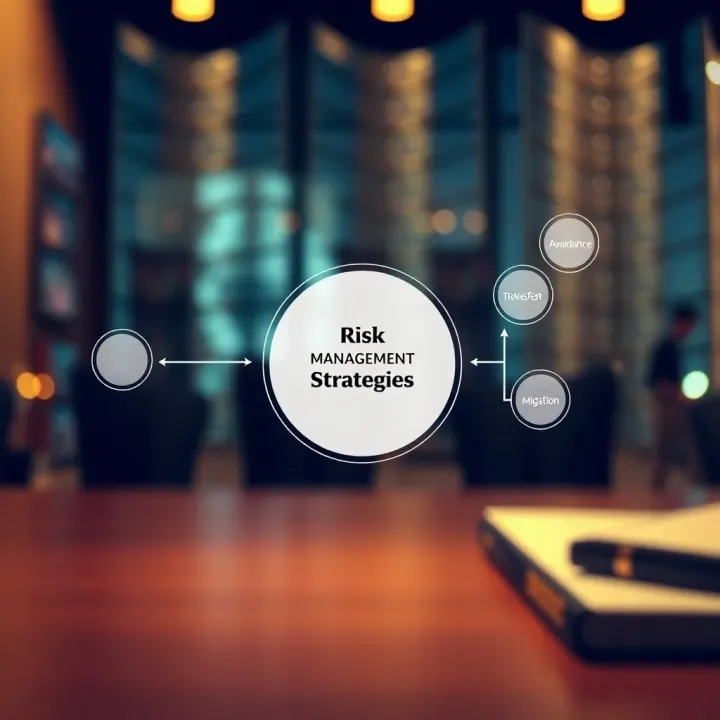
Business risks come in all shapes and sizes for Kenyan enterprises. Core strategies help you take practical steps to handle these risks, limiting losses and keeping your company steady. Rather than waiting for problems to hit, having a plan around risk avoidance, transfer, mitigation, and acceptance makes a big difference.
Adjusting operations to eliminate risk exposure means spotting areas where risks can be removed before they cause trouble. For instance, a farm struggling with unreliable water supply might switch to drip irrigation to avoid drought risk. By changing how the business runs, you reduce the chance that a certain risk will affect you at all.
Implementing strong compliance measures is about making sure your business follows laws and guidelines to avoid penalties or shutdowns. In Kenya, that could mean timely filing with the Kenya Revenue Authority (KRA), or meeting the Kenya Bureau of Standards (KEBS) quality requirements. Staying compliant keeps your business on the right side of regulators and builds trust with customers.
Types of insurance relevant in Kenya include coverages like public liability, fire, crop, or motor insurance. For example, a Nairobi shop owner might take fire insurance to protect stock against a blaze, while a tea farmer in Kericho could use crop insurance against erratic weather. Insurance shifts part of the financial burden elsewhere, allowing businesses to recover faster after losses.
Contractual agreements to share or shift risk involve clear terms that divide responsibility between parties. For example, a construction firm might include clauses to pass risks from site accidents to subcontractors. Having contracts spelling out who covers what reduces surprises and legal headaches later.
Internal controls and process improvements tighten up your business operations so risks don’t slip through. This could mean better stock management systems or regular audits at a retail outlet to prevent theft and errors. Making workflows clearer and more disciplined minimizes mistakes that could cost money.
Diversification and backup solutions reduce the impact if one part of your business fails. For instance, a small exporter might deal with several buyers across East Africa instead of relying on one client. Similarly, having backup power generators protects against load-shedding disruptions common in Kenya’s grid.
When risk is low or unavoidable, sometimes the best choice is to accept it rather than waste resources avoiding it. A boda boda company, for example, knows accidents can happen despite safety measures. Accepting such risks means being mentally and financially prepared.
Planning for eventualities with contingencies means laying out steps to take if risks materialise. Whether it’s a cyberattack on a bank or floods disrupting road transport to a factory near Kisumu, contingency plans help respond calmly. Clear roles, communication lines, and resource allocation keep the business running despite shocks.
In summary, core risk management strategies equip Kenyan businesses to anticipate, avoid, limit, or manage setbacks. Tailoring these strategies to your specific sector and operating realities makes your enterprise more resilient and ready for whatever comes its way.
In today’s Kenyan business climate, relying solely on traditional risk management methods leaves companies vulnerable. Technology offers tools that enhance resilience by giving real-time insights and streamlining risk response. Regular monitoring ensures that businesses detect emerging risks early, making adjustments before problems escalate. Together, these approaches help firms stay competitive and avoid costly surprises.
Enterprise Resource Planning (ERP) systems integrate various business processes into a single platform. For example, a manufacturing company in Nairobi can use ERP to track inventory, streamline procurement, manage sales orders, and monitor cash flow all in one place. This visibility reduces operational bottlenecks and flags areas of risk like supply delays or payment defaults early. Kenyan businesses benefit from ERP solutions customised for local taxation and compliance, easing regulatory burdens.
Mobile and cloud-based risk tracking solutions offer flexibility and accessibility especially for SMEs spread across regions. Platforms hosted in the cloud allow managers to update and monitor risks via their mobile devices, even when travelling or working remotely. An agro-business with warehouse sites in Kisumu and Machakos can track weather-related risks or inventory shortages instantly, enabling quicker decisions. Cloud tools also reduce the cost of installing and maintaining heavy infrastructure, a major advantage for Kenyan SMEs aiming to manage risks without draining capital.
Setting Key Risk Indicators (KRIs) helps businesses quantify their risk exposure clearly. KRIs are specific metrics—like delayed supplier deliveries, cash-flow variances, or customer complaints—that signal rising risk levels. For an investment firm on Nairobi Securities Exchange (NSE), monitoring KRIs related to market volatility or regulatory changes can signal when to adjust portfolios. Clear KRIs turn vague concerns into measurable data, aiding timely interventions and better resource allocation.
Periodic audits and performance reviews validate risk management efforts and reveal gaps. For instance, a retail chain in Kenya might conduct quarterly audits to check stock theft rates, pricing errors, or compliance with safety standards. These checks provide objective feedback on controls’ effectiveness, guiding improvements. Regular reviews also keep staff aware and accountable, embedding risk management into daily operations rather than leaving it as a once-off task.
Frequent checkpointing with the right digital tools and risk measures transforms uncertainty into manageable, data-driven decisions.
Taken together, technology and continuous monitoring form the backbone of resilient Kenyan businesses. They enable quicker reactions to risk, ensure compliance, and safeguard operational continuity, key in a market with evolving challenges and opportunities.
Contingency planning is essential for businesses in Kenya to survive unforeseen circumstances like floods during the long rains, political tensions ahead of elections, or supply chain interruptions from transport strikes. These plans enable companies to bounce back quickly, reducing downtime and losses. Without proper preparation, a simple disruption can snowball into financial setbacks or reputational damage.
Identifying critical operations and resources is the first step in building a solid business continuity plan. Kenyan traders and service providers need to map out which parts of their operations must keep running to avoid major losses. For instance, a dairy farmer in Nakuru must ensure uninterrupted power supply to refrigeration units to prevent milk spoilage. Similarly, a retail outlet in Nairobi should prioritise inventory management systems and M-Pesa payment points to maintain sales during disruptions. Pinpointing these essentials helps focus resources where they matter most.
Training staff and establishing clear communication channels are just as vital. Employees should understand their roles in a crisis, such as who coordinates emergency contacts or handles customer updates. Regular drills and workshops help reinforce these roles. For example, a manufacturing firm might run mock evacuation drills or test its digital systems’ failover plans. Communication must also flow smoothly—not only internally but also to customers and suppliers—keeping everyone informed reduces confusion and builds trust.
Having dedicated emergency response teams and protocols ensures a swift and organised reaction when trouble strikes. Kenyan SMEs can form small teams trained in first aid, damage assessment, and business resumption tactics. These protocols should include step-by-step actions for different scenarios, like fire outbreaks or data breaches. For example, a hotel in Mombasa could have a specific evacuation plan and a backup reservation system if power fails. Well-prepared teams help contain damage and ensure safety without panic.
After an incident, post-crisis evaluation and learning allow businesses to improve their resilience. This involves analysing what worked, what didn’t, and adapting future plans accordingly. A Nairobi-based transport company, for instance, might review how a flood-affected route disrupted its schedules to arrange alternative routes or partnerships. Documenting lessons learned prevents repeating mistakes, and sharing these experiences within networks can raise overall sector resilience.
A well-structured contingency plan is not just a document but a live process of preparing, responding, and improving that can save Kenyan businesses from costly downtime and build long-term strength.
By focusing on these practical steps, businesses can shield themselves against uncertainties, protect investments, and maintain steady growth even when the unexpected happens.
📊 Understand risk management basics and methods that Kenyan businesses can apply to stay resilient, make smarter decisions, and secure growth.

Explore how risk management helps Kenyan businesses protect assets, boost financial stability, ensure compliance, and build a strong reputation 📊💼🇰🇪

📊 Explore solid strategies and practices for managing financial risk in Kenya. Learn to identify risks, use technology, and navigate regulations effectively.
Explore practical disaster risk management strategies for Kenya 🌍, including community roles, risk assessment, preparedness, and boosting resilience locally and nationally.
Based on 5 reviews