
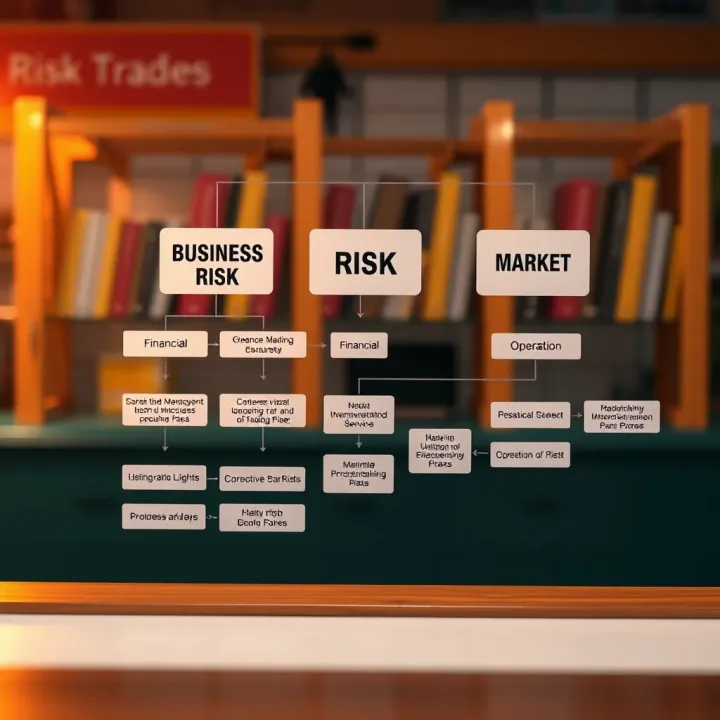
Understanding Risk Management for Kenyan Businesses
📊 Understand risk management basics and methods that Kenyan businesses can apply to stay resilient, make smarter decisions, and secure growth.
Edited By
Oliver Bennett
Risk management tools are essential for businesses aiming to stay afloat and grow steadily, especially in Kenya’s dynamic economic environment. These tools help identify, evaluate, and manage risks that can disrupt operations, cause financial losses, or damage reputation. Understanding and using the right tools can be the difference between weathering a storm and sinking under pressure.
Kenyan businesses face unique risks such as currency fluctuations, fluctuating fuel prices, political cycle uncertainties, and supply chain interruptions due to floods or strikes in transport sectors like matatus. A local supermarket chain, for example, might use risk management software to track supplier reliability and demand patterns, ensuring shelves remain stocked during the December festive rush. Meanwhile, a forex trader monitors currency trends closely with analytical tools to avoid sudden losses from the shilling’s volatility against the dollar.
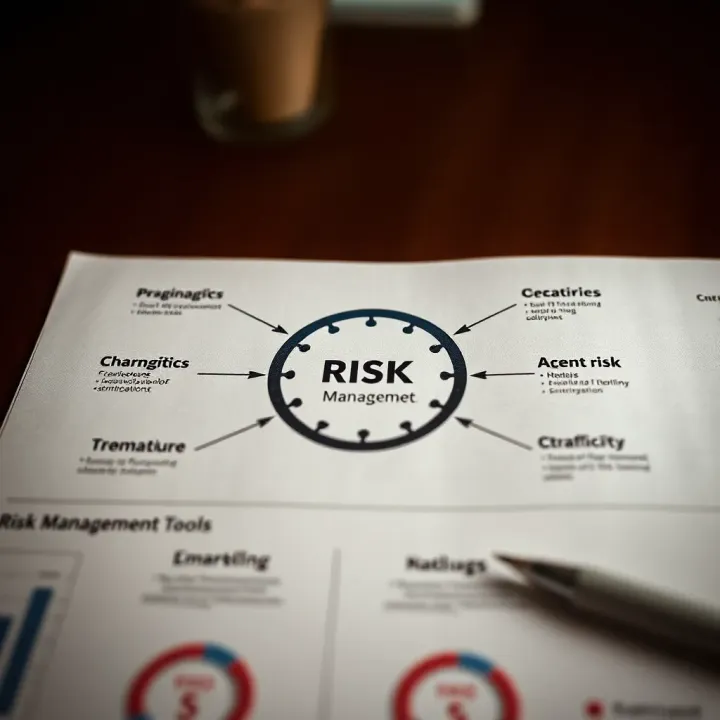
Effective risk management starts with clear identification: knowing what can go wrong and how it might happen. Without this step, businesses often prepare for the wrong threats or miss out on critical early warnings.
Risk Assessment Matrices: Simple grids to prioritise risks based on likelihood and impact, helping businesses focus efforts.
Scenario Analysis: Running "what if" tests to understand potential outcomes of events like a drought affecting supply chains.
Financial Hedging Instruments: Used by exporters or currency traders to limit losses from exchange rate swings.
Software Applications: Tools like ERM (Enterprise Risk Management) systems combine various risk domains into dashboards for real-time monitoring.
Picking a tool without considering business size, sector, or local conditions is like fitting a square peg in a round hole. SMEs might benefit more from cost-effective, simple tools such as checklists or spreadsheets, while large firms may require advanced software integrated with their accounting platforms.
In Kenya, cloud-based solutions that support mobile access are increasingly valuable, allowing managers to monitor risk from their phones even while in the field or at home. Also, integrating with platforms like M-Pesa for payment security can be a smart move for small traders.
Understanding risk management tools is about more than ticking boxes. It’s about preparing your business practically and efficiently for challenges, minimising surprises, and ensuring continuity. The next sections will explore how to pick the best tools and common challenges faced in Kenyan markets.
Risk management tools are practical methods and systems businesses use to identify, assess, and manage threats that could disrupt operations or cause financial losses. In the Kenyan business context, these tools play a key role by helping entrepreneurs, traders, and investors stay ahead of challenges like market volatility, regulatory changes, and environmental factors. For example, a small tea farm in Kericho might use weather risk assessments to protect crops against irregular rains, while a retail shop in Nairobi could track supply chain interruptions using basic checklists.
The basic idea behind risk management is spotting potential problems before they escalate, then taking steps to reduce or prevent harm. Tools can be as simple as a checklist or as advanced as software analysing transaction data from M-Pesa payments. They're designed to help businesses understand where their vulnerabilities lie and how likely risks are to affect their operations.
In Kenya, businesses face diverse types of risks:
Financial risks: Currency fluctuations, credit defaults, or sudden changes in loan interest rates set by banks.
Operational risks: Power cuts, unreliable transport like matatu strikes, or delays in receiving goods.
Regulatory risks: New tax laws from Kenya Revenue Authority (KRA) or compliance requirements from the Capital Markets Authority (CMA).
Environmental risks: Droughts or floods that affect agriculture or logistics.
Proper tools enable businesses to categorise these risks clearly and prepare accordingly.
Protecting assets and resources is fundamental for any business. This includes physical items like vehicles, stock, and equipment, as well as intangible assets such as reputation or customer data. Kenyan firms use insurance policies or physical security measures in combination with risk tools to reduce loss. For instance, a transport company may invest in vehicle tracking technology alongside risk assessments to reduce theft and downtime.
Risk management also supports decision-making by providing clearer insight into potential downsides and costs. When a trader in Nairobi's CBD considers expanding stock lines, risk tools like SWOT analysis or financial models help weigh possible losses against expected gains. This way, decisions aren't left to gut feelings but are backed by facts and figures, reducing uncertainty.
Businesses that systematically manage risk often find it easier to access credit and partnerships, as lenders and investors see them as lower risk.
Effectively used risk management tools build resilience, helping Kenyan businesses survive shocks and take advantage of opportunities with more confidence.
In Kenya, businesses face various risks, from fluctuating market prices to unpredictable weather. Using the right risk management tools helps firms identify, assess, and handle these challenges effectively. These tools typically fall into three groups: qualitative methods, quantitative assessments, and digital solutions. Each type plays a distinct role in spotting risks early and planning accordingly.
Risk checklists and brainstorming sessions are straightforward but practical ways to uncover potential problems. Many small businesses in Nairobi, for example, use simple checklists that list common risks like theft, supplier delays, or cash flow shortages. Bringing the team together in brainstorming sessions encourages sharing of experience and ideas — helping to surface risks that might not show up on paper. This approach suits most start-ups and jua kali entrepreneurs who rely more on local knowledge than costly analytics.

SWOT analysis adapted for risk shifts the traditional Strengths, Weaknesses, Opportunities, and Threats approach into a risk-focused tool. Teams evaluate internal weaknesses and external threats that could harm business operations. A Nairobi-based agribusiness might use this to highlight how drought (a threat) combines with limited irrigation (a weakness), increasing vulnerability. This method helps businesses visualise risks in a simple framework, guiding decision-making even without technical expertise.
Risk matrices and impact assessments offer a more measured way to understand risks by mapping likelihood against severity. For instance, a tea farm in Kericho could use a risk matrix to rate the probability of pest infestations and what damage they could cause. This helps prioritise which risks need urgent attention and which can be monitored over time. Such tools support clear conversations among managers and investors by providing a visual summary of key concerns.
Modelling financial risks using data involves analysing numbers to forecast potential losses or gains under different scenarios. Kenyan banks commonly use data models to assess credit risk, adjusting interest rates or loan terms accordingly. Even SMEs can explore these techniques through spreadsheets that track cash flow variations or simulate effects of currency swings on prices. Data-driven models add precision to risk management but require some financial literacy and record-keeping discipline.
Modern technology has made risk management smarter and more accessible. Software platforms tailored for SMEs and larger firms include user-friendly tools that help track risks, generate reports, and automate alerts. Jumia Kenya sellers, for example, can integrate inventory software that flags supply delays or demand changes. Larger companies might use advanced enterprise risk management systems that combine data from multiple departments.
Incorporating M-Pesa and digital payments data has become key in Kenya’s digital economy. Analysing M-Pesa transaction records helps detect unusual patterns pointing to fraud or cash flow problems before they escalate. This is especially useful for microfinance groups and informal sector businesses where daily financial movements happen through mobile money. Leveraging this data provides real-time insights without heavy manual tracking.
Successfully combining these various risk management tools helps Kenyan businesses stay resilient and competitive. Whether through simple checklists or digital platforms, the aim is to spot risks early and act swiftly.
Applying risk management tools is not just a formality but a necessary practice for businesses across Kenya to survive and thrive, especially in an environment where uncertainties abound. From small enterprises in town centres to large financial institutions in Nairobi, understanding how to navigate risks helps prevent losses and improves decision-making.
Jua kali and informal business risk handling
The jua kali sector, forming the backbone of Kenya’s informal economy, faces unique risks such as unstable cash flow, theft, and regulatory changes. Many artisans and small traders use simple risk identification tools like daily cash reviews and informal peer discussions to spot emerging issues early. For instance, a furniture maker in Gikambura might keep a daily log of materials and sales to monitor losses or theft, adjusting prices or supplier choices accordingly.
Agricultural sector risk tools and weather variability
Farmers in Kenya constantly battle unpredictable weather, pests, and market price swings. They often rely on weather update services on mobile phones alongside basic forecasting tools to plan their planting and harvesting schedules. Agricultural insurance schemes, partly supported by the government and private insurers, use these risk assessments to offer policies tailored to smallholder farmers. For example, maize farmers in Uasin Gishu track rainfall data through SMS alerts to decide when to plant or irrigate, helping mitigate the impact of droughts.
Banking and financial institutions’ risk monitoring
In banking, risk management is more advanced, combining data analytics and compliance tools to monitor credit risk, market fluctuations, and fraud. Banks like Equity and KCB deploy software platforms analysing customer data and transaction patterns, including M-Pesa activity, to flag suspicious activities or loan default risks. These tools assist in meeting Central Bank of Kenya (CBK) regulations while protecting the banks’ assets and reputation.
Limited access to technology and training
Many Kenyan businesses struggle due to poor access to modern risk management technology and lack of trained personnel. SMEs and informal traders often rely on manual methods because digital platforms might be costly or complex. Without proper training, staff may not use the tools effectively, which reduces their value. For example, a small duka owner may not fully exploit mobile-based financial record tools because of limited digital skills.
Adjusting tools to fit local business realities
Off-the-shelf risk management systems may not suit Kenya’s diverse business settings. Many tools developed internationally fail to consider local factors like informal trading dynamics or inconsistent power supply. Businesses often modify these tools or combine them with local knowledge to better fit their specific context. A Nairobi-based logistics firm, for instance, might adapt global risk matrices to factor in traffic jams and route variability common in Kenyan cities.
Effective risk management in Kenyan business is about blending practical tools with local realities, ensuring every shilling invested in risk assessment returns tangible benefits.
By recognising these applications and challenges, Kenyan businesses can better protect themselves and seize growth opportunities despite an uncertain environment.
Selecting the right risk management tool is critical for businesses aiming to manage threats efficiently without draining scarce resources. The ideal tool aligns with your company's size, the sector you operate in, and the nature of risks you face. For example, a small jua kali workshop will require a simpler, low-cost approach compared to a bank that handles complex financial and operational risks daily. Choosing wisely ensures your efforts to protect your assets and operations yield meaningful results.
Business size significantly impacts the choice of risk management tools. Small enterprises, like a local kiosk or a boda boda service, may opt for basic tools such as checklists or simple risk registers that require minimal technical skills and expenses. In contrast, medium and large companies, like manufacturing firms or financial institutions, need more sophisticated solutions that can handle larger data volumes and varied risk profiles.
Each sector has particular vulnerabilities. For instance, agricultural businesses must focus on weather risks and supply chain disruptions. On the other hand, retail firms might focus more on theft or stock management challenges. By matching the tool’s capability to sector-specific risks, Kenyan enterprises can better prepare and respond to threats.
Risk exposure refers to the degree to which a business is vulnerable to threats. Firms dealing with high-value assets, like real estate developers or import/export traders, face more complex risks. Such businesses benefit from tools that can quantify risks, run scenario analyses, and offer predictive insights.
Conversely, businesses with simpler operations typically require straightforward methods to identify and rank risks by likelihood and impact. For example, a microfinance institution targeting rural clients might focus on credit risk evaluations using tailored data, rather than full-scale financial risk models.
Cost is often a decisive factor for Kenyan businesses, especially startups and SMEs operating on tight budgets. Choosing an affordable risk management tool that offers good value is essential. Free or low-cost digital solutions can be suitable for firms still building their risk capacity.
Ease of use will determine how well your staff adopts the tool. Complex software requiring specialised skills may create barriers in smaller setups. For example, a retail shop owner might struggle with advanced systems and benefit more from straightforward spreadsheets or apps customised for small business risk tracking.
Training your team ensures everyone understands how to use the tool and why risk management matters. Engaged staff can spot threats early and share insights from their day-to-day operations. For instance, truck drivers in a logistics firm can report road hazards affecting deliveries, helping to inform risk updates.
Regular workshops or short sessions on tool use can boost confidence and encourage collaboration. Without proper training, even the best tools risk becoming dormant.
Risk environments change, especially with shifting regulations, market dynamics, or weather patterns. Regularly reviewing and updating your risk management tools keeps them relevant. A textile manufacturer, for example, may need to reassess supply chain risks following currency fluctuations or new import taxes.
Set a review schedule—quarterly or biannually—and assign responsibility to a team member. This practice ensures your business doesn’t miss emerging threats or lose track of old ones.
The tool must fit smoothly within your current workflow. If it requires additional steps that slow operations down, staff may avoid using it. For example, an SME can link risk assessments to daily sales reporting or inventory checks to avoid duplicating efforts.
Digital tools that integrate with common platforms like Excel, email, or even M-Pesa payment records can streamline data collection and reporting. Going this route eases adoption and makes risk management a natural part of everyday business.
Choosing the right risk management tool and implementing it well is an investment that protects your business's future, saving costs and safeguarding growth opportunities along the way.
Risk management tools offer practical benefits that help Kenyan businesses face everyday uncertainties. These tools provide a clearer picture of potential threats—from market fluctuations to regulatory changes—helping enterprises plan better and avoid costly surprises. For traders and investors especially, understanding these benefits can improve decision-making and protect capital.
Managing risk effectively lowers the chance of unexpected financial hits. For example, a Nairobi-based wholesale trader using risk matrices can spot likely supply disruptions caused by fluctuating matatu fares or supplier delays. By identifying these risks early, they can diversify suppliers or adjust stock levels to prevent losses. Similarly, exporters in Mombasa might use weather risk tools to anticipate seasonal disruptions due to long rains, reducing spoilage or shipment delays. This clarity reduces uncertainty and keeps business operations steady.
In Kenya, regulatory bodies like the Capital Markets Authority (CMA) and Kenya Revenue Authority (KRA) tighten compliance rules regularly. Using risk management tools ensures businesses stay on the right side of these regulations. For instance, financial firms adopting software that tracks regulatory changes can adjust policies quickly, avoiding penalties or legal issues. Beyond fines, consistent compliance builds reputation. A company seen as trustworthy attracts investors and customers, which is critical in sectors like banking or insurance where risk transparency matters a lot.
Risk management is more than avoiding losses—it also opens doors for growth. By clearly mapping risks, businesses can make informed investment decisions. Take a small agro-processing firm in Kisumu looking to expand. Using quantitative tools to assess market demand, supply chain risks, and financial capacity helps decide whether to enter new markets or invest in new equipment. Investors, too, rely on this data to back ventures with manageable risks. This approach discourages reckless moves and supports sustainable growth.
Putting in place risk management tools is not just about safety—it provides a competitive edge in Kenya’s dynamic markets.
By reducing surprises, ensuring compliance, and guiding growth, these tools are vital for any Kenyan business aiming to thrive. Whether you’re a trader watching market trends, a finance analyst assessing portfolios, or a broker advising clients, understanding these benefits helps you spot opportunities and dodge potential pitfalls.
📊 Understand risk management basics and methods that Kenyan businesses can apply to stay resilient, make smarter decisions, and secure growth.

Explore how risk management helps Kenyan businesses protect assets, boost financial stability, ensure compliance, and build a strong reputation 📊💼🇰🇪
Explore how Kenyan banks manage credit risk with practical steps, tools, and regulations to protect their lending and improve financial stability 📊🏦

📉 Master forex risk management for Kenyan traders! Learn key strategies to protect capital, control losses, and trade confidently in volatile markets.
Based on 15 reviews