
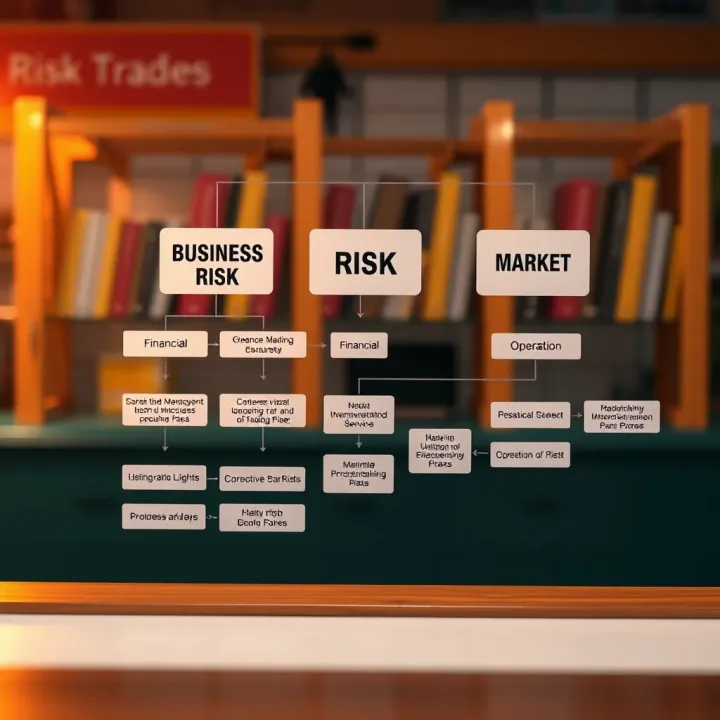
Understanding Risk Management for Kenyan Businesses
📊 Understand risk management basics and methods that Kenyan businesses can apply to stay resilient, make smarter decisions, and secure growth.
Edited By
Amelia Grant
Managing risks is a daily reality for businesses in Kenya, whether you run a small duka in Nairobi or a larger outfit in Mombasa. Risks come in many forms—economic shifts, regulatory changes, supply chain interruptions, or even security challenges. Risk management tools help you spot these threats early, weigh their potential impact, and develop strategies to reduce harm.
In Kenyan business settings, having the right tools can mean the difference between surviving tough times or closing shop. For example, a trader in Nakuru might use market analysis software to track commodity price changes, while a finance analyst in Nairobi relies on risk dashboards to monitor currency fluctuations and their effect on investments.

These tools range from simple checklists and risk matrices to more complex software that uses data analytics to forecast possible problems. Cloud-based platforms also allow business owners to collaborate on risk management irrespective of location.
Effective risk management protects assets and builds trust with clients and regulators.
The benefits go beyond just avoiding losses; these tools aid in making informed decisions that can boost competitiveness. Traders use risk assessment reports to decide which stocks or commodities to back, brokers communicate risk probabilities to clients based on data-driven insights, and students studying finance get hands-on experience analysing real market scenarios.
Kenyan businesses face unique challenges, such as fluctuating fuel prices affecting transport costs or adapting to new regulations from bodies like the Kenya Revenue Authority (KRA). Risk management tools help anticipate such changes and prepare responses.
In the sections ahead, we'll examine different types of risk management tools, practical examples from Kenyan businesses, and tips for choosing the right solutions based on your specific needs. Understanding these tools equips you with a sturdy shield to safeguard business growth amid uncertainties.
Risk management is the process businesses use to spot, assess, and handle potential problems that might disrupt their operations. For Kenyan businesses, this is not just a formality but a necessity. The retail shops in Nairobi’s CBD, the tea exporters in Kericho, and even informal traders in local markets all face risks—from fluctuating currency rates to theft or even regulatory changes that can affect their trade. Understanding risk management means preparing for these challenges before they hit hard.
Simply put, risk management involves identifying things that could go wrong and figuring out ways to manage or avoid them. Common risks for Kenyan businesses include market risks like unpredictable demand, credit risks such as late payments through M-Pesa or bank transfers, operational risks like equipment failure, and compliance risks from changing county government policies.
For example, a small manufacturing firm may face supply chain delays due to erratic weather during the long rains or disruptions in transport caused by road works. Similarly, a bank in Nairobi struggles with credit risks when clients default on loans. Knowing these risks upfront helps businesses prepare appropriately, reducing surprises as the year progresses.
Kenyan businesses operate in a dynamic environment where external factors often change quickly. Risk management tools help simplify this complexity by providing structured ways to track and analyse threats. Tools like risk mapping or financial models allow firms to visualise where they stand and what might affect their cash flow or asset safety.
Take, for example, a small coffee exporter using digital tools to monitor foreign exchange fluctuations alongside crop disease risks. These insights can guide decisions, like when to hedge currency or invest in crop protection.
Besides safeguarding assets, risk management aids regulatory compliance—essential in sectors like banking, insurance, and manufacturing, where institutions are monitored by bodies like the Central Bank of Kenya (CBK) or the Capital Markets Authority (CMA). Without proper tools, companies may face fines or operational disruptions.
Effective risk management tools help businesses move beyond guesswork, enabling smarter choices that protect livelihoods and promote steady growth, especially for SMEs navigating Kenya’s shifting market conditions.
In summary, Kenyan businesses that invest in risk management stand a better chance of handling shocks, whether they come from economic downturns, policy shifts, or operational hiccups. Taking a proactive approach with the right tools is no longer optional—it’s a key part of sustaining business success in a competitive market.
Risk management tools come in different forms, each serving specific purposes. Knowing these types helps Kenyan businesses spot risks clearly, measure them properly, and decide how best to respond. From simple checklists to complex computer systems, these tools empower decision-makers to protect assets and keep operations running smoothly.
Risk Identification involves finding all possible risks that could affect your business. For example, a small Nairobi-based exporter might identify risks like delays at customs, currency fluctuations, or supply chain disruptions. This step helps to put all potential threats on the table before anything else, giving your team a clear picture.
Risk Categorisation groups these identified risks into types such as operational, financial, or reputational. This makes it easier to focus on similar risks together. A local retailer might classify power outages and theft under operational risks, while loan defaults fall under financial risks. Categorisation aids in assigning the right experts to manage specific risks.
Risk Mapping Techniques visually plot the likelihood and impact of each risk. Imagine a map with ‘high impact, high likelihood’ risks at one corner and ‘low impact, low likelihood’ at the opposite. Kenyan SMEs can use simple charts to prioritise high-risk issues, like political instability before elections or changing tax policies, so that resources focus where they matter most.
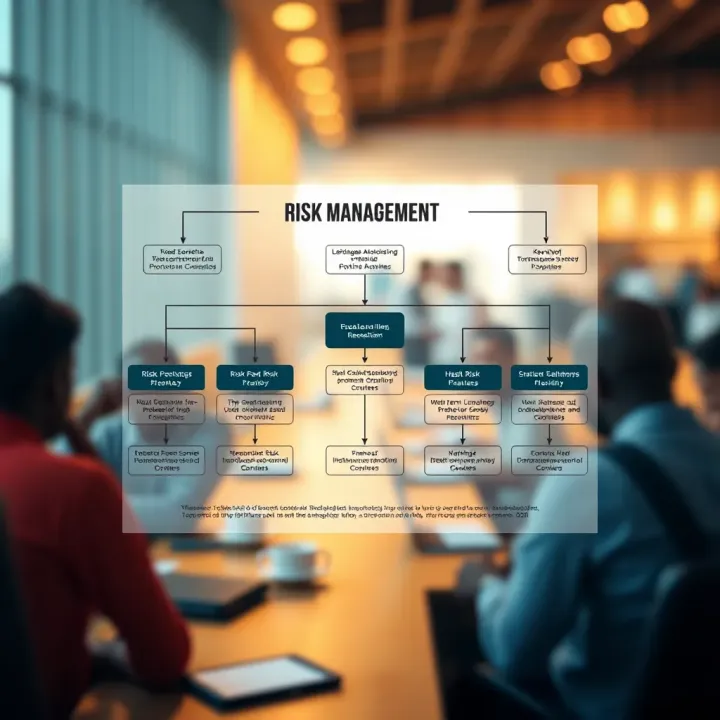
Probability Analysis calculates the chances a certain risk will happen. For Kenyan stock investors, for example, understanding how likely a market dip is based on historical data can guide decisions. Using probability helps avoid guesswork by grounding decisions in numbers.
Value at Risk (VaR) estimates the potential loss in financial terms over a set period at a given confidence level. Banks and investment firms in Nairobi often rely on VaR to measure losses they might face from market movements. For instance, a VaR of KSh 1 million at 95% confidence means there's a 5% chance losses could exceed that amount in a day.
Scenario and Sensitivity Analysis tests how business outcomes change if key variables shift. Say a Kenyan exporter wants to know how a 10% drop in the US dollar exchange rate affects profits. Scenario analysis lays out potential outcomes, while sensitivity analysis shows which factors have the biggest impact. These insights help plan for different futures.
Risk Management Information Systems (RMIS) are software solutions that centralise risk data, track incidents, and manage controls. For bigger Kenyan companies, RMIS can improve transparency across departments. For instance, a manufacturing firm might use RMIS to monitor workplace accidents and compliance with safety regulations.
Data Analytics and AI Integration mean using computer intelligence to analyse large datasets for hidden risks. Kenyan banks use AI models to flag suspicious transactions that could indicate fraud. These tools speed up risk detection beyond what manual checks could achieve.
Cloud-based Risk Solutions offer flexible, on-demand platforms accessible anywhere. Kenyan businesses operating in several towns benefit from cloud solutions that allow remote teams to update risk information in real time. Cloud services reduce IT costs while supporting collaboration and swift response.
Choosing the right mix of risk management tools depends on your business size, sector, and resources. Combining qualitative insights with quantitative data and technological support offers the best shot at spotting and handling risks effectively.
Kenyan businesses face unique risks caused by factors such as an evolving regulatory environment, economic shifts, and infrastructural challenges. Applying risk management tools tailored to this context helps organisations identify hazards early, control potential losses, and make sound decisions. For instance, a retail chain in Nairobi may use risk mapping to anticipate supply chain disruptions during the long rains season, while an SME in Mombasa could apply affordable software to track cash flow risks.
Small and medium enterprises (SMEs), including those in the jua kali sector, often run on tight budgets. This makes affordable and scalable risk management tools essential. Cloud-based software with flexible pricing, such as Excel-based risk registers or mobile-friendly apps, provide accessibility without heavy upfront investment. An artisan workshop, for example, can use simple digital spreadsheets combined with M-Pesa transaction records to monitor financial risks economically.
Scalability is equally crucial because as businesses grow, their risk profiles change. Starting with basic tools that can expand or integrate with more advanced systems avoids costly switching later. Platforms like QuickBooks adapted for Kenyan SMEs offer this flexibility, helping track risks related to credit, inventory, or supplier delays.
A key hurdle in SMEs and jua kali is lack of risk management knowledge and training. Many entrepreneurs focus on day-to-day survival, delaying investment in risk awareness. Without adequate training, even the best tools may go underused or misapplied. For instance, a boda boda operator might not fully grasp how weather patterns or road safety regulations affect operational risks.
Improving awareness through community workshops, county-level seminars, or online courses tailored to Kenyan SMEs can greatly enhance adoption. The government’s Uwezo Fund or microfinance institutions offering bundled training alongside credit can support this. Awareness helps embed risk thinking into routine business decisions, improving resilience.
For corporate and financial sectors, navigating Kenya’s regulatory framework is complex but mandatory. Tools that monitor compliance with bodies like the Capital Markets Authority (CMA), Central Bank of Kenya (CBK), or Kenya Revenue Authority (KRA) reduce legal risks and penalties. For example, a bank might use specialised software to ensure adherence to Anti-Money Laundering (AML) regulations and report suspicious transactions timely.
Automated alerts and audit trails help maintain transparency and prepare organisations for regulatory reviews. This reduces human error and frees compliance teams to focus on strategic governance.
Managing financial risks in sectors like banking, insurance, and investment requires quantitative tools capable of stress testing portfolios, assessing credit risk, and forecasting market volatility. Techniques such as Value at Risk (VaR) are common in NSE-listed firms to calculate potential losses under normal and extreme market conditions.
Kenyan financial institutions increasingly rely on data analytics platforms integrated with M-Pesa and bank transaction data to monitor liquidity risks and customer behaviour. This real-time insight enables prompt corrective actions, preserving capital and protecting investors.
Counties and public agencies handle numerous projects vulnerable to budget overruns, delays, and resource mismanagement. Risk tools that track project milestones, expenditures, and risk indicators improve oversight. For example, Kisumu County may deploy digital project management dashboards to anticipate delays caused by slow procurement or adverse weather.
Such tools ensure timely interventions, better resource allocation, and compliance with public procurement laws, which safeguards public funds and project success.
Public trust hinges on transparent reporting and accountability. Risk management platforms that log decisions, document risks, and track mitigation measures help counties demonstrate good governance. Tools enabling citizens to access status updates or audit reports online promote openness.
This also deters corruption by creating verifiable records aligned with ethics board and auditor expectations. Nairobi City County’s adoption of electronic records helps illustrate how technology enhances oversight and confidence in public services.
Applying context-specific risk management tools in Kenya’s diverse sectors supports resilience, compliance, and effective governance, directly contributing to economic stability and growth.
Introducing risk management tools can be a game of juggling various challenges, especially for Kenyan businesses operating in diverse environments. Understanding these hurdles helps businesses prepare better and avoid pitfalls that would otherwise leave their operations vulnerable.
Cost is often the biggest stumbling block when adopting risk management tools. Advanced software and data analytics platforms come with hefty price tags, which many small and medium enterprises (SMEs) in Kenya can't easily afford. For example, a jua kali workshop trying to integrate a formal risk tool may find licensing and training costs prohibitive. Besides the upfront investment, ongoing expenses like maintenance, software updates, and dedicated personnel add to financial strain. Limited budgets mean many businesses settle for basic or manual risk assessment methods, leaving gaps in their risk monitoring.
Risk management depends heavily on reliable data, but in many Kenyan contexts, data quality is a constant headache. Small traders or informal businesses often operate without detailed records, making it difficult to gather accurate risk information. Even larger organisations can struggle with fragmented databases or outdated systems. For example, a financial institution might face challenges sourcing timely credit risk data due to inconsistent customer reporting. Poor data availability hampers precise risk analysis and decision-making, sometimes leading to either underestimating or overestimating risks.
Implementing risk tools means change, and change doesn't come easy. Kenyan firms, particularly family-owned or long-established businesses, may resist new systems fearing disruption or added oversight. Staff might be uncomfortable with unfamiliar technologies or worry that risk management processes slow down daily operations. For instance, bank branches may find it hard to adopt centralised risk platforms if local staff perceive them as a threat to their autonomy. Overcoming this requires leadership commitment, continuous training, and clear communication on how risk tools protect business interests.
Tackling these challenges head-on improves the chances that risk management tools will deliver real value, helping Kenyan businesses foresee, prepare, and bounce back from threats.
By planning for costs, prioritising quality data collection, and building a culture open to change, organisations can better integrate risk management tools into their everyday operations. Taking such steps isn't just about compliance but securing a more resilient future in Kenya's dynamic business environment.
Choosing appropriate risk management tools is vital for Kenyan businesses wanting to stay ahead of uncertainties and avoid costly setbacks. The right tools help identify risks early, provide clear insights for decision-making, and support compliance with regulations—from financial standards set by the Capital Markets Authority (CMA) to sector-specific rules. A one-size-fits-all approach rarely works; instead, selection should reflect your business size, sector, and risk profile.
Start by mapping out your business’s particular risks. For example, a tea exporter in Kericho might face currency fluctuations and transport disruptions, while a Nairobi-based tech startup could be more concerned with data security and regulatory compliance. Understanding these risks helps determine which tools matter most. A risk assessment matrix can help visualise potential threats and their impact, guiding you to focus on high-exposure areas. SMEs, especially in the jua kali sector, may prioritise simple, affordable solutions over complex software.
Tools vary from basic spreadsheets to advanced risk management platforms with analytics and reporting features. Usability is key; if your team struggles with complicated software, the tool won’t deliver its full value. Look for tools with local language support or intuitive dashboards. Features like real-time risk alerts, integration with existing systems (such as your accounting software or M-Pesa payment channels), and mobile accessibility can make a big difference. For instance, tools that send notifications via SMS accommodate business owners often on the move.
Budget limits often shape choices, particularly for SMEs or organisations in emerging sectors. While some cloud-based platforms offer pay-as-you-go plans suited for smaller businesses, costly licences or high setup fees can be barriers. Consider local vendors or tech hubs offering tailored support and training, which reduce implementation time and boost uptake. Engaging local risk consultants familiar with Kenya’s market can also help maximise the tool’s impact. Remember that investing a reasonable amount in a reliable risk tool can save you much more by preventing losses and penalties.
Selecting the right risk management tools isn’t just about technology; it’s about matching solutions to your business context, ensuring ease of use, and managing costs wisely. This focused approach keeps your business resilient, responsive, and ready for challenges ahead.
📊 Understand risk management basics and methods that Kenyan businesses can apply to stay resilient, make smarter decisions, and secure growth.

Explore how risk management helps Kenyan businesses protect assets, boost financial stability, ensure compliance, and build a strong reputation 📊💼🇰🇪
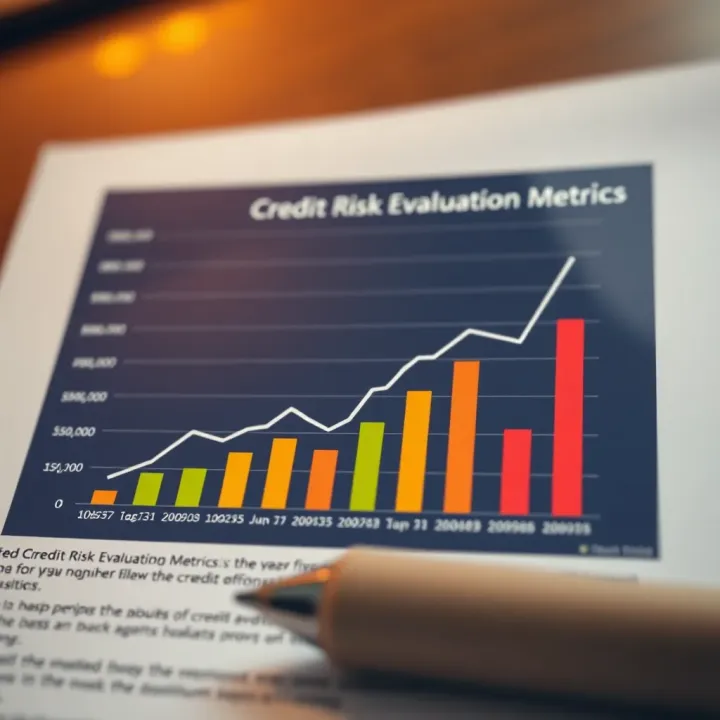
Explore how Kenyan banks manage credit risk with practical steps, tools, and regulations to protect their lending and improve financial stability 📊🏦

📉 Master forex risk management for Kenyan traders! Learn key strategies to protect capital, control losses, and trade confidently in volatile markets.
Based on 5 reviews