
Guide to Forex Trading Companies in Kenya
Explore forex trading in Kenya with our detailed guide 🏦. Learn to pick the right brokers, understand regulations, and trade confidently in the local market 📊.
Edited By
Isabella Foster
Forex trading has grown rapidly in Kenya, as many traders seek ways to profit from currency fluctuations. In recent years, automation—particularly through forex trading robots—has become a key player in this market. These robots, often called Expert Advisors (EAs) or automated trading systems, use algorithms to execute trades based on predefined criteria without human intervention.
Unlike manual trading, where emotions and timing can influence decisions, forex robots strictly follow programmed rules. For example, a robot might monitor the EUR/USD currency pair, placing buy or sell orders when certain technical indicators align. This approach is handy for Kenyan traders who want to keep up with the fast pace of forex markets without watching screens all day.

However, automation doesn't guarantee profits. The effectiveness of a forex robot depends on its design, market conditions, and proper usage. Kenyan traders should carefully evaluate robots by backtesting them on historical data and understanding their risk management settings. Poorly programmed robots may lead to quick losses, especially during unexpected market events like political shifts or Central Bank of Kenya (CBK) announcements.
A well-designed forex robot can save you time and reduce emotional hasty decisions, but it's no magic bullet for success.
There are several types of forex robots:
Trend-following robots: These identify and trade along market trends, hoping to ride profits as prices move steadily.
Scalping robots: They open and close multiple trades within seconds or minutes, aiming for small but frequent gains.
Grid robots: These place buy and sell orders at set intervals, profiting from market fluctuations within a range.
Each style suits different trading strategies and risk appetites. Kenyan traders should consider their available capital and time to monitor performance before picking a robot.
Choosing the right forex robot also means checking for compatibility with popular trading platforms like MetaTrader 4 or 5, widely used across Kenya. Traders should also be mindful of costs—some robots come with upfront fees, monthly subscriptions, or require special broker accounts.
Lastly, integrating automation into forex trading doesn't replace continual learning. Staying informed about global forex trends, especially those impacting the Kenyan shilling, helps robots perform better and traders intervene when needed.
Automation shapes currency trading by speeding up execution and analysing multiple data points quickly. For Kenyan forex enthusiasts, robots offer a practical tool to level up their trading game, provided they’re used wisely and cautiously.
Getting a grip on forex trading robots is essential for anyone serious about automated currency trading. These robots, or Expert Advisors (EAs) as some call them, handle trades automatically using preset rules and algorithms. For example, a trader in Nairobi might use a robot to monitor the volatile USD/KES pair overnight instead of staying glued to the screen.
Forex trading robots are software tools programmed to execute trades on the forex market without manual input. They analyse market data and perform trades based on specific algorithms and trading strategies predefined by the developer or user.
These robots can be simple or complex, ranging from basic signal generators to full-fledged trading systems managing multiple currency pairs and strategies. Their practical relevance lies in their ability to work continuously and execute trades faster than a human trader would.
Automated trading works by linking the robot to a trading platform like MetaTrader 4 or MetaTrader 5, popular in Kenya and worldwide. The robot continuously scans price charts, indicators, and other market signals. Once its conditions for entering or exiting a trade are met, it sends buy or sell orders to the broker automatically.
For instance, if a robot spots a break above a resistance level in the EUR/USD pair, it can open a buy position instantly without waiting for the trader’s manual input. This efficiency is especially useful during Kenyan time when global markets might be open and volatile.
The heart of any forex robot is its algorithm—a set of logical rules designed to interpret market data and decide when to trade. These might include trend analysis, price patterns, or statistical models. The algorithm removes emotional bias and sticks to the strategy.
Think of it like a fundi who never tires and sticks strictly to their trade plan, even when markets get choppy. By relying on clear quantitative rules, robots aim to boost consistency and avoid impulsive losses common among manual traders.
Signal-based robots scan different markets or indicators and provide trade alerts or execute trades when certain signals appear. These signals might come from moving average crossovers, RSI levels, or other technical triggers.
These robots suit traders who want automated help but retain some control over execution, often starting with signal alerts before going fully automatic. For Kenyan traders, these can help manage multiple currency pairs without constant monitoring.
Trend-following robots identify and ride market trends—up or down—looking to profit from sustained movements. For example, during an uptrend in USD/ZAR, the robot enters buy trades and stays in until signs of reversal surface.
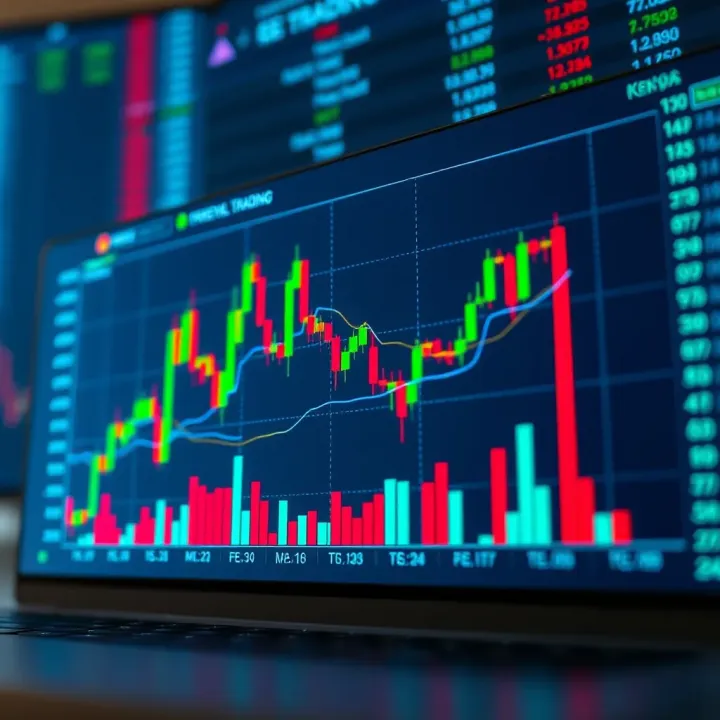
These robots are popular since trends form a significant part of forex price action. However, they may struggle during sideways or choppy markets, common during low-volume hours or political uncertainty in regions like East Africa.
Grid robots place trades at set intervals above and below current prices, profiting as the market oscillates, without predicting direction. Scalping robots, on the other hand, seek quick profits from small price moves, making many trades within minutes or seconds.
While these strategies can generate multiple small wins, they need tight risk controls to avoid significant losses during sudden market volatility. Kenyan traders using these robots must carefully adjust settings considering local trading costs, spreads, and broker fees.
Understanding these basics helps Kenyan traders choose a forex robot that matches their trading style and risk appetite. Automated trading isn't magic, but with the right knowledge, it can be a practical tool to navigate currency markets more efficiently.
Automated trading robots have reshaped how forex traders engage with the currency markets. While these systems offer clear benefits like consistent market monitoring, the drawbacks also demand attention. Understanding both sides helps traders make informed decisions, particularly in fast-moving markets like forex.
Round-the-clock market monitoring is a major edge for forex robots. Unlike human traders who need rest, robots operate 24/7, spotting opportunities whenever they arise. For example, a robot can catch early signals from Asian markets while a Kenyan trader sleeps. This continuous vigilance means no trading chance slips by simply due to unavailability.
Removing emotional biases is another key advantage. Humans often let fear or greed cloud judgement, leading to poor trading decisions at critical moments. Robots stick to their programming, executing trades based on set criteria without hesitation. This consistent approach often helps avoid impulsive actions that might cost a trader dearly in volatile conditions.
Speed and efficiency in execution cannot be overstated. Forex robots enter and exit trades almost instantly once their conditions are met—much faster than manual execution. For instance, during sudden currency swings, a robot can secure profits or cut losses within milliseconds, something a trader might struggle to do when reacting manually. This speed enhances potential gains and risk management.
Reliance on historical data and algorithms is one notable limitation. Robots base decisions on past market behaviour, but financial markets can shift due to unforeseen events or new policies. For example, a robot calibrated during a stable economy might struggle when sudden geopolitical tensions disrupt currency flows. Such overdependence means the robot may falter when conditions diverge from historical patterns.
Vulnerability to market volatility also affects automated systems. While robots are designed for known scenarios, extreme volatility can trigger unexpected outcomes, like frequent stop-loss activations or missed exit points. During high-impact events such as central bank rate decisions or flash crashes, robots might execute trades too frequently or too late, increasing losses instead of preventing them.
Possibility of technical failures adds another risk layer. Internet outages, software glitches, or platform crashes can disrupt a robot’s operation, causing missed trades or unintended orders. For traders in Kenya, where network reliability may vary, this could mean loss of capital or increased exposure. Ensuring stable connectivity and regular system checks are crucial to minimise such risks.
Automated forex trading offers clear benefits but requires careful setup and ongoing supervision to avoid pitfalls. Being aware of these pros and cons helps traders use robots wisely and improve their chances in the currency markets.
Selecting the right forex trading robot can make a noticeable difference between profitable trading and losses. Given the variety of options in the market, Kenyan traders must focus on key factors to ensure they pick a robot suited to their trading style and local market conditions. This section highlights practical considerations when choosing and evaluating forex robots, aimed at helping you avoid common pitfalls.
Performance history and backtesting are vital in understanding how a forex robot has performed under varying market conditions. Backtesting involves running the robot’s algorithm on past market data to assess its profitability and risk levels. While past success doesn’t guarantee future profits, consistent performance in backtests gives a reasonable indication of potential results. For example, a robot with a stable winning rate over several years of data is usually more reliable than one with sporadic gains. In Kenya, where market volatility can be influenced by global events and local economic shifts, checking performance over multiple market cycles is wise.
Developer reputation and transparency matter a lot. Traders should seek robots offered by developers with clear track records and open communication about the system’s methodology. Beware of vendors promising unrealistic returns without proof. Genuine developers usually provide detailed documentation, user reviews, and responsive support. A poor developer reputation often correlates with unreliable or even scam robots. Kenyans investing in forex robots should do due diligence, possibly joining forums or trading communities where experiences are shared candidly.
Compatibility with trading platforms like MetaTrader is essential, as many forex robots are designed to work on specific platforms such as MetaTrader 4 (MT4) or MetaTrader 5 (MT5). These platforms are widely used in Kenya because they offer an easy interface, extensive charting tools, and broad broker support. Choosing a robot that integrates well with your preferred platform ensures smoother operation and reduces technical headaches. For instance, a robot intended for MT4 may not work correctly if forced onto MT5 without proper adaptation, possibly leading to execution failures.
Using demo accounts provides a risk-free way to assess a robot’s live performance with virtual money before committing real funds. Demo testing helps traders understand how the robot reacts to actual price changes and whether its settings suit their risk appetite. Many Kenyan brokers, including those serving the mobile money-savvy market, offer such accounts. This step is crucial because a robot that excels in theory might struggle with real-time spreads or liquidity in local conditions.
Adjusting settings for local market conditions is often overlooked but can improve results substantially. Forex robots typically come with configurable parameters like trade size, stop losses, and trading hours. Kenyan traders should tailor these settings to reflect factors such as peak trading hours aligned to East Africa Time (EAT), plus any volatility patterns influenced by events like economic releases from Kenya or major trading partners. Fine-tuning ensures the robot behaves more optimally in the environment where it operates.
Tracking performance with KSh investments means monitoring returns and losses in Kenyan Shillings rather than just in dollars or euros. Given that currency conversion may add fees or change profit margins, Kenyan traders should regularly review their robot’s profitability in local currency terms. Keeping a record of deposits, withdrawals, and net gains in KSh empowers smart decision-making, especially when scaling capital or adjusting strategies. For example, a trader might notice that gains seem attractive in USD but translate to modest KSh profits after costs.
Before adopting any forex robot, take time to test and evaluate in ways that reflect the Kenyan trading environment. This careful approach helps you balance automation benefits with realistic expectations.
By focusing on these factors, Kenyan traders can enhance their chances of using forex robots effectively, avoiding common traps, and aligning automated trading with local market realities.
Forex trading robots have gained noticeable traction among Kenyan traders, shaping how individuals access and interact with global currency markets. Their rise reflects Kenya's growing digital economy and the increasing availability of online trading platforms tailored to retail investors. Understanding the local impact offers valuable insight into the opportunities and challenges faced by Kenyan traders using automated tools.
Accessibility through online brokers plays a significant role in the uptake of forex robots. International and local brokers offering platforms like MetaTrader 4 and 5 have made automated trading systems widely available. Kenyan traders can easily download robot software and connect it to their broker accounts, allowing even those without deep forex expertise to participate. For example, brokers such as FXPesa and LMFX provide seamless integration with popular forex robots, making entry straightforward.
On top of that, growing interest driven by mobile connectivity fuels increased robot usage. Kenya's rapid adoption of smartphones and reliable 4G networks means many traders can monitor and adjust their bots on the go. Mobile trading apps from brokers enable users to stay connected to the forex market anytime, anywhere. This convenience appeals to younger traders balancing work or studies with trading activities. It's common for Kenyans to start with small capital from their phones during off-hours, leveraging automation to manage trades.
However, there remain challenges with internet reliability and costs that affect automated trading's effectiveness. While urban centres like Nairobi tend to have dependable internet, rural areas often experience spotty connections and high data prices. Slow or interrupted internet can cause delays in robot execution or lost trades, undermining potential profits. This problem urges traders to consider their network quality before relying fully on robots for live trading. Some mitigate this by using data bundles during off-peak hours or choosing brokers with reliable server locations closer to Kenya.
Kenya's Financial Sector regulations actively aim to protect investors while fostering innovation. The Capital Markets Authority (CMA) supervises forex activities, ensuring brokers and related services comply with licensing and transparency rules. While automated trading is not banned, brokers offering forex robots must adhere to CMA guidelines. This means Kenyan traders need to pick brokers regulated locally or by well-respected international bodies to avoid unscrupulous operators.
Unfortunately, there are risks of unregulated or fraudulent robots circulating online. Some companies promise unrealistic returns with little accountability, preying on inexperienced Kenyans eager to cash in. Instances of scams where clients lose their invested KSh or have accounts hacked do occur. Traders must therefore stay vigilant, distinguishing genuine solutions from misleading offers. Checking user reviews, broker regulation status, and running trial accounts before committing capital helps reduce these risks.
Given these concerns, there is a clear need for trader education and caution. Many Kenyan traders dive into forex robots without fully understanding their limitations or market conditions. Local initiatives, online forums, and trading communities provide valuable support to boost knowledge on risks and strategies. It's advised to start small, practise on demo accounts, and gradually scale up investments. Making informed decisions shields traders from overreliance on automation and shady operators.
Traders in Kenya benefit most from forex robots when they combine digital tools with awareness of local market realities and regulatory frameworks.
By recognising these adoption trends and regulatory challenges, Kenyan retail traders can better navigate the forex landscape shaped by automation, protecting their investments while exploring new trading possibilities.
Using forex trading robots is becoming popular among Kenyan traders, but success depends heavily on how they approach this technology. Guidance tailored to the local context helps traders make informed decisions, avoid common mistakes, and maximise their chances of earning consistent profits. This section offers practical advice on picking the right tools, managing capital wisely, and using resources popular in Kenya’s trading community.
Choosing the right forex robot means looking beyond flashy claims. Kenyan traders should prioritise robots with verifiable performance records and transparent algorithm strategies. For example, robots with a strong track record on platforms like MetaTrader, which support extensive backtesting, are generally more reliable. Equally important is picking an online broker regulated by local or reputable international bodies, such as CMA Kenya or FCA UK. A trusted broker not only ensures your funds' safety but also supports smooth robot integration and fair trading conditions.
Beginning with a small deposit minimizes your exposure while you learn how the robot performs in real market conditions. This approach is practical especially given the volatility of forex markets and the common fluctuations in automated system performance. For instance, start with KSh 10,000 or KSh 20,000 to observe how the system trades, then slowly increase your investment as your comfort and confidence grow. This gradual scaling strategy helps preserve capital and prevents heavy losses early on.
Automated trading is not a set-and-forget deal. Kenyan traders should regularly monitor results and maintain detailed records of trades and profits in KSh. Keeping an eye on performance helps identify when a robot's strategy needs tweaking, especially because forex markets evolve continually. Adjustments might include changing risk settings or switching to a different robot that better suits current market trends. Use simple spreadsheets or apps to track analytics consistently for better decision-making.
MetaTrader 4 (MT4) and MetaTrader 5 (MT5) are the top trading platforms in Kenya, known for their compatibility with a wide range of forex robots. They offer user-friendly interfaces, demo accounts for risk-free testing, and tools for customising automated strategies. Many Kenyan brokers support both versions, letting traders easily switch and experiment based on preferences. Mastery of these platforms is essential for leveraging forex robots effectively.
Brokers like HotForex, FXPesa, and Exness have gained traction among Kenyan traders for their reliable service and localised support, including accepting M-Pesa deposits. Choosing a broker that provides clear communication and transparent fee structures is vital for a smooth trading experience with robots. Additionally, brokers offering MT4/MT5 integration make it easier to deploy forex robots without technical hassles.
Accessing Kenyan trading forums, WhatsApp groups, and Facebook communities focused on forex can provide valuable firsthand insights. These spaces allow traders to exchange experiences, share robot performance tips, and warn about scams common in unregulated markets. Local workshops and webinars organised by brokers or financial educators also improve understanding of both forex trading and how to use automated tools wisely.
Starting smart with clear guidance, practical tools, and trusted networks is key for Kenyan traders wanting to benefit from forex robots. Keeping control and staying informed makes all the difference in navigating the automated trading space.
Explore forex trading in Kenya with our detailed guide 🏦. Learn to pick the right brokers, understand regulations, and trade confidently in the local market 📊.
📈 New to forex trading? Discover key insights, practical tips, and risk management strategies designed to help beginners in Kenya trade confidently and wisely.

Learn forex trading in Kenya 🌍 with a practical guide covering market basics, key terms, strategies, risk management, and local regulations to trade confidently.

Discover top forex trading books for Kenyan traders 📚 Learn strategies, risk management, analysis, and trading psychology to boost your skills and success!
Based on 8 reviews