

Forex Risk Management Tips for Kenyan Traders
📉 Master forex risk management for Kenyan traders! Learn key strategies to protect capital, control losses, and trade confidently in volatile markets.
Edited By
Ethan Marshall
Managing risk is part and parcel of business or investment. Every decision you take exposes you to some level of uncertainty. Risk management is the tool that helps people like traders, investors, finance analysts, and brokers keep shaky situations under control. Instead of guessing or reacting last minute, you take smart steps to spot potential problems and handle them before they escalate.
Risk management isn’t about avoiding risk altogether — it’s about understanding it and making choices that protect your money and reputation.
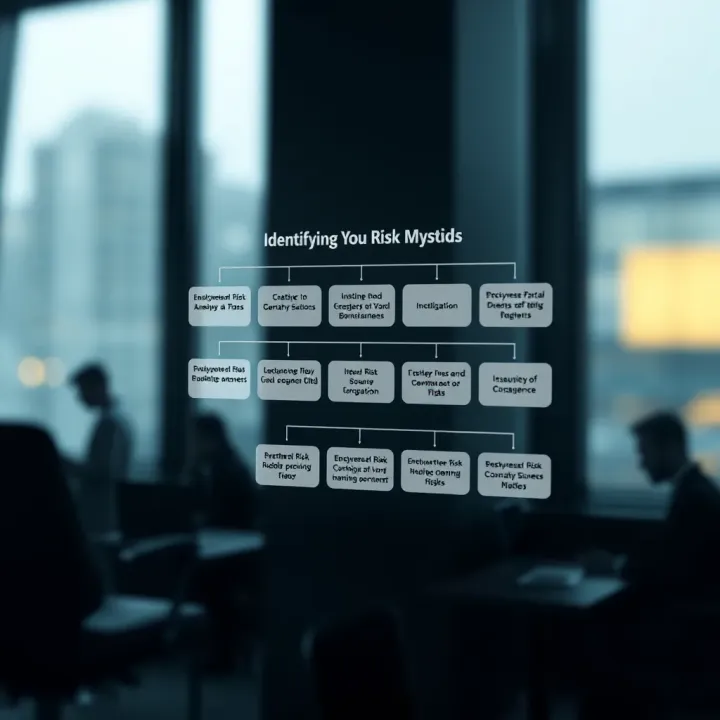
The process typically follows clear steps that guide you from recognising a threat to keeping it in check. For instance, a stockbroker analysing a volatile market must identify which assets carry more risk, evaluate how these risks might affect clients’ portfolios, and decide whether to hedge those positions or reduce exposure.
By breaking down the process, businesses and individuals can handle risks systematically, save resources, and improve decision-making. This also helps avoid costly surprises, like sudden losses due to unexpected market swings or operational failures.
Below are the key stages every well-organised risk management strategy includes:
Risk Identification: Spotting what could go wrong is the foundation. This might mean detecting economic downturns, supply chain interruptions, or compliance gaps.
Risk Assessment: Once risks are known, weigh their likelihood and possible impact. Use data and experience for more accurate evaluation.
Risk Control: Decide how to deal with those risks — avoid, reduce, share (such as through insurance), or accept them.
Monitoring and Review: Risks evolve, so regularly track and reassess. This keeps strategies relevant as markets or business conditions change.
In the Kenyan context, many SMEs do not fully apply these steps, leaving them vulnerable, especially in sectors like agriculture or import-export that face unpredictable weather or foreign exchange rates. Systematically following risk management stages can provide stability.
The coming sections will expand on these steps, showing how you can apply them practically to protect your investments or business interests with confidence and solid information.
Identifying risks clearly and systematically is the foundation of effective risk management. Without a clear picture of potential risks, organisations expose themselves to surprises that can disrupt operations or lead to financial losses. This step ensures that risks are not overlooked or misunderstood by capturing them in a structured, repeatable way. For traders and investors, knowing exactly what risks exist helps avoid blind spots that could affect investment decisions.
Gathering a diverse group of stakeholders encourages a wide range of perspectives on possible risks. For example, a Kenyan investment firm might include portfolio managers, compliance officers, and even client representatives to explore emerging threats. This collaborative environment often reveals risks that individual departments might miss and generates fresh ideas for spotting hidden vulnerabilities.
Learning from previous mistakes or near misses can be invaluable. Risk managers can study incidents within the organisation or similar firms to identify recurring risk patterns. For instance, a brokerage analysing past trade errors or market disruptions gains insight into operational weaknesses or market volatility that could recur.
Checklists based on industry standards or historical data provide surety that common risks are not forgotten. Many firms maintain risk databases where previously identified risks are catalogued for future reference. This method works well in complex environments, such as financial markets, where numerous regulatory and market risks exist. Using such tools ensures consistency and thoroughness in risk identification.
Experts bring specialised knowledge about technical or market risks, while frontline staff often detect emerging issues early through everyday operations. For example, a trader spotting unusual price movements communicates a potential market risk before it escalates. Combining these insights with expert analysis strengthens the quality of risk identification.
A risk register is a central document listing identified risks along with details such as their cause, impact, and current controls. For Kenyan SMEs, this simple tool aids in tracking risks systematically. It also supports transparency by allowing management and auditors to review the organisation's risk landscape easily.
Sorting risks based on their origin (market risk, credit risk, operational risk) and nature helps focus assessment and response efforts. A Nairobi investment group might classify risks into market exposure, regulatory compliance, and internal process failures, making it easier to allocate resources efficiently and comply with regulatory frameworks.
Not all risks are equally urgent or severe. Prioritisation helps decision-makers focus on those that pose the greatest threat. For example, a listed company on the Nairobi Securities Exchange (NSE) may first assess risks that could impact financial reporting or share price significantly. This ensures risk assessment is pragmatic, saving time and concentrating effort where it counts most.
Clear identification and documentation of risks prepare organisations to address them effectively, avoiding costly surprises. This step is particularly crucial in markets like Kenya's, where dynamic economic conditions demand constant alertness.
Assessing risks is a vital step in managing them effectively. It helps organisations understand not only what risks exist but how serious each one is, which guides decision-making and prioritisation. For traders, investors, and finance analysts especially, knowing both the likelihood and potential consequences of risks can prevent costly mistakes and enhance strategic planning.
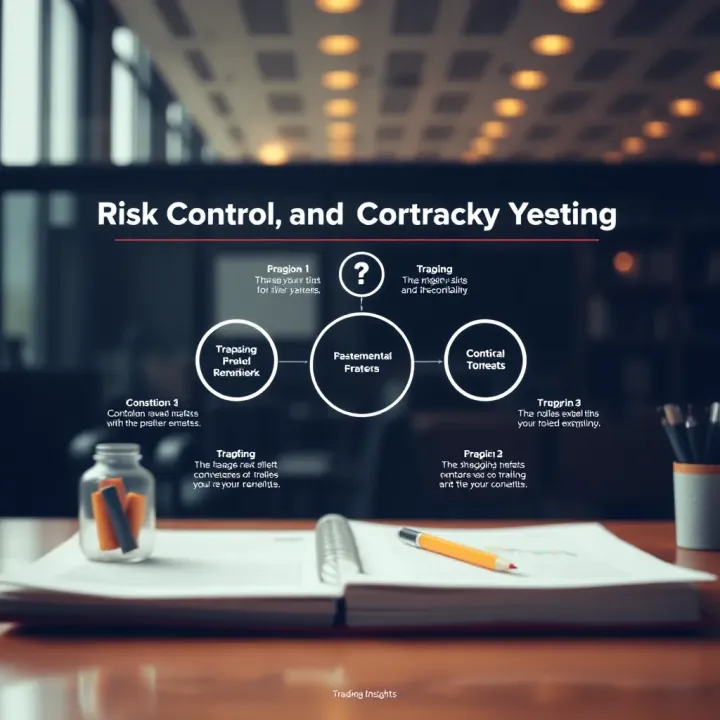
Qualitative approaches such as expert judgement involve gathering insights from experienced people who understand the industry and specific operations. For example, a broker might consult a seasoned market analyst to estimate the chance of a stock’s price plummeting due to political unrest. Such qualitative assessments don’t rely on numbers alone but use practical knowledge, past events, and gut feeling to outline risk levels quickly and where detailed data may be unavailable.
Quantitative methods involving data and statistics take a more number-driven route to assess risk. This could mean analysing historical market trends, price volatility, or default rates on loans to produce measurable risk scores. A financial analyst might use statistical software to calculate the probability of a portfolio losing value beyond a certain point within a year. This approach is especially helpful when hard data is plenty and gives a more objective view than qualitative estimates.
Use of risk matrices to visualise severity puts likelihood and impact together in an easy-to-read grid format. For example, a risk matrix could plot the chance of a supply chain disruption (low to high) against its potential impact on operations (minor to severe). This visual tool helps decision-makers quickly spot which risks need urgent attention and which ones can be tolerated or monitored over time.
A risk badly understood is a risk poorly managed—visual tools like risk matrices can highlight even subtle threats.
Aligning risk appetite with organisational goals means defining how much risk is acceptable in pursuit of business aims. For instance, an investment firm looking for high returns may tolerate more volatility, while a pension fund prioritising steady income prefers minimal risks. Knowing this balance helps avoid decisions that stray too far from the company’s strategy.
Considering regulatory and compliance limits is crucial because banks, brokers, and listed companies in Kenya must follow rules set by authorities like the Capital Markets Authority (CMA) and Central Bank of Kenya (CBK). These rules often set the upper limit of risk exposure, beyond which heavy penalties or licence suspensions may occur. Organisations must factor these limits into their risk acceptance.
Engaging decision-makers in setting acceptance levels ensures those with authority understand and agree on what risks the organisation can handle. In a Kenyan investment firm, this could involve the board setting clear thresholds for forex risk or liquidity exposure. This involvement improves accountability and ensures risk management supports real business needs rather than existing as a box-ticking exercise.
Assessing risk nature and impact with these steps equips traders, investors, and financial professionals to make choices that protect capital and promote growth without exposing their organisations to unmanageable dangers.
Planning and implementing risk control measures is a critical step in managing risks effectively. This phase transforms insights from risk assessment into practical actions that aim to minimise harm and protect an organisation’s interests. Without careful planning and proper implementation, even well-identified risks can lead to costly setbacks. In trading or investment contexts, for example, controls ensure that price swings or market shocks do not wipe out gains unexpectedly.
Avoiding or eliminating risks means taking steps to completely remove activities or situations that could cause harm. For instance, a broker may decide to avoid trading in highly volatile foreign currencies that don’t align with their risk appetite. This approach is most suitable when the potential risk outweighs any benefit, such as refusing to invest in companies with unstable governance to prevent fraud or legal issues.
Reducing risk through controls and safeguards involves putting measures in place to lessen the likelihood or impact of risks. For example, a trader may set stop-loss orders to limit financial losses when market prices move adversely. Similarly, investment firms might diversify their portfolios across sectors to reduce exposure to a single economic downturn. These controls often combine policies, technology, and ongoing monitoring to keep risks within acceptable levels.
Transferring risk via insurance or contracts means shifting the financial burden to another party. Investors might use derivative contracts or hedging strategies to cover losses from currency fluctuations or commodity prices. Meanwhile, firms may buy insurance to protect against losses from theft or business interruption. This approach does not eliminate risk, but it limits direct impact on the organisation’s finances.
Accepting risks within tolerance levels recognises that some risks are unavoidable and manageable. A financial analyst may accept minor currency fluctuations when they fall within expected ranges rather than overcomplicating trades with excessive hedging. Organisations often set thresholds defining what levels are tolerable based on strategic priorities and then monitor performance closely to stay within those bounds.
Assigning responsibilities and timelines ensures that risk control measures are carried out properly and promptly. Each task needs a clear owner and deadline; for example, a compliance officer might be responsible for updating risk policies every quarter. This accountability reduces confusion and guarantees that necessary steps are not ignored or delayed.
Allocating budgets and resources is vital because risk management activities often require funding and personnel. For instance, investing in software to monitor market trends or hiring risk analysts demands money and effort. A firm must weigh the cost of these resources against the benefits of reducing potential losses.
Communicating plans across the organisation helps create shared understanding and cooperation. Traders, analysts, and managers should know the risk controls and their roles in executing them. Clear communication channels, such as regular meetings or dashboards, keep everyone aligned and alert to any changes.
Effective risk control is about turning plans into action that shields an organisation without stifling its goals. When well-managed, these responses build resilience even in unpredictable markets.
By carefully planning and following through on risk control measures, businesses and investors can protect their assets while seizing opportunities with clearer confidence.
Monitoring and reviewing risks continuously is vital in building a resilient organisation. It ensures that risk controls remain effective and that emerging risks do not catch the business off guard. Risk environments evolve fast, especially in sectors like finance and trade, where regulatory changes, market shifts, or technological developments can quickly alter risk profiles. For example, a brokerage firm failing to track regulatory updates could face hefty fines if compliance risks are overlooked.
Regular monitoring helps spot early signs that risk controls may be slipping or that threat levels are rising. By reviewing risks often, an organisation can adjust strategies promptly rather than reacting after losses have occurred. This proactive approach improves decision-making and protects assets efficiently.
Setting up Key Risk Indicators (KRIs) allows firms to quantify and track specific factors signalling risk exposure. KRIs serve as early warning systems. For instance, an investment company might track the volatility index or client capital withdrawals as KRIs indicating market risk or liquidity issues. Setting clear thresholds for KRIs helps alert management when things start to move outside acceptable limits.
Choosing relevant and measurable indicators is crucial. If KRIs are too broad or poorly defined, they won’t provide timely or actionable insights. In practice, the top financial institutions integrate KRIs into dashboards to flag anomalies daily, helping maintain risk awareness at all levels.
Regular audits and inspections provide systematic reviews of how well risk controls are functioning on the ground. Audits check adherence to policies, the effectiveness of processes, and identify gaps. For example, a financial audit might reveal lapses in client verification procedures that raise fraud risks.
Routine inspections also reinforce accountability among staff by showing that compliance is taken seriously. Having independent reviewers or internal auditors offer unbiased perspectives that might not be visible to operational teams. Audits should be scheduled periodically and adapt to changes in risk severity or new operational areas.
Feedback loops from operations involve collecting information from frontline staff and day-to-day activities about risk events or near misses. Since employees encounter risks first-hand, their input is invaluable. For instance, traders noticing unusual client behaviour or technical staff detecting system glitches can report concerns quickly.
This continuous flow of feedback helps identify subtle risk signals and prevents minor issues from evolving into major problems. Creating an open culture where such reporting is encouraged without blame is key. Digital tools like mobile reporting apps can simplify this process in busy Kenyan offices.
Adapting to new threats or changes in environment ensures that risk management stays relevant as conditions change. Whether it’s a shift in market dynamics, new technologies, or political tensions, organisations must revisit risk assessments regularly.
Take, for example, how COVID-19 changed supply chain risks overnight. Businesses that adjusted their risk response plans survived better than those that stuck to old assumptions. Periodic review means spotting fresh risks quickly and updating mitigation strategies accordingly.
Learning from incidents and near misses turns every mistake or close call into an opportunity for improvement. Documenting and analysing what went wrong or nearly went wrong helps avoid repeating errors.
For example, if a financial institution realises that oversights in loan approvals led to defaults, it can tighten credit checks and staff training. Near miss reporting is just as valuable, revealing weaknesses before actual damage occurs. This continuous learning cycle strengthens overall resilience.
Reviewing and revising risk policies ensures that risk frameworks reflect current realities and lessons learned. Policies set the rules for managing risks and without regular updates, they can become outdated or irrelevant.
Organisations should schedule policy reviews annually or when significant changes happen. When revision happens, clear communication of updates across all teams is necessary for consistent implementation. For example, a bank revising AML (Anti-Money Laundering) policies must train staff on new checks to maintain compliance and reduce regulatory risk.
Continuous risk monitoring is not a one-off task but a steady effort to keep the organisation alert and prepared. Without it, even the best risk strategies might fail to address shifting threats.
By tracking risk indicators, conducting audits, collecting operational feedback, and regularly updating assessments and policies, Kenyan businesses can build effective systems to stay ahead in uncertain environments.
Creating a risk-aware culture is essential for any organisation wanting to manage risks effectively over time. This culture means everyone, from junior staff to senior leaders, understands the risks in their work and feels responsible for handling them. For Kenyan businesses and finance professionals alike, this translates into better decision-making, fewer surprises, and stronger resilience against shocks that could otherwise disrupt operations or investments.
Ongoing risk awareness programmes keep staff informed about the latest risks and encourage them to stay alert. For example, a Nairobi-based trading firm might run monthly sessions where recent market developments and compliance changes are discussed. These programmes reinforce good practices and ensure risk management is not a one-time event but part of daily work routines.
Including practical tools like real-life scenarios or interactive quizzes makes these sessions relatable. It helps staff recognise risks early, from cyber threats to fluctuating forex rates, which they might otherwise overlook. Without this regular engagement, employees may become complacent, missing early warning signs.
Including risk management in performance goals motivates staff to take ownership of risk controls. When individual targets reflect specific risk management tasks, such as completing risk assessments or reporting incidents promptly, staff see the direct connection between their work and organisational safety.
For example, a portfolio manager could have a key performance indicator (KPI) to limit exposure to high-risk assets, while a compliance officer might be measured on the speed of resolving flagged transactions. Linking risk awareness to performance nurtures accountability and integrates risk considerations into daily decisions rather than treating them as extra chores.
Encouraging reporting without blame establishes trust and improves risk detection. Employees must feel safe to highlight mistakes or near misses without fear of punishment. An insurance company in Mombasa, for instance, found that staff were reluctant to report fraud risks until the management assured them of non-retaliation policies.
This approach leads to more honest disclosure, allowing the organisation to address issues proactively. Adopting a "no blame" culture also fosters learning from errors, turning potential failures into opportunities to strengthen controls.
Setting examples from top management is often the foundation of a risk-aware culture. When senior leaders openly discuss risk issues, accept responsibility openly, and follow policies strictly, it sends a clear message throughout the organisation.
Consider a bank CEO in Kenya who regularly participates in risk management workshops and shares stories of how risk decisions have impacted the bank. This openness motivates staff to take risk management seriously and to raise concerns without hesitation.
Aligning risk strategy with business objectives ensures risk management supports overall company goals rather than becoming a separate, bureaucratic function. For traders or analysts, this means understanding how risk appetite matches their investment strategies.
For example, an asset management firm might define acceptable risk levels based on client expectations and market conditions. This alignment allows quicker, informed decisions and minimises conflicts between growth ambitions and risk limits.
Regular risk discussions in management meetings keep risk issues visible and integrated across departments. Such forums offer a chance to review key risk indicators, discuss emerging threats, and evaluate the effectiveness of controls.
At a logistics company in Kenya, monthly management meetings include a dedicated risk segment where operational delays, security incidents, or compliance challenges are analysed. This routine keeps all departments alert and ready to adjust plans swiftly.
Building a risk-aware culture is not a one-off project but a continuous effort. It depends on training, trust, leadership commitment, and clear communication, all tailored to the organisation’s unique context.
By embedding these elements, Kenyan businesses, investors, and finance professionals can improve their risk management outcomes, stay competitive, and safeguard their assets more effectively.
📉 Master forex risk management for Kenyan traders! Learn key strategies to protect capital, control losses, and trade confidently in volatile markets.
Explore how Kenyan businesses manage compliance and risks, tackle challenges, adopt best practices, and use technology for safer operations 📊⚖️
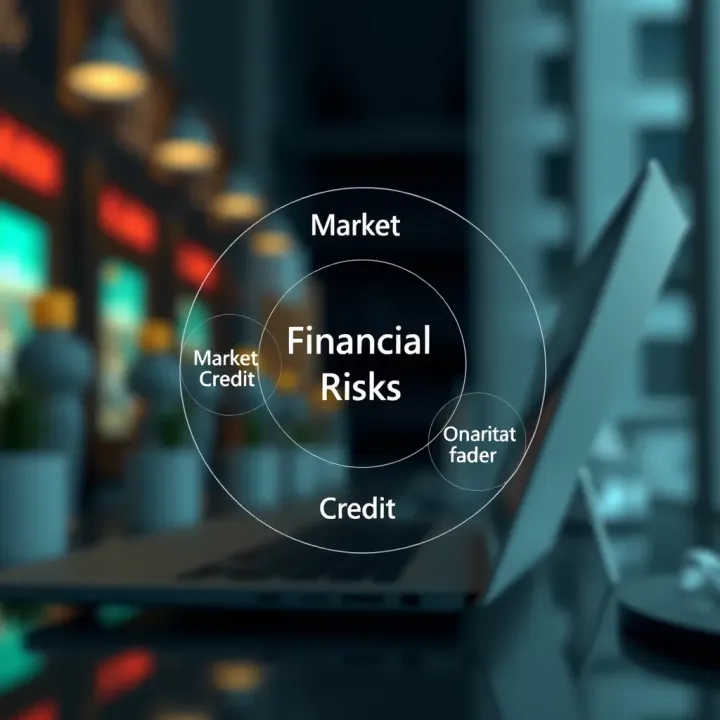
📊 Explore solid strategies and practices for managing financial risk in Kenya. Learn to identify risks, use technology, and navigate regulations effectively.
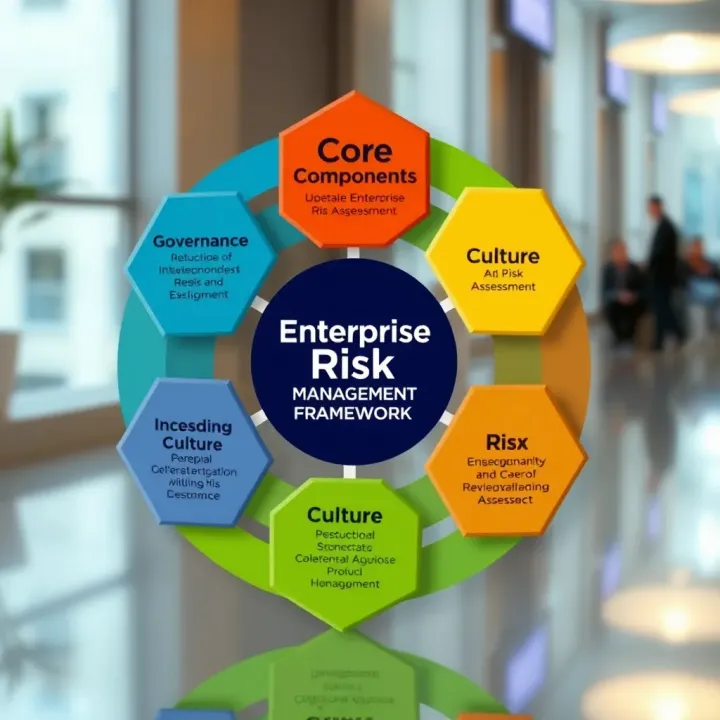
Explore how enterprise risk management frameworks help Kenyan businesses spot and handle risks daily, focusing on culture, governance, and key steps 🛡️📊
Based on 5 reviews