
Understanding Binary Forex Trading in Kenya
Explore binary forex trading basics, risks, and strategies designed for Kenyan traders 🇰🇪. Learn how it differs from traditional forex and trade wisely ⚖️📉💡
Edited By
Benjamin Clarke
Forex trading, short for foreign exchange trading, involves swapping one currency for another, usually to make a profit from the changing exchange rates. Unlike shares or bonds, forex operates over the counter (OTC), meaning trades happen directly between parties, mostly in a global marketplace that runs 24 hours across different financial centres. In Kenya, this market links us directly to global currencies like the US Dollar, Euro, British Pound, and even regional currencies such as the Tanzanian Shilling.
Many Kenyans might wonder why forex matters beyond tourists or importers. The truth is, anyone dealing with international payments—businesses importing goods, individuals sending remittances, or investors seeking diversified portfolios—feels the impact of currency fluctuations. For example, a sharp rise in the US Dollar against the Kenyan Shilling can increase the cost of imported electronics, affecting your household budget.
Forex trading isn’t just about buying and selling currency physically; it mostly involves electronic platforms where traders speculate on how currency values will move. These traders use analysis—both technical charts and economic reports—to inform their decisions. But it is no easy ride: volatility, news shocks, and global economic shifts can turn the market unpredictable.
Understanding the basics of forex trading can help you grasp how currency movements affect business costs, savings, and investment decisions directly in Kenya.
If you’re thinking of trying forex trading here, start small and remember that it carries significant risks. Protect yourself by learning trading strategies, managing your capital carefully, and choosing licensed brokers with good reputations.
To navigate forex successfully:
Know the key currency pairs involving KSh, like USD/KES, EUR/KES
Follow global economic news from centres like the US Federal Reserve or the European Central Bank
Use Kenyan platforms offering transparent terms and support
This article breaks down how forex trading works, what risks to expect, and practical steps for those eager to understand or enter the market responsibly. Whether you are a trader, investor, or just curious about Kenya’s place in the global economy, grasping forex basics is useful and timely.
Understanding what forex trading means helps you grasp how everyday decisions about money connect to a vast global exchange system. Forex trading involves buying and selling currencies to profit from changes in exchange rates, which affects importers, exporters, travellers, and investors alike. In Kenya, this market influences the price of imported goods, foreign investments, and remittance flows.
Forex, short for foreign exchange, is the market where currencies from different countries are bought and sold. For example, when a Kenyan importer purchases electronics from China, they exchange Kenyan shillings (KES) for Chinese yuan (CNY) through the forex market. This exchange rate fluctuates based on supply, demand, and economic factors, impacting how much local currency is needed to complete the purchase.
The forex market is the largest financial market worldwide, with daily trading volumes exceeding $6 trillion. This size means prices change quickly, offering opportunities and risks for traders and businesses.
A wide range of players take part in forex trading. Central banks, like the Central Bank of Kenya (CBK), intervene to stabilise or influence their national currencies. Commercial banks act as key intermediaries. Large corporations engage in forex to hedge against currency risks in international trade. Individual traders in Kenya also participate through brokers, aiming to profit from short-term currency movements.
Each participant influences the market differently. For instance, if the CBK raises interest rates, it might strengthen the KES, affecting traders and importers.
Forex prices are always quoted in pairs, such as USD/KES. The first currency is the base currency, the second is the quote currency. The number associated with this pair shows how much of the quote currency you'd need to buy one unit of the base currency.
For example, if USD/KES is quoted at 110, it means you need 110 Kenyan shillings to buy 1 US dollar. This system helps traders quickly understand relative currency values and make trading decisions.
Some currency pairs are more frequently traded due to their liquidity and economic significance. Major pairs include USD/EUR, USD/JPY, and GBP/USD. For Kenya, pairs like USD/KES and EUR/KES are particularly important since many international transactions or investments involve these currencies.
Kenyan traders often focus on USD/KES because the US dollar has significant influence on Kenya’s trade and remittances. Movements in this pair directly impact prices of imported goods and foreign travel costs. Understanding such pairs allows Kenyan traders and businesses to make informed decisions based on global events and local economic conditions.
Forex market activity reflects real-world economic ties. Knowing how currency pairs work and who participates helps you see why exchange rates matter beyond just numbers on a screen.
Currency pairs show exchange rates clearly
Central banks and businesses shape the forex landscape
Kenya’s economy links closely to USD and EUR in forex trading
By grasping what forex trading truly means, you're better positioned to understand the market forces that shape your financial environment, be it as a trader, investor, or consumer.
Understanding how forex trading operates daily is crucial for anyone looking to trade or follow currency markets. Forex is unique because it runs 24 hours on weekdays, driven by global time zones shifting from one financial centre to another. Knowing when the market is most active helps you choose the best trading times, improve trade execution, and manage risk effectively.
The forex market is centred around four main hubs: London, New York, Tokyo, and Sydney. These centres dictate trading hours based on local business hours and banking times. London kicks off the day at 8 am GMT, often regarded as the most active session because it overlaps with both Asian and US trading times. The New York session starts at 1 pm GMT and brings high liquidity as traders in the Americas join in. Tokyo opens around midnight GMT and mainly serves Asian traders, while Sydney starts trading just before Tokyo but typically sees lower volumes.
For a trader in Kenya, which is at GMT+3, the London session runs from 11 am to 8 pm local time, aligning with the afternoon when many retail traders are available. The New York session starts at 4 pm and wraps up around 1 am, allowing evening trades. This overlap of sessions offers a chance to catch market movements across different global economies.
The periods when major sessions overlap — especially London and New York, from 4 pm to 8 pm Kenya time — see the highest liquidity and tightest spreads. Liquidity means there are many buyers and sellers, making it easier to enter or exit trades without big price jumps. During low-liquidity periods, like the Sydney session, prices can be more volatile and spreads widen, which might not suit every trader.
The takeaway is to plan trading activities around these times to get the best pricing and reduce risks linked to erratic market moves. Busy sessions also tend to react quicker to news releases, making them attractive for short-term traders.
Most Kenyan traders access the forex market through brokers licensed either locally or internationally. Brokers act as intermediaries, giving you a platform to execute trades with access to currency pairs. Trading platforms like MetaTrader 4 or 5, and proprietary broker platforms, offer tools to monitor price movements, analyse charts, and place orders.
Choosing a reliable broker with transparent fees and good customer support is vital, especially if you prefer funding your account via M-Pesa or bank transfer. A trustworthy platform reduces risks of technical problems during crucial market moves.
Leverage lets you control a bigger position than your deposited funds. For example, with 1:100 leverage, depositing KS0,000 lets you trade KS,000,000 worth of currency. This boosts your profit potential but also the risk of losses.
Margin is the amount you must keep in your account to open a leveraged position. If your trades move against you beyond your margin, the broker may close your positions to stop further losses, a process called a margin call.
Leverage is a double-edged sword. It enables small-time traders in Kenya to access big markets, but careless use can drain accounts quickly. So, start small and use risk management tools like stop-loss orders to limit potential losses.
Successful forex trading depends on understanding daily market rhythms, choosing good brokers, and handling leverage responsibly. These basics help you stay on top of market moves and protect your money as you learn the market’s ups and downs.
Understanding key concepts and using the right tools is essential for anyone serious about forex trading. These elements help you read the market better, make informed decisions, and manage risks effectively. Without a grasp of basic forex terms and chart reading skills, it’s like trying to navigate Nairobi traffic without knowing the routes.
Bid, ask, and spread are fundamental to grasping how forex prices work. The bid price is what buyers are willing to pay for a currency, while the ask price is what sellers want to receive. The difference between these two prices is called the spread and represents the broker’s fee for executing a trade. For example, if the KES/USD bid is 108.50 and ask is 108.55, the spread is 0.05. A narrower spread generally means lower trading costs, which is good for traders.
Charts are the visual language of forex. Basic chart types include line charts, bar charts, and candlestick charts. Each shows price movements differently but helps traders spot patterns and trends. Timeframes range from one minute to monthly views depending on your trading style. For someone using short-term strategies, a 5-minute candlestick chart may highlight quick price changes, while a long-term investor might focus on daily or weekly charts to understand broader trends.
Technical analysis basics involve studying past price data to predict future movements. Traders look at patterns, support and resistance levels, and technical indicators like the Relative Strength Index (RSI) or Moving Averages. For instance, spotting a "double bottom" pattern on the USD/EUR chart could signal a potential price rise, prompting a buy position. It’s like reading signs on the road to anticipate traffic jams or clear roads ahead.
Fundamental factors influencing currencies come from economic and political events. Interest rates set by central banks like the Central Bank of Kenya (CBK), inflation reports, GDP growth, and political stability impact currency values. For example, if Kenya's inflation rate rises significantly, the Kenyan shilling might weaken against the US dollar. Traders who follow these factors can better predict when to enter or exit a trade, avoiding surprises from sudden news.
Mastering these concepts and tools turns guessing into informed decision-making, improving your chances of navigating the volatile forex market confidently.
Understanding these key ideas prepares you for more advanced strategies and helps you use forex platforms with greater ease, especially in Kenya’s growing forex trading scene.
Trading forex offers both opportunities and dangers that every trader in Kenya should understand clearly before stepping in. Knowing these risks and rewards helps you manage your money wisely and avoid costly mistakes.
Market volatility and sudden changes can affect your forex trades sharply. The forex market moves fast because it responds immediately to global news, economic reports, or geopolitical events. For example, if an unexpected announcement drops about a central bank’s interest rate decision, the Kenyan shilling or any other currency can shift its value quickly. This volatility means prices can jump or drop within minutes, which can be risky if you do not have a solid plan or use stop-loss orders to limit losses.
Besides volatility, leverage, which is the ability to control a large trading position with a small amount of money, can increase both your profits and your losses. For instance, many brokers offer leverage ratios up to 1:100 or more. This means with KS0,000 in your account, you could trade a position worth KS,000,000. While this sounds beneficial, it exposes you to bigger losses if the trade moves against you. It’s not unusual for beginners to lose more than their initial capital because of using too much leverage without proper risk management.
One key advantage of forex trading is its high liquidity. The forex market is the largest financial market globally, with trillions of dollars traded daily. This liquidity means you can enter and exit trades easily without waiting too long for a buyer or seller. For traders in Nairobi or Mombasa, this liquidity helps ensure that currency prices stay competitive and you won’t struggle to convert currencies when you want to close your position.
Forex trading also offers accessibility for individual traders in Kenya. You don’t need a large amount of money to start, and modern trading platforms accept payments through popular local services like M-Pesa. This ease of access allows more Kenyans—from university students studying economics to jua kali workers saving for better futures—to participate in the global currency markets. Starting with demo accounts reduces risks while gaining experience before committing real money.
Remember, successful forex trading depends on balancing these risks with realistic profit goals, using tools and strategies suited to your financial level and market knowledge.
Balancing the attractiveness of rewards against inherent risks makes forex trading both challenging and potentially rewarding for Kenyan traders who are willing to put in the effort to learn and practise.
Starting forex trading in Kenya offers individuals a chance to engage with the global currency market from the comfort of their homes or offices. For Kenyans, the appeal lies in accessing high liquidity markets 24 hours a day and the opportunity to earn from currency fluctuations, all while using convenient local payment methods.
A key first step when beginning forex trading in Kenya is selecting a trustworthy forex broker. Regulation and licensing act as guarantees that the broker operates under specific standards designed to protect traders. In Kenya, brokers registered with international regulators such as the Financial Conduct Authority (FCA) or the Cyprus Securities and Exchange Commission (CySEC) are generally considered reliable. While the Capital Markets Authority (CMA) Kenya is working on local frameworks, many trusted brokers comply with established international authorities. This protects you against fraud and ensures fair trading practices.
Payment options are crucial when choosing a broker, especially for Kenyan traders. M-Pesa, Safaricom's mobile money service, is the dominant payment method in Kenya, and brokers accepting deposits and withdrawals via M-Pesa make funding accounts hassle-free. Other common options include bank transfers and credit/debit cards, but M-Pesa's speed and accessibility give it an edge. Before committing, confirm that your broker supports M-Pesa or preferred local payment methods to avoid delays and fees.
Forex brokers offer various account types tailored to different trading goals and budgets. Typical options include standard accounts requiring moderate minimum deposits, mini-accounts for smaller capital, and sometimes VIP accounts with extra features. Funding these accounts depends on the broker’s accepted methods, but for Kenyan traders, using M-Pesa or local bank transfers ensures smoother transactions and better control over funds.
Starting with a demo account is strongly recommended to familiarise yourself with the trading platform and tools without risking real money. Demo accounts simulate live market conditions with virtual funds, enabling you to practise strategies and understand market dynamics. Alongside this, risk management techniques such as setting stop-loss orders and limiting trade sizes help safeguard your capital once you begin live trading. These basics build the foundation for disciplined and sustainable forex trading.
When entering forex trading in Kenya, a reliable broker with local payment options and a clear path from demo to live trading can make all the difference in navigating this fast-moving market.
Selecting the right broker and practising on demo accounts are the practical first moves for Kenyans to take control of their forex trading ambitions. Equipped with these steps, you can approach the forex market more confidently and responsibly.
Explore binary forex trading basics, risks, and strategies designed for Kenyan traders 🇰🇪. Learn how it differs from traditional forex and trade wisely ⚖️📉💡
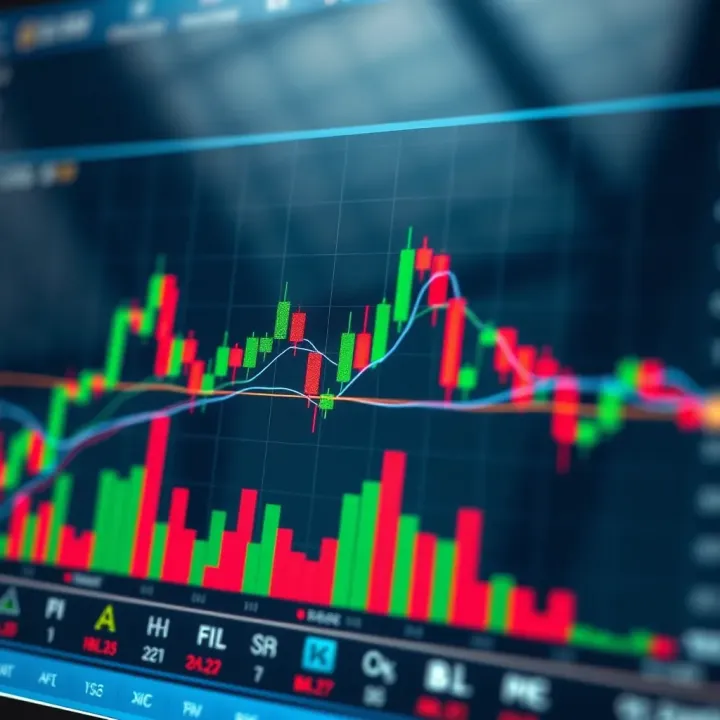
📈 Learn key forex chart patterns to spot market trends and boost your trading skills in Kenya. Gain clear insights for smarter decision-making today!
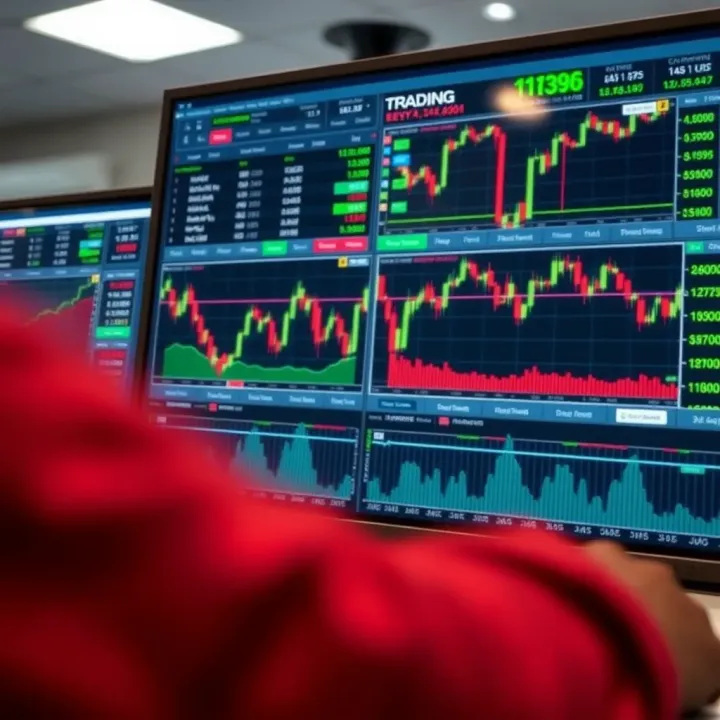
Explore forex trading in Kenya with our detailed guide 🏦. Learn to pick the right brokers, understand regulations, and trade confidently in the local market 📊.
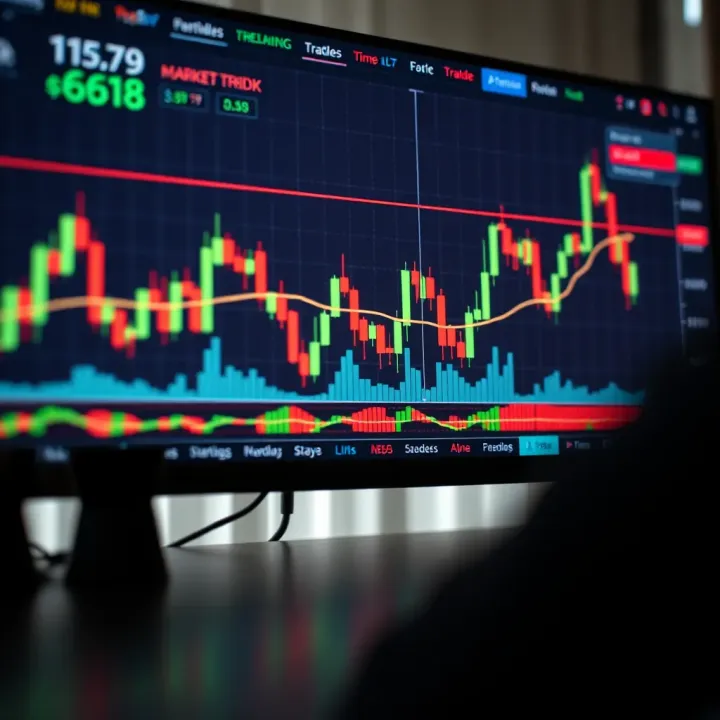
📈 New to forex trading? Discover key insights, practical tips, and risk management strategies designed to help beginners in Kenya trade confidently and wisely.
Based on 10 reviews