
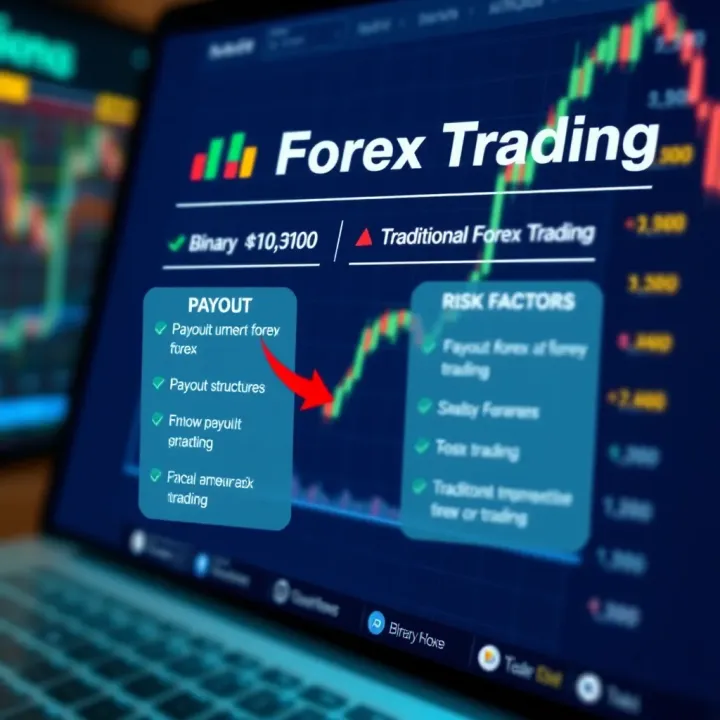
Understanding Binary Forex Trading in Kenya
Explore binary forex trading basics, risks, and strategies designed for Kenyan traders 🇰🇪. Learn how it differs from traditional forex and trade wisely ⚖️📉💡
Edited By
Charlotte Davies
Forex trading signals are alerts that suggest the best times to buy or sell currency pairs. For Kenyan traders, these signals can be a handy tool to cut through the noise of the fast-moving forex market. They offer clear guidance based on market data, technical analysis, or expert opinions.
Understanding these signals can help you make better trading decisions and potentially improve your profitability. However, not all signals are created equal, and relying solely on them without proper knowledge can be risky.
Forex signals work like a GPS for traders, showing possible routes but not the exact destination.
Simply put, forex trading signals indicate entry and exit points in the market. They usually come with details such as the currency pair (e.g., USD/KES), the recommended action (buy or sell), price targets, and stop-loss levels to manage risk. These signals can arrive via SMS, email, mobile apps, or platforms like Telegram.
Kenyan traders often juggle forex trading alongside other jobs or businesses. Forex signals save time, reducing the need to watch the market constantly. Moreover, they help traders spot opportunities they might miss, especially beginners still learning technical and fundamental analysis.
Imagine you receive a signal to buy USD/KES at 110.50 with a target of 111.00 and a stop-loss at 110.00. If the market moves as predicted, you gain from the 0.50 KSh increase per dollar. But if the rate drops below 110.00, your stop-loss limits further losses.
Traders in Nairobi or Mombasa often combine signals with their own research, adjusting for local market factors like Kenya's economic data releases or regional political events.
Manual Signals: Generated by experienced traders or analysts using charts and market trends.
Automated Signals: Provided by trading software and algorithms that scan markets 24/7.
Each has its merits; manual signals might catch nuances a computer misses, while automated signals work round the clock.
Sourcing reliable forex trading signals tailored for the Kenyan market can offer a real advantage, but always pair them with sound risk management. Never trade blindly; treat signals as one of several tools guiding your decisions.
Understanding how signals work lays the groundwork for wiser trades and helps you avoid common pitfalls prevalent in Kenya’s growing forex community.
Forex trading signals are alerts that suggest the best moments to buy or sell currency pairs. They act as guides for traders, pinpointing entry and exit points in the often volatile forex market. For example, a signal may indicate that the Kenyan shilling might strengthen against the US dollar due to upcoming economic data, prompting a trader to buy early. This can help even beginners avoid second-guessing when to act.
These signals simplify decisions by filtering vast market data into clear advice. Instead of trawling through charts and news all day, signals highlight exactly when to open or close trades. This clarity can reduce stress and improve focus, especially for traders juggling other commitments.
Forex signals provide specific information on when to enter or exit a trade. They usually include the recommended currency pair, the direction (buy or sell), and target prices. For instance, a signal might recommend buying EUR/USD at 1.1000 and exiting at 1.1050. This specificity helps traders avoid guesswork and act promptly. When markets move fast, such directions can prevent missing profitable opportunities or minimise losses.
Trading involves analysing technical indicators and economic news, which can be overwhelming. Signals act like shortcuts that summarise complex analysis into actionable advice. They help traders stay focused by reducing the load of constant market monitoring. For example, instead of following multiple news sources on international trade policies, a signal might distil all that into a simple "Sell GBP/USD" alert based on trending factors.
The forex market changes rapidly, often influenced by factors Kenyans may find tricky to track, like political shifts or global weather impacting commodity flows. Signals cut through this complexity by offering expert or algorithm-driven insights tailored to current conditions. This means Kenyan traders can rely on tested strategies without needing deep technical knowledge, making forex trading more accessible beyond seasoned professionals.
Many Kenyan traders balance forex with jobs, businesses, or studies, leaving little time for market research. Signals save hours—sometimes days—of analysis by providing ready-made trade ideas. This allows traders to use their time more efficiently while still keeping informed on profitable moves. For example, a casual trader may check daily signals during a quick matatu ride instead of sifting through charts at length.
Forex trading signals provide practical guidance, helping Kenyan traders make swift, informed decisions in a fast-moving market.
In summary, forex trading signals matter because they guide traders on when to buy or sell, simplify complex information, and save valuable time. This makes them a valuable tool for Kenyans looking to step into forex trading with confidence and ease.
Understanding the main types of forex trading signals is essential for traders in Kenya. Each type offers different advantages depending on your approach, time availability, and trading experience. Choosing the right signal type can improve your chances of making profitable trades while saving valuable time.
Analyst-curated signals originate from experienced forex traders or financial analysts who study market trends, economic news, and technical charts to identify good entry and exit points. These signals often come with detailed explanations and market insights. For example, a Kenyan trader following an analyst’s signal might receive advice based on upcoming Central Bank of Kenya (CBK) policy decisions or regional economic data affecting currency pairs like USD/KES.
These manual signals rely heavily on human interpretation, which means they can adjust to unusual market events or political developments. However, they may not cover every market movement during off-hours, limiting availability. Traders who enjoy learning and applying broader market context generally benefit from manual signals.
On the other hand, algorithm-driven signals are generated automatically via computer programs analysing vast amounts of data at high speed. These algorithms use pre-set rules based on technical indicators such as moving averages, Relative Strength Index (RSI), or price action patterns. For instance, an algorithm might trigger a buy signal whenever the EUR/USD crosses a specific moving average within a short time frame.
Algorithmic signals run 24/7, making them ideal for busy traders or those who want fast notifications without constant monitoring. Still, they lack the nuanced understanding a human analyst provides, which means they might produce false positives during volatile or unusual market conditions common in emerging markets.
Access and reliability differences are among the top considerations when choosing between free and paid forex signals. Free signals, often available through Telegram groups, online forums, or basic apps, provide a good starting point but tend to be less reliable. For example, some free groups might share unverified signals with no track record, leading to unpredictable results.
Paid services typically offer signals backed by performance data, with clear strategies and support channels. Kenyan traders using paid signals might find providers who offer real-time alerts with precise stop-loss and take-profit levels, improving trade management. However, such reliability varies widely, so it's critical to verify the service’s credibility before subscribing.
Cost and value considerations matter a lot, especially for traders with limited capital. Free signals might seem appealing but could cost more indirectly through poor trade decisions or missed opportunities. Meanwhile, paid signals charge fees ranging from a few hundred to several thousand Kenyan shillings monthly. The question is whether these costs translate into better returns.
A practical approach is to test a paid provider using a trial period or subscribe to low-cost services initially. Combining signals with personal analysis can help you decide if the service provides enough value to justify the cost. For instance, some Kenyan traders subscribe to providers that blend automated signals with human oversight, striking a balance between cost and reliability.
Choosing between manual or automated signals—and free or paid services—depends on your trading style, resources, and comfort with risk. Always prioritise quality and proven performance over simply chasing lower costs.
In summary, understanding these signal types and their trade-offs helps Kenyan traders tailor their forex approach for better decision-making and potentially improved profits.
Using forex trading signals well can make a big difference in how successful you are in Kenya's fast-moving currency market. Signals provide guidance on when to buy or sell a currency, but these tips must be applied thoughtfully rather than blindly followed. Proper use of trading signals helps reduce guesswork, speeds up decision-making, and fits better into a tailored trading plan.
Evaluating a signal service’s past performance is practical because historic results offer clues about future reliability. A signal provider that shows consistent positive results—ideally backed by verified data—gives you more confidence to act on their tips. For example, if a forex signal alerts you on USD/KES trades and historically delivered profits in 75% of its calls over three months, that is a useful benchmark. But, be wary of services that guarantee constant profits or refuse to share their history; these could be fake.
Knowing how a signal is generated is essential to trust it. Some signals come from human experts analysing charts and news, while others use automated algorithms sifting through market data. Each method has pros and cons: manual signals may interpret market sentiment better but can be slower; automated signals process information fast but might miss unusual news events affecting currency rates. For instance, a signal based on technical indicators like RSI or moving averages can be reliable during stable market conditions but may fail during sudden political events in Kenya or worldwide.
Relying solely on signals is risky because no system is perfect. Kenyan traders benefit from using signals as part of their own analysis. This means verifying signals against personal research such as fundamental news affecting currency pairs, or charts you've observed. For example, if a signal advises buying EUR/USD but your analysis shows upcoming ECB policy speeches, you might adjust your trade timing or size. This approach balances external guidance with your judgment, reducing mistakes.
Signals do not replace risk management. It’s wise to scale your trade size depending on how confident you are about a signal’s success and your trading capital. For instance, if a signal has a strong track record and you understand its method, you could risk about 2-3% of your total capital on that trade. But with a less proven signal, keep your stakes smaller to protect your KShs. Using stop-loss orders alongside helps cap losses if the market moves against you. Adjusting trade size this way keeps your account safe while letting you benefit from good signals.
Effective use of forex trading signals means mixing them wisely with your own strategy and keeping risks in check. This balance helps you trade smarter in Kenya’s currency market.
Access to reliable forex trading signals is vital for Kenyan traders aiming to navigate the currency market confidently. Knowing where to find trustworthy signals helps cut through the noise of countless recommendations, enabling better-informed trades. The right platforms, apps, and communities offer timely, accurate signals that reflect both global market trends and local trading conditions.
Safaricom-supported apps with signal features offer a convenient entry point for many Kenyan traders. Given Safaricom's widespread mobile penetration and M-Pesa integration, platforms linked to the network are user-friendly, enabling easy payment for premium services and quick alerts via SMS or app notifications. Apps like TwigaSignals (a hypothetical example based on Kenyan fintech trends) combine forex signals with educational resources, making them suitable for beginners and experienced traders alike. The integration with mobile money means traders can subscribe to signal services without fuss, a clear advantage in Kenya’s mobile-first economy.
Dedicated forex signal providers also play a significant role by focusing solely on market analysis and signal accuracy. Services such as ForexSignalKenya and other specialised providers typically use expert analysts or algorithm-driven systems to generate signals. They often offer tiered subscriptions with varying access levels—from basic entry and exit points to in-depth market insight and risk advice. Subscribing directly to these providers can offer higher accuracy than general trading apps, but requires traders to vet the provider’s track record carefully before committing.
Using Telegram and WhatsApp groups wisely can be a double-edged sword. These channels provide real-time signal sharing and lively discussions among Kenyan traders. However, the sheer volume and variability of signal quality mean traders must stay cautious. To get the most from such groups, one should focus on communities with clear rules, active moderation, and a reputation for integrity. For example, members sometimes share screenshots of their trading results on WhatsApp groups focused on Kenyan forex markets, giving newcomers a sense of credibility before following any signal.
Verifying group credibility is critical to avoid falling into traps set by scams or unverified sources. Proper vetting includes checking how long the group has been active, transparency of the signal providers’ trading history, and feedback from long-term members. It’s wise to cross-check signals from social groups with independent sources before acting. Reliable group admins often offer disclaimers and risk advice, which can serve as a sign of seriousness. Kenyan traders should treat signal groups like any investment: do your homework and never follow blindly.
Finding the right forex trading signals isn't only about quantity, but quality and trustworthiness. Reliable platforms and well-moderated social groups give Kenyan traders a better shot at profitable, informed trading.
In summary, combining Safaricom-backed apps, specialised signal providers, and vetted community groups provides multiple avenues to obtain reliable forex signals suited for the Kenyan market. This multi-pronged approach helps diversify information sources and reduces dependence on any single point of failure, which is critical in the often-volatile forex space.
Forex trading signals can be helpful tools, but Kenyan traders must be aware of the challenges and risks involved. Not all signals are created equal, and blindly following them can lead to losses. Understanding these risks allows you to trade more responsibly and protect your capital.
Red flags in signal services: Many newcomers get tempted by signal services promising guaranteed profits or sky-high success rates. Such claims often signal a scam or overhyped marketing. Legitimate providers will be transparent about their win rate and losses, acknowledging that no signal is 100% accurate. Another red flag is pressure to pay upfront large fees without a trial or evidence of consistent performance. If the service lacks a clear explanation of how signals are generated, or if customer reviews are mostly fake or suspiciously positive, approach with caution.
Due diligence steps: Before using any forex signal service, take time to research and verify their credibility. Check platforms like Trustpilot or Forex Peace Army for honest user feedback. Try contacting their support to see if they are responsive and professional. Also, test their signals on a demo account first to see how they perform in real market conditions without risking your money. Familiarise yourself with the signal provider’s methodology to understand the reasoning behind their recommendations. This practical approach helps you avoid falling for scams and reduces the risk of significant financial loss.
Setting stop-loss orders: Even the best signals can fail, so managing your downside is critical. Always set a stop-loss order—the maximum loss you are willing to accept on a trade—before entering the market. This automatically closes your position if the market moves against you, preventing large losses. For example, if a signal suggests buying EUR/USD at 1.1500, you can set a stop-loss at 1.1480 to cap losses at 20 pips. Using stop-losses protects your capital and ensures you aren’t caught off guard by sudden market volatility.
Diversifying trades to protect capital: Relying on a single currency pair or one signal source increases risk. Diversify by spreading your trades across different pairs and using various signal providers. This approach reduces the impact if one trade or signal performs poorly. For instance, instead of putting all your funds into just USD/KES, you can combine trades involving EUR/USD and GBP/USD alongside it. Diversification helps cushion losses and smoothens your overall trading performance, a principle common in money management that Kenyan traders should apply when dealing with forex signals.
While forex signals offer valuable guidance, it’s the way you handle challenges and manage risk that determines your success as a trader in Kenya.
Explore binary forex trading basics, risks, and strategies designed for Kenyan traders 🇰🇪. Learn how it differs from traditional forex and trade wisely ⚖️📉💡
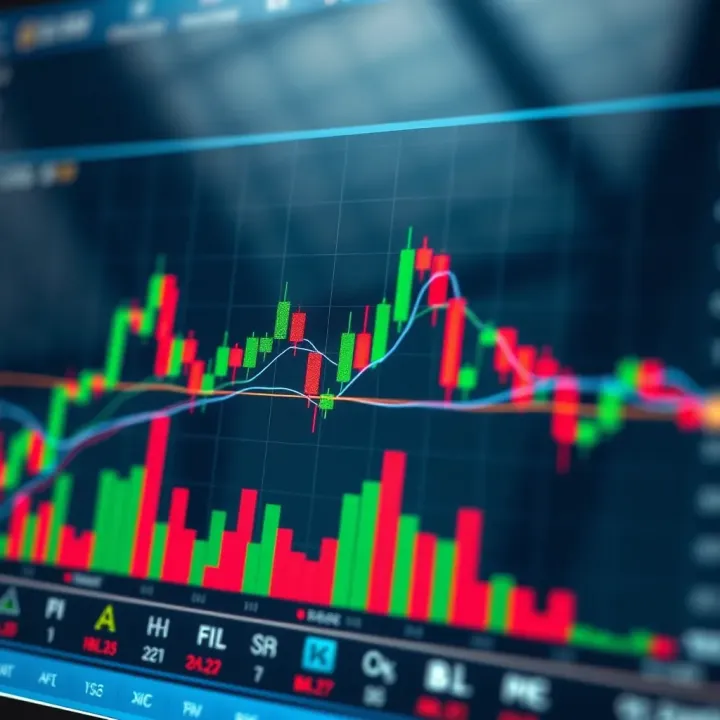
📈 Learn key forex chart patterns to spot market trends and boost your trading skills in Kenya. Gain clear insights for smarter decision-making today!
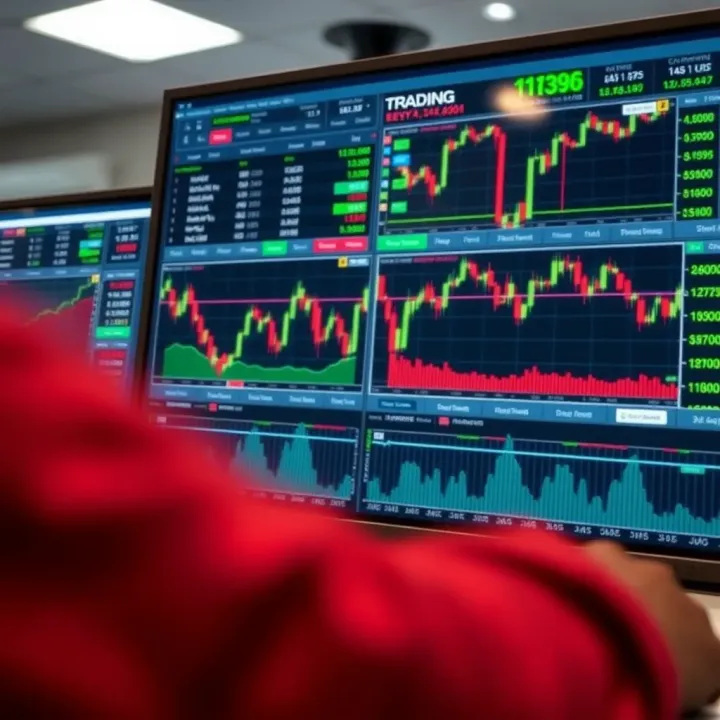
Explore forex trading in Kenya with our detailed guide 🏦. Learn to pick the right brokers, understand regulations, and trade confidently in the local market 📊.
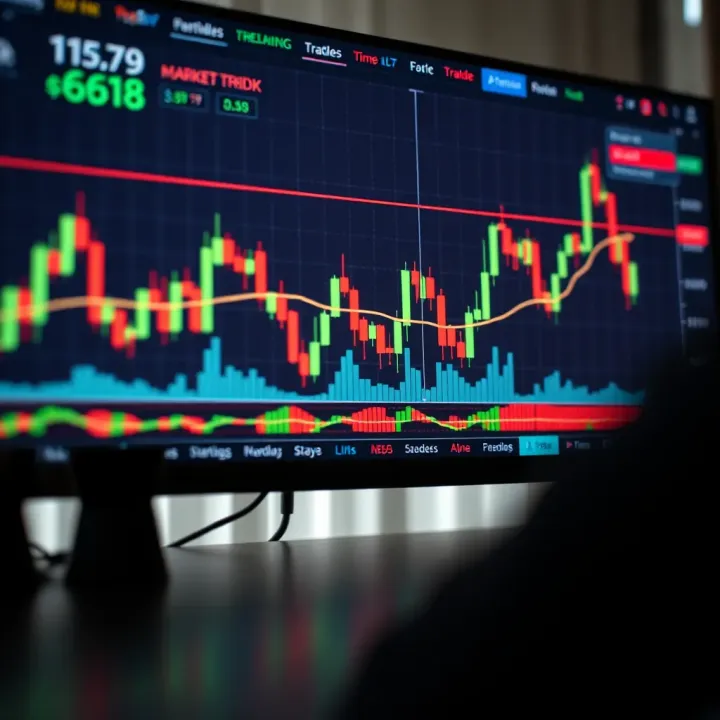
📈 New to forex trading? Discover key insights, practical tips, and risk management strategies designed to help beginners in Kenya trade confidently and wisely.
Based on 8 reviews