
Understanding Binary Apps for Kenyan Users
Explore what binary apps are, how they work, their uses and security in Kenya 🇰🇪. A practical guide covering tech basics, challenges & opportunities.
Edited By
Oscar Hughes
The gender binary is the idea that there are only two distinct and opposite genders: male and female. This concept has been the dominant way many societies organise and understand gender roles. However, this framework does not account for the diversity of gender identities that exist beyond just male and female.
In many Kenyan communities, gender roles are traditionally linked to biological sex. Men are often expected to take up leadership roles or engage in physically demanding jobs, while women may be seen primarily as caregivers or responsible for domestic tasks. This strict binary limits opportunities and influences social expectations.
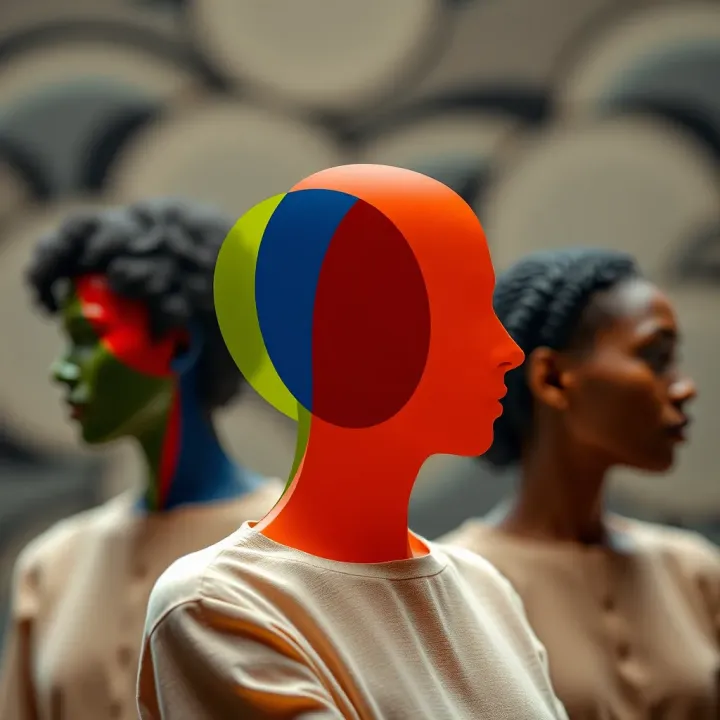
The gender binary overlooks individuals whose identities do not fit strictly into male or female categories, such as intersex, transgender, or non-binary people. Recognising this diversity is key to creating an inclusive society.
Understanding the origins of the gender binary helps explain its deep roots. It is tied to biological differences but has been reinforced by cultural and religious beliefs over centuries. For example, in some Kenyan communities, rites of passage and ceremonies often reinforce clear binary roles.
Today, conversations in Kenya are shifting as more people question these narrow classifications. Young people in urban areas, for instance, are more likely to acknowledge and respect gender diversity. This has practical implications in workplaces, schools, and policy making, especially as Kenya moves towards broader recognition of human rights.
In terms of impact, the gender binary can create barriers for those who do not conform. This can affect access to services, employment, and social acceptance. For example, someone identifying outside the binary might face discrimination when accessing healthcare or legal documentation.
Addressing the limitations of the gender binary is essential for progress. Businesses, educational institutions, and governments in Kenya are beginning to adapt policies that consider more inclusive definitions of gender. This benefits not just individuals but the whole community by fostering respect and understanding.
In summary, while the gender binary has guided societal roles for a long time, its limitations are becoming more apparent. Recognising gender diversity creates space for all Kenyans to participate fully and freely in society.
Understanding the gender binary is key to grasping how societies, including Kenya's, organise gender. The gender binary is the classification of gender strictly into two categories: male and female. This system influences social norms, legal frameworks, and everyday interactions. For traders, investors, or anyone navigating social or professional spaces, knowing these categories helps explain expectations around behaviour, roles, and opportunities tied to gender.
Biological sex refers to the physical attributes like chromosomes (XX for female, XY for male), hormones, and reproductive organs that a person is born with. However, gender is more about the social and cultural roles, behaviours, and identities that societies attach to those biological differences. For example, in many Kenyan communities, being male might mean expected to be a breadwinner, while female roles may focus on caregiving and household duties. These are culturally assigned roles, not strictly biological facts.
Recognising the distinction is practical because it allows for sensitivity when addressing people’s experiences. A man, woman, or someone else might not fit exactly into their biological sex-based expectations, especially in workplaces or investment settings where inclusion is valuable.
The binary framework places people into two fixed groups, male or female, based on visible sex traits at birth. This simplifies how societies regulate social roles, responsibilities, and rights. For business and governance, this framework historically defined who could own land, access credit, or participate in leadership.
While it offers clarity, this binary does not capture the diversity of human gender experiences. People who identify beyond male or female often face exclusion, which affects social cohesion and economic participation. It's important for Kenyan businesses and institutions to move beyond rigid binary assumptions to promote inclusivity and tap into wider talent pools.
Many societies, including those in Kenya, originally had flexible gender roles that sometimes recognised more than two categories. However, over time, especially with the rise of agriculture and settled communities, dividing roles into male and female became more rigid. This division was practical for organising work like farming, protection, and caregiving.
For instance, pastoralist communities might have clear expectations for men to herd livestock and women to manage homesteads, guiding social organisation through a two-gender system. Understanding these origins helps explain why gender norms are deeply rooted but also why they might be open to change, especially in modern times.
The colonial period significantly entrenched the gender binary in Kenya. European colonial administrations imposed their own legal systems and cultural values, often viewing gender through a narrow Western lens. This resulted in stricter enforcement of male and female roles, affecting property rights, education access, and employment.
Traditional practices, too, sometimes overlapped or conflicted with these imposed norms, creating complex gender expectations. For example, some Kenyan ethnic groups held women’s roles in high regard within certain spiritual or social spheres, but these roles were often sidelined by colonial laws prioritising male authority.
Understanding this colonial influence is crucial, especially for investors and business leaders, as it shapes power dynamics and gender relations that impact workforce participation and market behaviour today.
The gender binary system is not simply about biology. It is a social structure that affects many layers of life, including economic opportunities and community leadership. Breaking down the binary helps Kenya become more inclusive and competitive in a global market.
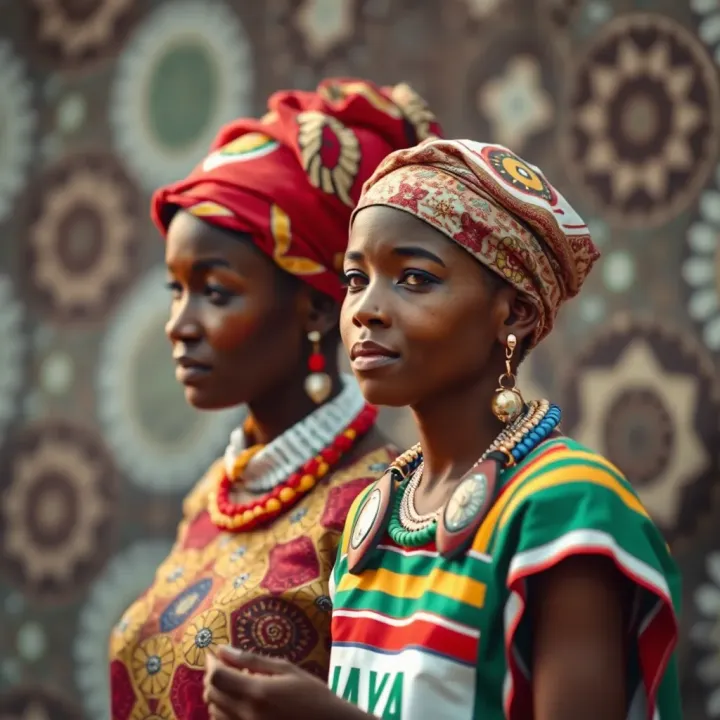
The traditional gender binary, which categorises people strictly as male or female, faces significant limitations in reflecting the diversity of human experiences. This narrow framework excludes those who identify outside these categories, making it harder for individuals to express themselves fully. Understanding these limitations is vital to appreciate why society needs to move beyond this binary view, especially in Kenya, where rigid gender roles still influence many areas of life.
Non-binary refers to people who do not identify exclusively as male or female. They may feel like a mix of both, neither, or something entirely different. For example, some individuals identify as genderfluid, meaning their gender identity changes over time. Recognising this diversity is practical because it challenges the idea that gender must fit into two fixed boxes.
In Kenyan society, where gender expectations are often clear-cut, non-binary people may find it difficult to have their identities respected or understood. That affects not only personal expression but also access to services like healthcare or education, which tend to assume a binary model.
People who do not conform to the male/female categories often experience exclusion in daily routines. From official documents to social settings, non-binary individuals encounter problems such as limited options on forms, lack of recognition in workplaces, and social isolation.
For instance, a non-binary person applying for national identification might be forced to pick ‘male’ or ‘female’ because the system hasn’t adapted. This can lead to discomfort and even legal troubles. The practical side here is clear: ignoring gender diversity means people miss out on fair treatment and face unnecessary barriers.
Many people feel pressured to behave according to traditional gender roles, which can be stifling. In Kenya, these roles are often reinforced by family and community expectations – for example, men being expected to be strong providers and women to manage home duties.
This pressure limits individuals’ freedom to explore talents or interests that don't align with societal norms. A boy interested in dancing might face ridicule, while a girl passionate about mechanics can be discouraged. Such rigidity can hold back personal growth and affect career choices.
Ignoring the full spectrum of gender identities can have serious effects on mental health. Studies show that people who feel forced to hide their true gender identity often suffer from anxiety, depression, and low self-esteem.
In Kenya, where mental health services are still developing, non-binary and gender-diverse people may struggle even more. Without supportive environments, these individuals might isolate themselves or face discrimination, worsening their well-being. Recognition and acceptance could therefore be key steps towards better mental health outcomes.
Excluding non-binary individuals from the gender conversation doesn't just affect identity; it impacts access to services, social acceptance, and mental health.
Understanding the limitations of the gender binary sheds light on how embracing gender diversity benefits individuals and society. It calls for practical changes in policy, education, and social attitudes to create a more inclusive Kenya.
Gender roles play a significant part in shaping social and economic behaviour across Kenyan communities. These roles, largely based on the gender binary, assign specific duties and expectations to men and women, influencing everything from family dynamics to workplace participation. Understanding these roles helps explain how societal norms affect gender relations and opportunities in Kenya.
In many Kenyan communities, traditional gender roles remain deeply rooted. For instance, among the Kikuyu and Kamba communities, men typically take responsibility for tasks such as land ownership, livestock management, and decision-making within the household. Women, on the other hand, are often expected to manage domestic chores, care for children, and engage in small-scale farming or petty trade. These roles reflect long-standing cultural practices that reinforce a clear division between male and female responsibilities.
This clear delineation shapes daily life and work in practical ways. Men heading the household usually control financial resources and interactions with external entities such as local government or businesses. Women, while managing the home front, contribute to the household economy through market vending or farming, often juggling multiple roles. The gendered division affects access to education, land ownership, and employment, which directly impacts economic empowerment for women in rural and urban areas.
Education and urbanisation have begun shifting these traditional views, especially among the youth. Schools expose young people to diverse ideas about gender, encouraging critical thinking beyond inherited norms. In urban centres like Nairobi and Mombasa, mixed-gender workplaces and schools provide environments where traditional roles are less pronounced. Young Kenyans are increasingly questioning rigid expectations, seeking opportunities based on talent and interest rather than gender.
Social media and activism further fuel this change by amplifying voices advocating for gender equality and inclusion. Platforms like Twitter and Instagram allow young activists and organisations to reach wide audiences, challenging stereotypes and sharing stories of gender diversity. Campaigns against gender-based violence and for women’s rights have gained traction, engaging the younger generation to push for more equitable social and economic participation. This has practical benefits for economic growth and social cohesion, as diverse contributions strengthen community resilience.
The interaction between deeply held traditions and rising awareness among young people creates space for more inclusive conversations about gender, essential for Kenya’s social and economic development.
Traditional gender roles often dictate economic and social opportunities.
Education and urbanisation help reshape gender perceptions among the youth.
Social media activism plays a vital role in spreading awareness and encouraging change.
Understanding these shifting dynamics is key for traders, investors, and analysts who want to engage with the Kenyan market and workforce effectively. Recognising how gender expectations evolve helps anticipate consumer behaviour, workforce trends, and social change in Kenya.
Recognising and supporting gender diversity is vital for creating inclusive communities that respect all individuals, regardless of whether they fit into traditional male or female categories. This acknowledgement helps break down barriers that restrict personal expression and social participation. In Kenya, where gender norms heavily influence social and economic life, moving towards acceptance of diverse gender identities not only fosters dignity but also unlocks greater opportunities in education, workplaces, and public spheres.
Kenyan laws on gender identity remain in early stages but are gradually evolving. The Constitution of Kenya 2010 guarantees equality and freedom from discrimination, which some interpret as affording protection to gender-diverse persons. However, explicit laws recognising non-binary or transgender identities are scarce. For example, the National Registration Bureau currently registers only two gender options: male or female, making legal recognition of other identities difficult.
Social attitudes also shape legal experiences. Several court cases have progressively challenged discrimination based on gender identity, contributing to cautious optimism about legal protections. Yet, without specific laws addressing gender diversity, many face hurdles in accessing services like healthcare, education, and formal employment.
Social acceptance of gender diversity in Kenya is mixed. Urban areas and youth populations, influenced by education and digital media, show increasing openness. Nonetheless, stigma and misconceptions persist, especially in rural communities where traditional values strongly prevail. For instance, people who identify as transgender or non-binary often experience exclusion from family gatherings or harassment in public spaces, affecting their mental health and social well-being.
Non-governmental organisations (NGOs) and advocacy groups play a crucial role in supporting gender-diverse individuals across Kenya. Groups like the Gay and Lesbian Coalition of Kenya (GALCK) and other human rights organisations provide safe spaces for dialogue, legal aid, and mental health counselling. Their advocacy work pressures government bodies to consider protective policies while raising awareness among the general public.
Supportive policies in workplaces and schools are equally important. Some companies in Nairobi have started adopting gender diversity guidelines that allow use of preferred pronouns, gender-neutral restrooms, and inclusive recruitment practices. Schools with progressive leadership integrate gender sensitivity in their curricula and welcome students regardless of gender identity. These measures help reduce discrimination and give everyone a fair shot at contributing economically and socially.
Creating awareness and providing practical support systems ensures that gender diversity is not just acknowledged in theory but experienced in everyday life. This shift promotes fairness, reduces mental health issues related to exclusion, and builds stronger, more cohesive communities.
By recognising the evolving legal landscape and supporting community initiatives, Kenya can work towards a society where all people enjoy respect and equal chances, no matter how they identify.
Exploring what lies beyond the gender binary is essential for understanding how society can evolve towards more inclusive practices. In the Kenyan context, where tradition often shapes identity, recognising gender diversity can open doors to acceptance and equal rights. Beyond theory, this approach benefits individuals who struggle with rigid classifications and communities seeking harmony without exclusion.
The trend towards recognising multiple gender identities gains momentum globally and reflects in Kenya too. People increasingly identify outside 'male' and 'female' labels, embracing terms like non-binary, genderqueer, or genderfluid. Practically, this means institutions such as schools, workplaces, and health services must rethink forms, policies, and language to accommodate more identities. For instance, some Kenyan universities now offer guidance for transgender and non-binary students, improving their access and experience.
Social attitudes are shifting with younger generations leading the change. Urban centres like Nairobi see more open discussions about gender diversity, supported by social media and advocacy groups. These trends encourage policymakers and service providers to respond with inclusive measures, signalling a slow but meaningful move away from the strict binary.
Potential social and cultural changes extend beyond individual identification. Communities may become more accepting of diverse expressions of gender, reducing stigma and discrimination. For example, workplaces that implement non-discrimination policies and gender-neutral facilities foster safer environments for all employees. Culturally, storytelling, music, and art are also starting to reflect more varied gender experiences, helping normalise diverse identities in mainstream life.
Kenya’s social fabric might witness adjustments in family roles and expectations as the binary model relaxes. This shift could lead to more flexible responsibilities in homes and communities, lessening pressure to meet gendered duties. The challenge is to balance respect for established cultural norms with the rights and identities of individuals.
Encouraging dialogue and education is a foundation for inclusivity. Open conversations about gender identities help dismantle myths and misconceptions. Schools and community centres can organise discussions, workshops, and training to raise awareness. For instance, introducing gender diversity topics in secondary schools can prepare youth to accept differences and support peers.
On a wider scale, media coverage and public forums create platforms for sharing experiences and learning. Listening to people from various gender identities fosters empathy and breaks down fear rooted in ignorance. When education includes practical examples, such as introducing pronoun respect and recognising gender diversity in everyday language, it equips communities to be more welcoming.
Practical steps for inclusivity in daily life involve small yet impactful actions. Using preferred names and pronouns shows respect and acknowledgement. Workplaces can update policies to include gender-neutral dress codes or restrooms, and schools can create safe spaces that protect gender-diverse students. Even in family gatherings, recognising and celebrating diversity supports belonging.
Local NGOs and activists often lead community-level efforts, offering support groups and guidance to families and institutions. Their work highlights the benefits of inclusivity not only for individuals but for societal cohesion. As more people practice inclusivity, it becomes part of the social norm rather than an exception.
Moving beyond the gender binary invites a collective shift towards understanding and respect that benefits everyone—not just those directly affected by strict gender norms.
Explore what binary apps are, how they work, their uses and security in Kenya 🇰🇪. A practical guide covering tech basics, challenges & opportunities.

Explore cashier binary 🧾 in Kenya: understand its impact on payments, tech role, security concerns, and tips for cashiers and businesses today.

📊 Explore binary trading accounts in Kenya: learn types, risk management, broker tips, and regulations to trade smartly and securely. 💡

📊 Understand binary options in Kenya: how they work, risks, benefits, regulation, smart strategies, common pitfalls, and advice on trusted brokers.
Based on 7 reviews