

Understanding Binary Gender: Concepts and Challenges
Explore the concept of binary gender 👥, its history, cultural impacts, and challenges in Kenya 🇰🇪, covering legal, social, and educational views on identity.
Edited By
Charlotte Mason
In Kenya, like in many other places, people often understand gender as just male or female. However, the term non-binary challenges this old idea. Non-binary refers to people whose gender identity doesn't fit neatly into the traditional categories of man or woman. Instead, their sense of self might fall somewhere in between, outside, or even fluctuate between genders.
Non-binary identities are diverse, and individuals may use a range of terms to describe themselves, such as genderqueer, genderfluid, or agender. For instance, a person might feel partly male and partly female, or feel no connection to gender at all. This spectrum breaks the rigid binary view and allows for more personal freedom in how people understand themselves.
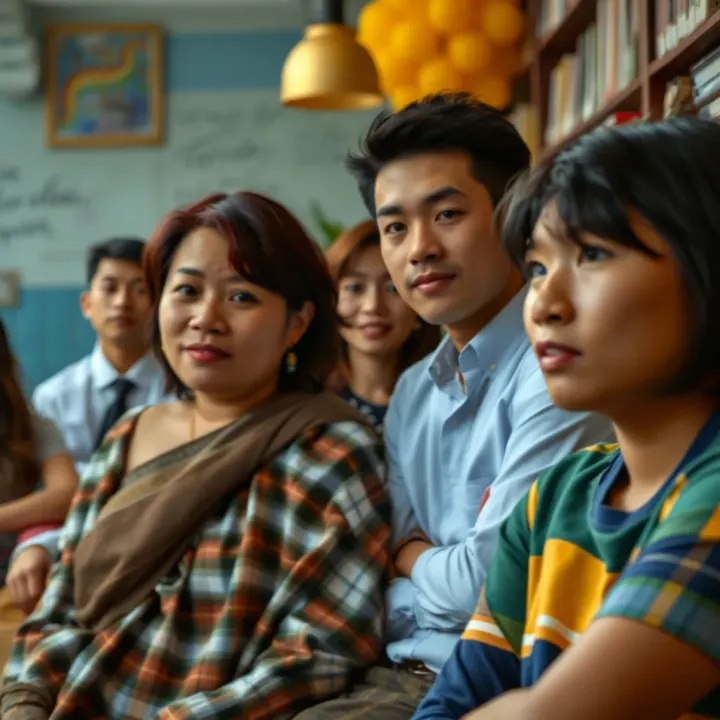
Traditional gender categories do not capture the realities of many people's lived experience. Recognising non-binary identities opens the door to greater inclusion and respect.
In Kenyan society, discussions around gender often reflect cultural norms and traditions where gender roles are clearly defined. Yet, non-binary people exist and often face misunderstanding or stigma because their identities don't conform to what many expect. For example, in some rural communities, non-binary individuals might struggle with family acceptance or accessing community resources that assume only two genders.
Understanding non-binary also matters in practical areas such as healthcare, education, and legal recognition. Many Kenyan institutions still only allow classification as male or female, which complicates matters for non-binary people seeking official documents or sensitive medical care. Awareness helps create systems that respect everyone’s identity, improving social cohesion.
Some key points to remember:
Non-binary is about gender identity, not sexual orientation.
Expressions of non-binary identities vary widely.
Respecting chosen names and pronouns affirms people's identities.
Community support and education reduce stigma and discrimination.
This article will offer insights into how non-binary people experience their gender, the challenges they encounter, especially in Kenya, and practical ways investors, students, and other audiences can foster a more respectful and inclusive environment around them.
Understanding what non-binary means and how it relates to gender identity helps clarify the experiences of individuals who do not fit traditional male or female categories. In the Kenyan context, where gender roles are often clearly assigned, defining these terms supports greater respect and reduces confusion. For traders, investors, or students, this clarity promotes better communication and inclusion in workplaces, schools, or social settings.
The term non-binary refers to people whose gender identity does not sit strictly within the categories of male or female. It recognises that gender can be more fluid or fall somewhere in between. For example, a Nairobi-based artist might express gender in ways that combine traditional masculine and feminine features rather than choosing one or the other. Recognising this broadens understanding beyond binary labels.
There are several terms connected to non-binary identities such as genderqueer, genderfluid, or agender. Genderfluid people experience their gender identity as shifting over time, while agender individuals don't identify with any gender. Familiarity with these helps avoid oversimplification. Knowing these terms can improve workplace policies or school programmes that aim to respect everyone’s identity.
Biological sex usually refers to physical body characteristics present at birth, such as chromosomes, hormone levels, and reproductive organs. Gender identity, however, is a person’s deeply felt internal sense of being male, female, both, neither, or somewhere else on the spectrum. For instance, a male-assigned-at-birth person might identify as non-binary, emphasising identity over biology.
Mixing up biological sex and gender identity often leads to misunderstandings or unfair treatment. In workplaces or institutions bound by strict male/female classifications, recognising this difference supports inclusivity. For example, a bank in Nairobi aiming to serve all customers respectfully should train staff to use correct pronouns rather than assuming based on appearance or legal documents.
Clear understanding of gender identity versus biological sex is essential to foster respect and inclusion, especially in Kenya’s growing diverse social environments.
Recognising these definitions equips individuals and organisations to better support non-binary people, avoid assumptions, and create respectful interactions in professional and social spheres.
Understanding how non-binary people express their identity helps spread respect and awareness. These expressions show that gender is not confined to traditional categories but can be fluid and personal. Many non-binary individuals develop unique ways to communicate their identity through pronouns, clothing, and other means. This variety enriches the broader conversation about gender and challenges fixed social norms.
One common way non-binary people express themselves is by choosing pronouns that reflect their identity. Instead of using "he" or "she," some prefer "they/them," "ze/zir," or other less familiar options. Using the right pronouns in daily interactions can significantly affirm a person's identity and support their mental well-being. For example, a trader who uses "they/them" pronouns may feel more included when colleagues respect this choice during meetings or communication.
Names also hold importance. Many non-binary people adopt names that better represent them or avoid gendered associations. Respecting chosen names in professional and social settings helps avoid misunderstandings and fosters inclusive environments.

Clothing and style are another key way non-binary people express identity. Their choices might not fit traditional male or female fashion norms, reflecting comfort and self-expression over societal expectations. For example, a student might mix traditionally masculine and feminine outfits, signalling non-binary identity to peers without words.
This freedom allows individuals to feel authentic and can reduce discomfort related to gender dysphoria. Practical recognition of these expressions in workplaces or schools—like allowing dress codes to be flexible—can create welcoming spaces.
Non-binary experiences are highly personal and diverse. Take, for instance, a financial analyst who embraces a androgynous look with short hair and neutral-coloured suits, or a broker who prefers brightly coloured accessories and nail polish to express their identity. These individual expressions show that non-binary identity is not one-size-fits-all; it adapts to each person’s comfort and personality.
Recognising this variety helps combat stereotypes. Non-binary people are not confined to a single way of living or appearing. Sharing these stories encourages empathy and acceptance in different sectors, including finance and education.
Gender diversity shows up differently across cultures. In some Kenyan communities, traditional concepts include roles that don’t fit the male-female binary, such as the historical roles of certain elders or respected community members embodying fluid gender traits. While not labelled as non-binary in local languages, these roles offer insight into how gender diversity can be understood beyond Western frameworks.
Cultural acknowledgement influences how non-binary people experience acceptance or resistance. In urban Nairobi, for example, more visibility of non-binary individuals is linked to better acceptance in youth circles, while some rural areas may still hold stricter gender expectations. Appreciating such cultural nuances is vital for advocacy and support programmes.
Respecting and recognising the diverse ways non-binary people express themselves is not just about politeness—it is essential for building understanding and inclusive spaces in Kenyan society and beyond.
Understanding common misunderstandings about non-binary people is key to breaking down barriers rooted in ignorance. These false assumptions lead to exclusion and discrimination, affecting how non-binary individuals engage in social and professional life. For traders, investors, students, and analysts interacting in diverse environments, recognising these misconceptions helps foster respect and more inclusive settings.
A widespread myth claims that identifying as non-binary is a temporary stage, often dismissed as youthful confusion or rebellion. This misconception fails to acknowledge that non-binary gender identity is a deeply felt experience, not a whim or passing trend. Just like any other gender identity, it can be persistent and consistent throughout life.
Understanding this helps avoid undermining the seriousness of non-binary identities. For instance, workplaces or schools dismissing such identities may contribute to stress or exclusion that impairs performance and wellbeing.
Another misconception suggests non-binary people are unclear about who they are or unable to make decisions about their identity. This is wrong. Non-binary identities arise from a clear understanding that gender does not have to fit into traditional male or female categories.
Many non-binary individuals confidently live according to their gender experiences, demonstrating that their identity is deliberate and self-aware. Recognising this encourages more thoughtful interactions and policies at workplaces and learning institutions.
In Kenya, gender roles have traditionally been viewed as strictly male or female, largely influenced by cultural and religious beliefs. This leads to misunderstanding non-binary identities as foreign or unacceptable. Many people equate non-binary with immorality, confusion, or social deviance, creating stigma.
Addressing these misconceptions means making room for diverse gender identities in public discourse, recognising non-binary Kenyans as part of the community rather than outsiders. This approach supports social cohesion and equal opportunity.
Stereotypes often force non-binary people into difficult situations. For example, lack of recognition in official documents or public services can block access to education, employment, or healthcare. Social stigma can cause isolation and mental health challenges.
By challenging these stereotypes, society can reduce barriers and create safer environments where non-binary individuals contribute fully without fear. This includes simple but powerful actions like respecting pronouns or expanding gender options in registration forms.
Dispelling myths and confronting biases is essential to building inclusive spaces where non-binary people can thrive—and where others can learn and grow alongside them.
Non-binary identity is gradually gaining recognition in Kenya, although it remains largely misunderstood. Understanding this identity in the Kenyan context is vital because it highlights the diverse ways people experience gender beyond the traditional male-female binary. This awareness supports social inclusion and legal reforms, which can improve the lives of many Kenyans who identify outside the binary.
In most Kenyan communities, traditional views on gender remain strong, often shaping how families and society react to non-binary people. Many non-binary individuals face difficulties in gaining acceptance from their families, who may expect conformity to male or female roles. For instance, a young person expressing a non-binary identity might be pressured to dress or behave according to societal expectations, which can strain family relationships.
That said, some families and local communities are becoming more open, especially in urban areas like Nairobi and Mombasa, where exposure to global conversations encourages more inclusive attitudes. Still, social acceptance is patchy and depends heavily on one's community and support network.
Kenya currently has limited legal provisions recognising non-binary identities. Official documents like national ID cards and passports require selecting male or female, excluding non-binary options. This omission creates practical problems, such as difficulties when non-binary people access services that require identity verification.
Moreover, Kenya’s laws do not yet protect non-binary people from discrimination explicitly. This gap leaves many vulnerable in workplaces, schools, and public spaces. Some activists argue for reforms to include gender diversity protections under the Kenya National Commission on Human Rights and the Constitution’s equality clauses, aiming for broader inclusion across institutions.
Several civil society groups in Kenya advocate for the rights of non-binary and gender-diverse individuals. Organisations like GALCK (Gay and Lesbian Coalition of Kenya) and Ishtar MSM provide critical support and safe spaces, including counselling and legal aid. These groups operate at the grassroots level, helping break stigma and connect people with needed resources.
Such organisations also lobby for policy reforms and collaborate with regional networks to amplify non-binary voices within broader LGBTQ+ advocacy. Their work remains indispensable given the limited public awareness and institutional backing for gender diversity.
Promoting inclusion starts with everyday respect and understanding. Neighbourhood forums, workplaces, and schools can be more welcoming by recognising diverse gender identities through inclusive language and policies. For example, schools might update admission forms to allow more gender options or train teachers on gender sensitivity.
Communities should also host awareness sessions to dispel myths and encourage empathy. Such initiatives create safer environments where non-binary people can interact openly without fear of stigma or exclusion. Local leaders and faith-based groups have a role to play by fostering dialogue that respects human dignity while bridging cultural perspectives.
Embracing non-binary identity in Kenya means recognising the full spectrum of gender experiences and ensuring everyone has the right to live authentically and with dignity.
Promoting respect and inclusion for non-binary people is vital in ensuring they live with dignity and equal opportunities. In Kenya, where gender norms tend to be traditional, acknowledging non-binary identities helps reduce stigma and promotes social cohesion. This approach benefits everyone by fostering workplaces, schools, and communities where all individuals can thrive without fear of discrimination.
Using correct names and pronouns is a simple but powerful way to show respect. For non-binary individuals, traditional pronouns like "he" or "she" may not fit their identity, and pronouns like "they/them" or others are preferred. Asking politely about someone’s pronouns and then using them consistently demonstrates consideration and affirms their identity. For example, in a workplace setting, updating email signatures and staff directories to reflect chosen names and pronouns creates an inclusive environment.
Inclusive spaces involve more than just language; they include practical actions that allow non-binary people to feel safe and valued. This can be as straightforward as providing gender-neutral restrooms in offices, schools, and public venues. Organisations can also review dress codes or uniform policies to avoid forcing gendered expectations. Even small measures, like training staff on gender diversity or using inclusive signage, can make a significant difference in normalising non-binary identities within everyday settings.
Schools play a key role in shaping attitudes, so including gender diversity in the curriculum helps young people understand and respect non-binary identities early on. Lessons can cover topics like the spectrum of gender identities and the difference between gender and biological sex. Such education reduces bullying and promotes empathy among students, fostering a culture of acceptance that spreads beyond school gates.
Outreach programmes that engage local communities help break down myths and misconceptions about non-binary people. For example, community meetings, radio talk shows, or church forums can provide safe spaces for open discussions. Sensitisation efforts allow traditional leaders, employers, and families to better support non-binary individuals, improving social acceptance. These campaigns often highlight the practical benefits of inclusion, such as improved mental health and stronger social ties, which benefit the wider community.
Respect for non-binary identities goes beyond words; it means creating real opportunities for acceptance and equality in everyday life.
By focusing on practical steps like respecting pronouns, creating safe spaces, and educating communities, Kenya can move closer to true inclusion for non-binary people. This fosters stronger, more resilient societies that respect diversity in all its forms.
Explore the concept of binary gender 👥, its history, cultural impacts, and challenges in Kenya 🇰🇪, covering legal, social, and educational views on identity.

Explore how binary multiplication works differently from decimal, discover key algorithms, and see its vital role in computing and digital electronics 💻⚙️

Explore how binary code powers digital devices 💻, its history 📜, role in computing 🖥️, and impact on everyday tech use 🔧 for Kenya and beyond.

Learn how to convert decimal numbers to binary with clear steps, practical examples, and tips to avoid common mistakes 👨💻📊 Perfect for learners & pros!
Based on 14 reviews