
Understanding Binary Apps for Kenyan Users
Explore what binary apps are, how they work, their uses and security in Kenya 🇰🇪. A practical guide covering tech basics, challenges & opportunities.
Edited By
Isabella Turner
Non-binary is a term used to describe people whose gender identity doesn’t fit neatly into the traditional categories of male or female. In everyday conversation, many assume gender aligns strictly with biological sex, but non-binary individuals experience their gender in ways that challenge this binary view.
In Kenya, just like elsewhere, understanding non-binary identities is becoming more visible as conversations about gender diversity grow. This movement brings to light how complex human identity truly is, beyond just two categories.
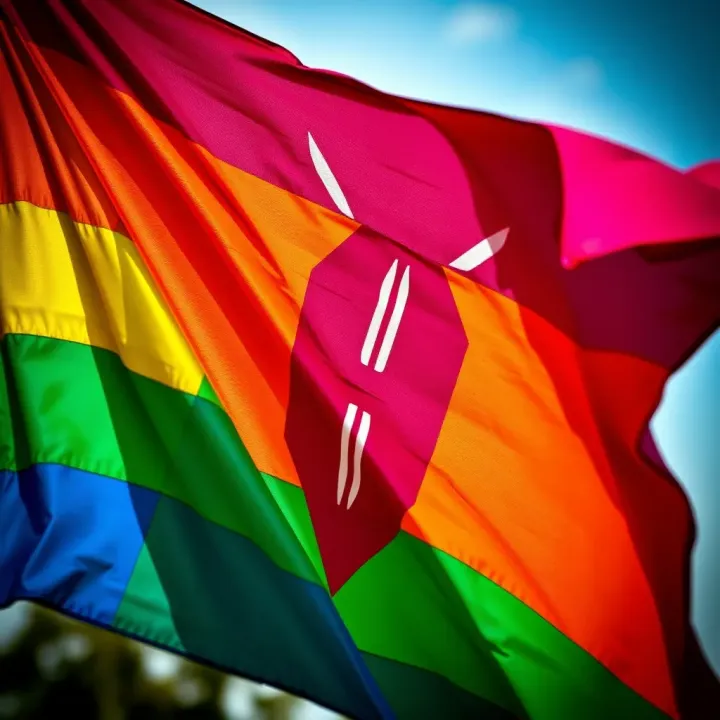
Non-binary people may feel like they are both male and female, somewhere in between, neither, or even fluctuate between genders. The terms they use to describe themselves vary widely. For example, some prefer "genderqueer", "genderfluid", or simply "non-binary". Each person’s experience is unique.
Recognising non-binary goes beyond just words; it influences how individuals express themselves through clothing, pronouns, and social roles. For instance, a non-binary person might prefer "they/them" pronouns instead of "he/him" or "she/her", signalling their identity to others.
Understanding and respecting someone’s chosen pronouns is a simple but powerful way to support their identity.
At present, Kenya’s legal and social systems largely reflect a binary view of gender. Official documents like national ID cards and academic certificates typically only recognise male or female. This can create challenges for non-binary Kenyans, such as discrimination in education, employment, and access to services.
On the ground, community acceptance varies widely. Urban areas like Nairobi see more open discussions about gender diversity through forums, social media, and activist groups. However, many individuals in rural and conservative communities may still face misunderstanding or stigma.
As someone involved in trading, investment, or finance, knowing about non-binary identities can improve your interaction with clients, colleagues, or customers. It helps build inclusive work environments where everyone feels respected, which in turn boosts morale and productivity.
Also, Kenya is part of global markets that increasingly value diversity as part of sustainable business practices. Being aware of gender diversity, including non-binary identities, aligns with modern corporate social responsibility (CSR) and governance standards.
Non-binary means gender identities outside male or female categories
Understanding pronouns and expressions is key to respect
Kenyan society is evolving but still mostly enforces the gender binary
Awareness can improve personal and professional interactions
Fostering this understanding within workplaces and communities helps Kenya move towards a more accepting and equitable society for all gender identities.
Understanding what non-binary means is fundamental to appreciating the diversity of gender beyond the typical male-female categories. This section explains key terms and differences, helping you grasp why gender identity isn't always straightforward. In Kenya’s evolving social context, clear definitions enable better respect, inclusion, and support for those who identify as non-binary.
The term "non-binary" emerged in recent decades as people sought to describe gender identities that don’t fit strictly into “male” or “female” boxes. It reflects a push back against traditional gender roles that many find limiting or inaccurate. For example, a young adult in Nairobi might not feel fully represented by either gender and thus chooses “non-binary” to describe their experience.
Non-binary identity differs from conventional categories by refusing to settle into the binary framework that society has long accepted. Instead of identifying as exclusively male or female, non-binary individuals may consider themselves somewhere in between, both, or completely outside those labels. This distinction is practical: it challenges institutions and communities to rethink policies and social expectations that assume everyone fits into one of two genders.
Genderqueer usually means rejecting traditional gender distinctions altogether. It’s the term some people prefer when they feel the usual categories of male and female don’t capture their identity. Imagine a Kenyan artist who dresses in a way that blends clothing styles from different genders; such a person might identify as genderqueer to highlight their fluidity.
Genderfluid describes people whose gender identity changes over time. Someone might feel more masculine one day, more feminine the next, or neither at times. This dynamic experience reflects a flexible understanding of self. For example, a student in a Nairobi university might feel genderfluid, expressing different aspects of their identity depending on the environment or mood.
Agender means identifying with no gender at all. People who call themselves agender often see themselves as gender-neutral or lacking gender identity. This can be vital for those who feel disconnected from gendered expectations common in Kenyan society, such as pressure to behave a certain way based on sex assigned at birth.
Other related identities include terms like bigender (identifying with two genders), demigender (partially identifying with a gender), and many more. These labels help people express their unique feelings about gender, offering a vocabulary for experiences that mainstream categories don’t capture. Recognising this range is especially useful in Kenya, where cultural understanding of gender is traditionally rigid but slowly opening up.
Defining these terms clearly is the first step in breaking down misconceptions and promoting acceptance for non-binary individuals within our communities.
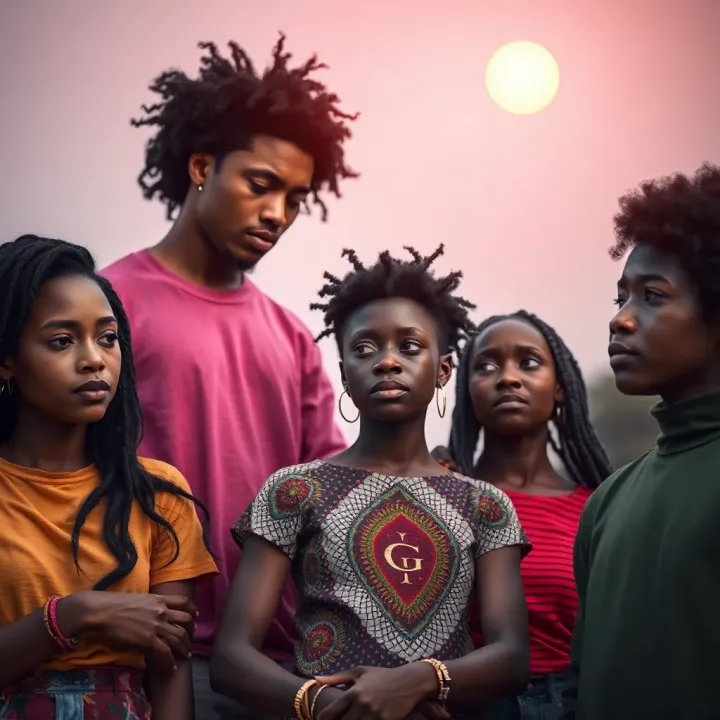
By knowing the different non-binary identities, you can better understand how people live outside strict gender norms — a valuable perspective for anyone interacting widely in Kenya’s diverse society.
Understanding how non-binary individuals experience gender provides valuable insight beyond traditional male-female categories. This perspective helps traders, investors, and analysts in finance appreciate the diversity of gender identities their colleagues, clients, or partners may have. In practical terms, recognising personal expressions and pronouns supports respectful communication, while awareness of individual journeys encourages inclusivity in workplaces and communities.
Typical pronouns used by non-binary people often differ from traditional ‘he’ or ‘she’ pronouns. Common choices include ‘they/them’, ‘ze/hir’, or simply the person's name. For instance, a non-binary colleague might prefer ‘they’ instead of gendered pronouns, signalling respect by addressing them correctly. Businesses that adopt inclusive language in official documents or communications demonstrate cultural sensitivity and gain trust from diverse clients.
Ways non-binary individuals express themselves can be varied and fluid. Clothing, hairstyles, and mannerisms might not fit usual gender stereotypes. Someone may wear a mix of traditionally masculine and feminine styles or avoid gendered dressing altogether. Recognising these expressions without imposing assumptions helps foster a positive environment, which especially matters in sectors like banking or trading floors where teamwork thrives on mutual respect.
Unique journeys shape how each non-binary person understands their gender. Some may have felt confined by strict gender roles during childhood, others discover their identity later in life. For example, a finance analyst might have grown up in a conservative family but now embraces non-binary identity as part of self-expression. Appreciating these individual stories reduces misunderstanding and promotes better workplace harmony.
Intersection with culture and upbringing significantly influences non-binary experiences. In Kenya, cultural expectations and religious beliefs around gender can affect acceptance and visibility. For instance, a non-binary person from a rural background might face more challenges than someone from urban Nairobi, where conversations on gender diversity are more common. Being aware of these intersections helps organisations design respectful policies and support systems that consider Kenyan social realities.
Recognising personal pronouns and unique gender expressions is not just about politeness. It's a practical step towards inclusive environments that respect individual identities and promote wellbeing for everyone involved.
By understanding these elements, you can better navigate interactions and relationships, whether in social settings or in professional spaces like investment firms or educational institutions.
Social recognition and legal considerations significantly affect the everyday lives of non-binary individuals. Recognition in society helps reduce stigma and allows people to participate fully, while legal rights ensure protection and equality under the law. Without these, non-binary people may struggle with exclusion in both public and official settings.
Visibility in public life plays an important role in shaping attitudes and acceptance. In Kenya, non-binary individuals are gaining small but growing visibility, especially through social media platforms and advocacy groups. This visibility enables them to share their stories, creating awareness that challenges traditional views on gender. For example, some Kenyan artists and activists openly identify as non-binary, which helps others feel less isolated and encourages public conversation.
Still, visibility remains limited outside urban centres like Nairobi and Mombasa. Many non-binary people find it difficult to express their identity openly in schools, workplaces, or community events due to fear of discrimination or misunderstanding.
Challenges with social norms are significant because Kenyan society tends to recognise only male and female gender categories. Deeply rooted cultural and religious beliefs often view gender as fixed, which can create pressure for non-binary people to conform. This results in challenges such as misgendering and social exclusion, which affect mental health and self-esteem.
Moreover, public facilities like washrooms, sports teams, and community groups are typically organised by traditional gender lines, leaving non-binary individuals in a difficult position. They may have to constantly explain or justify their identity, which can be exhausting and isolating.
Current Kenyan laws regarding gender mainly acknowledge male and female identities, leaving non-binary people without clear legal recognition. The Constitution of Kenya and most legal documents do not provide options beyond this binary, which means non-binary individuals often face difficulties in official processes. For example, during registration for vital records like birth certificates, national ID cards, or passports, the available options exclude non-binary identities.
This lack of legal recognition can affect access to services such as healthcare, education, and social protection, where accurate identification is required. It also limits protections against discrimination because laws tend to focus on issues related to sex or gender but don't explicitly cover non-binary identities.
Options for official documentation in Kenya currently do not accommodate a gender category beyond male or female. The National Registration Bureau (NRB) and other government bodies issue identification documents that require choosing one gender. Attempts by some individuals to update or change gender markers encounter bureaucratic hurdles and inconsistent policies.
Despite this, there have been discussions among human rights organisations and activists pushing for more inclusive options. Providing non-binary markers on documents would help individuals experience less conflict between their identity and official records, reducing stress during travel, employment, or accessing government services.
Enabling legal recognition of non-binary identities isn't just about forms and papers; it's about affirming dignity and full participation in society.
Kenyan traders, investors, and other professionals should be aware of these social and legal dynamics. Organisations that adopt inclusive policies stand to benefit from a diverse workforce and improved relations with clients, while those ignoring these realities might face reputational risks or legal challenges in the future.
Non-binary individuals often encounter unique challenges that affect their daily lives and well-being. Understanding these difficulties is important for traders, investors, and students alike, as embracing diversity can lead to more inclusive business environments and communities. Addressing such challenges helps build respect and equal opportunity for everyone.
In workplaces
Non-binary people frequently face discrimination at work, such as being misgendered, overlooked for promotions, or excluded from employee benefits tailored only to male or female staff. For example, an employee who uses they/them pronouns may find documents or human resources systems that only recognise 'Mr' or 'Ms', making it difficult to feel properly included. Workplaces that fail to acknowledge diverse gender identities risk lower morale and may face reputational damage. Inclusive companies can benefit from wider talent pools and improved staff loyalty.
In education
Schools and universities can be tough spaces for non-binary students. Many institutions lack policies recognising non-binary identities, which leads to misgendering and bullying. For instance, during registration or examinations, students may be forced to select male or female options, erasing their identity. This can cause anxiety and hamper academic performance. Educators who create safe, gender-inclusive environments see better engagement and reduce dropout rates among marginalized learners.
In healthcare
Healthcare services often overlook or misunderstand the needs of non-binary patients. Medical forms that only allow 'male' or 'female' entries complicate treatment and record keeping. Some health workers may lack training on gender diversity, resulting in insensitive care or refusal to provide appropriate support. This discourages non-binary people from seeking medical help, risking untreated conditions. Investing in healthcare worker training and inclusive policies improves trust and access to care.
Social exclusion effects
Social exclusion deeply affects non-binary individuals, leading to feelings of isolation and low self-esteem. Rejecting societal rigidity around gender can attract prejudice from family, peers, and communities. This social distance makes it harder to build support networks, aggravating mental health issues like depression and anxiety. A young professional struggling with workplace acceptance might become withdrawn, affecting productivity and growth.
A lack of recognition can weigh heavily on mental well-being, highlighting why support matters.
Need for support systems
Creating strong support systems is vital for mental health resilience among non-binary people. Peer groups, counselling services, and inclusive social spaces provide understanding and encouragement. For example, community organisations that focus on gender diversity offer safe platforms to share experiences and access helpful resources. Employers and schools that promote mental health support tailored for non-binary individuals enable better coping mechanisms. Such systems reduce stress and foster a sense of belonging essential for personal and professional success.
Recognising these challenges allows Kenyan society and businesses to move towards inclusivity. Addressing discrimination and mental health needs through practical steps will create environments where non-binary individuals can thrive and contribute fully.
Supporting and respecting non-binary individuals goes beyond politeness; it shapes safer workplaces, schools, and communities. Respectful treatment helps reduce discrimination and mental stress, which can affect anyone navigating identity that doesn't fit traditional gender categories. When non-binary people feel acknowledged, they're more likely to contribute meaningfully, boosting social cohesion and productivity.
One of the simplest yet most meaningful ways to support non-binary people is by using their correct pronouns. This shows acknowledgement of their identity and respect for their personal experience. For example, if someone uses 'they/them' pronouns, calling them 'he' or 'she' can feel dismissive or hurtful. Taking a moment to ask or listen to how someone wants to be addressed is a small effort that makes a big difference.
In practical settings like offices or schools, encouraging name badges or email signatures with pronouns can normalize this practice. It helps avoid awkward situations and encourages everyone to be mindful when communicating. For investors or business leaders, promoting inclusivity in meetings can create a welcoming environment and attract diverse talent.
Beyond pronouns, inclusive language avoids assumptions about gender. Instead of saying "ladies and gentlemen," using terms like "everyone" or "colleagues" is more welcoming. This reduces the pressure on individuals to fit into binary boxes and fosters openness.
When discussing policies or benefits, organisations should use gender-neutral terms. For instance, saying "parental leave" instead of "maternity leave" acknowledges all caregivers without excluding non-binary parents. Simple changes like these signal respect and recognition for gender diversity in daily conversations and official documents.
Schools and workplaces play a key role in building awareness. Integrating gender diversity topics into training sessions or orientation programmes can clear up common misconceptions. For example, organisers may include practical examples that Kenyan employers or academics face when accommodating non-binary individuals. This helps create empathy and prepares staff to respond respectfully.
Further, universities and colleges can host workshops discussing non-binary experiences, especially given the increasing youth interest in gender identity topics. Proper education lowers prejudice and encourages informed dialogue, which benefits society in the long run.
Grassroots initiatives can raise visibility and support for non-binary people across Kenya. Local groups organising forums or support circles provide safe spaces where individuals share experiences and advice. For instance, community centres in Nairobi or Mombasa may host monthly gatherings for LGBTQ+ members to connect.
Besides support groups, public awareness campaigns during Pride Month or International Non-Binary Day can inform the public about gender diversity. Involving trusted influencers, healthcare providers, and even religious leaders willing to foster acceptance can broaden the reach. These efforts strengthen solidarity and challenge stigma tied to non-binary identities.
Showing respect through language and action fosters inclusion that benefits everyone, creating spaces where all Kenyans can thrive regardless of gender identity.
Explore what binary apps are, how they work, their uses and security in Kenya 🇰🇪. A practical guide covering tech basics, challenges & opportunities.

Explore cashier binary 🧾 in Kenya: understand its impact on payments, tech role, security concerns, and tips for cashiers and businesses today.

📊 Explore binary trading accounts in Kenya: learn types, risk management, broker tips, and regulations to trade smartly and securely. 💡

📊 Understand binary options in Kenya: how they work, risks, benefits, regulation, smart strategies, common pitfalls, and advice on trusted brokers.
Based on 9 reviews