
Best Forex Trading Apps for Kenyan Traders
Discover the best forex trading apps for Kenyan traders 📱 Compare features, learn risks, and get tips to trade smart and safe on mobile platforms in Kenya 🇰🇪
Edited By
Sophie Reynolds
Profit in forex trading is about making gains by buying and selling different currencies at the right time. For Kenyan traders, understanding how profit works means knowing both the basics and the local market factors that affect earnings. Forex trading is not just about guesswork; it involves analysing currency movements, timing entries and exits, and managing risks carefully.
The forex market is the largest in the world, operating 24 hours across global financial centres. Kenyan traders mostly engage through online platforms like MetaTrader or proprietary broker systems, with transactions often funded via M-Pesa or bank transfers. Profit arises when the buying price of a currency pair is lower than the selling price after market shifts, allowing you to close a position with positive returns.
Several factors affect potential profits in forex trading:
Market volatility: Price fluctuations provide chances to earn but also increase risk.
Leverage effects: Many brokers offer leverage, sometimes up to 1:100, which can amplify profits but also losses.
Spread costs: The difference between buying and selling prices impacts net earnings.
Economic indicators: Local and international events like interest rate decisions or geopolitical news directly influence currency prices.
Trading without understanding these factors is like driving in traffic blindfolded — you may get lucky sometimes, but the chances of crashing are high.
To succeed, Kenyan traders need to combine knowledge of global forex trends with awareness of local conditions such as Kenya’s shilling stability, inflation rates, and CBK monetary policies. Practically, disciplined money management and using stop-loss orders help protect profits and limit losses.
For instance, if you bought USD/KES at 110 and sold at 111, the 1 shilling difference, minus any broker fees and spreads, represents your profit per unit traded. Compounding such trades carefully and avoiding impulsive decisions is key to sustainable gains.
In summary, profit in forex comes from informed trading strategies, attention to market dynamics, and smart risk management. Kenyan traders can maximise forex earnings by blending global insights with local realities and disciplined practice.
Understanding how profit is made in forex trading is fundamental for anyone wanting to succeed in this market. For Kenyan traders, knowing the mechanics behind profit generation helps in making informed decisions and managing expectations, especially in a fast-moving, high-leverage environment. Forex trading isn't about luck — it’s mainly about understanding currency behaviours, timing your trades, and calculating gains properly.
In forex, currencies are traded in pairs, such as USD/KES (US dollar against Kenyan shilling). The first currency (base) is bought or sold against the second currency (quote). Profit hinges on the movement of this pair’s exchange rate. If you buy USD/KES at 110 and the rate rises to 112, selling at this point nets a profit because the shilling has weakened against the dollar. Price changes reflect economic performance, political stability, and global factors.
Kenyan traders should closely watch how these pairs behave daily, noting events that might drive sudden moves, for example, CBK interest rate changes or major export shifts.
The core idea in forex profit is straightforward — buy low and sell high, or the other way round when you expect the currency value to drop (selling first, then buying to close). Suppose you buy EUR/KES at 120 then sell at 122; your gain is the difference in these prices multiplied by your trade size.
This principle requires you to anticipate market direction correctly. Kenyan traders often rely on news like geopolitical developments, Central Bank announcements, or regional trade deals to predict price movements. The trick is to spot opportunities where prices are expected to shift significantly enough to cover costs and still leave profit.
A pip is the smallest price movement in forex, usually the fourth decimal place, and it’s key to measuring profit or loss. For example, if USD/KES moves from 110.0000 to 110.0100, it moved 1 pip.
Leverage allows traders to control large amounts of currency with a relatively small deposit. Say you have 1:100 leverage; with KSh 10,000, you can trade KSh 1,000,000 worth of currency. Although leverage can increase profits, it also multiplies losses, so it must be used wisely.
To calculate profit, you multiply the number of pips gained by the value of one pip and your trade size. For example:
Trade size: 1 lot (standard contract size)
Pip value: KS0
Price moves 50 pips in your favour
Profit = 50 pips × KS0 = KS00
Kenyan brokers usually offer different lot sizes and varying leverage options, so it’s vital to understand how these affect your potential returns and risks.
Tip: Always calculate your potential profit and losses before opening a trade to manage risks effectively.
Knowing how profits form from price moves, understanding currency pairs, and calculating pips and leverage are the foundation for practical, profitable forex trading in Kenya.
Understanding the key factors that influence profits in forex trading is essential for any trader, particularly in Kenya where market conditions and trading environments may differ from global norms. These factors directly impact how much you can earn and the risks you face. Knowing them improves your ability to strategise, manage your money, and avoid costly mistakes.
Market volatility refers to how much and how quickly currency prices move. In forex trading, volatile markets offer more opportunities to make profits because prices swing widely, allowing traders to buy low and sell high more easily. However, volatility also means higher risk as prices can reverse swiftly. For example, during Kenya’s election season, the shilling often experiences sharp fluctuations. A trader who understands these swings might benefit by timing their trades, but an unprepared trader could face significant losses if caught on the wrong side.
Volatility is like a double-edged sword; it can present chances for bigger gains, but also magnify losses. Recognising when the market is calm versus when it’s stormy is crucial for adjusting your trade size and setting stop losses effectively.
Timing plays a big role in forex profits. Currency prices follow trends influenced by economic news, geopolitical events, and market sentiment. Riding a trend rather than fighting it often leads to better results. Take the US dollar versus Kenyan shilling pair (USD/KES); trends might form during global economic shifts or Central Bank of Kenya policy changes. A trader watching these trends closely can enter and exit trades at more profitable points.
Additionally, certain times of the day or week can be more active, creating better chances for profit. Nairobi traders, for instance, might find more liquidity and movement when London or New York markets are open. Aligning your trading sessions with these active periods can help you avoid flat markets with little movement.
Trading costs impact your net profit but are often overlooked. Brokers charge spreads—the difference between buying and selling prices—and sometimes commissions. For instance, if you buy USD/KES at 110 and sell at 109.98, that small spread reduces your profits immediately.
Kenyan traders should also consider charges when using local deposit and withdrawal methods like M-Pesa and mobile banking, which might have fees or delays. High spreads or hidden commissions can quickly erode gains, especially for traders relying on frequent trades or scalping strategies.
"A sharp trader keeps a close eye on costs and chooses brokers who offer fair spreads and transparent fees, which can make a significant difference to overall profitability."
In summary, understanding market volatility, timing your trades with market trends, and keeping trading costs low matters a lot when aiming to turn a profit in forex. These factors work together to shape your trading edge and must be part of any serious trader’s toolkit.
Achieving consistent profits in forex trading requires more than luck; it demands well-thought-out strategies that Kenyan traders can rely on. With proper methods, traders can spot opportunities, manage risks, and improve their chances of earning steadily from the volatile currency market. Below are key approaches tailored to the Kenyan context, focusing on practical tools and sound analysis.
Technical analysis involves studying past price charts and market data to predict future movements. This method helps traders decide when to buy or sell a currency pair by recognising patterns like support and resistance levels or indicators such as moving averages. For instance, a trader might notice that USD/KES often bounces back after hitting a certain low point, signalling a good entry chance.
By using charts available on platforms like MetaTrader or the Nairobi Securities Exchange (NSE) website, traders can spot trends without relying solely on news. Selecting clear indicators suited to one's trading style is crucial. While technical analysis cannot guarantee profit, it offers a structured way to make decisions, especially when combined with other methods.
Fundamental analysis looks at economic reports, political events, and central bank policies that influence currency values. Kenyan traders, for example, should watch the Central Bank of Kenya's interest rate announcements or Kenya National Bureau of Statistics’ inflation reports. A rise in interest rates often strengthens the Kenyan shilling, while political uncertainty can cause fluctuations.
Keeping tabs on global events like US Federal Reserve moves or European Central Bank policies also matters, since forex is a global market. By understanding these fundamentals, traders can anticipate shifts and adjust their positions. This approach suits longer-term trading or swing strategies where timing entry and exit based on economic news pays off.
Risk management is what keeps a trader’s capital safe during unexpected market moves. Even the best strategies falter without it. Common techniques include setting stop-loss orders to limit potential losses and deciding beforehand the amount of your trading capital at risk per deal, often no more than 1-2%.
Diversifying trades instead of putting all funds on one currency pair also helps reduce exposure. Kenyan traders might also benefit from trading during active market hours, such as when European or US markets are open, to improve liquidity and reduce spreads. Maintaining discipline to follow your plan without letting emotions like greed or fear take over will guard your profits and sustain your trading journey.
Protecting your capital through solid risk management often makes the difference between a successful trader and one who quickly loses money.
Using technical and fundamental analysis alongside strong risk controls equips Kenyan traders with a balanced toolkit to maximise forex profits reliably, even with the market's ups and downs.
Managing risks in forex trading is a vital skill for any trader serious about protecting their capital and achieving steady profits. Many traders in Kenya start with excitement but quickly face losses because they overlook how quickly risks can wipe out earnings. Learning how to avoid common pitfalls can save you from costly mistakes and help you build confidence in the long run.
Leverage lets you control a larger position with a small deposit, which attracts many beginners looking for big gains. However, over-leveraging can magnify losses just as fast as profits. For example, using leverage of 100:1 means a 1% adverse move wipes out your entire deposit. Many Kenyan traders get tempted to use maximum leverage without considering their risk tolerance.
To avoid this trap, always limit leverage to a level where you can afford losses without wiping your account. Conservative leverage like 10:1 or 20:1 is better for learning and managing risks. Also, use stop-loss orders to automatically close trades before losses run away.
Emotions can cloud your judgment in trading. Greed might push you to hold losing trades too long hoping to recover or to increase position sizes recklessly. Fear, on the other hand, makes traders exit too early or avoid taking trades even when conditions look right.
Kenyan traders often face these when markets become volatile or after a few bad trades. To overcome this, step back and review your trades objectively. Keep a trading journal noting reasons for entry and exit, feelings during trades, and outcomes. This habit reduces impulsive decisions and helps you learn from patterns.
Discipline beats emotion every time in forex trading. A calm, planned approach often wins over quick, emotional reactions.
Having a written trading plan is not just for professionals—it is crucial for all serious traders. Your plan should include criteria for opening and closing trades, risk limits such as maximum loss per trade, and rules for managing leverage and stop-loss orders.
Stick to your plan even when market conditions seem tempting to stray. For example, if your plan says close a position at a 1% loss, do so and resist the urge to wait for a reversal. Traders who respect their rules preserve capital and build consistent profits over time.
In Kenya, where forex trading is increasingly popular, many lose focus because they trade based on hearsay or tips without a clear strategy. Developing discipline through a plan helps you treat forex like a business, not gambling.
By managing leverage wisely, controlling your emotions, and following a structured trading plan, you reduce risks significantly. These steps create a strong foundation that supports sustainable forex profit making in Kenya’s dynamic markets.
Navigating forex trading from Kenya brings unique practical concerns that affect your success and profit potential. Beyond understanding how currency markets behave, you must pay attention to local realities like broker choice, payment options, and tax rules. These factors can save you time, reduce costs, and help avoid legal headaches down the road.
Picking the right forex broker matters a lot, especially one familiar with Kenyan regulations and customer needs. A reliable broker should be licensed by reputable bodies like the Capital Markets Authority (CMA) Kenya or recognised international regulators. Look for brokers that offer customer service in local hours and possibly Swahili support, making it easier to resolve issues promptly.
For example, brokers such as XM, HotForex, and FXTM have operations supporting Kenyan clients well. They provide platforms compatible with mobile devices—important since many traders rely on smartphones. Checking reviews from Kenyan forums or communities can also reveal a broker’s reputation on transparency and trade execution speed.
Convenience in funding and withdrawing your trading account is key. M-Pesa remains the most widely used payment method in Kenya, offering fast and secure transfers without needing a bank account. Many forex brokers now accept M-Pesa deposits, which means you can top up accounts directly from your phone.
Besides M-Pesa, some brokers support local bank transfers (Equity, KCB, Co-operative Bank) or international e-wallets, but these often incur longer processing times and charges. Always confirm deposit and withdrawal fees beforehand; even small costs can eat into profit margins over time.
Before starting, test small deposit and withdrawal transactions to ensure smooth, hassle-free handling with your chosen broker.
Profit earned from forex trading is taxable in Kenya. The Kenya Revenue Authority (KRA) classifies forex gains as part of your income, subject to income tax rates. Keeping clear records of all trades, profits, losses, and fees will help when filing your annual tax returns.
Additionally, Kenyan traders must declare these earnings accurately to avoid penalties. Consulting a tax expert familiar with forex makes it easier to comply with regulations and explore potential deductions. Also, some brokers provide official transaction statements, which you should keep for KRA audits.
Regulatory compliance extends beyond tax. Dealing with brokers licensed under CMA Kenya or internationally reduces the risks of fraud. Avoid brokers that promise unrealistic returns or operate without clear licensing.
By focusing on these practical considerations in Kenya, you place yourself in a better position to make consistent profits safely. Local support, smooth transactions via M-Pesa, and clear tax compliance create a solid foundation to grow your forex trading experience steadily.
Discover the best forex trading apps for Kenyan traders 📱 Compare features, learn risks, and get tips to trade smart and safe on mobile platforms in Kenya 🇰🇪

📈 Learn how to read candlestick patterns in forex trading to spot market moves, improve timing, and manage risks like a pro in Kenya's forex market.
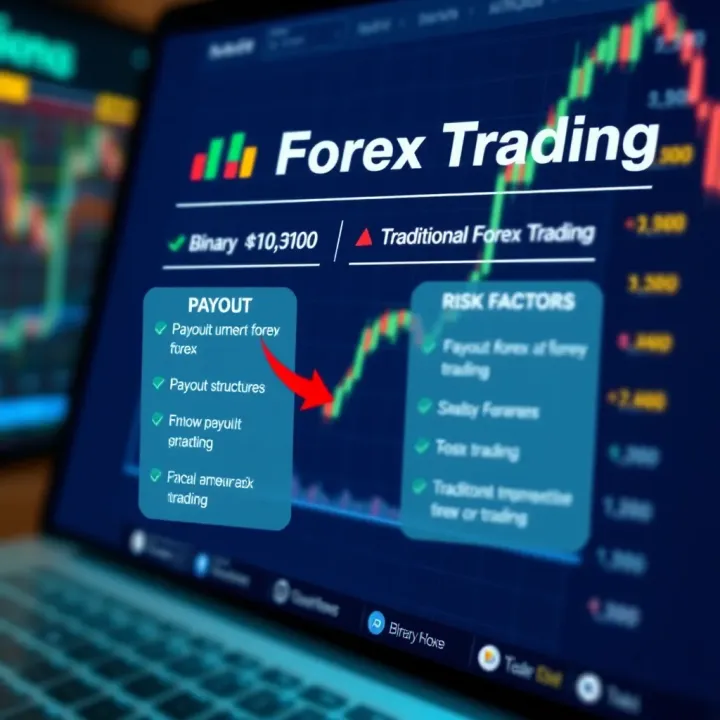
Explore binary forex trading basics, risks, and strategies designed for Kenyan traders 🇰🇪. Learn how it differs from traditional forex and trade wisely ⚖️📉💡
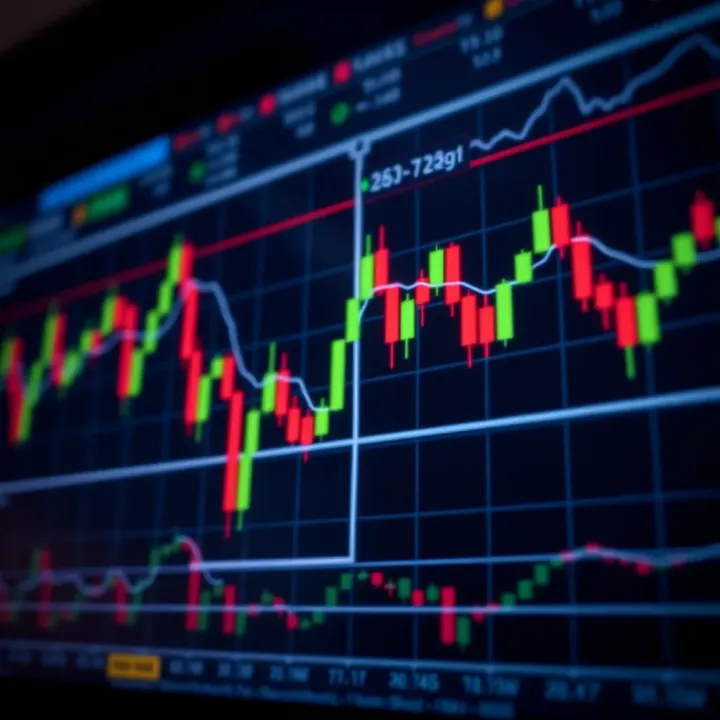
📈 Learn to spot key forex chart patterns that help predict market trends. Get practical tips & understand risks to make smarter trading moves in Kenya's forex market.
Based on 7 reviews