
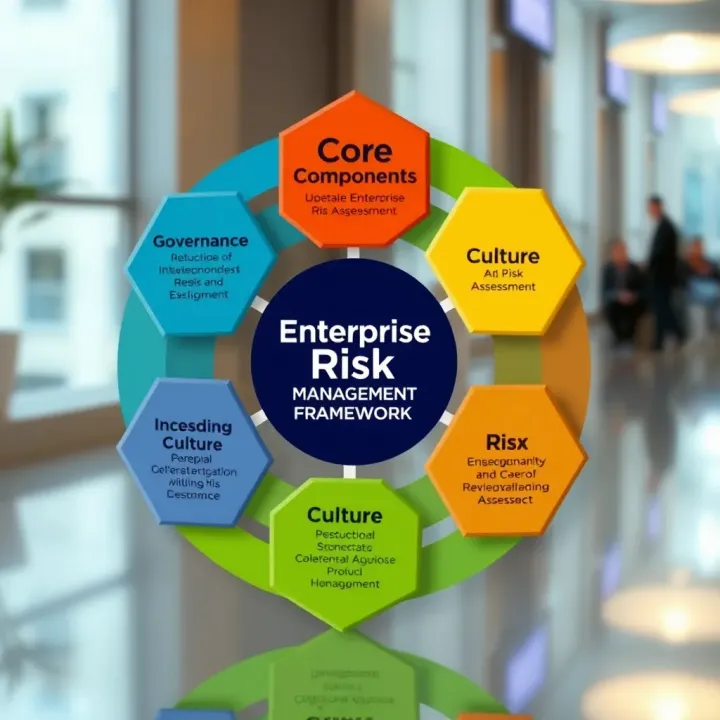
Understanding Enterprise Risk Management
Explore how enterprise risk management frameworks help Kenyan businesses spot and handle risks daily, focusing on culture, governance, and key steps 🛡️📊
Edited By
Ethan Marshall
Risk management is a fundamental part of running any business, especially in Kenya’s dynamic market. It is about spotting potential problems before they arise and handling them wisely so they don’t disrupt your operations or drain your resources. The goal is straightforward: keep the business stable and make decisions that won’t backfire.
At its core, risk management involves three main steps: identifying risks, assessing their potential impact, and then deciding how to control or mitigate them. For example, a small Nairobi-based exporter might face risks like currency fluctuations, delayed shipments due to border issues, or even political instability that affects demand. By systematically understanding these threats, the exporter can plan better—from locking in exchange rates with forward contracts to diversifying supply routes.
Effective risk management isn’t just about avoiding losses; it’s about making informed choices that add value and protect your business’s future.
Some common categories of risks Kenyan businesses encounter include:
Financial risks: fluctuations in currency, credit defaults, or cash flow shortages.
Operational risks: breakdown in supply chains, equipment failure, or staff strikes.
Compliance risks: falling foul of new county regulations, tax changes from the Kenya Revenue Authority (KRA), or licensing requirements.
Market risks: shifts in consumer preferences, entrance of new competitors, or changes in commodity prices.
Once risks are identified, businesses must assess their likelihood and severity. This can range from a quick gut check to detailed quantitative analysis. For instance, a finance analyst at a firm listed on the Nairobi Securities Exchange (NSE) may use historical data and scenario modelling to predict the impact of market shocks.
At the end of the day, risk management should fit the size and nature of the business. A jua kali artisan may focus on simple cash management and local demand trends, while a bank will have a full risk department using complex software.
Understanding this process means you get to stay ahead of trouble and make smarter decisions for your business, no matter the environment.
Risk management is the backbone of smart business decisions. It involves recognising potential problems before they arise, understanding their effects, then planning how to handle them. This approach helps businesses avoid costly surprises and stay competitive. For instance, a Nairobi-based exporter might face currency fluctuations affecting profits; identifying and planning for such risks prevents sudden losses.
By embedding risk management into daily operations, businesses protect their resources and reputation while navigating uncertainties. This process isn’t just for large firms — even small enterprises and startups benefit by responding quickly to challenges like supply delays or regulatory changes.
Risk means the chance that something unexpected can disrupt your plans or goals. It’s not only about danger but also uncertainty. For example, a farmer in Kericho might face risk from unpredictable weather affecting crop yields. Managing these risks means assessing both how likely they are and the damage they might cause.
Understanding risk helps firms move from guesswork to informed choices. It encourages looking beyond the obvious—like market competition—to less visible threats such as cyberattacks or logistical bottlenecks. Identifying these risks early lets a business prepare better or decide if some risks are worth taking.
Effective risk management converts uncertainty into manageable challenges rather than obstacles that stall progress.
No matter the size or sector, businesses operate in environments full of risks. Kenyan traders on online platforms, for example, face payment delays, fraud, and fluctuating demand. Without a clear risk strategy, these elements can cripple operations.
Risk management helps prevent losses, ensures compliance with local rules, and improves decision-making. It makes businesses agile, so they can respond faster to disruptions like political changes, economic shifts, or supply chain breaks. A Jua Kali entrepreneur fixing boda bodas who understands risks can choose safer suppliers or maintain emergency stock to keep clients satisfied.
Furthermore, investors and finance analysts use risk frameworks to assess a company’s resilience before committing funds, while brokers depend on it to advise clients accurately. Without it, a business exposes itself to avoidable problems and missed opportunities.
In short, risk management isn't just a formality but a necessary shield that supports growth and sustainability across Kenyan markets.
The risk management process unfolds in clear, logical steps. Each phase matters because it builds on the last, helping businesses make sense of potential threats and act wisely. Kenyan traders, investors, and finance analysts benefit by breaking down risks into manageable parts. This approach avoids rash decisions and ensures resources focus on the most pressing issues.
Risk identification starts by finding what could go wrong before it actually does. This isn’t guesswork but a careful scan of internal and external environments. For example, a trader might track currency fluctuations or monitor political news affecting East African markets. SMEs face risks like supplier delays or unreliable transport, especially during rainy seasons when roads deteriorate. Identifying these lets you prepare in advance rather than react too late.

Once risks are identified, the next step is assessing how likely they are to happen and what impact they could have. For instance, a risky event like a sudden tax change may happen rarely but could hit profits hard. Assigning realistic probabilities and consequences helps avoid overreacting to minor risks or ignoring serious ones. A finance analyst might use historic market data to estimate the chance of stock price drops, balancing chances against potential losses.
Not all risks need urgent attention. Evaluation means sorting risks by how much damage they could cause and how soon. For example, a Nairobi-based importer may prioritise customs delays over currency fluctuations because delays directly stall product availability. This ranking lets you decide which risks to tackle first and which can be monitored without immediate action. It’s like choosing to fix a leaking roof before repainting walls.
Treating risks involves deciding whether to avoid, reduce, share, or accept them. Reducing risk could mean diversifying investments or getting insurance cover. Sharing might involve partnerships that spread financial exposure. For example, a Jua Kali metalworker might accept some weather risks but reduce theft risk by installing better locks. Effective risk treatment aligns with business goals and available resources.
Risks change over time as markets, politics, and technologies evolve. Continuous monitoring ensures no new threats catch you off guard. Regular reviews update risk profiles and test if treatments remain effective. For example, an investor keeps watch on global trends which might affect Kenyan exports. This ongoing cycle makes risk management a living process, not a one-time task.
Without regular review, a risk once deemed low can suddenly escalate, catching businesses unprepared.
By moving through these steps carefully, Kenyan businesses can make sharper, more informed decisions that protect their investments and open up opportunities. Risk management is not about avoiding all risk but handling it smartly enough to keep thriving amid uncertainty.
In managing risks effectively, having the right tools and techniques is key. These methods help businesses spot threats early, weigh their potential impact, and decide on the best response. Without practical tools, risk management becomes guesswork rather than a structured effort. Many Kenyan companies, from SMEs to larger firms, rely on these techniques to maintain steady operations despite uncertainties.
A risk register is like a logbook where all potential risks are recorded systematically. It includes details such as the nature of each risk, its likelihood, possible impact, and current control measures. For instance, a Nairobi-based manufacturer might list risks like machinery breakdown, power outages, or supply chain delays. Keeping a risk register helps track these dangers clearly, making it easier for management to prioritise and follow up.
The register serves not just as a record but as a communication tool between departments. When the finance team sees supplier risks listed, they can prepare budget buffers, while operations can plan for backup suppliers. This clear picture aids faster, better-informed decisions, preventing surprises that might derail business goals.
To decide how serious risks are, businesses use qualitative and quantitative analysis. Qualitative methods rely on descriptive assessments — for example, categorising a risk as 'high', 'medium', or 'low'. This approach is useful when hard numbers are unavailable or when swift decisions are needed. A local retailer may tag the threat of theft as 'medium' risk based on past experience.
Quantitative analysis, on the other hand, uses data and numbers. It estimates probabilities and potential financial losses. For instance, an investment firm may calculate the chance of market downturns leading to a loss of KSh 5 million. Though more complex, this method provides clearer impact measures for stakeholders and supports precise budgeting for risk treatment.
Combining both approaches often gives the best results. Qualitative assessments guide initial priorities, while quantitative analysis sharpens the focus on critical risks.
Scenario planning involves imagining different future situations to see how they would affect the business. For Kenyan agricultural exporters, scenarios might include sudden drought, transport disruptions due to strikes, or currency fluctuations affecting profits. By mapping out these possibilities, companies prepare contingency plans, reducing reaction time when risks materialise.
Stress testing goes a step further by pushing systems to their limits under extreme conditions. Banks often do stress tests to check if their capital can absorb massive loan defaults during economic shocks. For SMEs, stress testing might mean running through cash flow shortages under delayed payments or supplier price hikes.
Both scenario planning and stress testing enhance resilience. They turn vague fears into concrete challenges, enabling businesses to avoid knee-jerk reactions and focus on sustainable strategies.
In summary, these tools and techniques aren't just paperwork—they are active parts of managing risks sensibly. For traders, investors, and analysts, understanding how these tools work offers better insight into a firm's risk posture, making business decisions sharper and safer.
Risk management is essential for Kenyan businesses seeking to navigate a market full of local and global challenges. Applying effective risk management practices helps organisations shield themselves from unpredictable shocks such as currency fluctuations, supply chain disruptions, and regulatory changes. For Kenyan enterprises, managing these risks is not just about protection but it also improves decision-making and supports sustainable growth.
Small and Medium Enterprises (SMEs) and jua kali operators face unique risks linked to limited resources and informal structures. Common issues include cash flow uncertainty, theft, and compliance with taxation like the Kenya Revenue Authority (KRA) requirements or National Social Security Fund (NSSF) contributions. For example, a boda boda operator in Nairobi might encounter daily risks like accidents and fuel price hikes, affecting earnings directly.
Practical risk management for these businesses includes keeping simple but effective records, securing premises to reduce theft, and understanding basic contracts with suppliers or clients. Using M-Pesa for transparent transactions can also reduce fraud risk. Prioritising these helps jua kali players reduce losses and plan for contingencies without the need for complex systems.
In larger Kenyan companies, risk management must be part of corporate governance frameworks. Boards and executives should embed risk oversight in their roles to steer the company clear of costly mistakes. This involves regular risk reports and ensuring internal audits cover emerging threats such as cyber-attacks or adverse effects of policy changes from the Ministry of Trade.
For instance, a Nairobi-based manufacturing firm could establish a risk committee that meets quarterly to review supplier credit risks and regulatory compliance. Integrating risk with governance improves transparency, making the firm more attractive to investors and partners. It also supports compliance with standards set by the Capital Markets Authority (CMA) for listed companies.
Technology plays a growing role in how Kenyan businesses track and manage risk. From cloud accounting tools like QuickBooks to real-time inventory systems for retailers like Naivas, technology provides data that helps identify risks early. Mobile applications can send alerts on changes in exchange rates or flag suspicious transactions.
Besides, data analytics enable firms to forecast cash flow challenges or demand drops, helping business owners prepare ahead. Even SMEs can use affordable software to keep a risk register and monitor loan repayments from platforms like M-Shwari or KCB M-Pesa.
Effective risk management in Kenya blends traditional local knowledge with modern tools, supporting businesses from hustlers at the kiosk to corporate giants in Nairobi’s CBD.
Understanding and applying these risk management practices empowers Kenyan businesses to stay resilient, compete fairly, and grow sustainably in a fast-changing environment.
Risk management is essential for making sound business decisions, but it doesn’t come without its hurdles. Kenyan businesses, whether formal enterprises or informal jua kali operators, often face challenges that can weaken how risks are identified, assessed, and handled. Understanding these obstacles and developing practical approaches to overcome them is vital for stronger resilience and growth.
Many businesses struggle to accurately spot and evaluate risks, which can lead to missed threats or wasted resources on minor ones. For instance, SMEs may overlook emerging cybersecurity risks because they focus mostly on more visible threats like theft. Another trap is underestimating the impact of certain risks due to lack of data or experience, which can create a false sense of security.
To avoid these pitfalls, firms should involve diverse team members in risk discussions to get different views. For example, a retail store might include sales staff, security personnel, and IT support in risk meetings to see a fuller picture. Using simple but structured tools like risk registers helps keep track of known risks and their assessments regularly updated.
Without a culture that acknowledges and talks openly about risks, even the best processes struggle to work. Kenyan businesses often face challenges where employees see risk management as a box-ticking exercise or blameworthy task. This attitude stalls early reporting and collaboration needed to manage risks well.
Creating a risk-aware culture means educating everyone from top management down to shop floor workers about why risk matters. It also involves promoting transparency and encouragement so staff can report problems without fear. A good example is a company that holds monthly safety talks where workers share near misses openly, turning lessons learned into concrete improvements.
Kenya’s business environment evolves fast due to factors like new regulations, tech shifts, and climate challenges. Without flexibility, risk management can become irrelevant quickly. Take a small agriculture exporter suddenly facing new export compliance rules and unpredictable weather patterns; their traditional risk assessment may miss these fresh threats.
To overcome this, organisations need regular reviews and updates of risk plans that consider current realities. They should develop contingency options for different scenarios—a practice known as scenario planning. Leveraging simple technology such as mobile data collection or online updates can also help businesses react faster to changes.
Successfully managing risk means being honest about challenges and proactive in dealing with them. The better a business understands and adjusts to its risk landscape, the wiser its decisions will be.
By recognising frequent challenges in risk identification, nurturing a culture of awareness, and staying adaptable, Kenyan traders, investors, and firms can boost their capacity to protect assets and seize opportunities with confidence.
Explore how enterprise risk management frameworks help Kenyan businesses spot and handle risks daily, focusing on culture, governance, and key steps 🛡️📊

Explore practical financial risk management tips 📊 for Kenya's professionals. Learn to identify, measure & reduce risks using key tools & PDFs.
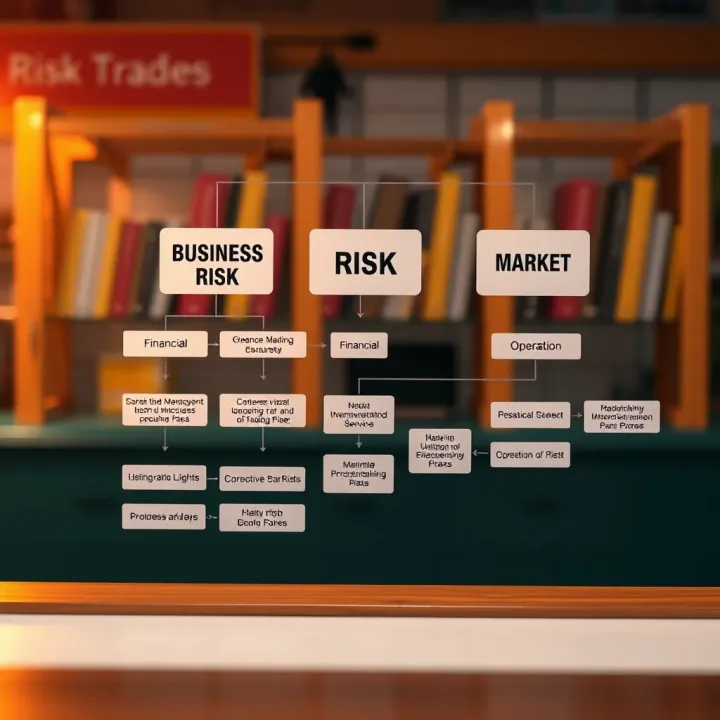
📊 Understand risk management basics and methods that Kenyan businesses can apply to stay resilient, make smarter decisions, and secure growth.
📊 Understand risk management essentials: key concepts, types of risks, and practical strategies tailored for Kenyan businesses and professionals.
Based on 15 reviews