

Financial Risk Management Made Simple
Explore practical financial risk management tips 📊 for Kenya's professionals. Learn to identify, measure & reduce risks using key tools & PDFs.
Edited By
James Fletcher
Risk management is about spotting potential problems before they happen, assessing their impact, and taking steps to reduce or control these risks. For Kenyan businesses, this isn’t just theory—it’s a practical necessity to stay competitive and protect investments.
At its core, risk management helps organisations safeguard their objectives, whether it's maintaining steady profits, complying with regulations, or preserving reputation. The process involves four main stages:

Identification – recognising what risks exist. These could be anything from fluctuating forex rates, political instability, to supply chain disruptions.
Assessment – measuring how likely these risks are to occur and what damage they could cause.
Control – deciding on measures to reduce or eliminate risks, such as diversification, insurance, or contingency planning.
Monitoring – keeping an eye on risks and the effectiveness of controls, adjusting strategies if conditions change.
Effective risk management isn’t just a checklist; it’s a continuous practice that evolves with the business environment.
Consider a Kenyan tea exporter facing currency fluctuations. Without proper risk assessment, the exporter might suffer losses when converting foreign earnings to shillings. To handle this, the company could use forward contracts or invest in local markets to balance the exposure.
In the Kenyan financial sector, firms regularly manage risks related to credit, market changes, or operational failures. Likewise, traders on the Nairobi Securities Exchange (NSE) watch macroeconomic indicators to adjust portfolios accordingly. Understanding local factors like CBK policies, inflation rates, or political events can improve decision-making.
Practical risk management helps avoid surprises that disrupt business flow. For example, a boda boda operator affected by sudden fuel price hikes can explore bulk buying options or negotiate fixed-price contracts. Simple steps like these show how everyday businesses benefit from recognising and preparing for risks.
In short, risk management combines careful analysis and practical actions tailored to local realities. For investors, brokers, finance analysts, and students alike, grasping these fundamentals builds a solid foundation to handle uncertainty in Kenya’s dynamic markets.
Understanding what risk management means is essential for anyone involved in business, finance, or even investing. It basically refers to the process of identifying potential problems that could harm your organisation or investment and then putting steps in place to minimise those risks. This helps businesses in Kenya and beyond to protect their assets, stay afloat during tough times, and take informed decisions.
Clarifying the concept of risk means recognising that risk is the possibility of something going wrong or causing loss. Risk isn't just about bad outcomes; it also covers uncertainties that could either harm or benefit the organisation. For example, a livestock farmer in Naivasha faces risks like drought impacting feed supplies, while a stock trader in Nairobi faces market fluctuations that might affect shares.
Risk management as a systematic process involves a step-by-step approach rather than random reactions. It starts with spotting potential risks, then analysing their likelihood and impact, and deciding on measures to control them. This process must be ongoing—conditions change, so responses must adapt. For instance, a manufacturing company might continuously review its safety measures as new equipment is introduced.
Operational, financial, and strategic risks form the core of most organisations. Operational risks deal with everyday functions—machine breakdowns or supply chain delays. Financial risks relate to money matters such as credit defaults or currency changes. Strategic risks concern big-picture decisions, like entering new markets or shifting business models. A Nairobi-based tech startup might face operational risks from unreliable internet, financial risks from delayed client payments, and strategic risks when scaling operations into East Africa.
External risks specific to Kenya and East Africa include political instability, regulatory shifts, and environmental concerns. Kenya’s elections sometimes bring uncertainty, affecting businesses especially in sectors like tourism and retail. Regulatory changes can impact taxes, business licensing, or import duties—these require businesses to stay alert. Environmental risks such as flooding during the long rains can disrupt transport and supply chains, especially in coastal and western regions.
Effective risk management isn’t just for big firms; even small traders and individual investors can benefit by planning for uncertainties to protect their hard-earned money and business reputation.
Understanding the meaning and scope of risk management equips you to make better decisions. It helps you dodge avoidable losses and take advantage of opportunities with clear eyes. That’s why every stakeholder, from a boda boda operator to a stockbroker, should grasp what managing risk entails.
Understanding the core components of risk management is key for any trader, investor, or finance professional seeking to shield assets and make informed decisions. These components form the backbone of how risks are identified, assessed, prioritised, and ultimately controlled. Getting each part right leads to better foresight and fewer nasty surprises in the unpredictable business environment of Kenya and beyond.
In Kenya, organisations typically use a mix of methods to spot risks early. Common techniques include brainstorming sessions with key stakeholders, analyzing historical data, and conducting interviews or surveys within different departments. For example, a Nairobi-based fintech start-up might examine trends in cyber fraud by reviewing past incidents and consulting their IT team to identify potential gaps.
Internationally, tools like SWOT (Strengths, Weaknesses, Opportunities, Threats) analysis and PESTEL (Political, Economic, Social, Technological, Environmental, Legal) frameworks are popular. These help organisations consider a broad range of risks, from market conditions to regulatory changes. By applying these methods, Kenyan firms can better grasp both internal and external risks.
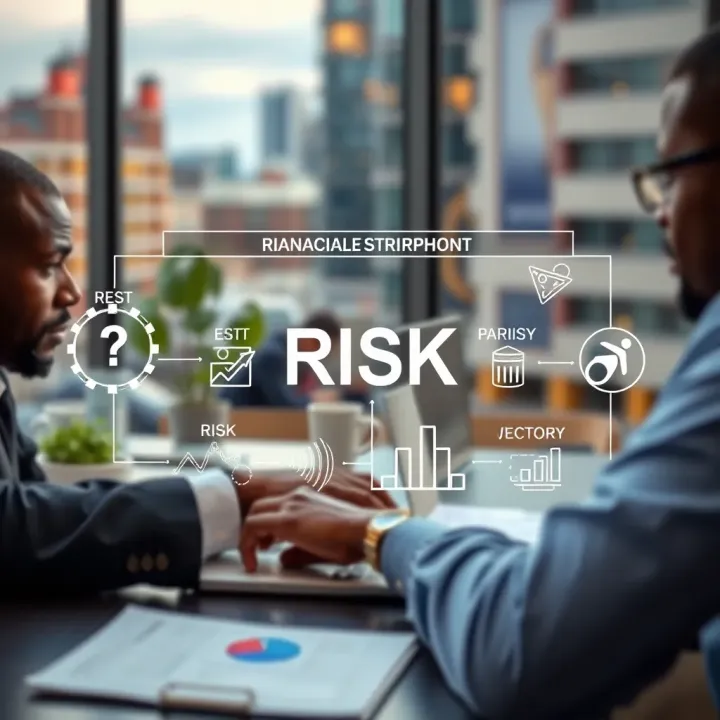
Risk registers serve as practical repositories for all identified risks. They provide structured documentation that lists risks, their descriptions, and essential details such as impact and ownership. For instance, a manufacturing company in Mombasa might use a register to track machinery breakdown risks and assign responsibility to maintenance teams. This approach not only organises risk data but also ensures regular reviews and updates, keeping risk awareness alive across the organisation.
When it comes to evaluating risks, firms commonly use qualitative and quantitative approaches. Qualitative assessment involves categorising risks based on attributes like severity or urgency, often using rating scales (e.g., low, medium, high). For example, a small retailer in Kisumu might assess theft risk as high during festive seasons qualitatively.
Quantitative methods utilise numerical data for deeper analysis — like financial costs or probability percentages. An investment firm in Nairobi may calculate potential losses from currency fluctuations using past exchange rates and statistical models. Combining both approaches gives a fuller picture that supports strategic decisions.
Evaluating impact and likelihood goes hand in hand with assessment. "Impact" measures how badly a risk could hit the business — say, a flood damaging stock worth KSh 5 million. "Likelihood" gauges how often that risk might occur. Prioritising risks with high impact and high likelihood helps businesses focus resources where they matter most. In this way, an agricultural firm facing uncertain weather patterns can plan more effectively by emphasising flood risks over less probable events.
A well-maintained risk register combined with thorough assessment methods equips organisations to steer clear of potential setbacks before they escalate.
In summary, core components like risk identification, documentation with registers, and careful assessment allow Kenyan businesses and financial actors to build resilience and confidence in a shifting environment.
Practical risk management processes turn risk identification and assessment into actionable steps that protect organisations from potential losses. These processes ensure risk does not just sit on paper but is actively controlled and minimised. For traders, investors, and finance analysts, this hands-on approach means having clear methods to respond to risks once they're spotted, making business operations more resilient and adaptable.
Strategies for reducing or avoiding risks focus on tackling risks before they develop into bigger problems. For example, a trading firm might limit exposure to volatile markets by diversifying assets or setting strict stop-loss limits. Avoiding risk can also mean deciding not to enter a deal where the regulatory environment is unclear. These proactive steps don't eliminate all risks but help lower the chances of substantial losses.
Reducing risks can involve process improvements, like tightening internal controls to avoid fraud in investment transactions or improving data security in financial systems. Kenyan banks, for instance, have invested heavily in cybersecurity to reduce risks linked to mobile banking frauds, benefiting millions who use M-Pesa alongside bank apps.
Transfer, acceptance, and mitigation methods are other key ways businesses handle risks. Transferring risk typically means shifting it to another party, such as taking insurance cover. A Nairobi-based SME might buy insurance against fire or theft to avoid losing assets outright. Similarly, outsourcing certain operations to specialised vendors can transfer associated risks.
Sometimes, companies must accept risks that come with doing business, especially when costs of avoiding them outweigh the benefits. A stockbroker may accept market fluctuations but use hedging to limit impact. Mitigation, on the other hand, reduces the effect of risk events. For example, instituting regular audits in a trading firm mitigates the risk of regulatory non-compliance by catching errors early.
Continuous risk tracking practices involve keeping an eye on risk factors as business conditions change. Markets, technology, and regulations shift rapidly, especially in Kenya’s growing economy. A food processing company tracking supply chain risks might regularly review how seasonal rains affect transport routes. Keeping continuous tabs on such risks enables timely action.
Dedicated risk teams or risk officers often maintain updated risk registers and dashboards to spot new threats or changes in existing ones. For instance, an investor monitoring political developments in East Africa can adjust portfolios accordingly.
Updating controls and adapting to change means revisiting risk management measures based on monitoring results and external changes. Suppose a fintech firm finds that cyber-attacks have evolved; it must upgrade security protocols rather than relying on outdated protections. This flexibility is vital because risk environments rarely stay fixed.
Kenyan businesses that adapt controls fast—whether through staff retraining, policy updates, or new tech—tend to stay ahead of losses. For example, during the recent pandemic, many companies quickly revised health protocols and remote working policies, reflecting agile risk adaptation.
Staying alert and adjusting risk responses regularly ensures your business doesn't get blindsided. Practical risk management is an ongoing effort, not a one-time task.
In summary, practical risk management processes empower organisations to handle risks effectively by planning clear responses, transferring or mitigating unavoidable risks, and continually reviewing conditions to adapt controls. These actions build stronger, more confident companies able to navigate Kenya’s dynamic business scene.
Risk management is vital for Kenyan businesses because it helps protect valuable assets and keeps operations steady even when challenges arise. Whether it's a small jua kali workshop or a medium-sized manufacturing firm in Athi River, unexpected disruptions like supply delays or power outages can cause serious financial losses. By identifying these risks early, businesses can put in place measures such as backup suppliers or generators to reduce interruptions and protect income.
Beyond just guarding physical assets, managing risk also reduces the chance of operational hitches that could stall growth. For example, a local retail chain could suffer if their inventory management system fails. Proper risk oversight means spotting such weak points and fixing them before they cause major damage. This stability is crucial in Kenya's dynamic market, where economic shifts, weather events, or transport strikes can quickly impact business activities.
Businesses in Kenya face unique risks including political changes, fluctuating exchange rates, and supply chain problems. Effective risk management means spotting these threats and acting to avoid or limit their consequences. For instance, a farm in Nakuru might invest in crop insurance and water harvesting systems to reduce the impact of droughts. This kind of practical preparation shields assets and maintains steady production, which is essential for long-term survival.
Managing risk properly sends a clear signal that a business is reliable and well-run. Investors and partners want to see that potential challenges have been considered and there are plans to handle them. Kenyan startups or SMEs aiming to attract venture capital or bank loans often highlight their risk strategies to build trust. A well-organised risk management framework can tip the balance in securing funding or partnerships by proving the company won’t easily collapse under pressure.
Kenyan businesses must comply with rules set by government bodies like the Capital Markets Authority (CMA), Kenya Revenue Authority (KRA), and others depending on the sector. These regulations often require firms to have risk controls in place to protect consumer rights, ensure financial stability, and reduce fraud. For example, financial institutions must adhere to strict reporting and risk disclosure standards to comply with the Central Bank of Kenya requirements. Meeting these standards is not just legal obligation but a foundation for smooth operations.
Different sectors have specific risk concerns that need tailored management approaches. The insurance industry, for instance, regularly assesses risks related to claims, fraud, and changing policies. Adapting risk practices to these needs ensures businesses remain competitive and resilient. In the energy sector, firms might prioritise safety protocols and environmental risk assessments. Aligning to industry-specific risk expectations also helps tap into sectoral funds or support from government initiatives aimed at boosting particular industries.
Clear and consistent risk management is more than just ticking boxes; it underpins business growth, investor confidence, and regulatory compliance, especially in the Kenyan context where conditions can be volatile.
By making risk management part of everyday decision-making, Kenyan businesses can better handle unexpected changes and grow sustainably.
Managing risk is not just about spotting dangers and crafting responses; it also involves overcoming several practical challenges. Understanding these obstacles helps businesses, investors, and traders build stronger systems that truly protect assets and sustain operations amidst Kenyan and global uncertainties.
Limited budgets for comprehensive risk systems often restrict how businesses approach risk management. Especially for small and medium enterprises (SMEs) in Kenya, allocating funds for full-blown risk management tools or technologies can be tough. For example, while large firms might afford sophisticated software to track market movements or cyber threats, smaller companies rely on manual methods, which may miss subtle risks or slow down responses.
This budget limitation means risk management sometimes becomes reactive instead of proactive. SMEs might address only the most obvious dangers — such as theft or regulatory compliance — while ignoring emerging risks that lack immediate impact but could cause big trouble later. The practical takeaway is that businesses must prioritise risk areas clearly and seek affordable, locally adapted solutions like simple risk registers or basic digital tools that don’t drain the finances.
Shortage of trained risk professionals adds another layer of difficulty. Kenya’s market still has a limited pool of certified risk managers and analysts familiar with the nuances of local business environments, industry regulations, and evolving risks. Organisations often rely on staff without specialised training, or on external consultants whose services can be costly and intermittent.
This skills gap affects how risk assessments are conducted and how risk response strategies are designed. Without enough expertise, some risks might be underinterpreted or the controls put in place may not be robust. Investing in staff training or partnering with professional bodies like the Risk Management Society of Kenya can gradually build needed capacity. In the meantime, basic knowledge sharing within companies can prevent the most glaring oversights.
Dealing with emerging threats like cyber risks has become a key challenge. Cyberattacks are increasing in Kenya, targeting everything from financial institutions to mobile money platforms such as M-Pesa. Businesses must constantly update their security measures to protect sensitive data and maintain customer confidence.
The challenge is that cyber risks evolve quickly. New malware strains or social engineering tactics pop up regularly, meaning yesterday’s controls might not hold today. Kenyan firms, especially in Nairobi’s tech hubs, must invest not just in firewalls or antivirus software but in ongoing staff training on cyber hygiene and incident response preparedness.
Responding to economic and political changes requires agility. Kenya’s economy can face fluctuations due to factors like inflation spikes, currency volatility against the US dollar, or changes in government policy affecting taxation or trade. These external risks often hit without much warning yet can have deep effects on cash flow, import costs, or regulatory compliance.
For instance, a sudden ban on certain import goods or political unrest in key regions might disrupt supply chains overnight. Organisations that monitor the economic and political landscape closely tend to adjust their risk strategies more effectively—such as diversifying suppliers or embracing flexible contracts—reducing exposure and ensuring business continuity.
Keeping risk management systems adaptable is not a luxury but a necessity, especially given how fast risks can shift in Kenya and the wider East African region.
Addressing these common hurdles requires a mix of practical prioritisation, leveraging local professional resources, and staying alert to changes on the ground. Only then can businesses, traders, and finance professionals keep risk at manageable levels while focusing on growth and stability.
Explore practical financial risk management tips 📊 for Kenya's professionals. Learn to identify, measure & reduce risks using key tools & PDFs.

📉 Master forex risk management for Kenyan traders! Learn key strategies to protect capital, control losses, and trade confidently in volatile markets.
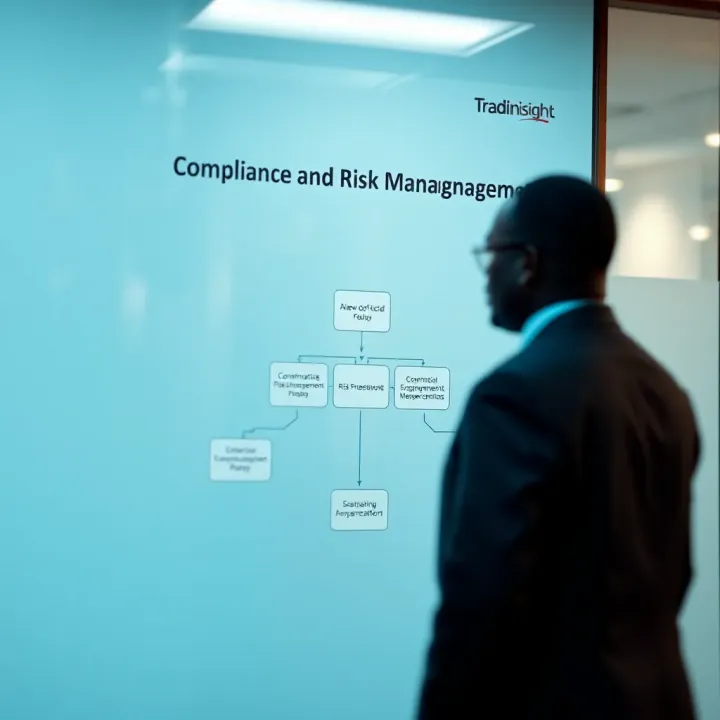
Explore how Kenyan businesses manage compliance and risks, tackle challenges, adopt best practices, and use technology for safer operations 📊⚖️
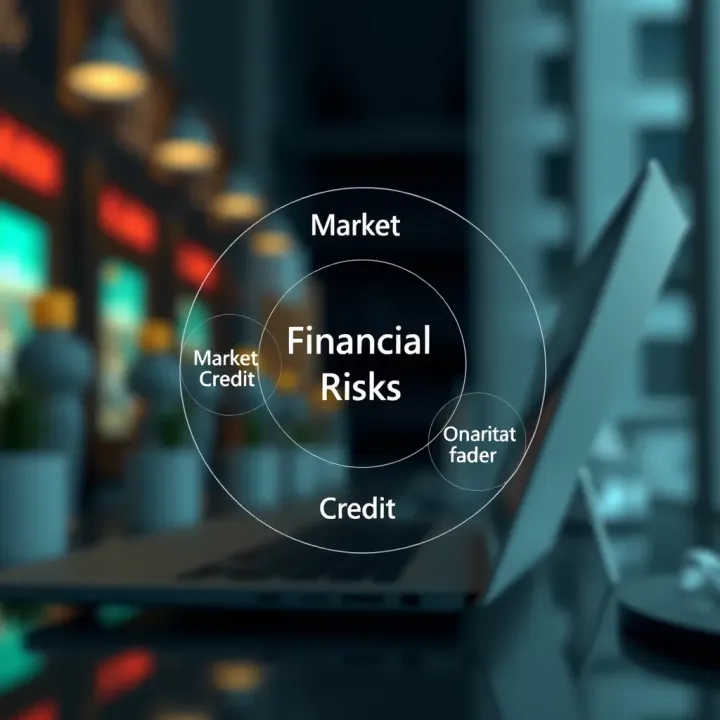
📊 Explore solid strategies and practices for managing financial risk in Kenya. Learn to identify risks, use technology, and navigate regulations effectively.
Based on 7 reviews