
Understanding Risk Management for Kenyan Businesses
📊 Understand risk management basics and methods that Kenyan businesses can apply to stay resilient, make smarter decisions, and secure growth.
Edited By
Liam Foster
Risk management is about spotting potential threats before they cause harm and figuring out how to handle them effectively. Whether you are running a business, investing in stocks, or analysing market trends, understanding risk management can save you from unexpected losses and help you make informed decisions.
In Kenya, where economic activities face unique challenges such as fluctuating currency values, political shifts, and climate impacts, applying risk management wisely is more than just a good idea—it's a necessity.

At its core, risk management involves three main actions:
Identifying risks: recognising possible problems that might derail your plans, from delayed supplier deliveries to sudden regulatory changes.
Assessing risks: measuring how likely these threats are and estimating their possible impact.
Controlling risks: deciding on steps to reduce or eliminate those risks, like diversifying suppliers or taking out insurance.
For example, a coffee exporter in Kericho might face risks such as poor rainfall affecting crop yield or delays at customs impacting shipment dates. By analysing these risks early, they can arrange alternative suppliers or expedite necessary paperwork.
Ignoring risks can be costly. For investors, unanticipated market drops can wipe out savings. For brokers, poor risk assessment could lead to client losses and damaged reputations. Risk management helps protect capital and build resilience.
Organisations that actively manage risks tend to outperform their competitors by avoiding costly surprises and adapting faster to change.
In trading, tools like stop-loss orders help limit losses when prices move unfavourably. Investors monitor economic indicators and diversify portfolios across sectors to spread risk. Financial analysts include scenario analyses in reports to prepare for multiple outcomes.
Kenyan businesses also rely on risk management for compliance with regulations from bodies like CMA (Capital Markets Authority) and KRA (Kenya Revenue Authority). For instance, a Nairobi-based fintech must secure data to avoid breaches and penalties.
By understanding and applying risk management principles, you improve decision-making, safeguard resources, and position yourself to seize opportunities with confidence.
This article will explore these components in greater detail, drawing examples from Kenyan markets to give you practical insights you can use immediately.
Understanding what risk management really means helps businesses and individuals prepare for uncertainties that could slow down or even stop their activities. It’s about spotting potential problems early before they become full-blown issues. This section breaks down the concept and lays out why managing risk matters, especially for Kenyan traders, investors, finance analysts, brokers, and students who are shaping their knowledge.
Risk often means uncertainty with a chance of loss or harm. Think of a trader on the NSE (Nairobi Securities Exchange) who faces the risk of share prices falling sharply due to political unrest. That uncertainty could hurt profits or even wipe them out. Risk management here involves understanding these uncertainties and planning ways to reduce bad outcomes.
A common mistake is mixing risk with hazard. A hazard is something that can cause harm directly, like faulty machinery in a manufacturing firm. Risk combines both the chance of that hazard causing damage and its potential impact. So, a hazard is a source of danger; risk is the chance of that danger affecting you. For instance, poor security at a retail outlet is a hazard; the risk is the likelihood of theft occurring, which depends on how often security checks happen.
Organisations face various risk types daily:
Financial risks: Currency fluctuations, interest rate changes, or credit defaults.
Operational risks: Equipment failure, staff strikes, or supply chain breakdowns.
Compliance risks: Failing to follow Kenya Revenue Authority (KRA) regulations or Capital Markets Authority (CMA) rules.
Strategic risks: Poor business decisions or market entry failures.
Each poses different challenges, so identifying the right risks is essential for targeted management.
Protecting assets and reputation should top every business agenda. For example, a financial institution caught in a fraud scandal can lose clients and trust rapidly. Effective risk management helps spot weaknesses early—like gaps in security systems—and fixes them before damage happens. This shields assets—be they money, equipment, or goodwill built over years.
Business continuity depends on staying afloat when the unexpected hits. During the last long rains, many farmers faced supply chain disruptions due to road floods. Having a backup plan, alternative transport routes, or stockpiling supplies can keep operations rolling despite such shocks. For investors, business continuity ensures steady returns rather than sudden losses.
Lastly, complying with Kenyan laws protects organisations from penalties that can drain resources. The CMA insists on proper risk disclosures for listed companies, while KRA demands tax compliance. Ignoring these can lead to fines or legal trouble, which often impact small traders and startups harshly. Risk management integrates these compliance needs into everyday routines to avoid surprises.
Risk management is not just about avoiding trouble but managing uncertainties smartly to keep businesses resilient, especially in dynamic Kenyan markets.
By grasping what risk means and why it matters, you can make better decisions that safeguard your investments and ventures against avoidable losses.
A clear risk management process helps traders, investors, and finance analysts spot potential problems early and respond before they escalate. Following structured steps allows organisations to focus efforts and resources where they matter most—minimising losses and protecting investments. Each step builds upon the last, ensuring no risk goes unnoticed or unmanaged.
Risks can come from many sources: market fluctuations, regulatory changes by bodies like the Capital Markets Authority (CMA), operational failures, or fraud attempts. In Kenyan business contexts, risks may also stem from unstable power supply or currency volatility. Recognising these sources early helps organisations prepare rather than react.
To uncover risks effectively, teams often use techniques like brainstorming sessions where members freely suggest possible risks, capturing both obvious and overlooked threats. Checklists tailored to the industry help ensure no common risks are missed. For example, a stockbroker might use a checklist covering market risks, compliance risks, and technology failures. These methods provide a comprehensive view before moving to evaluation.
Once risks are identified, it is crucial to evaluate how likely they are to occur and the potential impact on the business. For instance, a forex trader might assess the probability of a sudden exchange rate drop and estimate financial loss. This evaluation helps to quantify risks rather than treating them vaguely.
With this data, risks can be prioritised based on severity—high-impact, high-probability risks take precedence over minor or unlikely ones. Tools like risk matrices visualise this prioritisation, guiding decision-makers on where to focus mitigation efforts. Prioritisation enables smoother use of limited resources and sharpens management focus.
After prioritisation, organisations decide what action to take. Four key strategies exist:
Avoidance: Steering clear of activities that generate excessive risk. For example, a firm may avoid investing in volatile stocks during uncertain times.
Mitigation: Reducing risk impact or likelihood through controls. A bank might strengthen cybersecurity to reduce fraud.
Transfer: Shifting risk to a third party through insurance or outsourcing.
Acceptance: A calculated decision to tolerate certain risks when cost of control is too high.
Setting clear risk thresholds is vital—these define acceptable risk levels. For example, a trader may decide to accept a 2% loss on investments but take action if losses approach that limit. Thresholds trigger timely responses, preventing risks from becoming crises.
Risk management is not a one-time exercise. Continuous tracking allows teams to spot changes or new risks. For instance, fluctuations in political climate can alter investment risks, requiring updates.
Regular reviews ensure the risk response remains effective and appropriate. When new information arises, plans are adjusted accordingly. For example, if a new regulation comes from the Kenya Revenue Authority (KRA), companies must revise tax risk strategies. This dynamic approach keeps risk management relevant and responsive.
Reliable risk management depends on an ongoing cycle of identifying, analysing, planning, and monitoring risks. It equips Kenyan businesses, from jua kali artisans to corporate investors, with practical insight to safeguard their operations and thrive amidst uncertainty.
Risk management plays a significant role in Kenyan businesses, helping them to anticipate and handle challenges specific to the local environment. Whether it’s small enterprises or larger corporations, understanding how to manage risks effectively can mean the difference between survival and collapse. For traders, investors, and financial analysts alike, appreciating this context allows for smarter decision-making and stronger resilience.
Small and medium-sized enterprises (SMEs) and the jua kali sector often operate with tight budgets and minimal formal structures. This limits their ability to set up comprehensive risk management systems. Many rely on informal approaches or gut feeling rather than documented processes. For example, a kiosk owner in Nairobi’s Eastlands area might rarely have the time or money to keep detailed risk registers or hire risk professionals. This reality means that while the risks are very real, the resources to tackle them are scarce.
Common risks for these businesses include cash flow interruptions, theft, and sudden market changes. Imagine a boda boda operator whose income drops due to new matatu routes or fuel price hikes—without proper risk planning, this can quickly affect their livelihood. Similarly, small shops face risks from supply chain disruptions or regulatory changes like licensing fees. These risks demand simple but effective strategies, such as keeping emergency funds or maintaining strong relations with trusted suppliers.
In larger companies and the financial sector, risk management is more formalised. Regulatory bodies like the Capital Markets Authority (CMA) and Kenya Revenue Authority (KRA) impose strict compliance requirements. Companies must regularly submit reports demonstrating how they manage risks related to investments, tax, and operations. For instance, a bank listed on the Nairobi Securities Exchange (NSE) follows CMA regulations on financial disclosures, internal controls, and risk reporting to protect investors' interests.
Beyond regulations, financial institutions face risks from fraud, cyber-attacks, and market volatility. Kenya's growing digital payment ecosystem—led by Safaricom’s M-Pesa—provides convenience but also opens doors to fraudsters. Banks use sophisticated systems to detect unusual transactions and control operational risks. For example, a commercial bank might employ real-time monitoring software to flag suspicious activities instantly, reducing potential losses and building customer trust.
Effective risk management in Kenya requires tailoring strategies to the specific challenges faced by different sectors, striking a balance between formal controls and practical realities.
To sum up, SMEs and the jua kali sector must focus on affordable, straightforward risk practices that fit their resources, while corporate and financial players should prioritise compliance and advanced risk controls. Both benefit from understanding risks unique to the Kenyan market, from regulatory changes to local economic shocks.
Using the right tools and methods is key to managing risks efficiently. These tools help organisations spot risks early, track them, and respond appropriately. Kenyan businesses of all sizes benefit by having clear, practical systems in place, whether in a formal corporate setup or the jua kali sector.
A risk register is a simple but powerful tool that lists all identified risks, then records details like their likelihood, potential impact, and planned responses. Typically, it includes risk owners and review dates. This structure keeps everyone on the same page and ensures no risk is overlooked. For example, a Nairobi-based importer might use a risk register to track delays from suppliers and outline steps to reduce disruption.
Keeping risk registers up to date is crucial. Regular reviews, especially after incidents or market changes, allow adjustments to risk ratings and response plans. Sharing updated reports with key staff encourages transparent communication and quicker action when threats change. Digital tools or even shared spreadsheets can ease this process for firms with limited resources.
Many Kenyan organisations now turn to risk management software tailored for local needs. Options like Microsoft Excel templates, simple cloud-based platforms, or more advanced solutions such as Resolver or MetricStream offer good scalability. These tools often feature dashboards and alerts that make it easier to monitor risks continuously.
Digital monitoring helps spot patterns and emerging threats through data analysis. For instance, a financial firm might track transaction anomalies in real time to detect fraud early. Such technology increases accuracy and reduces manual effort, which is vital when resources or expertise are limited.
Staff awareness is the backbone of effective risk management. Training ensures employees understand what risks mean for their roles and how to report or handle them. In Kenya, even small firms can hold brief workshops or use online resources to boost this knowledge without big budgets.
Several local institutions offer valuable training on risk management. The Kenya Institute of Management (KIM) and Strathmore Business School provide courses focused on practical risk skills relevant to Kenyan businesses. Access to such training strengthens the whole organisation’s ability to manage risks proactively.
Good risk management blends tools, technology, and training to create a culture where risks are seen and handled before they turn into major problems.
By combining well-structured risk registers, suitable technology, and continuous staff learning, businesses can better protect their operations and build resilience against uncertainties common in Kenya’s dynamic markets.
Risk management doesn’t come without hurdles, especially in Kenyan businesses where resources and awareness can be limited. Identifying common challenges and tackling them head-on is essential to build resilience. This section sheds light on practical ways to deal with obstacles that often slow down or block effective risk management.
Encouraging proactive attitudes towards risk involves shifting mindsets from reacting to problems after they happen, to spotting risks early and planning ahead. Many organisations in Kenya, particularly small businesses, tend to overlook this proactive approach because daily operations demand urgent attention. However, fostering a culture where team members regularly discuss potential threats and share observations helps reduce surprises. For instance, a Nairobi-based manufacturing firm that holds weekly morning discussions on what could go wrong is better prepared to take timely actions.
Leadership role in setting the tone comes down to behaviour and communication from the top. When directors and managers openly prioritise risk management, staff are more likely to respond positively. Leaders who invest time in training, share real examples, and reward employees for raising concerns establish positive norms. In the Kenyan banking sector, some institutions have seen improved compliance and reduced operational breakdowns after senior leaders started quarterly risk briefings with all departments.
Affordable approaches for tight budgets often mean using simple, low-cost tactics rather than expensive tools. Small traders or jua kali artisans might not afford sophisticated software, but they can maintain manual checklists, conduct peer reviews, and encourage open communication about risks. These practical methods keep risk management alive without stretching limited finances.
Leveraging partnerships and external expertise helps businesses gain access to skills and knowledge they lack internally. Local chambers of commerce, business associations, and government programmes offer training and advisory services at little or no cost. For example, many SMEs in Mombasa have benefited from workshops sponsored by the Kenya National Chamber of Commerce on financial risk planning. Seeking such partnerships allows organisations to manage risks effectively without hiring specialised staff.
Dealing with common risk management challenges is about using what’s available smartly and creating a culture that values foresight. Kenyan businesses that adopt simple, practical measures and strong leadership can improve their risk resilience, even with limited resources.
Starting out with risk management might look overwhelming for many traders, investors, or analysts, but getting practical tips on how to begin can ease the process considerably. Understanding straightforward, actionable steps helps businesses and individuals build resilience without needing a big budget or complex systems. This approach means you can protect assets early, avoid losses, and comply with regulations, especially in the Kenyan market where risks range from economic shifts to operational challenges.
Start with what you know. Small businesses often have limited resources and expertise for formal risk management. Beginning with familiar risks makes sense. For example, a local duka owner knows well the risks of theft or stock spoilage due to power outages. From this angle, identifying these specific risks is a practical first step. It helps keep the scope manageable and builds confidence to tackle bigger risks later.
Rather than diving into complex risk models, owners should list all potential threats they directly observe daily. This might include unreliable supply from suppliers, cash flow interruptions when customers delay payments, or regulatory fines for missing tax deadlines. Understanding these risks without jargon allows focused solutions that relate directly to everyday business challenges.
Use basic checklists and informal discussions. Simple tools like checklists are surprisingly effective. They help ensure key risk areas aren’t missed. For instance, a transport company could have a checklist covering vehicle maintenance, driver safety, and fuel management. This offers a clear, repeatable way to spot potential problems early.
Besides checklists, informal conversations with employees, suppliers, or customers can reveal hidden risks. A boda boda operator talking with clients might discover safety concerns on certain routes or times of day. These discussions build a practical picture of what could go wrong in ways that formal reports sometimes miss.
Integrating risk management into daily activities. Risk management should not be a once-off exercise but part of routine decisions. For example, traders managing investment portfolios might integrate risk checks when evaluating new stocks or bonds. Asking questions like, "What could affect the liquidity of this asset?" or "How does political uncertainty influence this sector?" keeps risk awareness alive.
In a workplace, this could mean assigning responsibility to various staff members to monitor specific risks regularly, such as cash handling or IT security. Embedding risk review in daily tasks ensures prompt action before small issues escalate, fostering a culture where everyone is alert and accountable.
Regular review and improvement. Risks change with time, so regular reflection is vital. Kenyan businesses, for instance, face seasonal variations influencing customer demand or supply chain disruptions during long rains. Scheduling quarterly or biannual risk reviews helps keep plans updated.
A practical tip is to use previous incident reports as learning tools. For example, after a theft or data breach, the organisation should revise its controls and train staff on new measures. Continuous improvement ensures risk management remains relevant and effective in a changing environment.
Starting risk management with attainable steps builds confidence and strengthens resilience. From small dukas to big investment firms, practical actions save money, time, and headaches.
📊 Understand risk management basics and methods that Kenyan businesses can apply to stay resilient, make smarter decisions, and secure growth.

Explore how risk management helps Kenyan businesses protect assets, boost financial stability, ensure compliance, and build a strong reputation 📊💼🇰🇪
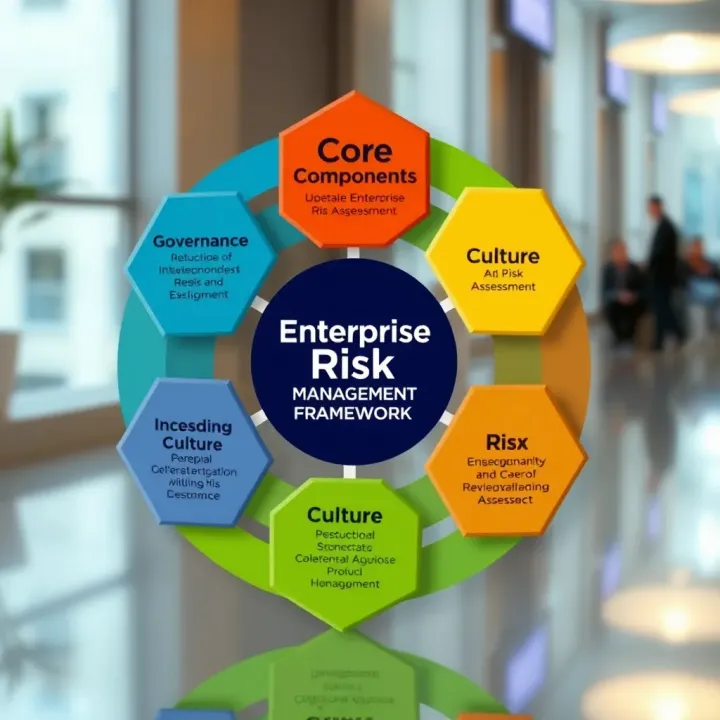
Explore how enterprise risk management frameworks help Kenyan businesses spot and handle risks daily, focusing on culture, governance, and key steps 🛡️📊

Explore practical financial risk management tips 📊 for Kenya's professionals. Learn to identify, measure & reduce risks using key tools & PDFs.
Based on 15 reviews