

Understanding Bot Binary: Uses and Security Risks
Explore bot binary 🖥️: how it works, use in cybersecurity 🔒 & automation 🤖, risks ⚠️, detection 🕵️♂️, and ways to protect your systems safely.
Edited By
Thomas Walker
Risk is an unavoidable part of any business, whether it's a small duka in Kangemi or a large firm in Nairobi's Westlands. Understanding the different types of risks helps traders, investors, and finance professionals make better decisions and protect their assets.
To keep it straightforward, risks generally fall into several main categories that Kenyan businesses frequently face. Knowing these categories clearly saves you from nasty surprises down the road.
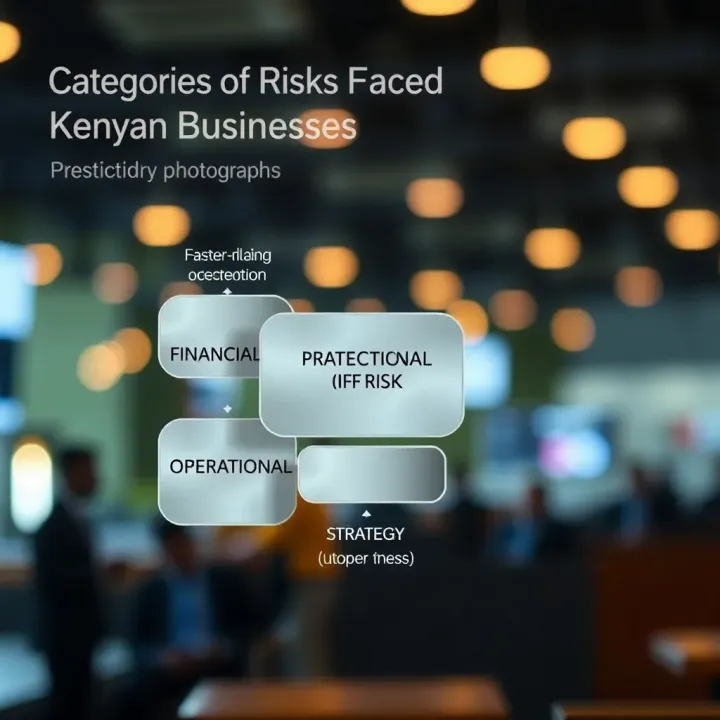
Financial risk involves anything that can affect a company’s money directly. For example, a farmer relying on loans from local SACCOs may face repayment challenges if the market price for maize drops sharply. Currency fluctuations also matter; businesses importing goods face exchange rate risks between the Kenyan shilling and US dollar.
This type covers risks that come from day-to-day business activities. For example, a matatu operator might be affected by vehicle breakdowns or road closures. For a retailer like Naivas, supply chain disruptions—say a delayed delivery of fresh produce—can halt sales and spoil goods.
Strategic risks arise from business direction decisions. If a Nairobi-based tech startup invests heavily in services that turn out unpopular, it risks losing market relevance. In Kenya, shifts in consumer trends or government policy changes (such as new taxes on mobile money) can be strategic hurdles.
These risks stem from failing to meet laws or regulations. A bank not abiding by Central Bank of Kenya rules on anti-money laundering faces hefty fines. For smaller businesses like bars, non-compliance with health and safety standards may result in licence suspension.
Reputation can make or break a business. A bad review about service at a hair salon in Kisumu or news of poor worker treatment at a Nairobi factory can spread fast and affect customer loyalty. In today’s social media age, reputational risks require constant attention.
Being proactive in recognising and managing these risk types helps Kenyan businesses safeguard their resources, avoid losses, and seize opportunities confidently.
Understanding these risk categories is the first step; the next involves practical measures for identifying, assessing, and controlling risks effectively, which we'll cover in the following sections.
Understanding what risk means in management helps organisations identify potential threats before they escalate into serious problems. In Kenyan businesses, risk isn’t just something to fear but a factor to manage smartly. Whether a trader facing fluctuating forex rates or a manufacturing firm dealing with supply delays, recognising risks early aids in better decision-making and resource allocation.
Risk, in the context of an organisation, refers to any uncertainty that can affect its ability to meet objectives. These uncertainties can be financial, operational, strategic, or reputational. For example, a Nairobi-based export company might face the risk of market demand dropping due to changes in regional trade agreements within the East African Community (EAC). By identifying such risks, the company can create strategies to reduce potential losses.
Organisations differ in how they perceive risk depending on their size, sector, and goals. A small jua kali artisan may see risks mainly as equipment failure or customer loss, while a large bank views risks in terms of credit defaults and regulatory compliance. This perspective shapes how risks are prioritised and managed.
Risk management is the structured approach organisations use to handle uncertainties. It involves identifying, analysing, and responding to risks to minimise harm and seize opportunities. In Kenya, many firms integrate risk management into their everyday operations, especially with challenges like volatile currency exchange, unreliable power supply, and changing political landscapes.
A clear risk management process allows firms to avoid surprises. For instance, an investor monitoring NSE stocks will use risk management to balance their portfolio, reducing exposure to sectors prone to economic downturns. Likewise, a business that uses M-Pesa for payments will consider system downtime risks and have backup payment methods.
Good risk management helps organisations survive tough times and thrive in unpredictable environments.
Effective risk management also supports compliance with Kenyan regulations, protecting firms from penalties or reputational damage. It empowers leaders to make informed choices, safeguard assets, and plan for future challenges.
In summary, defining risk within management is about understanding what uncertainties might impact an organisation and preparing systematically to manage those risks. This clarity forms the foundation for all subsequent risk strategies.
Financial risks play a major role in shaping the stability and growth of businesses in Kenya. These risks arise from factors directly affecting a company’s financial performance, such as changes in markets, credit access, and cash flow management. Ignoring financial risks can lead to losses, damaged creditworthiness, or even business collapse. Therefore, understanding these risks helps traders, investors, and finance professionals protect their investments and make informed decisions.
Kenyan businesses, especially small and medium enterprises (SMEs), experience financial risks intensely due to fluctuating currency values, local market unpredictability, and limited access to affordable credit. For example, a small exporter in Mombasa may suffer losses if the Kenyan shilling weakens suddenly against the dollar, impacting the cost of imported inputs and reducing profit margins. Recognising specific financial risks allows these businesses to plan better and secure appropriate hedging or financing options.

Market risk involves the chance of financial loss due to changes in market prices and conditions. These can include shifts in interest rates, foreign exchange rates, or commodity prices. For instance, a Kenyan tea farmer might face market risk if global tea prices drop unexpectedly, reducing export earnings. Traders and investors must continuously monitor these shifts to adjust their portfolios or contracts.
Credit risk, on the other hand, is the possibility that borrowers or counterparties fail to meet their payment obligations. Kenyan banks and microfinance institutions often assess credit risk carefully before lending, but many SMEs still face challenges due to lack of collateral or credit history. For example, a retailer in Nairobi who extends credit to customers without proper vetting can struggle to recover funds when customers default, affecting cash flow and operational continuity.
Managing market and credit risks involves thorough analysis, use of credit checks, and sometimes engagement with credit bureaus like CRB Africa to judge the reliability of clients before offering credit.
Liquidity risk refers to the risk that a business won’t have enough cash or easily convertible assets to meet its short-term financial obligations. This is common among Kenyan businesses that rely heavily on cash flow cycles, such as wholesalers or manufacturing companies. A typical scenario is a company that has large receivables but must pay suppliers promptly; any delay in payment from clients can cause cash shortages.
During election seasons or periods of economic uncertainty, liquidity risk often spikes in Kenya. For example, many SMEs faced cash flow disruption around the 2022 general elections due to slowed consumer spending. To manage liquidity risk, businesses should maintain cash reserves, diversify income streams, and closely track payment schedules.
Financial risks include market fluctuations, credit challenges, and liquidity shortages.
Kenyan businesses face unique challenges such as currency volatility and limited credit access.
Tools such as credit checks, diversified financing, and cash flow management are critical in handling these risks.
Understanding and managing financial risks is essential for maintaining business health and growth, especially in the dynamic Kenyan economic environment.
Operational risks refer to potential losses that come from failures in day-to-day business processes, human mistakes, or technology breakdowns. These risks matter especially because they can disrupt the normal flow of work, leading to financial loss, damaged reputation, or regulatory fines. Kenyan businesses—whether a jua kali workshop or a financial institution—face these challenges regularly and must manage them carefully to stay afloat.
Process failures and human errors are among the most common operational risks. They often result from weak internal controls, unclear procedures, or staff fatigue. For instance, a commercial bank branch in Nairobi may experience losses if tellers input wrong numbers during cash handling, or if loan approvals skip necessary checks due to staff shortcuts. Similarly, in manufacturing, a poorly maintained conveyor belt could cause production delays.
Training plays a vital role in minimising these errors. Companies that regularly update their staff on protocols and encourage double-checking tend to catch mistakes earlier. Additionally, establishing clear workflows and audits ensures that any process weaknesses get identified before they lead to bigger problems. For example, Safaricom, Kenya’s leading telecom, places strong emphasis on routine staff training and cross-check mechanisms to avoid costly operational hiccups.
Technology risks have grown, especially with Kenya’s leap into digital solutions such as mobile banking and cloud computing. These risks include system outages, cyberattacks, and software glitches. In Kenya’s financial sector, a system downtime at M-Pesa could halt millions of daily transactions, affecting businesses and consumers alike.
Cybersecurity is also a key concern. Phishing scams and malware attacks target banks and fintech firms, risking client data and trust. The recent reports of increased cyber fraud incidents by Kenya’s Central Bank highlight this risk in sharp terms.
Mitigation involves investments in reliable IT infrastructure, regular software updates, and employee awareness about cyber threats. It’s also wise to have contingency plans, like backup servers or manual transaction options, to keep critical operations running if technology fails.
Operational risks are not just technical glitches or mistakes—they represent daily hurdles that can escalate into serious threats if left unchecked.
Understanding operational risks helps Kenyan traders, investors, and analysts anticipate potential stops on business flow. It’s about knowing where things might break down in everyday activities and tackling those weak spots before they cause damage.
Strategic and business risks deal with the uncertainties that arise from a company’s long-term plans and market position. These risks can influence the overall direction of a business, affecting growth prospects and competitiveness. Understanding these risks allows traders, investors, and finance professionals to make informed decisions, anticipate shifts, and avoid costly mistakes that could jeopardise an organisation’s future.
Market risks come from shifts in customer demands, new entrants, or changes in the economic landscape. For instance, a Kenyan textile company might suddenly face stiff competition from cheaper imports flooding the market, forcing it to rethink pricing strategies or product quality. Similarly, changes in global supply chains, like delays at Mombasa port, can affect product availability and raise costs.
A clear example is the rise of mobile money platforms like M-Pesa disrupting traditional banking. Businesses that ignored this shift lost out on customer engagement and payment efficiency. Keeping an eye on competitors, emerging technologies, and consumer trends helps manage these market risks effectively.
Poor planning or flawed decisions can lead to wasted resources and missed opportunities. For example, a growing Kenyan MSME (micro, small, and medium enterprise) might spend heavily on expansion without verifying market demand or ensuring sufficient cash flow, leading to financial strain. Similarly, over-reliance on a single supplier or client increases vulnerability.
To avoid such pitfalls, businesses should adopt a disciplined approach to risk assessment while planning. This includes robust scenario analysis, budgeting for contingencies, and regularly reviewing strategies against real-world outcomes. Consultation with financial analysts or market experts provides an external perspective that helps fine-tune decisions.
Strategic and business risks are about seeing beyond today’s problems to understand how tomorrow’s market and business choices shape organisational survival.
Key points to remember:
Monitor market trends and competitor moves closely.
Test business plans with realistic assumptions and flexibility.
Diversify suppliers and client portfolios to reduce concentrated risks.
Use risk analysis tools to evaluate the impact of strategic decisions.
Kenyan traders and investors who grasp these risks can better navigate uncertainties and spot opportunities, especially in fast-changing sectors like fintech, agriculture, and manufacturing.
Compliance and legal risks involve the dangers an organisation faces when it fails to follow laws, regulations, or industry standards. In Kenya's fast-changing business environment, paying attention to compliance is vital for any trader, investor, or finance analyst. These risks can affect a company's operations, reputation, and profitability directly. For example, a financial firm ignoring Capital Markets Authority (CMA) rules may face fines or suspension, impacting investor confidence.
Kenyan businesses must adhere to various regulations, from tax obligations with the Kenya Revenue Authority (KRA) to industry-specific licences and health standards. For instance, importers must comply with Kenya Bureau of Standards (KEBS) requirements to avoid product rejections or delays at the port. In finance, adhering to anti-money laundering (AML) laws is critical to maintain access to banking services.
Staying updated on regulatory changes is key. Regulations can differ across counties and sectors, so companies should maintain a compliance calendar to manage deadlines for filings, renewals, and reporting.
Practical measures include leveraging the eCitizen portal for licences and returns, and conducting regular internal audits to identify gaps before regulators do. Training staff on compliance responsibilities ensures operations align with legal expectations.
Failing to comply with laws has immediate and long-term effects. Penalties can range from fines of thousands of Kenyan shillings to criminal charges against key personnel. For example, firms that do not remit employee NSSF (National Social Security Fund) contributions risk hefty interest penalties and legal action from employees.
Non-compliance can also lead to:
Suspension or withdrawal of operational licences
Loss of contracts, especially in government tenders
Damage to reputation, reducing customer trust
Increased scrutiny from regulators leading to more frequent audits
Consider a Kenyan bank that failed to meet Central Bank of Kenya (CBK)'s capital requirements. Apart from facing fines, the bank experienced a slump in shares on the Nairobi Securities Exchange (NSE) because investors viewed it as risky.
Effective compliance management helps mitigate these risks and fosters smoother business growth. It also builds confidence among clients, partners, and investors who value transparent and law-abiding operations.
In summary, understanding Kenyan regulations and the cost of ignoring them equips businesses to manage compliance risks better. For anyone involved in trading, investing, or finance analysis, recognising the legal landscape is essential to protect your investments and operations.
Reputational risk involves the potential loss a business faces when its public image suffers damage. For traders, investors, and brokers in Kenya, reputation matters because it directly affects customer trust, brand value, and even access to capital. A single misstep—such as poor customer service, unethical behaviour, or product failures—can cause long-term harm, sometimes costing millions in lost business or legal fees.
Managing reputational risk is especially relevant for Kenyan firms competing in a market where social media and word-of-mouth spread information quickly. Businesses that ignore public perception risk losing loyal clients and may struggle to build partnerships or attract investments. Therefore, understanding how reputation ties into risk management helps organisations safeguard their livelihood and maintain steady growth.
Building and maintaining public trust requires transparent communication and consistent delivery on promises. For example, firms in Kenya’s banking sector, like Equity Bank and KCB, openly communicate changes in service charges and handle complaints efficiently to preserve customer confidence. Failure to do so could spark distrust and customer churn.
Active monitoring of public sentiment through social media and customer feedback enables early detection of potential reputational threats. When issues arise, swift and honest responses can turn challenges into opportunities to reinforce integrity. Similarly, companies should invest in staff training to ensure employees represent the business ethically and professionally.
Trust is not built overnight but can be shattered swiftly. Businesses that regularly engage with their community and demonstrate accountability tend to earn reputations that withstand crises and support long-term stability.
Several Kenyan firms have faced reputational risks in recent years. For instance, during the 2019 Safaricom M-Pesa outage, many customers were left frustrated, and the telecom giant had to act fast to restore services and communicate transparently to maintain goodwill. Another example is the sugar industry, which has faced criticism over alleged corruption and poor product quality, damaging public perception.
In the hospitality sector, cases of poor hygiene or service complaints spread quickly on review platforms, affecting business overnight. Jumia Kenya also witnessed reputational risk concerns when fake products were sold on its platform, prompting calls for better quality control.
Reputation shapes how your business is perceived by customers, investors, and partners—handle it with care to avoid costly fallout.
Ultimately, recognising reputational risks and actively managing public trust can protect a business in Kenya’s competitive environment, helping safeguard profits and market position.
Explore bot binary 🖥️: how it works, use in cybersecurity 🔒 & automation 🤖, risks ⚠️, detection 🕵️♂️, and ways to protect your systems safely.

Explore how binary multiplication works differently from decimal, discover key algorithms, and see its vital role in computing and digital electronics 💻⚙️

Explore how binary code powers digital devices 💻, its history 📜, role in computing 🖥️, and impact on everyday tech use 🔧 for Kenya and beyond.

Learn how to convert decimal numbers to binary with clear steps, practical examples, and tips to avoid common mistakes 👨💻📊 Perfect for learners & pros!
Based on 12 reviews