

Binary Options Trading in Kenya: A Complete Guide
Explore binary options trading in Kenya 📈. Learn market basics, legal rules, broker tips, strategies, risks & financial management to trade smarter.
Edited By
Oliver Bennett
TradingView has become a trusted tool for traders worldwide, and Kenyan binary options traders stand to benefit significantly by integrating its charting features into their trading routine. Unlike traditional chart platforms, TradingView offers real-time updates, a wide array of technical indicators, and smooth, intuitive interfaces that can help you make sharper, faster trading decisions.
Binary options trading relies heavily on timing and market insight. Using TradingView, you can track price patterns and market trends with clarity, reducing guesswork. For example, spotting candlestick formations or confirming support and resistance levels on TradingView charts can guide whether to place a call (bet the price will rise) or put (bet it will fall).
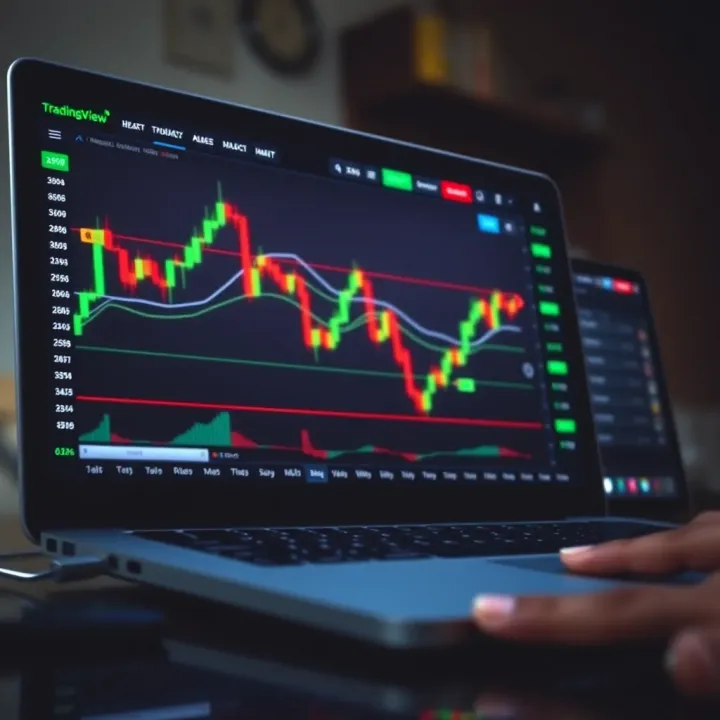
Moreover, TradingView supports custom alert systems. You can set alerts for specific price movements or indicator signals, making it easier to act promptly without constantly watching screens, which is crucial during Kenya’s busy workdays or for traders moving around Nairobi's hustle.
Kenyan traders and developers should focus on seamless data integration. Many binary options platforms accept TradingView widgets or APIs, enabling you to embed charts directly or pull market data for automated decision-making. This setup reduces delays in information flow, which often cost money in fast markets.
By merging TradingView’s dynamic charts with your binary options platform, you gain an edge built on data precision and timely action.
To get started, ensure your internet connection is stable since TradingView’s real-time feed needs consistent bandwidth. Use browser or desktop apps from TradingView that fit your device preferences.
Some practical tips to keep in mind:
Experiment with different chart intervals—from 1-minute to 15-minute—to see what matches your trading style best.
Use popular indicators like RSI (Relative Strength Index) or Bollinger Bands to spot overbought or oversold conditions.
Combine chart insights with Kenyan market events, such as CBK announcements or NSE trends, to predict sudden volatility.
Remember, TradingView is a tool to support your decisions—it doesn't replace your trading strategy but sharpens it. Starting with small trades while getting familiar with the platform safeguards your capital as you learn.
In short, implementing TradingView is about blending robust data visuals with the fast-paced binary options market, equipping Kenyan traders with clearer foresight and control.
TradingView has become a go-to for traders worldwide, including those in Kenya who focus on binary options. It's not just a charting platform but a toolbox that gives you clear visual insight into price movements. For binary options traders, who rely on predicting short-term price actions, TradingView offers crisp charts and tools that help identify entry and exit points fast.
TradingView delivers a vast range of chart types – candlesticks, bars, line charts – all customizable to suit different trading preferences. You can easily adjust timeframes from seconds to months, which is key for binary options as traders often work with very short intervals, like 1-minute or 5-minute charts. Indicators, such as moving averages, RSI (Relative Strength Index), and Bollinger Bands, come built-in. These help traders gauge momentum or volatility, offering signals that can be vital in timing trades.
One of TradingView’s stand-out features is its active community of traders who publish analyses and strategies openly. This social aspect allows binary options traders to follow others, compare trading ideas, and even pick up tips suited to specific assets like forex pairs or indices popular in Kenya. For example, a trader might follow a Kenyan expert sharing insights on currency movement influenced by CBK's monetary policy. This crowd wisdom adds an extra layer of information that can complement one’s own strategy.
TradingView covers a wide array of markets including forex, commodities, stocks, and cryptocurrencies. Many Kenyan traders dealing with binary options find this useful because it presents real-time data feeds for global and regional assets. It also accounts for different market hours, which helps avoid trading during thin liquidity periods. Suppose you want to trade binary options on the Nairobi Securities Exchange (NSE) index; TradingView provides relevant price data aligned with NSE timings, ensuring your decisions are based on current market conditions.
Good visualisation means you see past price trends and current momentum clearly, which is vital for binary options that thrive on timing. TradingView’s clean interface makes spotting patterns like double tops, head and shoulders, or sudden rallies straightforward. Picture a trader noticing a sudden spike in the EUR/USD pair on a 5-minute candle – catching this early can influence a timely bet on the next short-term move.
What sets TradingView apart is the ability to create and modify indicators using Pine Script, its proprietary coding language. This lets you tailor indicators to fit binary trading specifics, such as setting particular thresholds on oscillators for entry signals or tweaking moving averages to match short expiry times. Kenyan traders, especially those familiar with programming, can design alerts precisely when market conditions meet their binary option criteria.

Binary options trading depends heavily on timing, so real-time data is non-negotiable. TradingView offers reliable price updates and alert systems. You can set customised alerts on price levels or indicator signals and receive notifications straight to your mobile or email. For example, if a currency pair crosses a critical support on a 1-minute chart, an alert can prompt the trader to make a swift decision to buy or sell.
Accurate and timely market information combined with visual clarity and custom tools makes TradingView an essential platform for binary options traders aiming to improve their success rate in fast-moving markets.
By understanding these features and benefits, traders gain confidence in making fast, informed decisions in binary options trading, where every second counts.
Adding TradingView charts directly into binary trading platforms gives traders a clear edge. These charts bring real-time price action, technical indicators, and drawing tools right where decisions are made, helping traders spot opportunities quickly. For Kenyan binary options traders, this means sharper timing and more confident trades without jumping between apps.
Embedding TradingView charts with HTML and JavaScript is one of the fastest ways to include rich charting in your platform. The widget offers ready-made code snippets that you can plug into your website or trading app. This setup requires minimal coding skills, making it ideal for developers who want a simple yet effective charting solution. For example, a local binary options platform could add a live USD/KES price chart within minutes, enhancing user experience without heavy backend work.
Configuring chart types and timeframes is key to matching the widget to the trading style. Binary options rely heavily on short-term price movements, so traders often need 1-minute, 5-minute, or 15-minute candle charts. The widget allows easy switching between these timeframes and offers line, bar, or candle types to suit preference. This flexibility means traders can instantly tailor the chart to the asset and expiry time they are interested in.
Adding indicators and drawing tools further boosts decision-making. TradingView’s widget supports popular indicators like RSI, MACD, Bollinger Bands, and simple drawing lines or shapes. Including these tools enables traders to apply typical binary options strategies such as spotting overbought/oversold levels or trend breaks directly on the chart. Kenyan traders familiar with technical analysis will appreciate having these aids directly integrated.
For platforms wanting deeper control, TradingView's REST and WebSocket APIs provide powerful options. These APIs let developers pull raw price data, subscribe to real-time updates, and send trading signals without depending on embedded widgets. In Kenya, where internet connectivity may fluctuate, using WebSocket APIs helps maintain up-to-date charts even during unstable connections.
Synchronising trading signals with the platform backend is crucial for smooth automation. When a custom indicator triggers a buy or sell signal via TradingView, the platform can receive this info instantly through APIs and execute or suggest trades. This level of integration moves beyond manual spotting to partially or fully automated trading workflows, reducing human error and reaction lag.
Handling data latency and updates is a practical concern, especially with fast binary options expiry times. Platforms need to manage how quickly price ticks and signals are reflected on screen and backend. Techniques like using local cache servers or content delivery networks (CDNs) placed closer to Kenyan users can cut delays. Monitoring data flow and syncing intervals ensures the charts and trade engine stay in close step, preventing guesses based on outdated info.
Integrating TradingView charts directly into binary trading platforms bridges the gap between analysis and execution, essential for capturing fleeting opportunities in binary options.
By combining quick widget embeds with advanced API-driven backends, Kenyan binary options platforms can offer both ease of use and customised precision, giving traders tools they trust to make timely decisions.
Connecting accurate market data is the backbone of successful binary options trading. Reliable data ensures that the signals traders rely on reflect real market conditions, helping them make timely and informed decisions. Without fresh and dependable data, even the best trading charts and indicators can mislead, resulting in poor trades and losses.
When integrating market data with TradingView, it's vital to choose sources compatible with its platform. TradingView supports popular global data feeds from exchanges like the Nairobi Securities Exchange (NSE), New York Stock Exchange (NYSE), and currency pairs from recognised forex providers. This compatibility allows seamless integration, ensuring that price updates and historical data are correctly displayed on charts without continuous manual intervention.
Data freshness and integrity directly affect the quality of binary options signals. Inaccurate or delayed data can cause traders to react late, missing profitable opportunities or making wrong predictions. For instance, Kenyan traders relying on currency pairs must have data that updates almost instantly to reflect fluctuations caused by local economic announcements or CBK policy changes. Regular checks on data timestamps and source reputability are practical ways to maintain data integrity.
Local and international market coverage is another key consideration. Since binary options often cover assets ranging from stocks to commodities and currencies, traders need a broad data set that includes both local securities like Safaricom shares and international assets such as Brent crude oil or the US dollar currency index. Access to diverse markets widens trading opportunities and allows strategies that respond to global events as well as Kenyan specific developments.
Custom data feeds integration means feeding your chosen data source into TradingView in a way that suits your trading platform’s architecture. This could involve API feeds directly from data providers or via intermediaries that reformat and clean data streams before sending them on. For example, a binary options broker might use a dedicated server to collect data from NSE and currency markets, then push the relevant information to TradingView for real-time charting.
Managing different asset classes requires handling various data types and formats. Stocks, forex pairs, commodities, and indices each have unique trading hours, pricing increments, and volatility patterns. TradingView’s flexible framework allows these to be incorporated alongside one another, so traders can easily switch focus between assets without losing data accuracy or chart continuity.
Dealing with market hours and holidays is crucial to avoid trading during inactive periods, which can cause misleading signals. Kenyan markets observe holidays like Madaraka Day or Mashujaa Day, which affect liquidity and price movement. TradingView charts can be configured to display such periods clearly, helping traders avoid placing trades based on stale or thinly traded data. Additionally, international holidays such as the US Independence Day also influence global markets and should be factored into data feed management.
Providing accurate and timely market data into TradingView charts is fundamental for binary options trading. The better the data quality and integration, the sharper your trading signals and outcomes.
In Kenya’s evolving trading scene, tapping into both local and global data sources with a clear strategy to feed and manage this data within TradingView offers a real advantage to binary options traders aiming to maximise profits with precision and confidence.
When it comes to binary options trading, tailoring TradingView's features to fit your strategy can make a big difference. The platform offers a range of tools that, when optimised, give traders clearer insights and faster reactions to market movements. This section explores how custom indicators and alert systems can enhance your trading approach effectively.
Creating Pine Script indicators allows traders to build tailor-made tools that match their specific binary trading strategies. Pine Script, TradingView's own scripting language, is accessible even for those new to coding. For example, you might write an indicator that highlights sudden price reversals within the short expiry periods typical of binary options. By programming these nuances, you stay ahead with early signals rather than relying on generic indicators.
Popular indicators for binary options often include the Relative Strength Index (RSI), Bollinger Bands, and Moving Average Convergence Divergence (MACD). These help identify overbought or oversold conditions, volatility spikes, and momentum shifts—key factors when deciding the direction of a binary trade. Traders often combine these with custom thresholds suited to the quick, high-risk environment of binary options, sharpening entry and exit points.
Backtesting your strategies on TradingView helps you understand how your custom indicators would have performed historically. It can reveal weak spots and strengths in your approach without risking actual capital. For instance, you could simulate a binary options trade triggered by your Pine Script indicator over the past three months. This practice informs whether tweaks are needed before live use, saving time and resources.
Configuring price and indicator alerts in TradingView ensures you don't miss critical market movements. You can set alerts for specific price levels or indicator conditions—like RSI crossing above 70—which signal potential trade opportunities. This is especially useful because binary options often require swift decisions within tight timeframes.
Receiving timely signals via email or push notifications on your mobile means you stay connected even when away from your trading desk. In Kenya, where many traders rely on mobile devices, this feature is essential. Whether you're waiting in a matatu or at a duka, you can react promptly, improving your chances of executing profitable trades.
Integrating alerts with mobile apps brings convenience and flexibility. TradingView's native app supports push notifications, but you can also link alerts to third-party apps or messaging platforms for personalised updates. This integration means you can customise how and when you receive your trading signals, avoiding overload while staying informed of important market changes.
Leveraging TradingView’s custom indicators and alert features strategically empowers Kenyan binary traders to act swiftly and smartly, aligning trade decisions with real-time market data.
Optimising these features requires patience and continuous refinement, but the payoff is a more responsive and informed trading experience in the fast-paced world of binary options.
Integrating TradingView into binary options trading platforms comes with several practical challenges and considerations. Addressing these early on can improve the reliability and efficiency of the trading experience. For Kenyan traders and developers, knowing how to spot and handle delays, synchronisation faults, and security concerns is critical. This section focuses on real issues that can affect decision-making and how to mitigate them.
Latency monitoring tools are essential for spotting delays between live market moves and chart updates. In binary options trading, even a few seconds of lag can lead to missed opportunities or poor trade entries. Practical tools track the time difference between data feed arrival and display, alerting platform operators when latency exceeds safe thresholds. For example, a trading platform in Nairobi may use monitoring software to ensure data from NASDAQ or Nairobi Securities Exchange (NSE) reflects instantly.
Using local servers or content delivery networks (CDNs) reduces delays by bringing data physically closer to traders. Since most TradingView data feeds originate from overseas data centres, Kenyan platforms benefit either by hosting intermediary servers locally or subscribing to regional CDNs. This step minimises the round-trip time for data packets and cuts bottlenecks from slow international connections. Local servers also enable faster synchronisation with Kenyan internet service providers.
Handling internet connectivity in Kenya remains a practical challenge due to occasional outages and variable speeds, especially outside major cities like Nairobi or Mombasa. Traders relying on mobile networks such as Safaricom’s 4G or Airtel may experience jitter that affects signal reception and alert timing. Platforms can counter this with adaptive buffering, offline data caching, or by sending critical alerts through multiple channels (for instance, via both app notifications and SMS) to ensure traders don't miss out.
Data privacy is a growing concern for Kenyan traders who share personal and financial information through binary options platforms using TradingView’s tools. Developers must ensure that data handling complies with Kenya’s Data Protection Act to avoid breaches. This includes encrypting sensitive data both in transit and at rest, and limiting access only to authorised personnel. Clear privacy policies should be published to build trust.
Secure API key management prevents unauthorised access to the TradingView integration. API keys give platforms control over charting features and data, so they must be stored securely—not hardcoded in publicly accessible code. Rotating keys periodically and restricting their permissions reduces the risk of misuse, which can otherwise lead to fraudulent trades or data theft.
Adhering to regulatory frameworks involves following rules set by Kenyan bodies such as the Capital Markets Authority (CMA) and also international standards if platforms serve cross-border clients. Compliance includes verifying trader identities (KYC procedures), reporting suspicious activities to authorities, and ensuring platform operations meet prescribed financial conduct guidelines. Failure to comply can lead to heavy fines or suspension.
Practical management of data flow, strong security, and adherence to regulations make TradingView integration viable and trustworthy for Kenyan binary traders.
By recognising these daily operational challenges and addressing them with practical tools and procedures, traders and platform developers will improve accuracy, reliability, and confidence in binary options trading built around TradingView’s charting technology.
Explore binary options trading in Kenya 📈. Learn market basics, legal rules, broker tips, strategies, risks & financial management to trade smarter.
🤖 Learn how binary bots operate in binary options trading, their risks, benefits, and tips for safe use. Perfect guide for Kenyan traders seeking automated tools!
📊 Explore key differences between binary options & forex trading in Kenya! Learn their workings, risks, rewards & find the best fit for your investment goals.
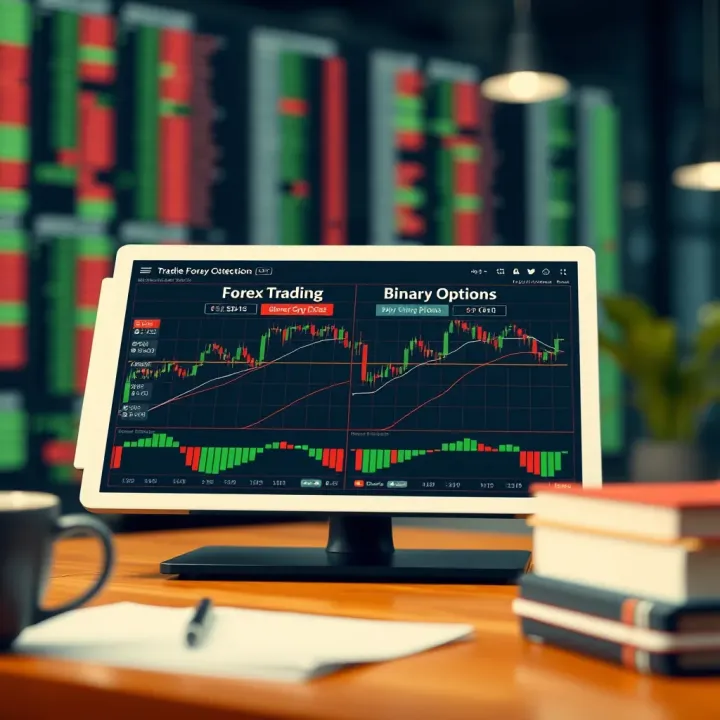
Explore key differences between Forex trading and Binary Options in Kenya. Learn how each market works, the risks involved, rewards, regulations, and strategies 📊💹
Based on 13 reviews