

Binary Trading PDF Guide for Kenyan Traders
📘 Explore binary trading with this practical PDF guide tailored for Kenyan traders. Learn key strategies, essential terms, and avoid common pitfalls today!
Edited By
Isabella King
Creating a Binary Bot PDF is a practical way to share your trading strategies clearly and professionally. Whether you are a trader, finance analyst, broker, or student, having a detailed guide in PDF format helps communicate your binary bot's mechanism effectively. This document serves not only as a reference but also as a tool to refine and improve your trading setups.
A binary bot is an automated trading programme designed to execute trades based on predefined rules. Usually built using visual scripting or simple coding, these bots reduce human error and help engage the market 24/7. For traders in Kenya, especially those keen on options trading or other short-term financial instruments, a well-documented bot ensures consistency and ease of replication.

Before starting your PDF, focus on preparation:
Understand your audience: Tailor the technical depth for your readers – beginners might need more explanations, while advanced traders prefer concise scripts and logic.
Gather all bot scripts and screenshots: Visual aids help clarify the bot’s flow and logic.
Plan the sections: Typically, a good guide covers bot overview, strategy logic, scripting details, testing results, and FAQs.
Remember, clarity is key. Use simple language to describe complex steps and avoid jargon without explanation. In the Kenyan context, mentioning tools like the Binary.com platform or MetaTrader where applicable brings relevance.
A clear PDF not only documents your work but also functions as a training asset for other traders or team members.
This section sets the stage for the entire guide, explaining why a binary bot PDF matters and what initial preparations ensure a smooth writing process. Next, we dive into scripting techniques and testing, showing practical ways to build and verify your binary bot before finalising the document.
Grasping what binary bots are and how they fit into trading and investing is key before you start creating your PDF guide. Without a clear understanding, it's easy to miss crucial points or confuse your readers. Binary bots are automated tools programmed to execute specific trading strategies on binary options platforms. They speed up decision-making and can operate 24/7 without fatigue, giving traders an edge.
A binary bot is software designed to trade binary options automatically, based on preset rules and conditions. These rules can include technical indicators, price movements, or time-based triggers. Think of it like having a diligent assistant who watches the market and makes trades on your behalf whenever conditions fit. For example, if the price of a stock rises above a moving average, the bot can place a call option automatically. The main benefit here is consistency and eliminating emotional bias.
Binary bots are popular among traders who want to automate repetitive tasks or test strategies without sitting glued to their computers. In Kenya, some traders use bots to exploit short-term price movements in currency pairs like USD/KES or popular stocks listed on the Nairobi Securities Exchange (NSE). Others employ bots for backtesting strategies using historical data before risking real money. Juggling multiple charts and signals manually is tough during a busy trading day; bots help by handling these details swiftly and accurately.
Documenting your binary bot clearly is crucial for both you and anyone who might use or modify it later. A well-written guide helps prevent misunderstandings about how the bot works, what settings to use, and the risks involved. This is especially true if you plan to share your bot within a community or with clients. Good documentation reduces errors, saves time during troubleshooting, and makes it easier to update the bot when market conditions change. For instance, including screenshots of the bot's workflow and annotated code samples can clarify complex parts for readers.
Without proper documentation, even the smartest binary bots can become mysterious black boxes, hard to trust or improve on.
In your PDF, focus on explaining what the bot does, how it makes decisions, and practical tips for managing risks. This sets a strong foundation before diving into coding or testing, ensuring your audience fully understands the tool's purpose and use.
Preparing your content carefully is key to producing a clear and useful Binary Bot PDF. This stage ensures that all information is well-organised and ready for presentation, helping your readers follow the steps without confusion. It also saves time during the actual PDF creation by avoiding last-minute scrambling.
Start by collecting all relevant data about your binary bot. This includes the trading strategy, logic behind your bot’s decision-making, key variables, and expected outcomes. Screenshots of your bot’s interface, workflow, or output charts help illustrate complex points. For example, if your bot triggers trades based on moving average crossovers, include a screenshot showing those signals on your charting platform. Practical details like sample winning and losing trades enhance credibility. Capturing this information early allows you to identify gaps in your explanation and fill them before writing.
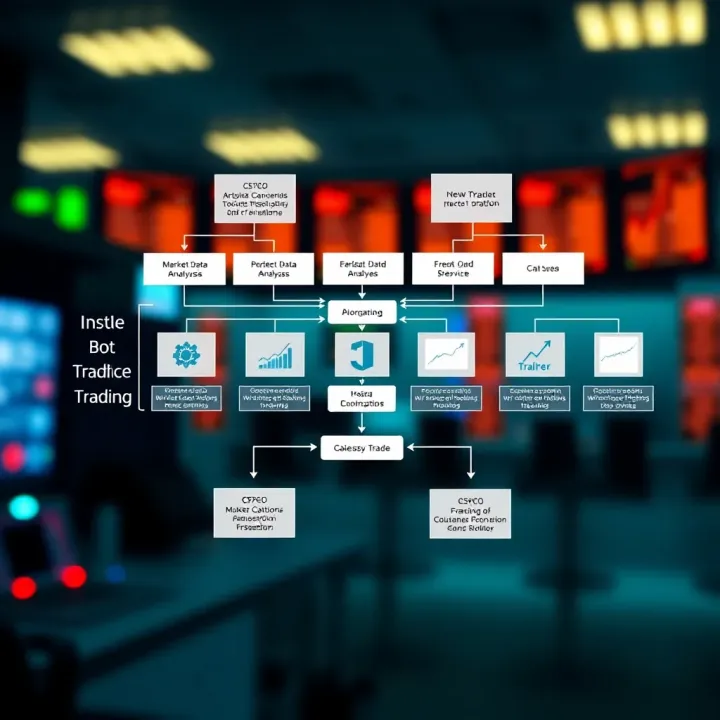
Arranging your code and the bot’s operational steps logically will make writing easier and your PDF more accessible. Break down the scripts into manageable sections—for instance, initial data input, signal generation, trade execution, and risk management. Maintain clean, commented code snippets to include in the document. Kenyan developers often use clear variable names and brief comments, which helps readers follow along. Flowcharts or diagrams outlining your bot’s stepwise process can add clarity. Organising this way means that when readers try to replicate or modify the bot, they do not get lost in a tangle of logic.
Well-prepared content acts like a solid foundation for your PDF. It ensures readers get practical, step-by-step guidance they can trust and use effectively.
Getting your content ready this way improves the quality of your Binary Bot PDF and provides a better learning experience for traders, investors, and students interested in automated trading strategies.
Creating a detailed PDF for your binary bot is not just about dumping code and screenshots; it involves clear explanation, thoughtful visual aids, and a structure that guides readers through the logic behind your bot. This section explains how to write, organise, and design your content so users—from traders to finance students—can fully grasp your binary bot's workings and apply it confidently.
Clarity is king when explaining your binary bot. Readers need to understand why certain steps or rules are in place, not just what they are. For example, instead of saying "set the trade duration to 5 seconds," explain that "short trade durations like 5 seconds help capitalise on quick market movements but require precise timing." Using simple language avoids confusion, especially for beginners. Provide context around decisions, such as why you choose particular indicators or risk management rules. That way, your guide becomes a learning tool, not just a manual.
Code snippets without comments are like maps without landmarks—they confuse more than help. When including code samples, add line-by-line comments explaining the purpose of each section. For instance, if your script includes "if RSI crosses 30," clarify it as "// This triggers a buy signal when the Relative Strength Index drops below 30, indicating oversold conditions." Comments should be concise but informative, helping users follow the logic and modify the script if needed. Highlight common pitfalls or alternatives where appropriate, so readers gain deeper insights.
Visual aids strengthen comprehension, especially for complex strategies. Including screenshots of your bot’s interface, flow diagrams of the trading logic, or charts showing how signals generate trades can make a big difference. For example, a flowchart illustrating how price movement triggers a buy or sell action can simplify concepts that lengthy text might complicate. Use arrows, callouts, and labels to draw attention to key parts. Remember, many readers respond better to visuals than to text-heavy explanations.
The order in which you present information affects how well readers absorb it. Start with basic concepts, then gradually introduce more complex ideas. For example, begin with an overview of the bot’s purpose, move to setup instructions, then explain the trading signals and code structure, followed by testing and optimisation tips. Use clear headings and subheadings to break content into manageable chunks. This logical progression ensures readers build knowledge steadily without getting overwhelmed.
A well-structured, clearly explained Binary Bot PDF saves users time and prevents costly mistakes, enhancing trust and usability.
By giving attention to clear explanations, thorough code annotation, engaging visuals, and logical sequencing, your PDF guide will stand out as a practical, easy-to-use resource for anyone wanting to understand or use your binary bot effectively.
Before you hit the export button, reviewing, testing, and finalising your Binary Bot PDF is the step that separates a good guide from a great one. This phase ensures your document is clear, error-free, and truly useful to your readers. Poor clarity or inaccuracies can undermine the trust of traders or analysts who want to rely on your PDF to understand or implement a binary bot strategy.
Accuracy in all details—code snippets, screenshots, and explanations—is vital. Imagine a trader following your instructions, only to find the bot doesn’t behave as described because of a wrong parameter or missing step. Review every piece of information to confirm it matches your tested bot and strategy. Clarity matters just as much. Use simple language and straightforward instructions so both beginners and experienced users can grasp your points. Avoid jargon unless you explain it well. For example, when describing conditional blocks in your bot’s logic, be specific about what triggers each condition and the expected outcome.
One useful technique is reading the PDF aloud or asking a colleague to review it. They might spot unclear phrases or missing steps you overlooked.
Your PDF shouldn’t just be theory, it must be backed by actual tests. Run the binary bot strategy exactly as you’ve documented it, preferably in a demo environment. Does it perform as expected? Are all variables and indicators working correctly? Testing also helps catch mistakes in your instructions or fixes to the strategy that you hadn’t considered initially.
For instance, if your strategy depends on specific timeframe data or asset types, verify the PDF specifies this clearly. Testing reveals these important caveats so users avoid confusion or potential losses.
Once you’ve reviewed and tested, use that feedback to polish the PDF. Fix typos, simplify complex sentences, and improve image quality. You might find a screenshot doesn’t match the latest bot interface—update it. Perhaps the flow of topics could be rearranged for better understanding. Adjustments don’t end with content; check the PDF formatting too. Make sure headings stand out, bullet points are consistent, and the file size is manageable for easy sharing over platforms like email or WhatsApp.
A final thorough check might take some extra time but saves a lot of hassle later by building confidence in your PDF as a reliable guide.
In summary, reviewing, testing, and finalising your Binary Bot PDF is about quality assurance. This step transforms your work from a rough draft to a professional resource that traders and analysts in Kenya — and beyond — can count on to tailor and deploy binary bots confidently.
Sharing your Binary Bot PDF effectively ensures that your strategies and instructions reach the right audience, whether they are traders, investors, or finance students. This step increases the utility of your work and builds credibility, especially when your documentation is clear and accessible. Equally, keeping the PDF updated maintains its relevance as markets and technology evolve, while seeking feedback helps refine future versions.
Before sharing your PDF, consider where your target audience most often accesses information. For example, many Kenyan traders and investors frequent finance forums, WhatsApp groups, and platforms like Telegram. Sharing your PDF through these channels ensures it lands in the right hands quickly. Additionally, uploading the file on cloud services like Google Drive or Dropbox lets you share a simple link via email or social media, offering easy access without overcrowding someone's inbox.
For more formal sharing, consider distributing the PDF through professional networks such as LinkedIn, or on educational platforms if your audience includes students. If you want to reach local jua kali developers or coding clubs, printed copies at workshops or financial literacy seminars can help. Remember to optimise the PDF size for both fast downloads and clear readability, keeping mobile users in mind considering Kenya's widespread use of smartphones.
Markets and bot platforms change rapidly, so your PDF should not be a one-off document. When new bot features or trading rules emerge, update your PDF to reflect these changes. This keeps your guide practical and trustworthy. For instance, if the Binary Bot platform introduces a new block or function, revise your code samples and explanations accordingly.
Set a routine to review the document every few months, or right after major updates. Keep version histories so readers can track what’s new. While at it, fix any discovered typos, incorrect data, or unclear instructions. Updating also helps you stay ahead in the Kenyan trading community, where timely and accurate information can mean the difference between profit and loss.
Actively seeking feedback from your readers helps you polish the PDF and adapt it to real-world uses. Share the document with a small test group first, including experienced traders, beginners, or even instructors. Ask specific questions like whether the instructions were clear, if the examples made sense, or what was missing.
Use surveys or simple message follow-ups through WhatsApp or email. Local groups can be quite candid and offer valuable insights you might miss alone. This approach not only improves your current guide but establishes a community around your work. When readers see their feedback is valued and acted upon, they are more likely to share your PDF with others and come back for updated editions.
Sharing and updating your Binary Bot PDF is not a one-time effort but a continuous process that ensures your work remains useful and relevant in Kenya’s dynamic financial landscape.
By choosing the right channels to share, regularly updating content, and embracing feedback, your Binary Bot PDF becomes a dependable resource for traders, investors, and students alike.
📘 Explore binary trading with this practical PDF guide tailored for Kenyan traders. Learn key strategies, essential terms, and avoid common pitfalls today!
Explore binary bots 📊: learn design, function, pros-cons, and find reliable PDFs 📄 for automated trading. Ideal for traders & developers in Kenya.

📊 Explore how binary trading works in Kenya, legal tips, risks, top platforms 🇰🇪 and practical strategies for safe, effective trading today!

📊 Understand binary trading in Kenya with this practical guide! Explore key strategies, risks, platforms, and regulations to trade confidently.
Based on 8 reviews