

Forex Trading Basics for Kenyan Traders
Learn forex trading in Kenya 🌍 with a practical guide covering market basics, key terms, strategies, risk management, and local regulations to trade confidently.
Edited By
Isabella Hughes
Forex trading has caught the eye of many in Kenya as a lucrative way to grow wealth. However, making consistent profits demands more than luck; you need solid knowledge, clear strategies, and disciplined execution. That's where a good forex trading course comes in handy.
Choosing the right course can be tricky with so many options online and offline. The goal here is to help you spot courses that not only teach you how forex markets work but also prepare you for real trading challenges, especially in the Kenyan context.
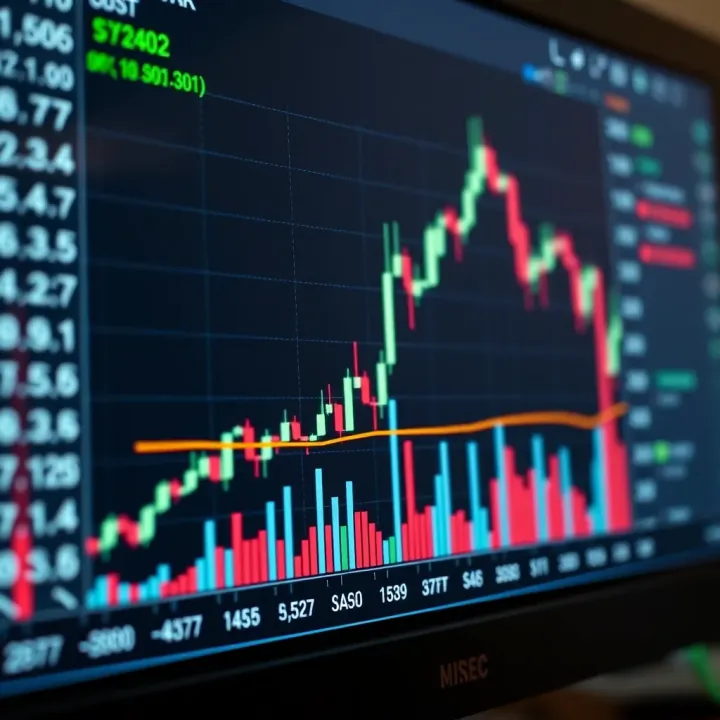
A reliable course should cover key topics such as understanding currency pairs, market analysis (both technical and fundamental), risk management, and practical trading platforms like MetaTrader. For example, Kenyan traders benefit from knowing how global events affect the KSh against the US dollar or euro, since many importers and exporters watch these trends closely.
Delivery methods matter too. Some traders prefer self-paced online modules, while others gain more from live sessions and mentorship where they can ask questions directly. The cost of such courses varies widely — from free YouTube tutorials to premium programs costing KS0,000 and above. It helps to balance price with content quality and instructor reputation.
"A good forex trading course should equip you with practical skills to trade confidently, not just theoretical jargon."
Local factors like access to reliable internet, availability of M-Pesa payment options for course fees, and regional market behaviour should also influence your decision. For instance, some courses tailor content to the East African Community (EAC) trade environment, which offers extra value.
Before enrolling, check for course reviews and whether alumni have succeeded in live trading. Remember, the right course sets the foundation, but your commitment to practise and adapt will ultimately determine success.
In the next sections, we'll break down how to evaluate course content, compare delivery options, understand costs better, and explore practical tips to apply your learning effectively in Kenya's forex market.
Taking a forex trading course in Kenya can equip you with the necessary knowledge and skills to navigate the complex foreign exchange market confidently. Understanding what to expect ensures you choose a course that matches your learning needs and practical goals. These courses usually cover foundational concepts, practical strategies, and risk management—essential for any trader aiming to succeed.
Forex trading is all about exchanging one currency for another, and currency pairs are the core element. A course will explain major pairs like USD/KES (United States Dollar to Kenyan Shilling) and how their values fluctuate. This knowledge helps you predict price movements; for instance, if the US economy shows strength, the USD may gain against the KES, offering trading opportunities.
Leverage means borrowing funds to control a larger position than your actual capital. For example, with 1:100 leverage, a KSh 1,000 deposit lets you trade as if you had KSh 100,000. While this can multiply profits, it also increases risk, making understanding margin (the minimum funds to keep a position open) vital. A good course will teach you how to use leverage smartly without exposing your account to heavy losses.
Charts plot currency price movements and reveal trends over time. Courses cover different chart types—line, bar, and candlestick charts—and indicators like Moving Averages or Relative Strength Index (RSI). Learning to read these helps you spot entry and exit points. For example, a candlestick showing a reversal pattern may hint at a profitable trade.
Courses introduce strategies like scalping (quick trades for small profits) and swing trading (holding positions for days). Each has pros and cons depending on your time and risk appetite. Understanding these allows you to pick an approach that fits your lifestyle, whether you trade during matatu rides or after work.
Managing your exit points is key. A stop-loss limits your loss by closing a trade once the price hits a certain level, protecting your capital. Take-profit locks in gains when the price reaches your target. For instance, if you buy USD/KES at 110 and set a stop-loss at 108 and take-profit at 115, the trade automatically closes at those points, controlling potential loss and securing profit.
Risk management is the bedrock of sustainable trading. Courses stress not risking more than a small fraction of your account on any trade. For example, risking 2% per trade means you keep most of your capital safe to bounce back from losses. Real-life cases from Kenyan markets often show how poor risk control wipes out accounts quickly, so mastering this is non-negotiable.
A solid forex trading course arms you with practical tools, from understanding the forex market basics to disciplined risk controls, making you better prepared to trade effectively in Kenya's dynamic environment.
Choosing the right forex trading course can make a big difference in how quickly you grasp the market's ins and outs and start seeing results. In Kenya, where forex trading is growing fast, picking a course tailored to local realities and your specific goals is very important. Whether you’re a beginner or looking to sharpen existing skills, understanding the course provider’s background, delivery mode, and flexibility is key to making the best choice.
It's wise to check what past students say about a course. Real feedback often reveals how practical and effective the training is. For example, a forex course in Nairobi with solid reviews typically offers hands-on lessons and keeps content updated with market changes. Kenyan traders often share their experiences on chat groups or review platforms, so scanning these opinions helps spot trustworthy providers.
Since forex trading is tightly linked to financial regulation, courses backed by recognised institutions or with trainers licensed by bodies like the Capital Markets Authority (CMA) add credibility. A course that mentions compliance with Kenyan laws or collaboration with licensed brokers assures you’re learning reliable methods, reducing the risk of falling for scams or outdated practices.

Some courses come from international firms offering global perspectives, useful for understanding cross-border forex markets. However, courses led by Kenyan experts often provide a clearer picture of the local trading environment, payment options like M-Pesa, and county-specific tax laws. For instance, a Kenyan trainer can explain how local economic news affects currency pairs better than a foreign trainer who might overlook this nuance.
Online classes offer convenience, especially if you have a busy schedule or live outside major towns like Nairobi or Mombasa. They let you learn at your own pace and repeat difficult lessons. On the other hand, classroom training fosters direct interaction, which some find better for asking questions and networking with fellow traders, especially in cities where face-to-face sessions are available.
Live sessions allow you to get immediate answers and feel part of a community, which is helpful when dealing with tricky topics like risk management. Recorded lessons, however, give you the freedom to learn whenever you want, which suits people juggling multiple jobs or commitments common in Kenya's hustle economy.
Price often influences the final choice. For example, an online course costing KSh 8,000 with recorded content may work better if you’re tight on time and funds. Meanwhile, a premium course offering personal mentorship and live training may cost KSh 30,000 or more but could speed up your learning curve. Think about how much time you can dedicate and what learning method helps you stick to studying, balancing both price and convenience.
Selecting the right forex trading course means assessing your learning style, budget, and whether the course content matches your trading ambitions in Kenya’s unique market.
Making an informed choice helps you learn confidently and trade smarter, not just harder.
Taking a forex trading course in Kenya means you will engage with a mix of theoretical and practical topics essential for successful trading. These courses usually focus on understanding the global forex market, mastering technical and fundamental analysis, and building practical skills like using trading platforms and planning your trades. Each area digs into details that affect how you trade and make decisions based on real market conditions.
Forex trading runs round the clock because it involves major financial centres across different time zones. Market hours and sessions refer to when these centres—such as London, New York, Tokyo, and Sydney—are open for trading. Knowing these sessions helps you decide when to be more active. For example, the overlap between London and New York sessions often sees higher trading volume and volatility, offering more opportunities for profit. In Kenya, timing your trades around these sessions can meaningfully affect your results.
Currency movements don’t happen by chance. Economic events, political developments, and market sentiment shape how currencies perform. Factors like interest rate announcements, inflation reports, or unexpected political unrest in countries with major currencies directly influence exchange rates. Kenyan traders must stay aware of global news, recognising how external factors like US Federal Reserve decisions or Eurozone economic data can ripple into the forex market.
Charts and technical indicators are tools used to study price movements and predict future trends. Tools like moving averages, RSI (Relative Strength Index), and MACD (Moving Average Convergence Divergence) help identify support and resistance levels or overbought and oversold conditions. For instance, a trader might notice the USD/KES pair bouncing off a particular level repeatedly, signalling a potential entry or exit point.
Fundamental analysis looks beyond charts, focusing on economic data and news releases. Traders watch reports such as GDP growth, employment numbers, and trade balances because these influence how strong a currency will be. A Kenyan trader could track US job data closely since it significantly impacts the dollar’s value, which in turn affects pairs like USD/KES.
Combining technical and fundamental analysis increases the chance of informed trades. For example, if technical indicators signal a potential upward trend while positive US economic data supports dollar strength, a trader can have more confidence entering a buy position. This blend reduces guesswork and sharpens decision-making.
Using trading platforms such as MetaTrader 4 or MetaTrader 5 is a core skill taught in courses. These platforms provide real-time charts, technical tools, and order execution capabilities. Kenyan traders will benefit from knowing how to set up trades, use stop-loss orders, and navigate the interface smoothly, ensuring they don’t miss market moves.
Demo accounts that simulate real trading environments are invaluable for beginners. These let you practise strategies without risking actual money. For example, you could try scalping during peak market hours to see how it works before going live. It builds your confidence and sharpens your skills without financial pressure.
Developing a trading plan is fundamental. This plan should outline your goals, strategies, risk tolerance, and daily time commitment. A clear plan prevents emotional decisions. For instance, deciding beforehand to only risk 2% of your capital per trade helps manage losses. Many Kenyan traders who stick to solid plans avoid common pitfalls like chasing losses or overtrading.
A comprehensive forex trading course equips you with both knowledge and hands-on skills to navigate the Kenyan and global markets wisely. Understanding market sessions, combining analysis methods, and practising on trading platforms are all essential steps to becoming a confident trader.
Applying the knowledge gained from a forex trading course is key to actual success in the markets. Especially for new traders in Kenya, putting theory into practice builds real skills and helps avoid costly early mistakes. This section offers practical advice on how to start trading safely, select the right broker, and continue learning with purpose.
A demo account lets you trade with virtual money on real market data. This is a great way to test strategies you learned in your forex course without putting your savings at risk. For instance, if you want to try a scalping technique, practising with a demo lets you see how quick decisions play out. It’s also possible to learn how to use trading platforms like MetaTrader without feeling pressured.
After practising in a demo account, you build confidence in your skills and decision-making. New traders often feel anxious about losing real money, but demo trading helps ease this worry. You can find out if your strategies fit your personal style and risk appetite before going live. In this way, many Kenyans avoid jumping straight into risky live trades after only theoretical learning.
Your choice of broker affects your trading safety. Always choose brokers licensed by recognised regulators like the Capital Markets Authority (CMA) in Kenya or international bodies with good reputations. This reduces the risk of fraud or poor operating standards. Licensed brokers are also more likely to follow fair trading rules and provide better support if disputes arise.
Costs vary widely between brokers: some charge high spreads but no commissions, others have tight spreads with added commissions. These fees affect your profitability, especially as a beginner trader often making smaller trades. Also, customer service matters — a responsive support team can help resolve technical issues or clarify terms quickly, which is crucial in volatile markets.
Making deposits or withdrawals through familiar services like M-Pesa saves time and prevent currency conversion hassles. Many brokers now accept M-Pesa or Kenyan bank transfers, which simplifies managing your trading funds. This convenience enables faster access to your money and supports smoother trading operations within Kenya’s digital payment ecosystem.
Writing down each trade’s details—entry point, exit point, reason for the trade, and outcome—helps you track performance over time. This habit reveals patterns in what works and what doesn't, helping you refine your strategies. Kenyan traders find that journalling fosters discipline and greater self-awareness in trading decisions.
No trader wins all the time. Mistakes and losses provide valuable lessons when reviewed carefully. For example, a wrong stop-loss setting could teach you to tighten risk control. Reflecting on errors helps new traders avoid repeating them, which overall improves results.
Connecting with local forums, WhatsApp groups, or training alumni offers encouragement, shared tips, and timely market insights grounded in Kenya’s context. These communities reduce isolation and keep motivation high. Plus, you access advice from those who understand local challenges like currency volatility or regulatory changes.
Starting small, picking the right broker, and learning continuously are not just steps; they’re survival tools for building a sustainable forex trading career in Kenya.
Understanding the costs involved in forex trading courses is essential before committing your time and money. This section breaks down typical fee structures in Kenya and helps you assess if the value matches your trading goals. Considering course prices alone might mislead you; instead, weigh them against content quality, support, and practical application.
Many beginner-friendly forex courses fall below KS0,000. These are usually online and self-paced, offering core concepts like currency pairs, leverage, and basic strategies. For example, popular digital platforms or local experts may provide introductory classes at this price, targeting new traders who want to test interest without huge upfront costs. While these courses often lack one-on-one mentorship, they can give you a solid foundation to avoid early costly mistakes.
On the opposite end, some training providers ask upwards of KS0,000 for advanced forex courses including personal mentorship and real-time trading support. Mentors guide you through market analysis, risk management, and help refine your trading plan based on local market conditions. This support can be especially useful for Kenyan traders adapting these strategies to volatile forex pairs like USD/KES or EUR/USD. Though pricier, premium courses tend to speed up learning and reduce the trial-and-error phase.
Most Kenyan forex courses accept payments via M-Pesa, making it convenient for learners from Nairobi to Kisumu. This flexibility is critical given Kenya's strong mobile money penetration. Some providers also allow bank transfers through local banks like KCB or Equity. Having these options helps learners avoid delays or foreign exchange fees that might apply during international transactions. Always confirm the payment methods to ensure smooth enrolment.
Don't pick a course solely because it is cheap or expensive. The key is matching the content depth to your skill level and how serious you are about forex trading. A basic course under KS0,000 might give you essential knowledge, but if you plan on trading actively or professionally, investing in a more comprehensive curriculum pays off. Review the syllabus to see if topics like advanced technical analysis or psychological trading techniques are covered.
Courses offering hands-on practice, such as live trading simulations or demo account work, add real value. Also, ongoing support through group chats or mentorship forums helps you stay updated and learn from mistakes. A course charging a moderate fee but including these elements often beats free resources or expensive lectures with little follow-up.
Consider the course as an investment, not just a cost. If the knowledge gained improves your trading success, even a high upfront fee becomes worthwhile. For instance, mastering risk management strategies could prevent losses of KS0,000 or more. It's helpful to set realistic goals and track your progress after completing the course to evaluate whether it delivered a positive return.
The best forex trading course for you balances affordable fees with concrete learning opportunities and practical support, especially considering the Kenyan market's unique traits.
In summary, weigh your budget against course quality thoughtfully. Don't shy from spending a bit more if the course offers mentorship or local context. Payments should be straightforward with popular options like M-Pesa, allowing you to focus on applying your new forex skills to real trading scenarios confidently.
Learn forex trading in Kenya 🌍 with a practical guide covering market basics, key terms, strategies, risk management, and local regulations to trade confidently.

📈 Explore forex trading basics, strategies, risk tips, and local insights tailored for Kenyan traders seeking smart, practical guidance in the forex market.

📈 Learn forex trading in Kenya with practical tips on local regulations, trusted platforms, smart strategies, and risk management to trade confidently and safely.

📈 Learn the basics of forex trading in Kenya 🇰🇪, pick safe platforms, manage risks, and use PDFs to grow your skills and confidence step-by-step.
Based on 12 reviews