
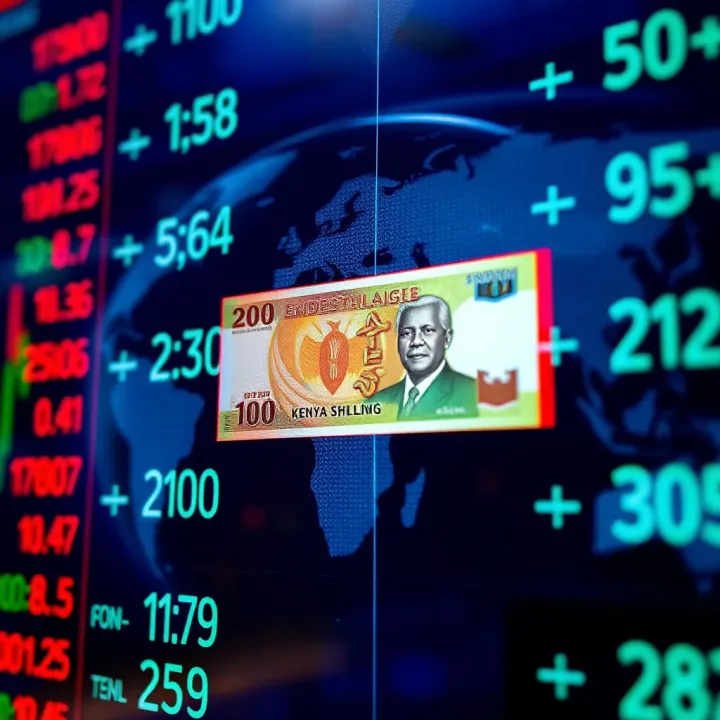
Forex Trading Basics for Kenyan Traders
Learn forex trading in Kenya 🌍 with a practical guide covering market basics, key terms, strategies, risk management, and local regulations to trade confidently.
Edited By
Thomas Morgan
Navigating the forex market can seem tough, especially for those new to trading or coming from markets like stocks or commodities. This section sets the stage by breaking down the core ideas and preparing you for practical trading with clear, accessible PDF notes.
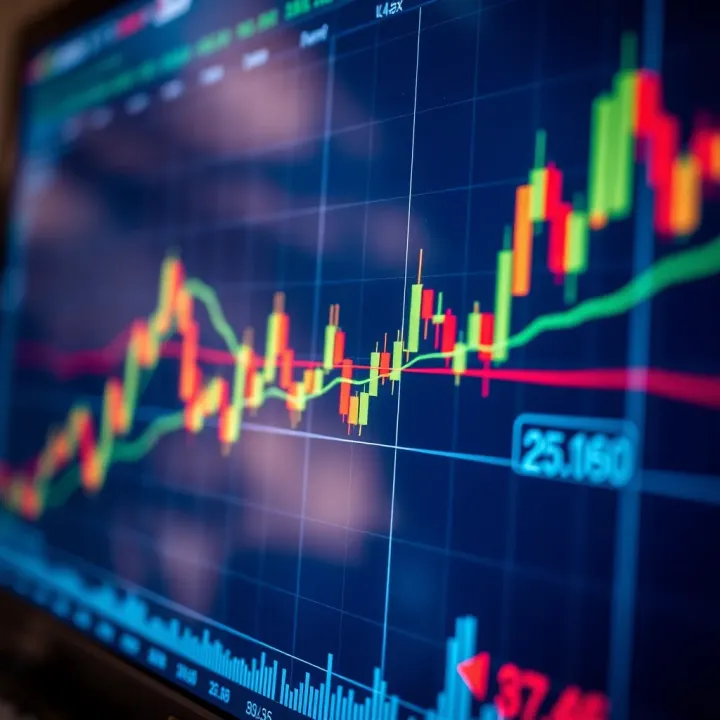
Forex trading involves buying and selling currencies on the global market. Unlike trading stocks, here, you’re dealing with currency pairs, such as USD/KES (US Dollar against Kenyan Shilling), which fluctuate based on factors like economic indicators, political events, and market sentiment.
PDF notes offer a portable, easy-to-review format to study forex essentials anytime. This format suits busy traders who want to quickly refresh on strategies or market concepts without wading through lengthy books or online articles.
Market Basics: Currency pairs, forex sessions, pip values, and leverage explained simply.
Trading Strategies: Popular techniques like trend following, breakout trading, and scalping with real examples relevant to major currencies Kenya traders often follow.
Risk Management: How to control losses using stop-loss orders and position sizing to protect your capital.
Practical Tips: Insights for Kenyan traders, including how to use M-Pesa for deposits and picking reliable brokers familiar with local regulations.
Remember, forex isn’t a get-rich-quick scheme. Consistent success depends on understanding the market, managing risks well, and sticking to tested strategies.
This guide isn’t just theory. It links you to practical tools and resources, whether you're trading from Nairobi or Mombasa. You’ll learn to interpret charts, economic news, and indicators with confidence. By tapping into the notes, you equip yourself to make informed decisions and avoid common mistakes like over-leveraging or trading on guesswork.
In the sections that follow, you will find step-by-step explanations and actionable tips designed to boost both your knowledge and confidence. Forex trading is accessible if you take it one step at a time. This guide is your first solid step.
Grasping the fundamentals of forex trading is the cornerstone for anyone serious about trading currencies effectively. The forex market is vast and operates 24 hours across different time zones, which means that understanding its basic mechanics can help you take advantage of trading opportunities at any time. This section covers what forex trading involves, the key players, and the nature of the market itself, setting you up for more advanced strategies later on.
Forex trading is the act of buying and selling currencies in a global marketplace. Unlike stock markets where you trade shares, forex trading involves currency pairs where you buy one currency and sell another simultaneously. For example, trading the USD/KES pair means you’re either buying US dollars while selling Kenyan shillings or vice versa. This dual nature makes forex trading quite dynamic since exchange rates fluctuate constantly based on supply and demand.
The forex market is unique for its high liquidity and huge daily trading volumes, running into trillions of dollars worldwide. This liquidity allows traders to enter and exit positions quickly. Currency pairs like the US dollar (USD), euro (EUR), British pound (GBP), and Japanese yen (JPY) dominate the trading scene. Their massive trade volumes provide relatively stable and predictable price action compared to exotic pairs involving less liquid currencies.
Major currency pairs such as EUR/USD, USD/JPY, GBP/USD, and USD/CHF are the most traded due to their lower spreads and higher liquidity. Knowing when to trade these pairs is key since forex operates continuously from Sunday evening to Friday evening Nairobi time, reflecting the market centres in Sydney, Tokyo, London, and New York. For instance, the London-New York overlap between 4 pm and 8 pm EAT usually sees heightened market activity and volatility, offering more trading chances.
The forex market is not confined to a central exchange. Instead, it is an over-the-counter (OTC) market where banks, brokers, and traders interact electronically. Banks act as major liquidity providers, facilitating large-scale transactions that institutions or corporations carry out to manage business activities across borders. On the other hand, brokers provide retail traders with platforms to participate in forex markets, offering access to currency pairs on margin using leverage.
Understanding the roles of these participants affects your trading decisions significantly. For example, knowing that a broker uses market makers to execute your trades might help you assess potential conflicts of interest or slippage during volatile moments. Equally, large banks’ interventions during major economic events can cause sudden price swings, so anticipating these is vital for risk management.
Market liquidity refers to how easily you can buy or sell a currency without affecting its price. The forex market’s enormous liquidity allows smooth and fast transactions, especially in major pairs. However, liquidity fluctuates throughout the day based on trading session overlaps and economic announcements. Volatility, on the other hand, measures price movement intensity. High volatility periods might offer bigger profit chances but come with increased risks. For example, during Kenya's long rains season, global commodity prices might shift, indirectly influencing currency pairs linked to the agriculture sector.
In forex trading, timing your entries during high liquidity and understanding when volatility spikes can make the difference between a winning and a losing trade.
By mastering the basics of forex trading, you’ll stand a better chance of navigating the market with more confidence and fewer costly mistakes. This foundation feeds directly into smart strategy building and effective risk control, which we cover in later sections.
Understanding the essential forex trading concepts is foundational for anyone serious about navigating the foreign exchange market effectively. These concepts underpin how trades are executed, profits are measured, and risks are controlled. If you want to trade efficiently or study forex trading through PDF notes, grasping these ideas is non-negotiable.
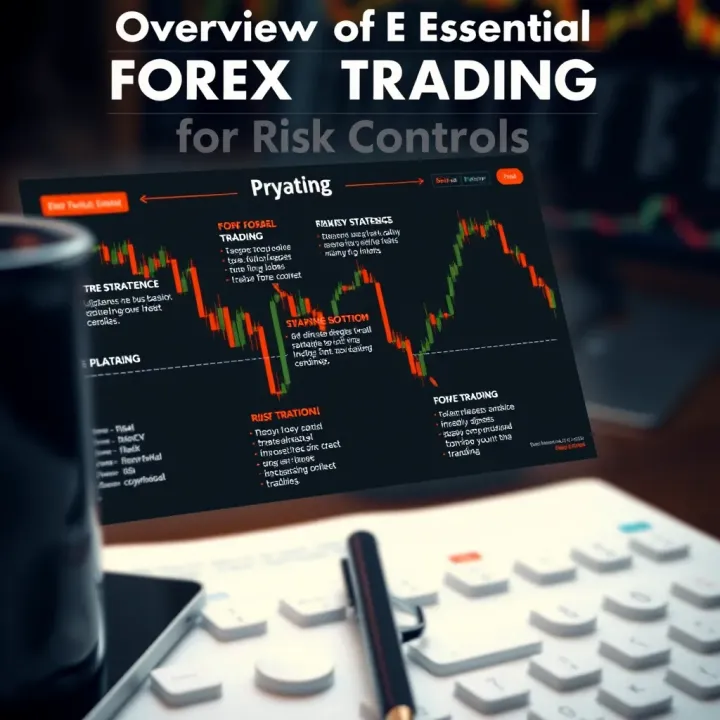
A pip is the smallest price change in a currency pair and usually represents 0.0001 of the quoted price. This tiny unit allows traders to quantify their profit or loss clearly. For example, if the USD/KES pair moves from 110.2500 to 110.2600, that's a one-pip change. While it seems small, in large trades, pips translate into significant amounts. A 10,000 unit trade—a mini lot—gaining 50 pips means profit of KSh 5,000, quite substantial for retail traders.
Trading forex involves dealing in lots, which are standardised units of currency. The typical lot sizes you’ll encounter are standard lots (100,000 units), mini lots (10,000 units), and micro lots (1,000 units). The lot you choose reflects your risk appetite and account size. For example, a beginner with a small account may start trading micro lots to limit exposure while practicing. Large institutions will trade standard lots to profit from small price moves. Choosing the right lot size helps manage risks and keeps you in the game longer.
Leverage allows you to control a large position with a small amount of your own money known as the margin. For instance, with leverage of 1:100, you can control KSh 100,000 with just KSh 1,000. While leverage can amplify profits, it also increases potential losses. Margin calls come into play if the market moves against your position and your account drops below the required margin level. Careful use of leverage is important, especially in volatile markets like forex.
Forex trading involves different order types that help you enter or exit trades precisely. A market order executes immediately at the current price, ideal for quick entries. Limit orders sit waiting to activate at a better price than the current market, helpful for buying dips or selling rallies. Stop orders trigger trades once the price reaches a specific level, often used for limiting losses or securing profits. For example, you might place a limit buy order on EUR/USD at 1.0800 when the current price is 1.0850, hoping to buy cheaper.
Orders are powerful tools for controlling risk. Implementing stop-loss orders prevents devastating losses by automatically closing positions when the market moves unfavourably. Take-profit orders lock in gains by closing trades once your target price hits. Proper placement of these orders is crucial. Consider the average daily volatility of the currency pair to avoid being stopped out prematurely. Kenyan traders using platforms like MetaTrader or local brokers should always set these orders, especially when trading with borrowed money or leveraging positions.
Mastering these essential forex concepts—pips, lots, leverage, and order types—makes trading less guesswork and more strategy. Starting your journey with clear understanding helps you protect your capital and improves odds of consistent success.
Effective trading strategies shape how you navigate the forex market and manage risks. In forex trading, a sound strategy helps you avoid guesswork and emotional decisions, so you trade with a clear plan that improves your chances for steady profits. Building strategies involves understanding chart patterns, economic indicators, and market sentiment, all tailored to your trading style.
Charts offer a visual snapshot of currency price movements over time. Learning to read them helps traders spot patterns such as support and resistance levels or trend directions. For example, if the USD/KES chart shows a rising trend over several days, that indicates a buying interest that might continue, helping traders decide when to enter or exit trades. In practice, many Kenyan traders rely on candlestick charts since they convey price behaviour within specific timeframes clearly.
Technical indicators simplify complex price data into easier-to-understand signals. Popular tools include Moving Averages (MAs), which smooth price fluctuations to reveal underlying trends, and the Relative Strength Index (RSI), which flags overbought or oversold conditions. For instance, if the RSI of EUR/USD hits above 70, it may hint that the currency is overbought and due for a pullback. Kenyan traders often combine multiple indicators to confirm trade signals before acting.
Economic reports such as GDP growth, inflation rates, and employment stats sway forex values significantly. When Kenya releases inflation data higher than expected, the Kenyan shilling might weaken as traders anticipate Central Bank intervention. Staying updated on economic calendars lets you anticipate currency moves triggered by such announcements, reducing surprises.
Central banks control interest rates, which influence demand for currencies. For example, if the Central Bank of Kenya raises rates to curb inflation, it typically boosts the shilling's value as investors seek better returns. Conversely, rate cuts can weaken currency value. Understanding these policies helps you predict forex fluctuations tied to monetary decisions.
Relying on either analysis alone might mislead. Combining them offers a fuller picture. Suppose technical tools show an upward trend on GBP/USD, but upcoming Bank of England announcements suggest a potential policy change. Merging these insights lets you weigh whether to trust trend momentum or anticipate shifts from fundamental news.
Successful traders follow a defined plan detailing entry and exit criteria, position sizes, and risk limits. A plan prevents chasing losses or making impulsive moves. For example, you might decide to risk no more than 2% of your capital on any trade and set stop-loss orders accordingly. Writing down and sticking to your plan promotes discipline and consistency, crucial for long-term success.
Knowing your strategy and why it works keeps you one step ahead in forex trading. Practice blending tools and plans to build confidence and manage risk effectively.
Proper risk management and emotional control are the bedrock for any trader who wants to succeed in forex trading. Without these, even the best strategies may lead to losses or missed opportunities. Investors often get caught up in market swings or the thrill of rapid profits, but safeguarding your capital and keeping your emotions in check can help you stay afloat longer and trade more consistently.
Setting stop loss and take profit levels is a practical way to limit potential losses and secure gains. For instance, if you buy the USD/KES pair at KS10 and set a stop loss at KS08, the trade automatically closes if the price falls to that level, preventing bigger losses. Similarly, a take profit might be set at KS13 to lock in profits once the price rises to that target. It’s wise to plan these levels before entering a trade and resist the temptation to adjust them on the fly based on hope or fear.
Determining position size consistently means deciding how much money to risk on each trade relative to your overall account size. For example, if your trading capital is KS00,000, many traders risk only 1–2% per trade—say, KS,000 to KS,000. This approach avoids putting too much of your capital at risk on a single trade. Consistency here protects you from huge drawdowns and helps maintain steady progress. You can use simple calculators or spreadsheets to work out position sizes based on stop loss distance and risk percentage.
Avoiding overtrading and emotional decisions is essential because emotions can cloud judgement. After a series of wins, a trader might start aggressive trading to multiply gains quickly, but this often leads to mistakes. Similarly, chasing losses by increasing trade sizes out of frustration or panic typically compounds problems. A practical way to avoid this is to set daily or weekly trade limits and stick to them, treating each trade with the same careful analysis.
Maintaining discipline in trading means following your own trading plan even when the market lures you into second-guessing yourself. For example, if your strategy says to exit at a certain level, hold to that rule rather than desperately hoping for more profit or holding on to a losing trade. Keeping a trading journal to review decisions and outcomes can help reinforce discipline. It’s this patient, methodical behaviour that distinguishes successful traders from those who rely on instinct or gut feeling alone.
Thoughtful risk management and steady emotional control aren’t just about avoiding losses; they help create an environment where profits become more predictable and trading is less stressful.
These skills take time to develop but are well worth the effort for any Kenyan trader serious about lasting success in the forex market.
Having access to the right resources is vital for forex traders in Kenya. Quality PDF notes and reliable learning materials can make a big difference in understanding the market's complexities. Practical tips tailored to Kenyan realities help traders navigate local payment methods, market hours, and regulatory environments effectively.
Finding trustworthy PDFs on forex trading is easier when you know where to look. Kenyan traders should prioritise materials from reputable financial websites, respected educators, and institutional sources like the Capital Markets Authority (CMA). These PDFs often provide clear explanations, charts, and examples suited to beginners and advanced traders alike. Using such materials can prevent confusion caused by poorly written or outdated content.
Several Kenyan platforms offer forex learning resources. For example, MForex Academy and ForexTime (FXTM) Kenya publish regular guides and tutorials tailored for local traders. Additionally, YouTube channels run by Kenyan forex educators, such as Boss Capital and Kiprono Forex Academy, provide free downloadable notes and practical lessons. Choosing platforms that understand the Kenyan market ensures the advice matches local trading conditions and challenges.
M-Pesa has revolutionised financial transactions in Kenya, making fund deposits and withdrawals for forex trading straightforward and secure. Most brokers operating in Kenya accept M-Pesa, allowing traders to bypass traditional banking delays. This convenience speeds up the trading process and reduces the risks related to payment failures. When selecting a broker, confirming their support for M-Pesa can save you hassles and improve cash flow management.
Local market hours and regulations also shape trading strategies. Though forex operates 24 hours globally, Kenyan traders should align their trading windows with the most active hours of major currency pairs and local trading hours. For example, the overlap between London and New York sessions often presents higher liquidity. Additionally, traders must keep an eye on the Capital Markets Authority’s regulations to avoid scams and ensure compliance with Kenyan laws. Staying informed about these helps maintain safe and efficient trading.
One common pitfall is chasing unrealistic profits. Forex markets can be tempting with promises of quick gains, but expecting too much too soon often leads to heavy losses. Kenyan traders should set achievable goals and focus on steady growth rather than trying machete quick flips. Remain cautious of schemes offering guaranteed earnings or pushy brokers promising high returns without risk.
Ignoring proper risk management is another frequent error. Without setting stop losses or determining position sizes thoughtfully, a single bad trade can wipe out your account. It's important to use practical tools like take profit and stop loss orders and never risk more than a small percentage of your capital on any trade. Proper risk management guards against emotional decisions and preserves your ability to keep trading over the long haul.
In forex trading, having the right resources and understanding local conditions are just as important as technical skills. Kenyans equipped with solid learning materials, practical tips, and sound risk management are better placed to succeed in the market.
Learn forex trading in Kenya 🌍 with a practical guide covering market basics, key terms, strategies, risk management, and local regulations to trade confidently.

📈 Explore forex trading basics, strategies, risk tips, and local insights tailored for Kenyan traders seeking smart, practical guidance in the forex market.

📈 Learn forex trading in Kenya with practical tips on local regulations, trusted platforms, smart strategies, and risk management to trade confidently and safely.
📈 Learn the basics of forex trading in Kenya 🇰🇪, pick safe platforms, manage risks, and use PDFs to grow your skills and confidence step-by-step.
Based on 6 reviews