

Forex Trading in Kenya: A Practical Guide
📈 Learn forex trading in Kenya with practical tips on local regulations, trusted platforms, smart strategies, and risk management to trade confidently and safely.
Edited By
Oliver Brooks
Forex trading in Kenya has gained significant attention as more people seek ways to diversify their income sources. However, the foreign exchange market’s dynamics require clear understanding and strategy. This guide focuses on tried-and-tested forex trading strategies that Kenyan traders can apply effectively.
Successful trading starts with recognising that no single strategy fits everyone. Your choice depends on your risk appetite, time availability, and market knowledge. For instance, day traders in Nairobi may rely on fast-moving charts and quick decisions, while longer-term investors in Kisumu might lean towards fundamental analysis.
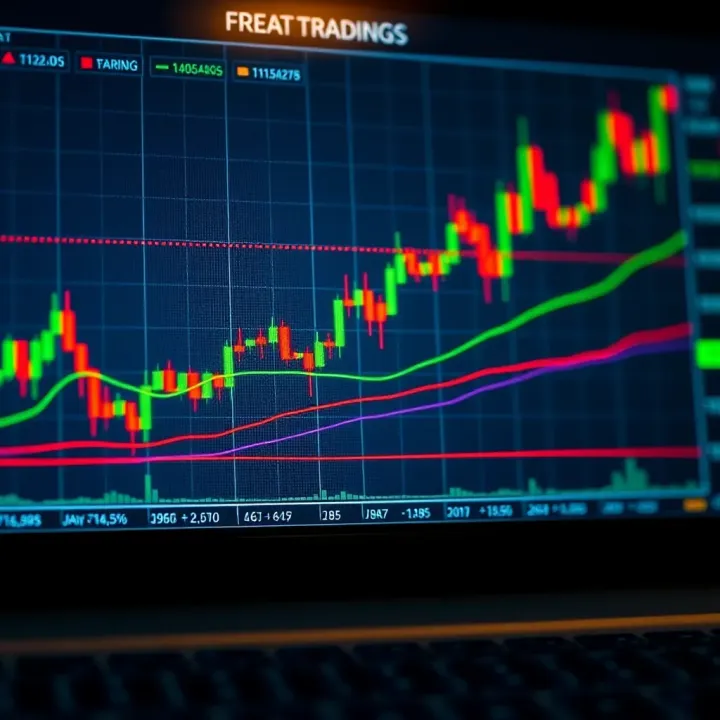
There are several common strategies worth considering:
Trend Following: This strategy involves spotting the direction of the market – whether it's going up or down – and making trades that follow that movement. For example, if the Kenyan shilling is weakening against the US dollar, a trader might sell KSh to buy USD, expecting the trend to continue.
Range Trading: This method suits markets that don’t show clear trends. Traders identify support and resistance levels – prices where the market tends to bounce back – and trade within this range. A trader might buy EUR/USD at a support level and sell near a resistance level.
Carry Trade: Popular with long-term investors, this strategy exploits interest rate differences between currencies. If the Central Bank of Kenya (CBK) interest rates are higher than in the US, traders may borrow USD at low rates to invest in KSh assets, profiting from the rate gap.
Using tools like moving averages, RSI (Relative Strength Index), and MACD (Moving Average Convergence Divergence) enhances the effectiveness of these strategies. Kenyan forex platforms often integrate these indicators for easy access.
Bear in mind: Effective forex trading combines strategy with discipline, money management, and continuous learning. Keep a trading journal to track your progress and refine your approach.
This guide includes downloadable PDF resources with detailed explanations and examples to help sharpen your skills. They contain sample trade setups, risk assessment models, and practical advice tailored for the Kenyan forex market.
By applying these approaches thoughtfully and utilising the resources provided, Kenyan traders can boost their confidence and increase their chances of success in the fast-moving forex market.
Knowing what a forex trading strategy involves is the foundation for any trader looking to succeed, especially in a fast-moving market like forex. It’s not just about guessing price movements but having a clear, systematic approach that guides your trades. In Kenya, where access to global markets grows alongside mobile technology, having a solid strategy is key to navigating the currency market effectively.
A forex trading strategy has several core components: entry and exit rules, risk management, and methods for analysing market conditions. For example, entry and exit rules tell a trader when to buy or sell a currency pair based on specific signals, like a moving average crossover. Risk management defines how much of your capital to risk per trade to avoid wiping out your account—commonly, traders risk 1–2% per trade.
These components work together to create a framework that can be tested, reviewed, and improved. Without this framework, decisions tend to be emotional or based on guesswork, which often leads to losses. For example, a trader using a breakout strategy might enter a trade when the price crosses above a resistance level confirmed by volume indicators.
A good strategy guides trading decisions by providing clear rules to follow. This removes doubts or second-guessing when the market acts unpredictably. It ensures you don’t act on hunches or popular buzz but rather on your own tested plan. For instance, one might decide to avoid trading during high volatility right before important US or Kenyan economic announcements, according to the strategy rules.
Having a strategy helps you protect your capital. Forex markets can shift quickly, and without rules on how much to risk per trade, you can lose heavily in a short time. Effective strategies help you decide stop-loss placement, limiting losses if the market moves against you. For example, a trader might set a stop-loss 50 pips away from entry to keep potential losses manageable.
A predefined strategy promotes consistent trading. Without a plan, traders may jump from one style to another or enter trades based on emotions, leading to erratic performance. Sticking to a tested strategy, whether it’s trend-following or scalping, improves the chances of steady returns. Kenyan forex traders, especially beginners, benefit by avoiding impulsive trades during volatile sessions.

Trading can be stressful, and emotions like fear or greed often interfere. A clear strategy acts like a safety net, giving confidence to stick with your plan despite market noise. This mental discipline reduces unnecessary stress and improves decision-making. For example, when a trade goes against you temporarily, following your strategy stops you from closing too soon or chasing losses.
A trading strategy isn’t just a set of rules—it’s your roadmap to disciplined, measured trading that reduces risks and boosts confidence, especially in unpredictable markets.
Understanding these aspects helps you build or choose strategies that fit your trading style and goals, taking you closer to consistent profitability in forex trading.
Understanding the main types of forex trading strategies helps you pick the right approach based on your trading goals and risk appetite. Each strategy tackles market movements differently, so knowing how they work can sharpen your decisions. For instance, trend following suits traders patient enough to ride long movements, while scalping targets quick moves for fast gains.
Identifying market trends means spotting whether prices are generally moving up, down, or sideways. Traders use this to enter the market alongside the prevailing momentum, hoping to profit as the trend continues. For example, if the USD/KES pair has been rising steadily over days, a trend follower might buy, expecting prices to keep climbing.
Popular trend indicators help confirm these trends. Moving averages smooth out price noise, showing the average price over a specific period — crossing of a short-term average above a long-term one often signals an uptrend. The Average Directional Index (ADX) measures trend strength, while tools like the Moving Average Convergence Divergence (MACD) highlight changes in momentum. These indicators give Kenyan traders a clearer picture before making buy or sell calls.
Recognising support and resistance levels is key here. Support is a price floor where demand often pushes prices up, while resistance is a ceiling where selling pressure tends to cap prices. In forex markets like EUR/USD, if a price repeatedly bounces between KSh 110 and KSh 115, these form the familiar range boundaries.
Executing trades within ranges involves buying near support and selling near resistance, taking advantage of predictable price swings. This strategy works well during times of low market volatility, such as in quieter hours or during local public holidays in Kenya, when prices tend to move sideways.
Spotting breakout points is about identifying when price moves decisively beyond established ranges or chart patterns. A breakout above resistance often signals a new upward trend starting. For example, if GBP/USD has hovered around 1.38 for days and suddenly breaks above it sharply, breakout traders jump in to ride the move.
Managing false breakouts is crucial since not every breach leads to sustained trends. False breakouts occur when price briefly moves past support or resistance but quickly reverses. Kenyan traders often use stop-loss orders just beyond breakout points and look for confirmation signals like increased trading volume before fully committing.
Short-term trade focus means entering and exiting trades within minutes or even seconds to capture small price moves. Scalping fits traders with fast decision skills and access to low-spread platforms. For instance, a trader might scalp the USD/JPY pair during Nairobi’s market hours, targeting profits of just a few pips at a time.
Tools and timing are vital for scalpers. High-speed platforms like MetaTrader, along with real-time charts and tick data, enable rapid execution. Scalpers often avoid trading during volatile news releases to prevent sudden price swings from wiping out gains. Instead, they focus on calm market windows, timing trades as minor fluctuations occur.
Choosing the right forex strategy depends on your personality, available time, and market conditions. Knowing these common types helps tailor your approach for better results in Kenya’s vibrant currency market.
PDF guides have become a go-to resource for many Kenyan traders aiming to sharpen their forex trading skills. These guides condense vital strategies into digestible formats that you can study at your own pace, without the distraction of constant internet browsing. Whether you’re a beginner or have some experience, having a solid PDF guide helps you stay focused, offering stepwise approaches and clear examples.
Trusted online forex platforms offer a rich variety of well-researched strategy documents. Platforms like FXTM, IG, and AvaTrade regularly publish PDFs that cover everything from beginner basics to advanced techniques. These sources ensure the information is up-to-date and grounded in current market conditions. For instance, a reliable PDF from FXTM might break down how to combine Moving Averages with RSI indicators, helping you understand when to enter or exit trades.
Community-shared resources are also valuable, particularly for Kenyan traders who want insights tailored to local conditions. Forex forums, Facebook groups, and Telegram channels often share user-created PDFs focusing on practical, hands-on strategies. These can highlight nuances in the Kenyan forex scene, such as dealing with volatility around key economic announcements like CBK interest rate decisions. However, since these community resources vary in quality, it’s wise to cross-verify facts with established platforms.
Step-by-step learning is one of the key benefits of using PDFs. Good guides structure information progressively, starting with basic concepts like pips and lots, then moving toward applying technical indicators. For example, a PDF might first explain how to read candlestick patterns, then show how to combine them with support and resistance lines. This layered learning makes it easier to build confidence and technique without feeling overwhelmed.
Practical examples and templates included in many PDFs bring theory to life. You might find ready-made trade journal templates or real trading scenarios analysed with annotated charts. Practising with these examples helps you absorb how to spot valid signals or manage losses. Kenyan traders often appreciate seeing case studies involving pairs like USD/KES or EUR/USD, which behave differently due to local market factors.
Adapting to personal trading style is crucial after digesting PDF content. Not every strategy fits all traders—some prefer quick scalping trades, others favour holding positions for days. PDFs usually suggest ways to tweak risk tolerance or trade timing based on your comfort level. For instance, if you find scalping too stressful, you can adjust the strategy for longer timeframes using the same indicators.
Adjusting for Kenyan market conditions means considering unique factors like liquidity during Kenyan business hours or effects from international trade news relevant to the Shilling. PDF guides often advise on timing your trades to when major markets like London and New York overlap, as this period sees higher volumes and often clearer trends. Tailoring your approach based on such insights can prevent trading at low liquidity times, which sometimes leads to slippages or fake breakouts.
Using PDF guides wisely gives Kenyan forex traders a practical edge by combining structured knowledge with local market realities. This balanced approach supports better decision-making and steady improvement.
Successful forex trading depends a lot on the right tools and indicators. These elements help you spot good entry and exit points, manage risks, and confirm market trends. Without such tools, trading decisions can easily become guesswork, especially in the fast-moving forex market. Using indicators like moving averages, RSI, and Bollinger Bands can sharpen your strategy and increase your confidence. Let's look at these key technical indicators and popular platforms in Kenya.
Moving averages smooth out price data to show the average value over a set period. They reduce market noise and help traders identify the overall trend direction. For example, a 50-day moving average crossing above the 200-day moving average often signals a bullish trend, hinting that it's a good time to buy. Kenyan traders use this to gauge when to enter long-term trades or exit losing positions.
Relative Strength Index (RSI) measures the speed and change of price movements, indicating whether a currency pair is overbought or oversold. Readings above 70 suggest the asset might be overbought and due for a reversal, while below 30 indicates oversold conditions. RSI is useful for spotting potential trend reversals or confirming existing trends, especially in volatile pairs like USD/KES, helping traders avoid jumping into trades at risky moments.
Bollinger Bands consist of a middle moving average band with two outer bands placed at standard deviations away. These bands expand and contract based on market volatility. When prices push outside the bands, it often signals overbought or oversold status. In Kenyan contexts, Bollinger Bands assist traders in timing entry and exits during events like CBK announcements that cause sudden price swings.
MetaTrader 4 and 5 remain the go-to platforms for many Kenyan forex traders. They offer a wide range of charting tools, customisable indicators, and automated trading options. MetaTrader 5 brings some improvements, such as more timeframes and an economic calendar integrated into the platform. Both versions support local brokers and can connect to accounts using M-Pesa for easy deposits and withdrawals.
TradingView is popular for its clean interface and community-driven ideas. Kenyan traders use it mainly for its advanced charting tools, lots of indicators, and social aspect, where traders share analysis. Its web-based nature means you can access your charts from anywhere without installing software. Plus, you can combine African market data with global forex trends to get a broader perspective.
Mobile apps with M-Pesa integration are essential in Kenya given the widespread use of mobile money. Apps from brokers like HotForex, FXPesa, and XM allow instant deposits and withdrawals through M-Pesa, making fund management seamless. This integration lets traders react quickly to market changes without waiting for long bank transfers, a big advantage in a market where timing can mean the difference between profit and loss.
Using the right tools and platforms tailored to Kenyan market realities helps you keep pace with forex market movements and manage your trades confidently.
Through understanding and applying these tools and indicators, you become better equipped to navigate the complexities of forex trading, reduce risks, and improve your chances of success.
📈 Learn forex trading in Kenya with practical tips on local regulations, trusted platforms, smart strategies, and risk management to trade confidently and safely.

📊 Master forex trading charts with this practical guide! Learn to read charts, use indicators, spot patterns, and make smarter currency trades today.

Master forex trading with practical tips on styles, risk management, and market indicators 📈. Build a disciplined plan for consistent success in Kenya and beyond.

📚 Learn how forex trading schools in Kenya help build skills and confidence. Get tips on picking the right course, handling challenges, and moving ahead in trading.
Based on 10 reviews