

Understanding Binary Trade in Kenya: A Practical Guide
Explore the basics and strategies of binary trade in Kenya 🇰🇪. Learn about risks, benefits, regulations, and safe ways to start trading today! 💹
Edited By
Emma Clarke
Binary bots have steadily gained attention among Kenyan traders keen on making quick decisions in financial markets. These bots use programmed algorithms to execute trades automatically, reducing the need for constant manual monitoring. Understanding how to use a binary bot can help Kenyan traders save time, manage risks better, and potentially increase profits.
At its core, a binary bot operates by placing trades based on preset conditions defined by the user. These can include technical indicators, price movements, or other market triggers. For example, if a stock price crosses a certain threshold, the bot can instantly open or close a position without waiting for trader input.

Kenyan traders benefit from integrating binary bots with local payment systems such as M-Pesa. This allows for smooth deposits and withdrawals, making trade funding quick and convenient. It’s especially helpful for traders working in busy city centres or rural areas with limited bank access.
Before starting, it's wise to test the bot using a demo account. This helps understand how it responds under different market conditions without risking real money. Many trading platforms offer practise modes, which Kenyan traders should take advantage of to customise settings safely.
Managing risk remains key. Even with automation, it’s crucial to set limits on trade amounts and daily losses to avoid blows from sudden market swings. Periodic review of bot performance helps keep strategies relevant and reduces chances of unexpected losses.
Using a binary bot isn't a shortcut to easy money; it requires proper setup, ongoing adjustments, and disciplined risk control to achieve consistent results.
In this guide, you’ll find clear steps on preparing your trading environment, setting up your binary bot tailored for the Kenyan market, and tips on optimising its performance while keeping your funds secure. Equipped with these insights, you can navigate digital trading more confidently and wisely.
Grasping what binary bots are and why they matter is key for anyone looking to use them effectively in trading. In the Kenyan context, traders who understand these tools can better navigate the markets, save time, and reduce emotional decision-making, which often leads to losses. Think of a binary bot as your automated trading assistant, which handles trades based on preset rules to respond quickly to market changes — something difficult to do manually, especially during busy days.
A binary bot is software designed to automate trades in binary options markets. Rather than requiring a trader to constantly watch the screen and click, the bot runs trades automatically based on strategies programmed into it. For example, a trader could set the bot to buy or sell depending on short-term trends in the Nairobi Securities Exchange or forex pairs like USD/KES. This helps streamline the trading process, especially for those juggling other commitments.
Binary bots work by analysing market data and making trades using specific algorithms. They look at indicators such as price movements, time windows, and volume to decide whether to place a "call" (predicting an asset’s price will rise) or a "put" (predicting it will fall). By following precise rules, these bots remove guesswork from trading. Say a bot identifies that Safaricom shares tend to rise after economic announcements; it can automatically place trades aligned with this pattern. This automation reduces human errors and allows Kenyan traders to operate around the clock.
Automation gives traders the ability to act on opportunities faster than manual trading, which can be the difference between profit and loss.
Binary bots come in several types, each suited to different trading styles:
Trend-Following Bots: These detect market momentum and place trades in the direction of the trend. For instance, if the USD/KES forex rate steadily rises, the bot buys expecting the trend to continue.
News-Based Bots: These bots place trades based on news releases or social media signals. Kenyan traders could use these for reacting quickly after key events such as CBK rate decisions.
Martingale Bots: Using a staking strategy to recover losses by increasing trade sizes. Though risky, some traders prefer this for its aggressive approach, but it needs careful risk management.
Custom Script Bots: Programmers create unique bots tailored to specific strategies or asset types. This fits experienced Kenyan investors with coding skills or access to expert developers.
Understanding these types helps traders choose the bot that fits their risk appetite and goals. The key is matching your trading plan with a bot style that complements it.
Having a good grasp of what a binary bot does, how it operates, and the common types available makes it easier for Kenyan traders to embark on automated trading thoughtfully and avoid costly mistakes.
Before you jump into trading with a binary bot, it's key to prepare thoroughly. Getting ready means setting up everything correctly—from picking a trustworthy platform to funding your account using options that suit the Kenyan market. This stage lays the foundation for smooth trading and helps avoid costly mistakes.
Selecting the right platform to host your binary bot matters a lot. In Kenya, ensure the platform is licensed and properly regulated, preferably by the Capital Markets Authority (CMA Kenya), to protect your investment and personal data. A reliable platform will have clear terms, solid customer support, and a decent reputation among local traders.
Beware of platforms that promise unrealistic returns or lack transparency. For instance, some unregulated sites might not process withdrawals efficiently, leading to frustration and losses. It's wise to check reviews from other Kenyan users and confirm that the platform supports local payment methods like M-Pesa.
Once you've picked a platform, open your trading account carefully. This usually involves submitting identification documents to comply with Know Your Customer (KYC) rules—to keep trading safe and legitimate. For Kenyan traders, proper verification ensures smooth withdrawals and less hassle with account lockouts.
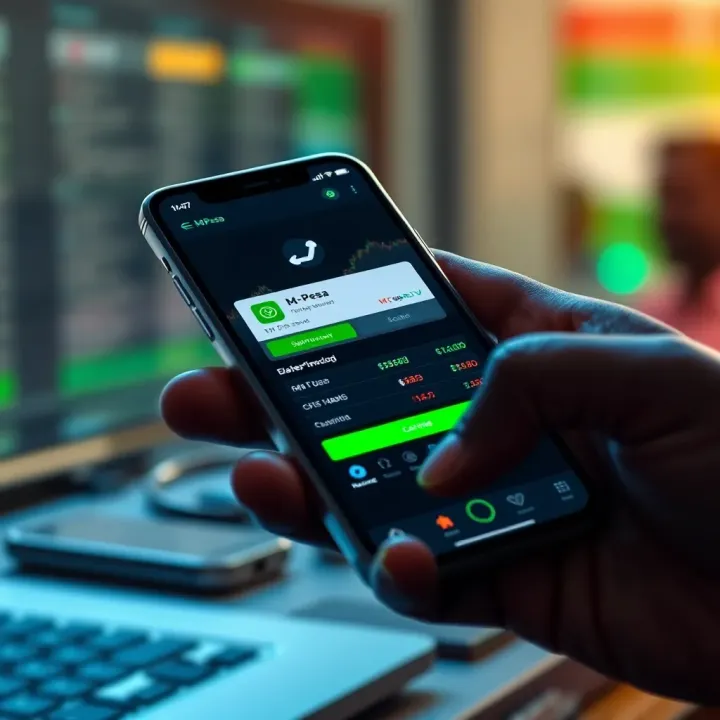
M-Pesa remains the most convenient way to fund your trading account. Platforms that accept M-Pesa transfers or payments make deposits faster and more secure, avoiding the common delays banks sometimes cause. Additionally, some platforms accept local debit cards from banks like Equity, KCB, or Co-operative Bank, which provides flexibility.
For example, if you want to deposit KSh 5,000, transferring through M-Pesa to the platform’s Paybill or Till number typically reflects within minutes. This real-time funding lets you start trading immediately without waiting for processing times common in international bank transfers.
Besides M-Pesa, some brokers support alternatives like Airtel Money or bank transfers, but these might take longer. Always check the payment options available before committing.
Familiarity with trading terms helps you make informed decisions when programming your binary bot. Know terms like expiry time—the period after which your trade will close, strike price—the entry price for your trade, and payout—the money you receive if the prediction is correct.
Understanding risk-related terms like stop loss and take profit is also useful. These help control your potential losses and lock in earnings automatically. Without grasping these concepts, even a perfectly set binary bot might trade blindly, increasing your chance of losing money.
Remember, a well-prepared trader is more likely to succeed than one who rushes into trading without proper groundwork.
Getting ready to use a binary bot involves more than just software setup. Choosing the right platform, securing your account with convenient local payments like M-Pesa, and understanding basic trade terms will build confidence and increase your chances of trading profitably.
Setting up your binary bot correctly is vital to ensure it starts trading effectively and safely. This stage allows you to tailor the bot’s operation to suit your trading goals and comfort level, especially in the fluctuating markets common in Kenya and beyond. Proper setup balances potential returns against risks, helping you avoid costly mistakes early on.
Most binary bots are either web-based or downloadable software. If you choose a web-based bot, you simply create an account with the broker or platform hosting it, then log in through your browser. For downloadable software, ensure you get the file from a trustworthy platform to avoid malware. After installation, follow any step-by-step guides the provider offers. Keeping the software updated guards against bugs and compatibility issues, which can be crucial for smooth trading.
Start by choosing which assets the bot will trade. Common options include currencies like USD/KES, commodities, or stock indices that are active during your trading hours. For example, if you mostly trade in the evening Nairobi time, focusing on assets linked to European or American markets may not be the best choice because those markets will be closed or less volatile. Selecting assets that move predictably during your available times can improve the bot’s trade success.
Setting the right investment size per trade is a must to protect your capital. Many bots let you decide the amount of money for each trade. If you are just starting, using smaller sums per trade, say KSh 500, helps minimise losses while you understand the bot’s behaviour. Also, review the payout rates the broker offers; some assets offer higher returns but have bigger risks. Balancing these helps you find a comfortable risk-to-reward ratio.
Before engaging real money fully, run test trades or use demo accounts if your bot or platform supports this. Test trading simulates real conditions and allows you to see how your settings work without risking capital. For example, if your bot makes consistent losing trades during the test phase, it signals you need to revisit your parameters or asset choices. Testing helps refine the bot setup and increases your confidence before moving to live trading.
Take your time in this setup phase. Getting these details right helps you avoid unnecessary losses and makes the bot work smarter for your trading strategy.
By carefully installing the bot, selecting suitable assets and trading times, adjusting investment amounts thoughtfully, and running test trades, you place yourself on the road to more reliable and manageable binary trading. For Kenyan traders, this disciplined approach is essential to navigate both local market conditions and global trading opportunities.
Risk management is a key part of successful trading, especially when using a binary bot. While these automated tools can speed up trades and improve efficiency, they also come with risks that you must handle wisely. Controlling losses and protecting your trading capital means staying in the game longer and having chances to make profits.
Setting stop-loss and take-profit limits helps you define clear exit points for every trade. A stop-loss cuts losses if the market moves against you, while a take-profit locks in gains once your target is reached. For example, if you invest KSh 1,000 per trade, you might set a stop-loss at a 5% loss (KSh 50) to prevent deep losses in case the market suddenly drops. Equally, you could set a take-profit at 10% gain (KSh 100) to secure profits regularly.
This practice is especially useful with binary bots because they can place trades rapidly. Without limits, a bad market run could wipe out your account fast. By programming these stop levels into the bot, you let technology protect your funds without emotional bias.
Kenyan traders must be wary of common pitfalls, especially scams that promise guaranteed high returns with no risk. Beware of platforms or bots that do not have regulation or show unclear terms. Unregulated brokers or bots sometimes disappear with your money or fail to process withdrawals. Always confirm if a broker is licensed by the Capital Markets Authority (CMA) in Kenya.
Besides scams, avoid over-trading or using unrealistic investment amounts. Some traders fall into the trap of chasing losses, increasing stakes hoping to make back quickly. This often leads to bigger losses instead. Taking calculated steps, verifying information, and not rushing can help dodge these mistakes.
One of the biggest challenges with trading, automated or not, is managing emotions. Fear and greed can easily interfere, causing you to override your bot’s settings or make impulsive decisions. For instance, if the market starts losing, fear may tempt you to stop the bot prematurely. On the other hand, a winning streak might make you raise stakes recklessly.
To avoid this, trust your pre-set rules and let the bot work consistently. Take breaks away from the screen and review performance only after a set period, such as daily or weekly. Remember, emotional decisions in trading usually cost more than technical faults.
Managing risks with clear limits, cautious broker choices, and emotional control will protect your investment and make your binary bot trading more sustainable. Treat your trading account as a business—careful planning minimises losses and helps you grow steadily.
By following these guidelines, Kenyan traders can approach binary bot trading more confidently, avoiding common traps and keeping their funds safer.
Optimising your binary bot is about fine-tuning its settings and strategies to improve trading outcomes. In Kenya's dynamic market, where currency fluctuations and commodity prices shift frequently, tweaking your bot ensures it adapts to real conditions rather than sticking rigidly to default settings. This helps you make better profits while managing risk effectively.
Reviewing your binary bot's trading history highlights what worked and what didn’t. Kenyan traders often find that certain times of day—like early morning when global markets open—yield clearer price movements. Going back through past trades allows you to spot patterns such as consistent losses on particular assets or during specific time frames. Use this data to adjust your bot’s asset choices or trading windows. Say your bot lost more on oil trades during volatile periods; it may be wise to pause trading that asset during unstable times.
Financial markets rarely stand still. When global or local events affect currency pairs like USD/KES or commodities like tea and coffee, you should update your bot settings accordingly. For example, if the Central Bank of Kenya (CBK) announces a shift in interest rates, your bot’s strategy for currency trading should adapt. Adjust investment amounts, trading expiry times, or asset focus based on fresh market signals rather than relying on last week’s settings. Kenyan traders who pause to recalibrate after significant news events often safeguard their capital better.
Basic bots use simple rules, but you can upgrade your bot by integrating advanced strategies, such as trend-following, momentum, or volatility filters. For instance, linking your bot to a moving average indicator can help it decide when to trade an upward or downward trend. Kenyan traders might combine this with local market cues, like election cycles or weather affecting agricultural exports, to refine entries and exits. These strategies demand more attention and occasional manual overrides but can pay off in higher returns when applied thoughtfully.
Remember, optimising a binary bot is not one-time work; it’s ongoing. Markets change, and so should your bot’s settings if you want to stay ahead.
Implementing these steps will help you maximise your binary bot’s efficiency and reduce avoidable losses. Over time, this approach grows your trading skills and builds confidence in an often unpredictable trading environment.
Using binary bots can simplify trading, but Kenyan users face unique challenges and opportunities. These practical tips focus on navigating those realities, ensuring safer and more successful trading.
M-Pesa remains Kenya’s go-to payment platform for funding trading accounts and withdrawing earnings. However, it’s crucial to interact only with verified payment channels linked to your trading platform. Many scams use bogus M-Pesa numbers to trick traders into fake deposits. Always confirm paybill or till numbers through official broker communications or on their websites. When transferring funds, keep transaction details for reference in case of disputes.
Apart from M-Pesa, some platforms accept bank transfers or card payments through Kenyan banks like Equity or KCB. Still, double-check that these payment methods are integrated directly into the trading platform to avoid being caught up in third-party fraud. For extra safety, consider setting transaction limits on your M-Pesa or bank accounts dedicated to trading.
Selecting a trustworthy broker is vital. In Kenya, brokers licensed by the Capital Markets Authority (CMA) follow specific regulations protecting investors. Look out for brokers that display their CMA licence prominently and provide Kenya-specific customer support.
For example, brokers like IG or FXPesa operate under CMA regulations, giving Kenyan traders peace of mind over fund safety and fair trading practices. Avoid brokers with shaky reputations or those that do not operate under Kenya’s regulatory framework; these often lack transparency and may disappear with your money.
Kenyan traders benefit greatly from following regional and global market news that affects local assets. For instance, fluctuations in the NSE 20 index or changes in CBK monetary policy impact market sentiment directly.
Use local news sources and financial platforms to track updates on Kenyan macroeconomic events, election cycles, or sector-specific developments like agriculture or manufacturing. Staying informed helps you adjust your binary bot’s settings based on real-time conditions, increasing your chances of profitable trades.
Regularly integrating Kenyan market insights gives you a trading edge, helping your binary bot respond better to local economic shifts.
In short, combining safe payment practices, partnering with licensed brokers, and keeping close tabs on relevant market news will significantly improve your trading experience with binary bots in Kenya.
Explore the basics and strategies of binary trade in Kenya 🇰🇪. Learn about risks, benefits, regulations, and safe ways to start trading today! 💹

📘 Explore binary trading with this practical PDF guide tailored for Kenyan traders. Learn key strategies, essential terms, and avoid common pitfalls today!

Explore how binary option robots work, their pros and cons, plus smart tips for Kenyan traders to navigate risks and boost trading confidence 📈🇰🇪

🔍 Explore key features and smart tips for using binary bot analysis tools to assess and improve your trading bots' performance effectively in Kenya.
Based on 7 reviews