

How to Start Forex Trading in Kenya: A Practical Guide
📈 Want to start forex trading in Kenya? Learn how to choose a trusted broker, comply with KRA regulations, set up your account, and manage risks for success.
Edited By
Ethan Roberts
Forex trading is gaining traction among Kenyan investors looking to diversify their portfolios or tap new income streams. However, the complexity of the forex market, with its fast-paced currency fluctuations and global influences, can be overwhelming without solid knowledge and tools. This is where well-crafted forex trading notes in PDF format come in handy.
These notes serve as a handy guide packed with practical information on fundamental forex concepts, trading strategies, and risk management tailored for Kenyan traders. Unlike bulky textbooks or scattered online articles, a focused PDF provides clear explanations, easy reference, and examples relevant to the Kenyan market and trading conditions.

For instance, understanding how the Kenyan Shilling (KES) correlates with major currencies like the US Dollar (USD) or Euro (EUR) can influence trade decisions. Proper notes highlight such dynamics and suggest tactful strategies — such as using stop-loss orders to protect against sudden shilling depreciation during election years or economic shifts.
Key topics covered in quality forex trading notes include:
Basic forex terminology: pip, spread, leverage, margin, and how these affect your trades.
Popular trading methods: technical analysis using charts, fundamental analysis based on economic news, and sentiment analysis.
Risk management: setting realistic stop-loss points, calculating position sizes, and avoiding over-leverage.
Tools and platforms: an overview of popular forex platforms like MetaTrader 4 or TradingView used by Kenyan traders.
Successful forex trading relies heavily on disciplined study and practice. Forex notes in PDF help you organise essential knowledge for quick review and ongoing learning.
Moreover, these notes often include examples drawn from Kenyan macroeconomic events or regional market movements, making the learning more relatable and actionable. They also guide how to use local resources such as the Central Bank of Kenya updates, iTax for regulatory compliance, and mobile money services like M-Pesa for deposit and withdrawal in trading accounts.
In short, forex trading notes in a well-structured PDF offer a reliable foundation for anyone in Kenya aiming to trade currencies confidently and responsibly. They bridge the gap between theory and real market practice, enabling traders to sharpen skills and make informed choices with realistic expectations.
Grasping the basics of forex trading is the foundation for anyone looking to succeed in the foreign exchange market. It helps Kenyan traders understand how the market operates and prepares them to make informed decisions rather than relying on guesswork. For instance, knowing how currency pairs work enables you to anticipate price movements and plan your trades better.
Forex trading involves buying and selling currencies on a global marketplace where prices fluctuate all day. Unlike stock markets, forex is decentralised, meaning no single exchange controls it. This matters because prices react immediately to economic, political, or even social news, making it a lively arena for traders.
Currencies always trade in pairs, like USD/KES (US Dollar/Kenyan Shilling) or EUR/USD (Euro/US Dollar). When you buy one currency in the pair, you are selling the other. For example, buying USD/KES means you expect the dollar to strengthen against the shilling. Traders must pay attention to the nature of these pairs since some are more volatile while others, like major pairs, enjoy higher liquidity.
Various players interact in forex markets, such as banks, hedge funds, governments, brokers, and retail traders like you. Each group has different goals; banks often move large sums for business, while retail traders react to short-term developments. Knowing this helps you understand the market's ebb and flow. For example, central banks can influence prices sharply when they adjust interest rates.
The forex market runs 24 hours, five days a week, split into sessions based on major financial centres: Tokyo, London, and New York. Kenyan traders should note that the London session overlaps with ours around 3 pm to 6 pm EAT, often offering higher volatility and trading opportunities. Time awareness helps avoid trading when market activity is low.
Forex markets boast high liquidity, especially for major pairs like EUR/USD and USD/JPY. Liquidity means you can execute trades quickly without big price changes. Higher volume during certain sessions, such as London-New York overlap, ensures tighter spreads and less slippage. For a Nairobi-based trader, this means the best chances for smooth and cost-effective trades happen during these active hours.
Forex price changes are measured in ‘pips’, short for percentage in point. For most pairs, a pip is 0.0001 change in price. So, if USD/KES moves from 110.5000 to 110.5100, that’s a 1 pip rise. Understanding pips helps you calculate your profit or loss depending on your trade size. For example, with a standard lot size, 1 pip can equal KSh 10 or more, affecting your risk and reward directly.
Forex trading is dynamic but knowing its basics cuts through the noise, equipping you to trade smarter—not just harder.
Using forex trading notes in PDF format offers Kenyan traders a reliable and practical way to study forex markets. These notes condense essential information into easy-to-navigate documents you can access anytime, helping you build your trading skills without juggling bulky books or scattered web pages. Especially for busy traders or students in Nairobi or across counties, having clear, downloadable notes allows focused learning on the go.
PDFs are widely supported across devices including smartphones, tablets, and laptops — all common in Kenya’s growing digital landscape. Whether you’re travelling by matatu or taking a break at a duka, you can quickly open your forex notes without requiring constant internet. For example, many traders save PDFs on their M-Pesa-enabled phones so they can study during downtime without worrying about data costs.
Unlike fragmented online articles, PDF notes are usually organised into clear chapters or sections. This structure makes it easier to follow concepts step-by-step, revisiting tricky topics like pip calculations or leverage whenever needed. Also, having a single, well-arranged document means you’re less likely to miss important points during revision, unlike scrolling through scattered browser tabs.
Internet access in many Kenyan regions can be patchy or expensive. PDFs allow you to study forex trading without internet connection, which is very handy during power outages or when you are in areas with unstable network coverage, like some parts of the Coast or Western Kenya. This means you can learn anytime — be it at a cafe in Kisumu or a quiet spot on your shamba.
Effective forex notes break down technical terms into simple language, avoiding jargon that can confuse beginners. For instance, explaining how currency pairs work with relatable examples like KES/USD helps you grasp the basics faster. Clear explanations prevent overwhelm and build confidence as you start trading.
Charts and real-market examples are essential to connect theory with practice. Notes that include annotated graphs showing price movements or illustrate how to read candlesticks give you a hands-on sense of the market. This hands-on approach can make spotting trading opportunities more intuitive than just reading theory.
Good forex trading notes don’t just teach analysis; they also offer tips on managing risk and choosing strategies suitable for your style. For example, guidance on setting stop-loss orders or avoiding emotional trades equips you to protect your capital. Including proven strategies like scalping or swing trading adapted for Kenyan traders adds practical value you can implement right away.
Having forex trading notes in PDF format tailored to Kenyan realities means you can learn effectively, avoid common pitfalls, and build skills steadily, whether you are at home or on the move.
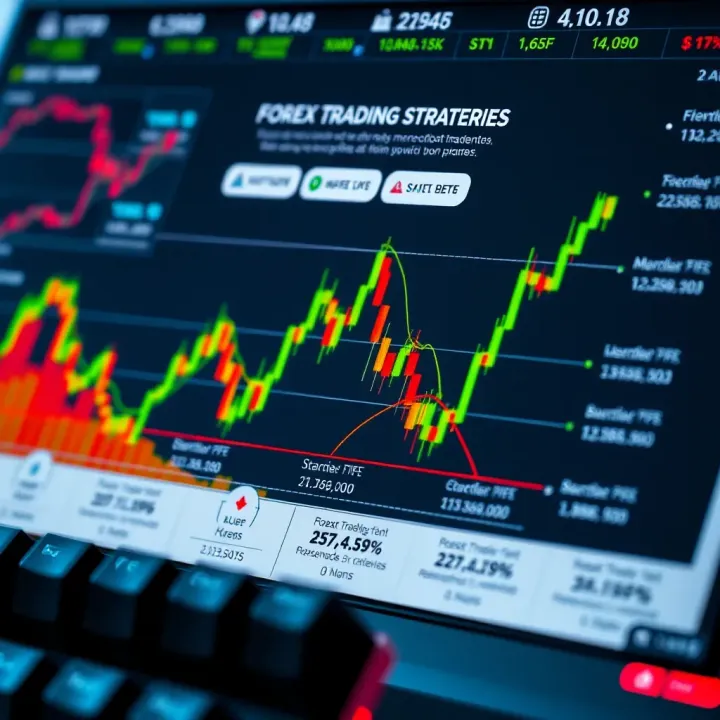
Mastering forex trading strategies is a must for anyone aiming to trade successfully in Kenya’s financial markets. These strategies form the foundation for making informed decisions and managing risks effectively. Forex trading notes, especially in PDF format, break down these strategies into easy-to-understand segments, giving you practical steps to follow and examples tailored to the Kenyan context.
Reading charts and indicators is the backbone of technical analysis. Charts display currency price movements over time, helping traders spot trends and reversals. For instance, a Kenyan trader might use candlestick charts on the USD/KES pair to spot when prices are about to drop or rise. Indicators like the Relative Strength Index (RSI) or Bollinger Bands give added signals on momentum and volatility, making it easier to time entries and exits.
Common patterns to watch include formations like head and shoulders, double tops or bottoms, and triangles. Recognising these patterns quickly can signal potential market direction changes. Say you notice a double bottom on the EUR/USD chart—that might hint at a price rally soon. Forex notes will usually have diagrams and real examples to help you identify these shapes on various timeframes.
Using moving averages helps smooth out price noise and shows the overall trend. For example, a 50-day moving average crossing above a 200-day moving average (known as a golden cross) might indicate a good buying opportunity. Kenyan traders can apply this when trading major pairs like GBP/USD or USD/JPY to filter out false signals and confirm trends.
Economic indicators that affect forex include reports like GDP growth, employment rates, and inflation figures. These figures influence how strong a country's currency is viewed. Kenya’s traders watching the US Non-Farm Payroll (NFP) report will understand that a strong US job number often strengthens the USD, affecting pairs like USD/KES.
News impact on currency prices means that unexpected reports or political events can cause sharp price movements. For example, a surprise interest rate hike by the Central Bank of Kenya (CBK) can boost the shilling, which traders must react to promptly. Forex trading notes help you learn how to monitor news feeds without overreacting.
Interest rates and central banks play a major role in forex pricing. Kenya’s CBK decisions, or shifts by the US Federal Reserve, set the tone for currency demand. Higher interest rates attract foreign capital, pushing a currency up. Notes often explain the lag between central bank announcements and price reactions, preparing traders for such scenarios.
Scalping and day trading are short-term tactics aimed at small, frequent profits. A day trader in Nairobi might open and close trades within hours on the EUR/USD, capitalising on small price moves. These strategies demand quick decision-making and strict discipline, which detailed notes outline clearly.
Swing trading approach involves holding positions for several days or weeks to capture market swings. Kenyan traders with full-time jobs might prefer this, as it doesn’t require constant monitoring. Forex notes provide examples using trend analysis and support/resistance levels to help identify swing trade opportunities.
Carry trade basics exploit interest rate differences between currencies. For instance, borrowing USD at low rates to buy higher-yielding currencies like the Turkish Lira can earn interest income. While riskier, understanding carry trade helps you diversify your strategies. Notes explain how to assess risks such as sudden currency drops.
Forex trading notes serve as both roadmaps and toolkits, guiding you through the complexities of different strategies while offering practical, reusable knowledge.
Having clear, well-explained strategies in your forex notes empowers you to trade with confidence and adapt as market conditions change.
Risk management is the backbone of sustainable forex trading, especially for Kenyan traders navigating volatile markets. Using well-prepared forex trading notes in PDF format helps you grasp practical tools for protecting your capital. These notes outline strategies that reduce chances of heavy losses and help you maintain steady progress, even when the market moves unpredictably.
Setting stop-loss and take-profit orders is a fundamental risk control technique. A stop-loss helps you exit a trade automatically when the price moves beyond a level you’re willing to lose, which is vital when currency pairs swing suddenly. For example, if you buy USD/KES at 110 and set a stop-loss at 108, the trade will close if the price drops, limiting your losses. Meanwhile, take-profit locks in gains by closing the trade when the price hits a favourable level — essential to avoid greed eating into profits.
Position sizing and leverage control tune your exposure to risk. Forex brokers offer leverage, allowing you to trade large positions with little cash. However, announcing high leverage without control can wipe out your account fast. Your trading notes should emphasise calculating position size relative to your account balance, so you don’t risk more than, say, 2% on a single trade. For instance, with a KSh 50,000 account, risking 2% means your stop-loss amount is KSh 1,000 – a practical limit that keeps you in the game longer.
Maintaining trading discipline means sticking to your trading plan, no matter the market mood or emotion. Forex notes remind you to avoid chasing losses or doubling down on losing trades. Discipline also includes reviewing your plan after each trade and adjusting only based on systematic learning, not gut feeling. Kenyan traders, who often juggle forex with other hustles, need this mindset to avoid impulsive decisions that drain capital.
Overtrading and emotional decisions frequently trip beginners. Trading too many times in a day or risking money without clear setups increases chances of losses. Emotional trading, like entering when anxious or excited, tends to ignore strategy rules. Practical forex notes highlight techniques to recognise emotional triggers and keep a clear head.
Ignoring economic news leaves traders blindsided, as major news impacts forex prices quickly. For example, Kenya's Central Bank announcements on interest rates can cause KES to fluctuate. Your notes should encourage tracking key economic calendars and understanding how news releases affect currency pairs. Missing these signals often results in poor timing.
Neglecting a trading plan is like going to the shamba without a hoe. Without a clear plan showing entry, exit, and risk levels, trades become guesswork. Good notes stress crafting and following a detailed plan to bring structure and reduce random losses. Consistency through planning also builds confidence and long-term success.
Strong risk management is not optional — it is the trader’s shield. Using clear, practical notes to master risk control keeps your forex trading journey safe and profitable in the Kenyan market.
By embedding these principles into your daily trading routine, you'll protect your capital better and improve your chances of steady wins over time.
Access to reliable forex trading notes and resources is essential for Kenyan traders aiming to improve their skills and make informed decisions. Quality materials help avoid misinformation, reduce errors, and build confidence in trading. In Kenya’s growing forex community, having trusted resources tailored to local market conditions, currency pairs, and regulations can greatly influence a trader's success.
Educational websites and brokers play a major role in providing accurate and regularly updated forex notes in PDF format. Leading forex brokers operating in Kenya, such as HF Markets or HotForex, often offer free downloadable materials that explain trading concepts, strategies, and risk management. These PDFs are usually practical, easy to read, and designed with beginners and intermediate traders in mind. Using broker-provided notes ensures you get information aligned with live market conditions, which is especially helpful for those new to forex.
Several educational websites, including local platforms like the Nairobi Securities Exchange’s learning portal or finance blogs focused on East Africa, also share comprehensive forex guides in downloadable PDFs. These cover foundational knowledge and address unique challenges faced by Kenyan traders, such as KSh fluctuations or the influence of regional economic news.
Local forex communities and forums offer an interactive way to access forex notes and share learning resources. Forums like Forex Kenya or private WhatsApp groups organised by local trading communities often circulate PDFs shared by experienced traders. These allow you to tap into collective knowledge and get materials that focus on strategies proven in the Kenyan market. Besides notes, members exchange tips on where to find trustworthy resources, making these communities valuable for continuous learning.
Participating in such forums also gives you feedback on your approach and helps you stay aware of scams or misleading content, which unfortunately can be common in online forex materials.
Books and online courses are indispensable for deepening your forex expertise. Several books tailored to forex trading basics and advanced strategies are available in Kenya’s major bookstores like Text Book Centre or through online retailers such as Jumia Kenya. Titles like "Forex Trading for Beginners" by Anna Coulling have been widely used by Kenyan forex learners.
Online courses often come with downloadable notes and exercises that cater to various proficiency levels. Sites like Udemy and Coursera offer courses with Kenyan-friendly payment options via M-Pesa, which makes accessing these resources practical. Some courses focus specifically on East African market conditions, adding local value that generic international courses might lack.
Mobile apps for forex trading have become central to learning and practising forex in Kenya. Apps like MetaTrader 4 and 5 not only allow real-time trading but also provide access to educational content, including PDF files, charts, and strategy guides. Using these apps keeps your learning materials close, even when you are on the move, say commuting on a matatu or during breaks.
Localised Kenyan trading apps also integrate features like push notifications for market news and periodic learning tips, helping traders stay engaged. Combining practical trading with study materials on one platform improves the learning curve.
E-readers and document organisers simplify managing multiple forex PDFs, notes, and reports. Tools like Adobe Acrobat Reader or PDF Expert offer annotation features so you can highlight key points or add personal notes. Using an e-reader or tablet helps keep your forex library organised and accessible without carrying physical papers.
For Kenyan traders who prefer printed materials, having digital backups on devices prevents losing critical information. Organising files by topic — for example, separating technical analysis notes from fundamental insights — makes quick referencing easier during live trading hours.
Stay updated via news alerts— Kenya’s forex market reacts not only to global shifts but also local events, such as Kenya Revenue Authority (KRA) announcements or Central Bank of Kenya’s policy changes. Using news alert services from trusted Kenyan financial news websites or apps like Bloomberg and Reuters tailored to African markets helps you receive timely updates.
Alerts can be customised to specific currency pairs like USD/KES or EUR/KES, giving an edge in decision making. Incorporating these alerts alongside your PDF notes ensures you connect theoretical learning with real-time market factors, sharpening your trading strategies.
Keeping forex trading knowledge fresh and dependable is the bedrock of steady trading profits. Combining quality PDFs, community insights, and technology reflects how Kenyan traders can professionally approach forex markets.
📈 Want to start forex trading in Kenya? Learn how to choose a trusted broker, comply with KRA regulations, set up your account, and manage risks for success.

Learn how to start forex trading safely in Kenya! Understand key terms, pick the right broker, manage risks, and avoid common mistakes to trade confidently 💱📊

📈 Ready to start forex trading in Kenya? Learn how to pick trusted brokers, understand regulations, manage risks, and grow your trading skills with ease and safety!

💱 Learn how forex trading works and how it affects your money in Kenya. Get tips on starting safely, managing risks, and making smart currency moves in the global market.
Based on 13 reviews