
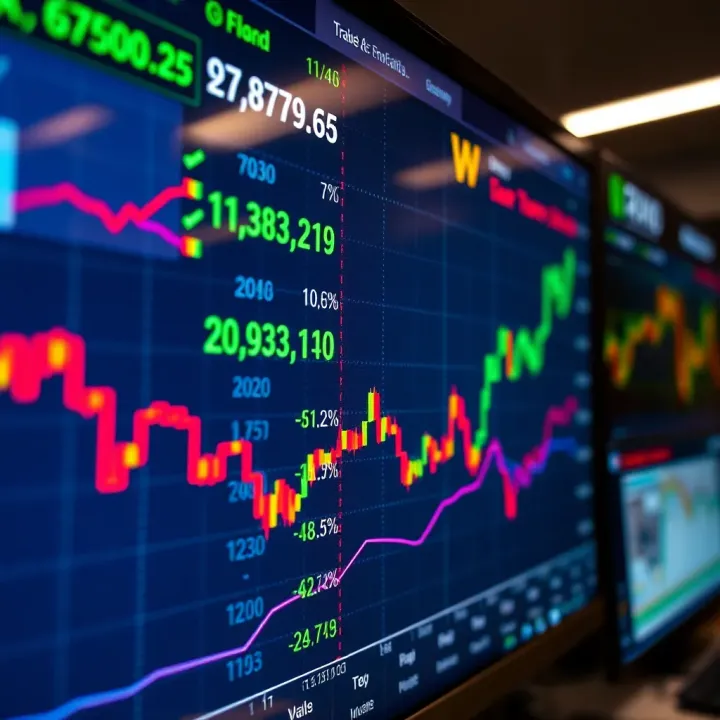
How to Start Forex Trading in Kenya: A Practical Guide
📈 Want to start forex trading in Kenya? Learn how to choose a trusted broker, comply with KRA regulations, set up your account, and manage risks for success.
Edited By
James Harrington
Forex trading, or foreign exchange trading, involves buying and selling currencies to profit from their changing values. In Kenya, this market has gained traction among traders and investors looking for new ways to grow their capital beyond traditional avenues like stocks or real estate.
Starting forex trading here requires an understanding of how the market operates, the local regulations, and practical tools for trading. The Kenyan forex market mainly operates online, opening opportunities for anyone with internet access and a device to join in.
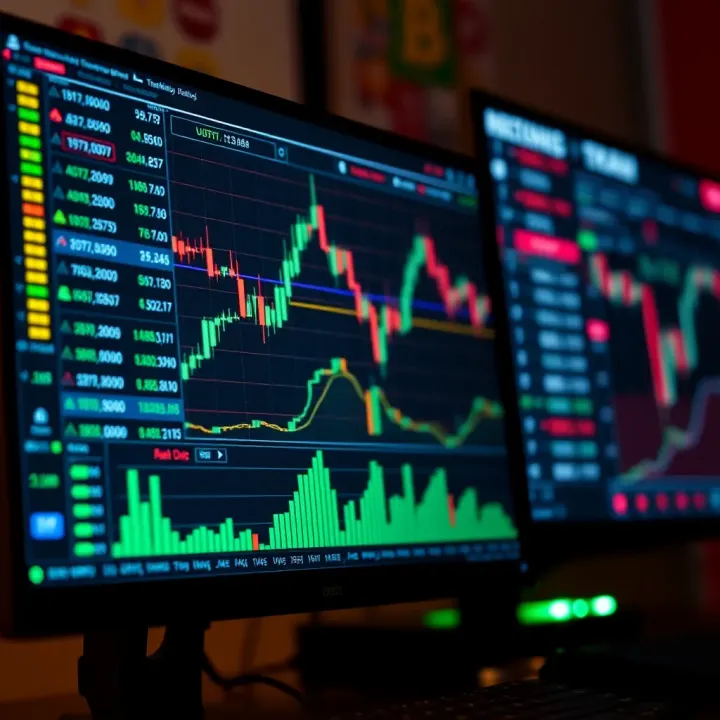
Forex trading is not a quick way to get rich; it demands discipline, knowledge, and continuous learning to succeed.
The process begins with choosing a reliable forex broker. It’s important to pick ones registered with the Capital Markets Authority (CMA) or reputable international brokers that accept Kenyan clients. Platform reliability, customer service, and ease of funding accounts matter most.
Funding your trading account usually involves M-Pesa, Kenya’s popular mobile money service, which simplifies deposits and withdrawals. Brokers offering M-Pesa options bring convenience and speed to the process, parts that are especially valuable for local traders.
Managing risk must come early in your learning curve. Tools like stop-loss orders help prevent losses from unexpected market swings. Many traders limit their initial investments to amounts they can afford to lose while building experience.
To get started practically:
Register with a CMA-authorised broker or a trusted international platform.
Complete the verification process using official Kenyan IDs.
Fund the account via M-Pesa or bank transfers.
Use demo accounts to practise without risking real money.
Gradually move to live trading with small investments.
This guide will explore these steps in depth, providing examples of reputable brokers, tips on analysing currency movements, and ways to develop a disciplined trading routine suited to Kenyan conditions. Whether you are a student, a broker, or an investor, understanding these basics will help you participate confidently in forex trading here.
Grasping how forex trading works and why it attracts many Kenyans gives you a strong foundation before diving in. This understanding helps you make smarter choices and spot genuine opportunities amidst risks. Forex trading isn't just about guessing currency movements; it involves knowing market forces, tools available, and how local factors like technology and payment systems influence trading.
Forex trading means buying and selling currencies on the foreign exchange market to profit from their value changes. Think of it as exchanging dollars, euros, or yen for Kenyan shillings, hoping that later you'll trade back at a better rate. So, if you buy the US dollar when it’s cheap and sell after it rises against the shilling, you make a profit. This market operates 24/7, making it very flexible for traders worldwide.
Unlike other investments like stocks or real estate, forex trading doesn’t rely on owning a company's shares or physical property. Instead, it focuses purely on currency price fluctuations driven by economic news, political events, and market sentiment. This means forex can react quickly to global events, offering chances for profit but also risks if you're unprepared. For example, a sudden policy change in the US could shift the dollar’s value against the shilling within minutes.
The big push behind forex’s popularity here lies in mobile internet and smartphone access. Most Kenyans now have affordable smartphones and can trade anytime through apps like MetaTrader that work well on mobile data. You don’t need a desktop computer or expensive setups. Even matatu conductors or boda boda riders can open trading accounts and follow forex markets during their breaks, making it very accessible.
Kenyans also benefit from growing financial literacy. More people attend workshops or follow online courses explaining how to read charts or manage risks. This helps make forex a more viable way to earn extra income compared to traditional savings, especially with interest rates low. For instance, a small-scale trader in Kisumu might use forex profits to pay school fees or support a side business.
Mobile money services such as M-Pesa play a big role too. Funding your trading account can happen instantly via M-Pesa, bypassing banks which might be slower or charge higher fees. This convenience supports fast reaction to market changes – if you spot a good opportunity, you can fund your account quickly and act immediately. Also, some brokers accept payments through Paybill or Till numbers, further easing deposits and withdrawals.
Understanding the blend of technology, education, and mobile payment methods explains why forex trading has caught on among Kenyans looking for flexible and accessible investment options.
Understanding the legal and regulatory framework is essential for anyone interested in forex trading in Kenya. This framework protects traders by ensuring fair play, reducing the risk of fraud, and providing recourse if things go wrong. It also shapes how brokers operate and which platforms Kenyans can trust.
The Central Bank of Kenya (CBK) supervises the country’s financial system to maintain stability and public confidence. For forex trading, CBK’s role includes regulating foreign exchange activities connected to Kenyan shillings, such as cross-border payments and licensing foreign exchange bureaus. While CBK does not directly regulate individual forex brokers, it monitors foreign currency flows and ensures compliance with currency controls.
For example, when Kenyans transfer funds for overseas forex trading accounts, CBK regulations around the movement of foreign currency become relevant. Understanding CBK’s policies helps traders comply with legal requirements on currency exchange and avoid infractions.
The Capital Markets Authority (CMA) protects investors by regulating securities and investment markets in Kenya. It licenses and supervises brokers, dealers, and fund managers. While forex trading itself falls outside direct CMA control, forex brokers offering contracts for difference (CFDs) or other derivatives must be licensed by CMA to operate legally.
CMA also tackles practices like insider trading, market manipulation, and fraud, which maintain the integrity of financial markets. Knowing the CMA’s role aids traders in selecting brokers compliant with Kenyan laws.
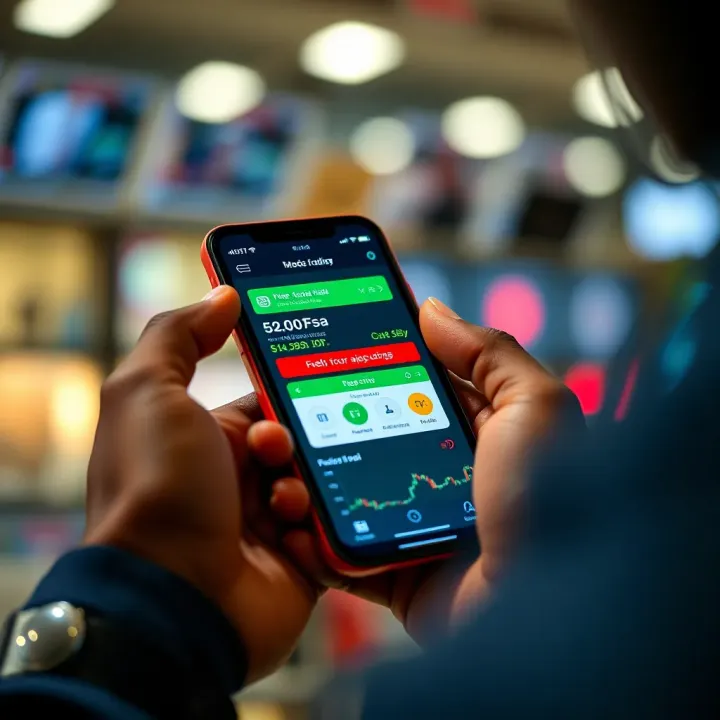
It’s vital to pick a forex broker authorised or licensed to operate in Kenya. Licensed brokers comply with regulatory standards that protect traders’ funds and ensure transparency in trading conditions. Kenyan traders should verify if the broker is registered with CMA or recognised internationally with solid reputations.
For instance, brokers regulated by CMA or well-known bodies like the Financial Conduct Authority (FCA) in the UK offer added peace of mind. Kenyan traders often prefer brokers supporting local payment options like M-Pesa, which licensed platforms tend to facilitate.
The forex space in Kenya has seen cases of scams from unlicensed brokers promising unrealistic returns. Such operators may disappear with clients’ money or manipulate trades. Traders must be wary and avoid brokers without proper licensing or clear regulatory oversight.
To protect yourself, check for broker registration details on official regulatory websites and read reviews from established trading communities. Remember, if a deal sounds too good to be true, it probably is. Staying vigilant and informed reduces the chances of falling prey to fraudulent schemes.
Always confirm a broker’s regulatory status before opening an account. This simple step safeguards your investment and builds trading confidence.
Having a grip on Kenya’s legal and regulatory environment equips you to trade forex safely and confidently. It’s the foundation for a sustainable trading journey.
Starting well in forex trading makes all the difference between sinking and swimming. In Kenya, beginning your trading journey involves clear choices on brokers, account setup, and tools that fit your needs. These early decisions lay a foundation for effective trading, helping you navigate both the local and global currency markets confidently.
Choosing a reliable broker is the first big step. Look for brokers authorised by the Capital Markets Authority (CMA) or recognised international regulators. Key criteria include transparent pricing, fast execution speeds, and strong customer support. Watch out for brokers with complicated fee structures or poor reviews from other Kenyan traders.
Popular brokers serving Kenyans include FXTM, HotForex, and XM, each offering varied account types and educational resources. FXTM, for example, allows funding via M-Pesa, which is practical for many Kenyans, while HotForex offers demo accounts to practise without risking real money.
Opening an account usually involves submitting identification documents like your national ID or passport and proof of residence. Completion of a KYC (Know Your Customer) process is standard and helps prevent fraud. Most brokers have simplified digital onboarding, making it quicker for traders across Kenya.
Funding your trading account can be straightforward with options like M-Pesa, bank wire transfers, or mobile money wallets. M-Pesa works well because it’s widely used throughout the country, allowing you to top up instantly. Some brokers even enable direct Lipa Na M-Pesa payments, meaning you can manage deposits without leaving your phone.
MetaTrader 4 (MT4) and MetaTrader 5 (MT5) remain the gold standard platforms due to their user-friendly interfaces and advanced charting tools. They support automated trading and custom indicators, which Kenyan traders find especially useful for analysing market trends.
Besides desktop versions, most brokers offer web-based platforms that run smoothly on browsers without installation. These are handy if you switch devices often or have limited storage space.
Mobile apps are a big deal here, letting you trade on the move whether you are commuting on a matatu or at a cafe. Apps from brokers like XM and HotForex provide real-time alerts and one-touch trading, important features to react fast when forex markets shift.
Starting your forex trading journey properly helps you avoid costly mistakes and builds confidence. By picking the right broker, understanding the account process, and using solid tools, you set yourself up for better trading results in Kenya’s growing forex scene.
Trading forex successfully in Kenya involves more than just buying and selling currencies. Developing strong strategies and solid risk management plans help protect your capital and boost your chances of making steady profits. Without these, many traders dive in blindly and quickly lose money. This section explores key strategies beginner traders can apply and practical risk controls that keep your investments safe.
One of the simplest yet effective strategies for new traders is to follow market trends. This means observing the general direction of currency prices — whether they rise, fall, or stay flat — and making trades that align with these movements. For example, if the US dollar is strengthening against the Kenyan shilling over several days due to strong economic data from the US, a trader might buy USD/KES expecting the trend to continue.
Technical analysis supports this approach by using past price data to predict future moves. It relies on charts and patterns rather than economic fundamentals or news. For instance, spotting a 'head and shoulders' pattern on a chart might signal a trend reversal. This hands-on method helps traders identify entry and exit points based on solid, observable signals rather than guesses.
Charts are the trader's compass in forex markets. They map price changes over various time frames, from minutes to months. Traders use different types of charts – line, bar, or candlestick – which offer visual clues about market conditions.
Indicators are tools that apply mathematical formulas to price or volume data, helping traders make sense of market direction and strength. Common indicators include the Moving Average (MA), which smooths price data to show trends, and the Relative Strength Index (RSI), which indicates if a currency is overbought or oversold. For example, an RSI above 70 may hint a pair like EUR/USD is overheated and due for a correction, prompting traders to sell.
These tools combined provide a clearer picture of when to buy, sell, or hold. Kenyan traders often rely on platforms like MetaTrader 4 and 5, which come with built-in charts and indicators, making it easier to practice these strategies.
Protecting your capital means planning for losses as much as gains. A stop-loss order tells your broker to automatically close your trade if the price moves against you by a predetermined amount. For instance, if you buy GBP/KES at 150 and set a stop-loss at 147, your trade closes automatically if the price drops to 147, limiting your loss.
Similarly, a take-profit order allows you to lock in gains by closing the trade once the price reaches a favourable level. This prevents emotional decisions like holding on too long and losing profits to market swings. These orders are essential in busy Kenyan markets where traders can’t watch charts every second, especially if they have other commitments.
Leverage allows you to control larger positions with smaller amounts of money, which can amplify profits but also losses. Many brokers offer leverage up to 1:100 or more, tempting traders to risk more than they can afford. For example, with KSh 10,000 and 1:100 leverage, you can control a position worth KSh 1 million.
While that sounds exciting, a small adverse move of just 1% can wipe out your entire stake. New traders in Kenya should start with low leverage or none at all, focusing on learning the market first. This cautious approach reduces the risk of losing life savings and encourages steady growth.
Before putting real money at risk, Kenyans new to forex should use demo accounts offered by most brokers. These simulate real market conditions but use virtual funds, allowing you to practise trading strategies without financial loss.
A demo account helps you get familiar with trading platforms, understand order types, and refine your strategy. For example, you can test how setting stop-loss or take-profit orders affects your trades without risking a cent. Many Kenyan brokers also provide support and tutorials alongside demo accounts, enhancing your learning experience.
Taking time to build a disciplined approach using strategies and risk management tools will improve your chances of success and prevent costly mistakes.
Adopting these practices in your forex trading routine creates a foundation where you control risk rather than risk controlling you. Kenyan traders who stick to these basics often find a smoother path toward profitable forex trading over time.
Forex trading in Kenya has gained traction, yet it comes with its own set of challenges and practical hurdles. Understanding these helps traders manage expectations and improve their chances of success. Being aware of common pitfalls enables you to trade smarter, harness the right resources, and navigate the market’s ups and downs with confidence.
Volatility and market unpredictability pose a big challenge for any forex trader globally, Kenya included. The forex market moves at lightning speed, reacting instantly to global events, economic reports, and geopolitical tensions. For example, a sudden change in US Federal Reserve policy or unexpected Kenyan election results can cause wild swings in key currency pairs like USD/KES. This unpredictability means traders risk losing capital quickly if they are not prepared or if they use excessive leverage.
This reality makes it essential for traders to develop strong risk management habits. Without them, even a small position can lead to outsized losses because the Kenyan forex scene often involves trading on margin. The increased volatility during certain times also means that relying solely on basic strategies without adjusting for market conditions can be costly.
Another challenge is the limited local support and resources available to Kenyan traders. Unlike in more developed markets where traders can easily consult licensed financial advisors or attend in-person seminars, Kenyan forex traders often rely on online sources and foreign brokers. Local forex education centres and mentorship programmes remain scarce outside major cities like Nairobi.
This lack of easy access to locally-tailored guidance can leave new traders vulnerable to scams and poor decision-making. Practical knowledge on how to interpret forex charts in Kenyan Shilling terms or how local economic factors affect forex prices is less common. The scarcity of robust, local trading communities also means Kenyan traders may feel isolated or struggle to verify trading tips.
Continuous learning and staying informed are vital to keep pace with the fast-moving forex market. Regularly following economic news, policy changes from the Central Bank of Kenya (CBK), and global financial updates ensures you make decisions based on current facts, not old rumours. Kenyan traders should also make time to improve their technical analysis skills and understand the impact of events like inflation reports or trade balances.
Many traders underestimate how much of a difference ongoing education can make. Joining webinars, reading respected forex blogs with a focus on local context, or even practising on demo accounts helps sharpen skills without financial risk.
Using local trading communities and forums can bridge the gap left by limited professional support. Groups where Kenyan traders share insights on WhatsApp, Telegram, or Facebook provide a platform to exchange tips, alert each other to scams, and discuss local market peculiarities. For instance, a community might warn about a shady unlicensed broker targeting Nairobi-based clients or share information on Kenyan regulatory updates.
These networks also create a sense of accountability, helping traders avoid emotional decisions and stay disciplined. A good trading circle often acts as a support system, reminding members to stick to tested strategies.
Keeping emotions in check plays a huge role in protecting your capital. Forex trading can trigger strong feelings – excitement during wins and frustration when facing losses. Emotional trading often leads to rash decisions like chasing losses or increasing stake sizes impulsively.
Developing a clear trading plan with well-defined stop-loss and take-profit levels helps you stay calm and disciplined. Experienced Kenyan traders often recommend stepping away from the screen when emotions run high, or setting reasonable daily loss limits to avoid costly mistakes. Remember, patience and emotional control are as important as the charts you analyse.
Wise forex traders in Kenya know that mastering the market requires not only technical know-how but also handling unpredictability, continuous learning, community support, and emotional control to protect their investments and grow steadily.
📈 Want to start forex trading in Kenya? Learn how to choose a trusted broker, comply with KRA regulations, set up your account, and manage risks for success.
Learn how to start forex trading safely in Kenya! Understand key terms, pick the right broker, manage risks, and avoid common mistakes to trade confidently 💱📊
📈 Ready to start forex trading in Kenya? Learn how to pick trusted brokers, understand regulations, manage risks, and grow your trading skills with ease and safety!

💱 Learn how forex trading works and how it affects your money in Kenya. Get tips on starting safely, managing risks, and making smart currency moves in the global market.
Based on 12 reviews