

What Is Copy Trading? Guide for Kenyan Investors
📊 Learn how copy trading lets Kenyan investors mirror expert traders automatically. Discover benefits, risks, and key tips to grow your KSh investment smartly.
Edited By
Chloe Bennett
Binary trading has gained attention in Kenya, especially among investors eager to multiply their money quickly. But the question on many lips is whether it’s really legit or just another way to lose KSh. To figure this out, we first need to understand what binary trading involves.
At its core, binary trading means betting on whether an asset’s price will rise or fall within a fixed time frame. You don’t buy the asset itself—instead, you predict its movement. If you guess right, you earn a fixed return; if you’re wrong, you lose your stake. This simplicity is attractive but also masks some dangers.

Is binary trading regulated in Kenya? Not directly. The Capital Markets Authority (CMA) does not oversee binary options as it does stocks or forex. This lack of regulation opens a window for rogue operators to take advantage of unsuspecting investors. That’s why many traders fall victim to scams promising easy money but disappearing with deposits instead.
Always check if a trading platform is licensed by recognised bodies like CMA or international regulators before committing funds.
Despite the risks, some legitimate platforms do exist, typically those regulated by strict authorities such as the UK’s Financial Conduct Authority (FCA) or Cyprus Securities and Exchange Commission (CySEC). Kenyan investors can use these but must exercise caution, especially in verifying the platform’s credentials.
For practical example, imagine you bet KSh 10,000 that the price of Safaricom shares will rise within 60 seconds. If correct, you might earn KSh 18,000 (your initial amount plus profit). But if Safaricom’s price falls instead, you lose your KSh 10,000. The short time frame means the market's slightest twitch can wipe you out quickly.
When considering binary trading, weigh the following:
High risk and uncertain outcomes compared to conventional investments
Fast-paced nature that can lead to emotional decisions
Potential for scams and unlicensed brokers
Limited consumer protections compared to banking or stock investments
Understanding these realities helps Kenyan investors decide if binary trading fits their risk profile and financial goals. In this article, we will explore the tools to identify trustworthy platforms, the common traps to avoid, and how to protect your hard-earned shillings while navigating this tricky market.
Grasping how binary trading operates is essential for anyone thinking of investing in this market. It’s not just about guessing whether an asset will rise or fall but understanding the specifics behind these trades can help minimise risks and maximise potential returns.
Binary trading is a form of speculation where you predict the movement of an asset’s price over a fixed time. Essentially, you bet on a ‘yes’ or ‘no’ outcome — will the price be above a certain level at expiry, or not? This simplicity attracts many investors because you know your potential loss and gain upfront.
For example, suppose you predict that the price of Safaricom shares will be above KSh 30 by the end of the day. If correct, you get a fixed payout. If wrong, you lose the amount you invested in that trade.
Common assets include stocks like Safaricom or Equity Bank, commodity prices such as oil or gold, forex pairs like USD/KES, and even market indices like the NSE 20 Share Index. Knowing which assets are more volatile or stable can influence your strategy significantly.
Profits and losses in binary trading are fixed and predetermined. This means if you invest KSh 1,000 and the payout is 80%, a successful trade returns KSh 1,800 (your stake plus profit). If the trade fails, you lose the entire stake. This setup offers clarity but also means careful decision-making is critical because losing multiple trades quickly can drain your capital.
High/low options are the simplest form. You choose whether the asset’s price will be higher or lower than the current price at expiration. This straightforward bet lets you react quickly to market movements, making it popular among beginners.
One touch and boundary options require predicting whether the price will reach or stay within certain levels before expiry. For instance, you might bet that the price of kerosene stays below KSh 120 for the day. These options can offer higher payouts but involve more complex prediction.
Short-term options and expiry periods vary from minutes to hours. For instance, a 5-minute expiry lets you trade quickly but demands sharp market reading. Longer expiry periods, such as daily or weekly, allow for more thorough analysis but delay results. For Kenyans using mobile platforms like Safaricom’s data bundles, choosing the right expiry period that fits their schedule and market understanding can impact results.
Understanding these basics helps you approach binary trading not as a gamble but as a calculated risk with clear rules. This foundation is crucial before venturing deeper or committing real money.
Each of these option types presents different levels of risk and reward, so knowing how they work can help you tailor your strategy wisely.
When considering binary trading, especially as a Kenyan investor, understanding its legitimacy is key. The financial market can be a tricky place, with some platforms operating without oversight. This section breaks down what to look for, so you don’t end up risking your hard-earned KSh on shady platforms.
Worldwide, financial watchdogs like the US Commodity Futures Trading Commission (CFTC) and the UK's Financial Conduct Authority (FCA) monitor and regulate binary trading. Their role is to ensure platforms follow strict rules, protecting traders from fraud and unfair practices. Platforms licensed by these bodies carry more credibility because they must meet high operational standards.
For example, a broker regulated by the FCA must keep clients’ funds separate from operational accounts and undergo regular audits. This lowers the risk of mismanagement or sudden closures that leave investors stranded.
In Kenya, the Capital Markets Authority (CMA) oversees most investment activities but has limited direct regulation over binary trading. This means many brokers targeting Kenyan traders operate from abroad, sometimes without CMA approval. East African countries share similar regulatory gaps, leaving investors exposed.
That said, CMA is increasingly alert to unregulated platforms and often issues warnings against firms lacking licences. Kenyan investors should check if a broker is registered locally or holds strong international licences. Those without any oversight pose serious risks.
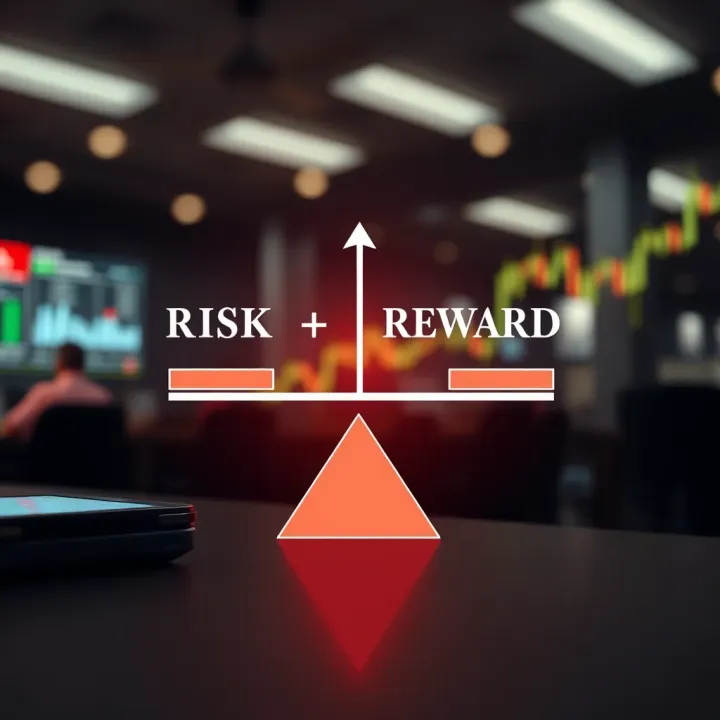
Unregulated brokers often use aggressive ads promising huge returns with little effort. They might push for upfront payments via untraceable means or refuse to offer clear contract terms. If the platform's website lacks verifiable contact details or if reviews frequently mention delays or withdrawal problems, these are red flags.
Being cautious means avoiding platforms that shy away from transparency or question your requests for verification documents. A quick Google search often reveals complaints or scam alerts from other users.
A trustworthy broker will proudly display its licence number and issuing authority on its website. Before investing a single shilling, cross-check this information with the official regulatory body’s database—for example, confirming with the FCA or CMA. Also, verify brokerage registration details linked to their physical office address.
Platforms that bypass these steps or provide vague credentials should be avoided. Legitimate brokers also undergo Know Your Customer (KYC) procedures, asking for identification and proof of address, which helps protect you from identity theft.
Payment methods say a lot about a broker’s reliability. In Kenya, platforms accepting mobile money options like M-Pesa, and well-known bank transfers, usually indicate better integration and trust. Beware of brokers insisting only on international wire transfers or cryptocurrencies without alternatives, which can complicate funding and withdrawals.
Choosing a platform that supports secure and local payment methods simplifies transactions and often adds an extra layer of protection, especially since mobile money is well regulated.
Reading what other Kenyan traders say can give important insights. Trusted trading platforms have balanced reviews discussing both pros and cons. If you find many reports of delayed withdrawals, poor customer service, or disappearing accounts, steer clear.
Keep an eye out for over-the-top promises in testimonials or generic positive reviews that seem paid or fake. Forums, social media groups focused on Kenyan trading, and local finance blogs provide more reliable feedback.
Always take time to investigate a platform’s reputation. It’s better to miss a quick opportunity than lose money to a scam.
Understanding these elements helps you spot legitimate binary trading platforms and avoid pitfalls common in Kenya’s growing but loosely regulated market. Being cautious and informed goes a long way towards safer investing.
Binary trading appeals to many investors because of its straightforward nature and quick outcome potential. However, it’s critical to understand the risks and challenges involved before putting your money on the line. This section highlights the main dangers and hurdles you may encounter, helping Kenyan investors make safer decisions.
Binary trading is largely a speculation tool. Unlike traditional investments such as stocks or bonds, it depends on predicting short-term price movements whether an asset will go up or down within a set time. This “all or nothing” approach means you either win a fixed payout or lose your entire stake. For example, betting KSh 5,000 on a high/low binary option is a gamble — if the prediction is wrong, that money vanishes.
Because of this nature, it’s easy to lose capital fast, especially without a solid understanding of the market or without proper strategies. The risk is not spread like investing in a diversified portfolio, so one wrong call can wipe out a large chunk of your funds.
To protect yourself, risk management strategies are essential. Setting strict limits on how much capital you expose per trade or day helps curb potential losses. Many experienced traders suggest risking no more than 1-2% of your trading funds on a single binary option.
Using demo accounts to practise first can also prevent costly mistakes. These allow you to understand how different expiry times, asset choices, and market conditions influence your trades. In this way, you build skills and discipline before using real money.
The binary trading space has attracted fraudsters who lure unknowing investors into scams. Common tactics include unlicensed platforms promising guaranteed returns, pressure to keep depositing more funds, and withdrawal restrictions.
One scam example involves fake platform verifications—showing users false trading data to create illusions of profit, only to block withdrawals later. Some brokers use aggressive cold calls or messages, pushing you to invest immediately, often without proper licence or oversight.
To avoid falling victim, Kenyan investors should always verify a broker’s licence with recognised authorities, such as the Capital Markets Authority (CMA) in Kenya or reputable international bodies. Trusted payment methods that safeguard your money—like M-Pesa or bank transfers with clear account details—should be preferred.
Reading genuine user reviews and forums also helps identify red flags early. If a platform has many complaints about delayed payments or hidden fees, it’s better to steer clear.
Always confirm a binary trading platform's credibility before investing, even if it looks professional online.
Losses affect decision-making profoundly. When traders face repeated losses, they may become emotional, chasing to recover money quickly with riskier bets. This behaviour often leads to even bigger losses.
Binary trading demands discipline and self-control. Sticking to your trading plan, avoiding impulsive trades driven by fear or greed, and accepting losses calmly are necessary for long-term involvement. For instance, knowing when to stop after a few losing trades can save your capital from being drained.
Developing this mindset isn’t easy, especially for beginners. Many start off excited but lose focus due to emotional swings. Practising proper risk limits and using tools like stop-loss orders, even in binary options, can help manage these psychological pressures.
Understanding and preparing for these mental challenges enables you to approach binary trading more objectively and with a clear strategy, rather than pure chance or emotion.
In summary, binary trading carries a high risk of capital loss, a real threat of scams, and significant psychological hazards. Kenyan investors should treat it cautiously, combine education with disciplined risk management, and thoroughly vet the platforms they use to improve their chances of protecting their money.
Before diving headfirst into binary trading, Kenyan investors should weigh its benefits against the drawbacks. This is not just a matter of understanding how the market works, but of realistically assessing whether binary trading suits their financial goals and risk appetite. For many, the appeal is the chance to earn quick returns with simple mechanics, but that convenience often comes with serious risks that could undercut long-term financial health.
Binary trading’s main draw is its straightforward nature. Unlike traditional stock or forex trading, binary trading asks a simple question: Will the price of an asset rise or fall within a set time frame? This makes it easy for first-timers, even those without deep market knowledge, to participate. For example, a Kenyan investor following maize or coffee prices can predict price movement without complex chart analysis.
The accessibility also extends to low entry requirements. Many platforms allow starting trades with as little as KSh 100, opening doors for small-scale traders who cannot afford hefty initial investments in other markets.
Binary trading offers the possibility of earning returns in minutes, hours, or within a single trading day. Unlike long-term investments that take months or years to mature, binary trades can pay out quickly if the prediction is correct. This speed appeals to Kenyan traders who want to see immediate results, especially those juggling multiple income sources.
However, while quick gains are possible, the quick turnaround also means quick losses if the market moves against the trader.
Kenya’s high mobile penetration has made mobile-friendly trading platforms especially popular. Investors can place trades anytime, anywhere, using smartphones and stable internet connections. Platforms optimised for mobile use, combined with familiar payment methods like M-Pesa, make entry and exit points seamless.
This ease helps those in towns outside Nairobi or with busy schedules to participate without sacrificing daily commitments. A trader can place a bet on forex or commodity markets right after boda boda rides or during breaks at work.
Binary trading is a form of speculation with a near-all-or-nothing outcome. Unlike Kenyan government bonds or fixed deposit accounts offering steady, though modest, returns, binary options can lead to total loss of invested capital in seconds.
For instance, a trader betting KSh 1,000 on the price of oil rising may lose everything if the market moves slightly in the opposite direction. This high risk suits those willing to gamble but is unsuitable for most Kenyan investors looking for stable growth.
Binary trading does not build assets or provide dividends like stocks or real estate investments common in Kenya. It mainly offers short bursts of potential profit, which can quickly evaporate. Over time, even successful binary traders may find it difficult to develop sustainable wealth without reinvesting and risking more.
Therefore, for Kenyan investors eyeing retirement funds, children’s education, or business expansion, binary trading is unlikely to replace traditional, longer-term investment avenues that offer compounded growth and stability.
Before considering binary trading, weigh the swift rewards against the risks and assess if it fits your financial plans. Often, a balanced portfolio with traditional investments complements more speculative activities better than relying solely on binary trading.
Binary trading can seem appealing with its promise of quick returns, but for Kenyans stepping into this arena, practical advice is essential to avoid costly mistakes. Understanding how to start safely, manage risks, and comply with local laws can make a real difference when investing your hard-earned KSh. This section breaks down key steps to help you protect your capital and navigate the complexities of binary trading.
Choosing a licensed and reputable broker is the first step to safeguarding your investment. In Kenya, brokers licensed by recognised regulators — even if based offshore — provide some assurance of fair practices. Always verify licence credentials with official bodies like the Capital Markets Authority (CMA) or similar international authorities. Avoid platforms that are difficult to trace, offer unrealistic returns, or insist on upfront fees outside typical deposits. For example, a Kenyan investor might steer clear of brokers without a transparent KRA PIN documentation or those refusing payments via trusted methods like M-Pesa.
Before risking real money, starting with demo accounts is a wise choice. Demo trading allows you to test the platform, understand how binary options work, and practice strategies without financial risk. Many Kenyan platforms now offer demo accounts that simulate real market conditions. This hands-on experience helps investors avoid jumping straight into losses caused by unfamiliarity or rush decisions. Practising first can build confidence, making the eventual shift to real funds less daunting.
Setting investment limits is a fundamental risk control tool. Decide how much KSh to allocate for binary trading within your overall budget and never exceed it. For instance, if you allocate KSh 10,000 monthly, ensure you don’t get tempted to chase losses by putting more money in. This discipline prevents trading from eating into vital expenses or savings. It helps you keep perspective even when the temptation to recover lost funds is strong.
Similarly, using stop-loss and other safeguards protects your capital from heavy blows. Stop-loss orders automatically close trades once losses hit a predetermined point, limiting damage. Some binary platforms provide tools to set such limits or alerts. Pairing stop-loss with clear profit targets keeps your trading systematic, not driven by emotions. Applying these safeguards reduces the risk of losing your full stake quickly, which often happens in unclear or undisciplined trading.
When it comes to reporting earnings to KRA (Kenya Revenue Authority), Kenyan investors must include profits from binary trading as part of their taxable income. Failures to declare these gains could lead to penalties or legal complications. Keeping clear records of your trades — including dates, profits, and losses — makes tax reporting straightforward. Whether trading as a hobby or business, staying compliant saves trouble down the line.
Understanding applicable tax rules is crucial. Earnings from binary trading typically fall under income tax provisions and are subject to the same rates as other incomes. You might also consider the impact on your tax brackets or eligibility for various reliefs. Consulting a tax expert familiar with investment income can clarify your obligations and help optimise your tax position.
Taking time to educate yourself on broker credibility, risk management, and tax duties ensures your binary trading experience in Kenya starts on solid ground and avoids common pitfalls.
📊 Learn how copy trading lets Kenyan investors mirror expert traders automatically. Discover benefits, risks, and key tips to grow your KSh investment smartly.

📈 Learn how crypto trading works in Kenya, explore top platforms, understand risks, and get practical tips to grow your KSh investment safely in digital currencies.

📉 Curious about forex trading in Kenya? Learn how to trade currencies, use platforms, manage risks, and follow local regulations to grow your investment portfolio wisely.

📘 Explore binary trading with this practical PDF guide tailored for Kenyan traders. Learn key strategies, essential terms, and avoid common pitfalls today!
Based on 11 reviews