
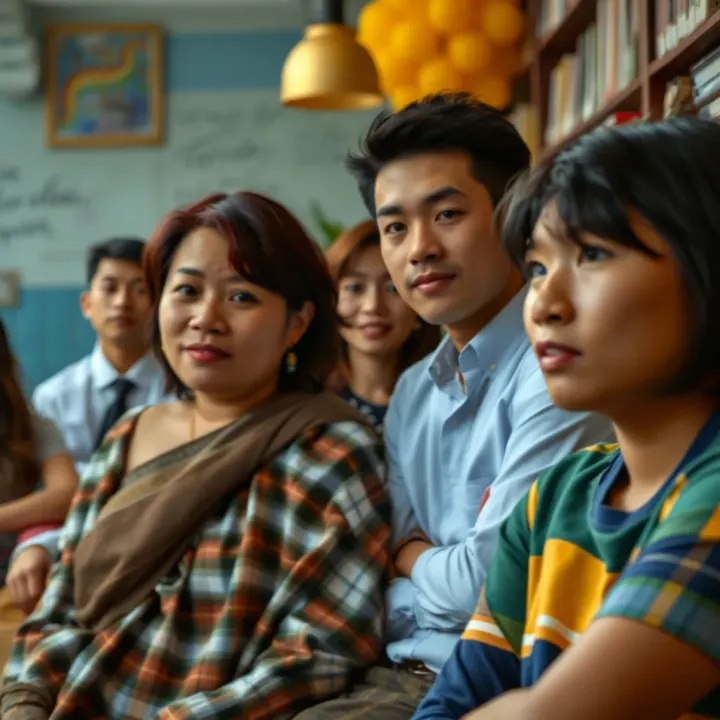
Understanding Non-Binary Gender Identity
Explore what non-binary means, how it shapes identity beyond male-female, challenges faced in Kenya, and ways to support respect and understanding 🌍✊🏽
Edited By
Mia Lawson
Understanding the identity of non-binary women requires stepping beyond traditional gender labels. In Kenya, where cultural expectations about gender roles are often clear-cut, the idea of someone identifying as both non-binary and a woman challenges common assumptions. Non-binary refers to people who do not strictly identify as male or female. When combined with womanhood, it highlights an experience that blends gender identity and expression in unique ways.
Consider a Kenyan individual who was assigned male at birth but does not feel fully male or female. Instead, they identify as a non-binary woman, embracing aspects of womanhood while also rejecting rigid categories. This identity goes beyond external traits, touching deeply on how they see themselves and want society to recognise them.
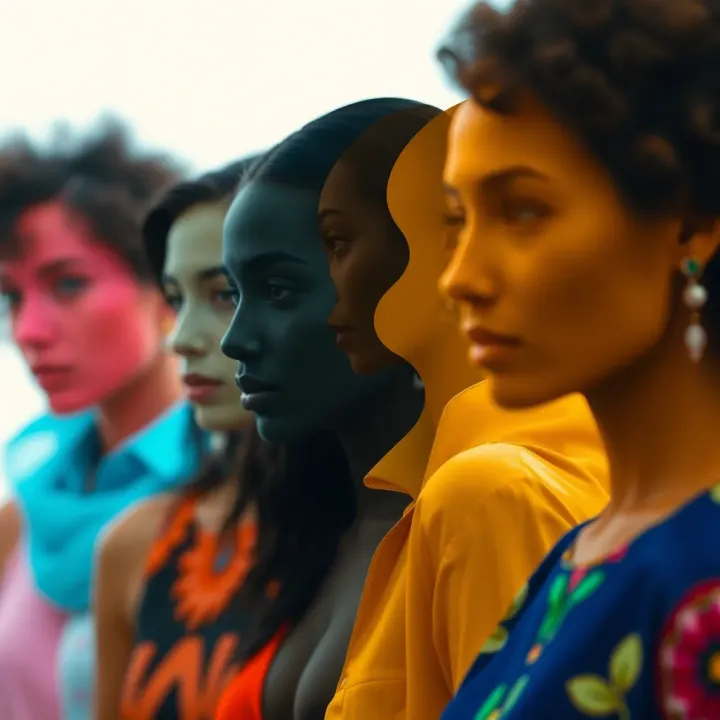
"Recognition of non-binary women means allowing spaces for identities that don't fit the norm — spaces where people can be fully themselves without fear or misunderstanding."
Kenya's social fabric is tightly woven with gender expectations linked to traditions and religion. For non-binary women, this can mean facing misunderstanding, stigma, or exclusion. They may struggle to access services like healthcare or legal recognition, especially since official documents often require choosing 'male' or 'female.' This causes practical challenges and impacts mental well-being.
Additionally, family and community pressures can be strong. For example, a young non-binary woman from a rural area might face challenges attending school or seeking employment, due to community views on gender roles.
Non-Binary: An umbrella term for gender identities that do not fit strictly into male or female categories.
Woman: A gender identity typically associated with female biology but also encompassing social and personal identity aspects.
Non-Binary Woman: Someone who identifies partially or wholly with womanhood but not exclusively within traditional gender binaries.
These definitions help clarify that gender identity is more complex than just biology or appearance. In Kenyan context, these identities often intersect with issues of respect, inclusion, and legal recognition.
This article will examine the lived experiences of non-binary women in Kenya, highlight key challenges they face, and discuss how society can foster better understanding and respect for diverse gender identities.
Understanding what it means to be a non-binary woman is key to appreciating the diverse ways people experience gender. This definition goes beyond simple categories of male and female to include identities that don't fit neatly into those boxes. Clear definitions help reduce misunderstanding and create more inclusive spaces, especially in workplaces, schools, and communities.
For example, recognising a non-binary woman acknowledges that womanhood can be flexible and personal, rather than fixed or solely tied to biology. This helps organisations adapt policies for respectful address, pronoun use, and facilities access. It also supports individuals in expressing their full selves without fear.
Traditional views often see gender as strictly male or female. However, many people feel that these two options don’t capture their true experiences. Non-binary identities reflect this broader understanding. Someone who identifies as a non-binary woman might feel connected to womanhood but also see their gender outside or between traditional categories.
In practical terms, this understanding challenges institutions to reconsider forms, data collection, and social norms that assume only two genders. It also opens doors for personal freedom in gender expression, like clothing choices or names that better reflect how someone feels inside.
Common experiences among non-binary individuals include feeling unseen or misrepresented in society. This can happen through misgendering—being called the wrong pronouns or titles—or by lacking options that fit their identity on official documents.
For non-binary women, these experiences might include both the struggles faced by women, such as sexism, and unique challenges from gender non-conformity. Understanding these realities is crucial for employers, educators, and policymakers keen on fostering fairness and respect.
Womanhood has been traditionally linked with certain roles and behaviours, which vary across cultures. In Kenya, for example, societal expectations might include motherhood, caregiving, or appearance norms. But these views are shifting as people question rigid gender roles.
Recognising womanhood as multifaceted allows space for different expressions of identity. It helps reduce pressure on non-binary women to conform to narrow ideas of what a woman should be, enabling them to forge their own paths.
Gender identity and womanhood overlap but are not always the same. A non-binary woman may feel connected to elements of womanhood but not align fully with the traditional gender binary. This intersection brings complexities like navigating societal expectations while affirming one’s gender.
Understanding this intersection is practical for service providers, workplaces, and peers who interact with non-binary women. It promotes respect for personal identities and reduces instances of exclusion or misunderstanding.
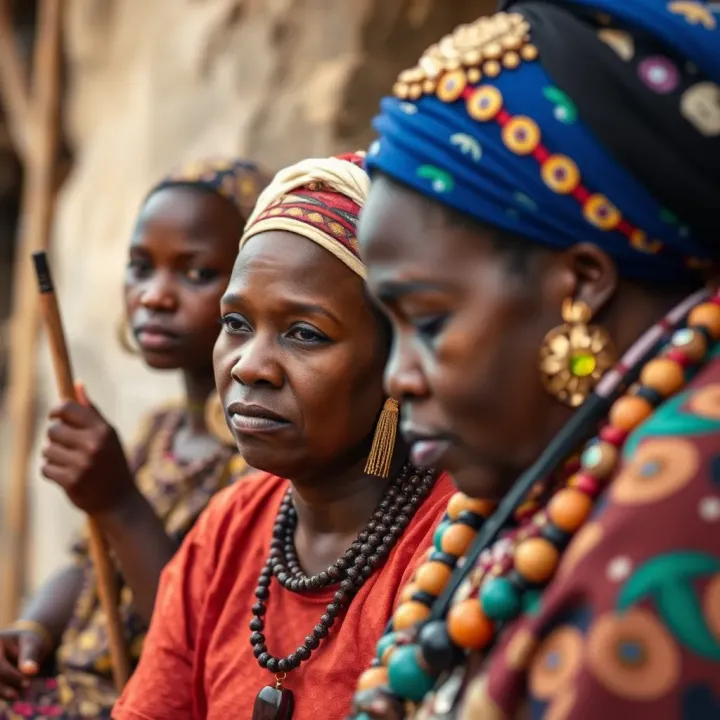
Individual stories highlight how non-binary women express their identities in varied ways. Some may adopt feminine clothing, some prefer a blend of masculine and feminine styles, while others might reject gendered norms completely.
These personal narratives shed light on the real-life diversity within the non-binary community. They also help others learn to respect different expressions and challenge stereotypes.
Pronouns are an essential part of identity expression. Non-binary women may use traditional she/her pronouns, or they might prefer others such as they/them or neopronouns. Respecting these preferences in conversation and documentation shows recognition and supports dignity.
Practically, institutions should provide options beyond male/female pronouns in forms and interactions. Training staff and raising awareness around pronoun use can prevent discomfort and make environments welcoming for all gender identities.
Recognising and defining non-binary women brings clarity and respect to gender diversity, creating a society where all individuals can freely express themselves without barriers or misjudgement.
Non-binary women face various social challenges that shape their everyday experiences and opportunities. These challenges often stem from widespread misunderstanding of gender identities outside the traditional male-female divide, impacting recognition, respect, and access to essential services. Addressing these difficulties helps foster a more inclusive society where non-binary women can participate fully, economically, socially, and politically.
Stereotypes about non-binary people often paint them as confused, attention-seeking, or even rejecting culture and tradition outright. Such stereotypes can isolate non-binary women, making them invisible or dismissed in both public and private spaces. For example, a non-binary woman at work might be seen as indecisive about their gender or assumed to be experimenting, which undermines their professionalism and sense of belonging.
This misunderstanding leads to social exclusion or overt prejudice, discouraging some non-binary women from sharing their identity or advocating for their rights. In Kenyan contexts, where gender roles can be more traditionally viewed, these stereotypes can exacerbate marginalisation, affecting economic opportunities and interpersonal relations.
Misgendering—using the wrong pronouns or titles—is more than a simple mistake; it undermines identity and causes emotional distress. For non-binary women, consistent misgendering in public spaces, workplaces, or educational institutions can lead to feelings of invisibility and exclusion.
Language barriers also play a role, especially where Kenyan languages or even Kenyan English lack widely recognised terms for non-binary identities. This absence can make it difficult for non-binary women to communicate their experience clearly or for others to understand them. Practical repercussions include forms that only list male or female options or conversations where terms feel inadequate or disrespectful.
Non-binary women often face unequal treatment at work or school, stemming from ignorance or bias. For instance, they may be denied promotions, overlooked for leadership roles, or subjected to uncomfortable questions about their identity. In education, non-binary students might encounter bullying or lack of support structures, which can affect academic performance and personal well-being.
Employers and institutions that haven’t embraced gender diversity policies may inadvertently foster hostile environments. Where gender-segregated facilities such as toilets are mandatory, non-binary women may feel unsafe or choose to avoid these spaces, impacting their participation and comfort.
Healthcare often presents another barrier, with non-binary women facing difficulty finding providers who understand their needs. Many health forms and insurance systems assume binary gender categories, complicating processes like referrals or coverage for gender-affirming services.
Legal recognition remains limited in many places, including Kenya, where official documents generally require a binary gender marker. This lack can restrict access to identity verification needed for travel, banking, or employment. Without legal acknowledgment of their gender, non-binary women remain vulnerable to discrimination and lack protection under laws designed for fixed genders.
Supporting non-binary women requires targeted social and legal reforms to promote dignity, equality, and full participation in society. Understanding these social challenges is a step toward inclusion, both in Kenya and beyond.
Recognition and support for non-binary women are vital to promoting equality and dignity in society. Without these, many face exclusion, misunderstanding, and inequality that affect their daily lives, wellbeing, and opportunities. Providing solid support systems and recognising their identities in both social and institutional spheres enables non-binary women to participate fully and confidently in all areas of life.
Representation within institutions—from workplaces to schools and government agencies—matters greatly. When institutions visibly acknowledge non-binary women through inclusive policies and representations, it sets a precedent for acceptance. For example, companies that allow staff to indicate their pronouns in email signatures and corporate directories help normalise diverse gender identities. This everyday visibility reduces stigma and makes it easier for non-binary women to access services or participate without fear of discrimination.
In Kenya, where many institutions still assume a gender binary, efforts to diversify leadership and promote non-binary visibility are starting. Public institutions opening spaces for diverse gender identities not only nurture belonging but also signal a commitment to human rights and social justice.
Legal recognition takes this further by protecting non-binary women against discrimination in key areas such as employment, education, and healthcare. Sadly, Kenya currently lacks explicit laws protecting non-binary people, leaving many vulnerable. Advocates push for laws that prohibit discrimination based on gender identity to ensure safety and equal opportunity.
Moreover, offering options beyond male or female on official documents—such as ID cards or passports—helps non-binary women avoid misgendering and bureaucratic hurdles. Countries like Canada and Germany have introduced 'X' gender markers, easing access to services and travel. Though Kenya hasn't introduced such markers yet, ongoing dialogue with government agencies like the eCitizen platform could open pathways toward this inclusion.
Support networks provide a lifeline for non-binary women, especially in contexts where family or community may not fully accept their identity. Groups like the Gay and Lesbian Coalition of Kenya (GALCK) offer safe spaces, counselling, and legal advice tailored for gender-diverse people. Such networks strengthen personal resilience and collective visibility.
These organisations also lobby for policy changes, raising the community’s voice at national and county levels. For instance, advocacy for NHIF (National Hospital Insurance Fund) policies to cover gender-affirming healthcare reflects practical support that improves lives.
Education campaigns help cut through ignorance and harmful stereotypes. Workshops in workplaces, schools, and healthcare settings teach respect for pronouns, inclusive language, and challenges faced by non-binary women. For example, sensitisation sessions with teachers can help foster safer environments for students who identify as non-binary.
Besides formal education, media portrayal matters a great deal. When Kenyan media gives fair representation to non-binary stories, it challenges misconception and fosters empathy. This grassroots awareness is key to building allies—people who understand and actively support the rights and dignity of non-binary women.
Recognition and genuine support for non-binary women not only reduces discrimination but also enriches society by respecting diverse human experiences. Progress may be slow, but every step towards inclusion counts, especially in Kenyan society where traditional gender roles often dominate narratives.
In all, creating spaces and laws that respect identity and building strong communities are essential for a more equal and understanding society.
Understanding cultural perspectives on gender diversity in Kenya is key to grasping the experiences of non-binary women locally. Gender expressions and roles are deeply rooted in societal norms shaped over generations, affecting acceptance, legal recognition, and daily interactions. Awareness of these cultural layers offers practical insight for policymakers, advocates, and social institutions aiming to support gender diversity.
Kenyan communities traditionally followed clear-cut roles based mostly on biological sex. Men were generally regarded as providers and community leaders, while women took charge of household duties and childcare. For example, in many communities like the Kikuyu and Luo, men's roles emphasised public decision-making, and women's roles centred on nurturing and domestic tasks.
These norms shaped the collective understanding of gender, making deviation difficult. The idea of a non-binary woman challenges this binary framework, causing social friction. Recognising these historical norms helps to explain current resistance from certain groups and informs strategies that respectfully engage traditional values while promoting inclusion.
Colonial rule introduced rigid Western gender concepts, often entrenching patriarchal structures and narrowing gender roles. Colonial administration and missionary activities insisted on strict male and female roles aligned with European ideals, which overshadowed some indigenous practices that were more fluid.
Christianity and Islam, dominant religions in Kenya, have often reinforced traditional gender binaries through religious teachings. These influences affect legal systems and social attitudes, limiting recognition and respect for identities outside male or female categories. Understanding this background explains some hurdles non-binary individuals face in seeking legal rights and social acceptance.
Kenya’s young population, especially in urban centres like Nairobi and Mombasa, is driving change in gender conversations. Exposure to global ideas via internet and education has broadened youth understanding of gender as a spectrum rather than fixed categories.
Youth-led movements and social media campaigns openly discuss LGBTQ+ rights, including non-binary identities. This growing awareness contributes to greater visibility and acceptance in Kenyan cities. For example, university campuses often serve as hubs where gender diversity is explored and respected, paving the way for broader societal changes.
Despite urban progress, many Kenyans still hold conservative views on gender, especially in rural areas. This presents challenges such as discrimination, lack of legal recognition, and limited access to appropriate health services for non-binary women.
On the flip side, Kenya has made some headway through advocacy groups working on human rights and gender equality. Legal cases questioning strict gender categories and the adoption of anti-discrimination policies by certain institutions show progress. However, sustaining this change requires continuous dialogue across generations and regions.
Embracing cultural perspectives helps frame practical approaches to supporting non-binary women in Kenya—by balancing respect for tradition with advocacy for rights and inclusion.
Traditional Kenyan gender roles remain influential but are challenged by evolving identities.
Colonial and religious legacies have hardened gender binaries, complicating non-binary recognition.
Urban youth are central to shifting gender understanding through education and digital platforms.
Legal and social challenges persist, but civil society efforts are driving positive change.
By recognising these cultural layers, businesses, investors, and policymakers in Kenya can better appreciate the stakes involved in gender diversity. This awareness informs inclusive strategies, from workplace policies to healthcare services, that recognise the diverse identities within Kenyan society.
Explore what non-binary means, how it shapes identity beyond male-female, challenges faced in Kenya, and ways to support respect and understanding 🌍✊🏽
Explore what it means to be non-binary, the terms, experiences, challenges, and how Kenyans can support gender diversity with respect and understanding 🏳️🌈

Learn how a binary counter works ⚙️, its types and parts, and how input signals affect it. Discover real-world uses in Kenyan tech and everyday devices 📱🔋.

💻 Learn how to convert decimal to binary manually and explore handy online converter tools. Understand binary's role in computing with clear examples!
Based on 6 reviews