
Choosing and Benefiting from a Forex Trading Course in Kenya
📈 Discover how to pick the best forex trading course in Kenya! Learn about course content, prices, delivery styles, and practical tips to earn well using local methods.
Edited By
Isabella Morgan
Forex trading offers an accessible way for Kenyan traders to enter global markets without owning physical assets. The foreign exchange market operates 24 hours across different time zones, allowing continuous trading of currencies such as the US dollar, euro, British pound and Kenyan shilling.
This guide breaks down forex trading into clear, practical sections that build your knowledge step by step. It includes a full course in PDF format that covers key areas like market structure, popular trading strategies, effective risk management, and how to choose the right platforms available locally and internationally.
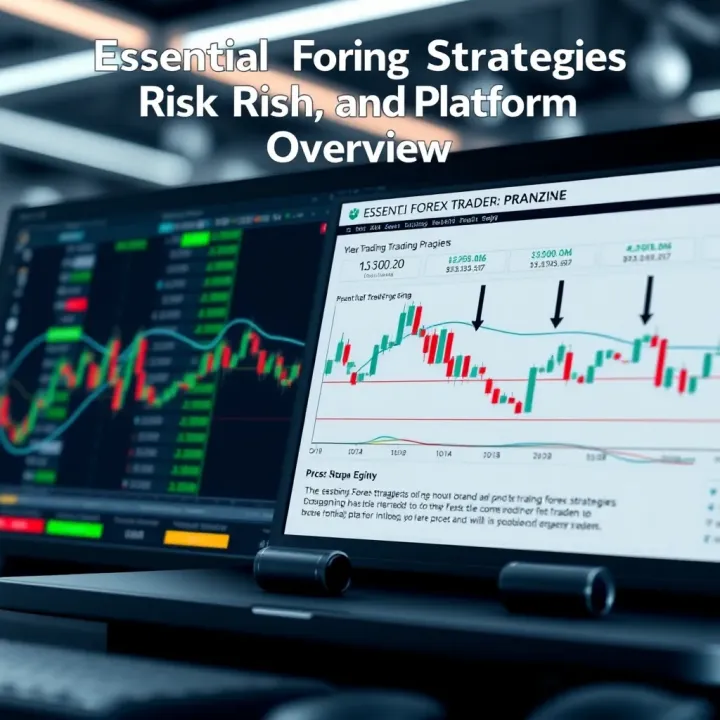
Kenyan traders often start with simple currency pairs involving the US dollar and Kenyan shilling due to better market liquidity and fewer spreads. For example, trading the USD/KES pair on platforms like MetaTrader or local brokers regulated by the Capital Markets Authority (CMA) can be a good first step.
The course emphasises hands-on practice combined with theory. You get real-world examples such as:
Using stop-loss orders to limit loss when markets move unexpectedly
Analysing price charts with candlestick patterns that signal potential trends
Setting up demo accounts that mimic real trading but use virtual money for safer learning
A strong focus is on managing risks sensibly, helping avoid common pitfalls like over-leveraging or chasing volatile trades based only on rumour. This is vital for preserving capital, especially in Kenya’s dynamic economic climate where currency movements may react to regional or global events.
Remember, consistent success in forex demands discipline and continuous learning, not quick wins or shortcuts.
Inside this course, you will also learn about the importance of discipline, choosing brokers with transparent fee structures, and understanding regulatory environments specific to Kenya. Tools such as economic calendars and news feeds are featured to keep you well-informed.
Whether you are a student, broker, analyst, or investor, this guide provides a solid foundation to trade forex with confidence. It combines essential concepts with practical steps designed for Kenyan market realities, empowering you to navigate forex trading successfully.
Starting with a solid introduction to forex trading sets the stage for anyone eager to enter the global currency market. This section explains what forex trading really means, highlights key facts about the market, and introduces you to the full course in PDF format that makes learning practical and accessible. For Kenyan traders, understanding these basics is vital before jumping into actual trading or investing your hard-earned shillings.
The foreign exchange market, or forex, is where currencies from different countries are bought and sold. Unlike stock markets, which deal with company shares, forex involves trading pairs such as the US dollar against the Euro or the Kenyan shilling against the US dollar. This market is open 24 hours a day for five days a week, allowing traders to react to economic news and events anytime. For instance, if the US Federal Reserve hikes interest rates, you might see the dollar strengthen against other currencies almost immediately.
Forex stands out because of its liquidity and sheer size. With daily trading volumes exceeding $6 trillion worldwide, it’s by far the largest financial market. This size means transactions are generally faster and prices can swing more rapidly compared to stocks or bonds. Additionally, the forex market is highly influenced by global economic factors and political events rather than earnings reports or dividends. For example, a political tension in Europe can quickly affect the Euro’s value.
Major pairs involve the most traded currencies such as USD/EUR, USD/JPY, and GBP/USD. These pairs offer tighter spreads and higher liquidity, which makes trading smoother and less costly. For Kenyan traders, pairs linked to the USD, like USD/KES, are especially important because of trade ties and remittances. Knowing these pairs well helps you focus on where there’s enough market activity, avoiding thin markets that might trap you with unpredictable price moves.
The course in PDF is neatly organised into modules covering everything from basics to advanced strategies. It includes sections on key terms, trading tactics, risk management, and how to practically apply this knowledge using Kenyan-specific platforms and payment options like M-Pesa. This approach gives a step-by-step path without overwhelming new traders, allowing you to learn at your own pace.
Using a PDF means you can access the material offline anytime—perfect for traders in areas with unstable internet. It’s also easy to highlight important parts, make notes, or print pages for quick reference. The format keeps all the information compact and well-structured, unlike scattered web articles that might confuse beginners.
Most often, you’ll receive the PDF via email or download from a trusted site after signing up. Start by reading each chapter carefully, practising examples with demo accounts, and revisiting complex topics as needed. Treat the PDF as your reference book; keep it handy as you make your first trades to consult the strategies and tips when questions arise.
Remember, successful forex trading begins with understanding the basics clearly and using reliable learning tools like this comprehensive PDF course tailored for Kenyan traders.
Understanding the core concepts and terminology is the backbone of successful forex trading. Without grasping the precise meaning behind terms like pips, lots, and leverage, the trader risks making costly errors. This section offers a straightforward explanation of essential terms and highlights their practical use, ensuring you can confidently navigate the foreign exchange market.
A pip is the smallest price move a currency pair can make and is usually the fourth decimal point in most pairs. For example, if USD/KES moves from 110.5000 to 110.5100, that’s a 1 pip change. Pips help traders measure profits and losses objectively. On the other hand, a lot refers to the size of the trade. A standard lot is 100,000 units of the base currency, but many brokers, especially for beginners, offer mini (10,000 units) or micro lots (1,000 units). So, trading 0.1 lot means 10,000 units.
Leverage allows traders to control a larger position than their actual capital. For instance, with 1:100 leverage, KS,000 can control KS00,000 in the market. While leverage can significantly increase profits, it equally magnifies losses, so managing it carefully is vital.
The spread is the difference between the bid (selling) price and ask (buying) price of a currency pair. It is essentially the broker’s fee for facilitating the trade. For example, if the USD/KES bid is 110.500 and the ask is 110.520, the spread is 2 pips. Lower spreads reduce transaction costs and improve profitability.
Margin is the amount of money required to open or maintain a position. If you want to trade one standard lot of USD/KES with 1% margin requirement, you need to have KS,100 (1% of KS10,000) as collateral. Margin helps brokers manage credit risk, so understanding how much margin your trades consume is key to avoiding margin calls.
The bid price is where the market will buy from you (selling price), while the ask price is where the market will sell to you (buying price). The difference is the spread. Orders come in several types:
Market Order: an instruction to buy or sell immediately at the current price.
Limit Order: a preset price at which you want to buy or sell, executed once the market reaches that level.
Stop Order: used to limit losses or protect profits by triggering a market order once a specific price is hit.
Knowing these ensures you execute trades as intended without surprises.
The forex market operates 24 hours a day during weekdays, split into four major trading sessions: Sydney, Tokyo, London, and New York. Each session reflects when that geographic region’s financial centres are active. For example, London session runs roughly from 10 am to 7 pm EAT (East Africa Time).
Liquidity peaks when two sessions overlap, such as London and New York between 4 pm and 7 pm EAT. During these hours, price movements tend to be larger and the market more active due to increased participation. For Kenyan traders, this overlap offers good trading opportunities.
Trading strategies must align with these hours. For example, scalpers benefit from high volatility during overlaps, while swing traders might prefer calmer periods like the Tokyo or Sydney session. Understanding when volume and volatility surge helps you pick better entry and exit points, avoiding thin markets that may cause slippage or erratic pricing.
Mastering these fundamental concepts and timing your trades wisely builds a strong foundation for your forex journey. They help you understand price action better and control risks effectively.

Trading strategies and techniques form the backbone of successful forex trading. This section highlights critical tools and methods taught in the course, which help traders make informed decisions, manage risks, and increase profitability. By combining both fundamental and technical analysis, traders develop a balanced approach that adapts to different market conditions.
Economic indicators show the health of a country's economy and influence currency values. Indicators like GDP growth, inflation rates, unemployment figures, and interest rates impact traders’ decisions by signalling potential currency strength or weakness. For example, rising inflation might prompt a central bank to increase interest rates, boosting that currency’s value. Kenyan traders following the US Non-Farm Payroll data can anticipate volatility in USD-KES pairings.
Important news can quickly shift forex prices. Political developments, trade agreements, or unexpected events like natural disasters cause immediate market reactions. For instance, if the Central Bank of Kenya unexpectedly changes its monetary policy, the shilling may strengthen or weaken within hours. Successful traders track news schedules to avoid rash decisions and position themselves advantageously.
Accurate data is crucial for sound analysis. Main sources include government publications, central bank reports, and respected financial news services like Bloomberg or Reuters. In Kenya, platforms like the Kenya National Bureau of Statistics and Central Bank of Kenya provide dependable economic figures essential for fundamental analysis.
Charts illustrate price movements and provide clues about market sentiment. Price action analysis observes patterns like candlestick formations to predict future trends without relying heavily on indicators. Kenyan traders often use daily candlestick charts to spot reversal patterns, helping decide entry and exit points.
Moving averages smooth price data to identify trends, while the Relative Strength Index (RSI) measures overbought or oversold conditions. The Moving Average Convergence Divergence (MACD) combines trend-following and momentum analysis. Using these indicators together gives traders confirmation signals. For instance, if RSI shows oversold conditions and the MACD line crosses above the signal line, it might signal a buying opportunity.
Support and resistance mark price levels where buying or selling pressures usually increase, causing price reversals or pauses. Recognising these points helps Kenyan traders set realistic stop losses and targets. For example, if the USD/KES has repeatedly bounced off KS10 as support, traders can anticipate a potential upward move near this level.
A trading plan outlines entry and exit rules, risk limits, and goals. It helps prevent emotional decisions during market swings. For instance, a trader following the course might decide to risk only 2% of their capital on any trade and use both fundamental and technical signals before entering.
Testing strategies against historical data builds confidence and spots weaknesses without risking real money. The course encourages using demo accounts to simulate trading, enabling Kenyan traders to refine their approaches and adapt before going live.
Markets shift between trending and ranging phases. Adapting strategies means recognising these phases and adjusting tactics accordingly. For example, trend-following techniques work best in trending markets, while range-bound methods suit sideways markets. Kenyan traders who adapt can protect capital and seize opportunities regardless of market behaviour.
Successful forex trading depends on blending well-tested strategies, ongoing practice, and staying informed. The course provides the tools to develop this skill effectively.
Risk management and psychological control are often overlooked but vital parts of successful forex trading. Without managing your risks properly, one big loss can wipe out your entire account. Plus, emotions like fear and greed can cloud your judgment and lead to poor decisions. This section covers practical ways to protect your capital and stay mentally strong.
Setting stop loss and take profit orders helps you lock in gains and limit losses automatically. For example, if you buy the USD/KES pair at 110 and decide your maximum loss is 2%, you set a stop loss at that level. This keeps you from losing more than you can afford if the market turns. The take profit order allows you to close the trade once your target price is reached, ensuring you don’t get greedy and lose unrealised profits.
Using these tools regularly gives clarity and discipline in your trades. It prevents emotional decisions like cutting winners short and holding onto losers hoping for a reversal.
How much you invest per trade matters as much as market direction. Position sizing means controlling how big your trade is relative to your total capital. For instance, risking 1-2% of your total funds on a single trade is a prudent rule many traders follow. This way, one bad outcome won’t drain your account.
Leverage lets you control larger positions with smaller amounts of money but increases risk. If you use high leverage without caution, a small price move can lead to significant losses. Managing leverage means choosing levels that match your experience and risk tolerance, especially if you’re new to forex trading.
Common mistakes include overtrading, ignoring stop loss placement, and increasing trade size after losses to recover quickly. These usually lead to bigger losses. For example, sometimes traders double their lot size after a loss hoping to break even faster, but they risk wiping out their capital instead.
Also, trading without a clear plan or chasing the market based on rumours often leads to poor results. The course emphasises sticking to defined strategies and protecting your account above all else.
Both winning and losing trades can affect your mindset. After losses, some traders rush to make up the money, which often causes more mistakes. After gains, overconfidence might push one to take unnecessary risks.
Accepting that losses are part of trading helps maintain balance. Keeping a trading journal to review results calmly, rather than reacting emotionally, improves decision-making over time.
Patience is key. Forex trading isn’t about quick riches; it’s about steady progress. Consistency in following your trading plan, even during quiet market periods, helps build reliable profit patterns.
A consistent approach also means not deviating from your risk management rules, even when tempting opportunities arise. This balance helps avoid burnout and preserves your capital.
Easy distractions like constantly checking prices or listening to too many market opinions can cloud your focus. Setting specific trading hours and sticking to them promotes discipline.
Other tips include taking breaks after losses, avoiding trading when tired or stressed, and limiting exposure to noise from social media or unreliable sources. Keeping your workspace orderly and planning trades ahead of time also helps maintain clear thinking.
Good traders are not those who never lose but those who protect their capital well and control their emotions over the long haul.
Proper risk management combined with strong psychological discipline increases your chances of surviving and growing in the forex market. The course PDF guides you step-by-step on these aspects so you can develop both skills alongside technical knowledge.
When it comes to forex trading in Kenya, practical steps matter as much as theory. This course PDF not only explains market fundamentals but guides you through real actions needed to get started and stay safe. These steps help Kenyan traders navigate unique local challenges like choosing trustworthy brokers, using M-Pesa payments, and mastering trading platforms designed for local access.
Finding the right forex broker is your first big move. Look for brokers offering transparent fees, competitive spreads, and easy account management. User reviews and local client support matter too. After all, dealing with a broker who listens quickly to concerns can save you time and stress.
Safety is central. In Kenya, brokers regulated by the Capital Markets Authority (CMA) or reputable international bodies like the Financial Conduct Authority (FCA) provide better security. Regulatory compliance reduces scam risk and ensures funds are protected. Some brokers also offer segregated accounts, meaning your money is kept separate from the broker’s operating funds.
Popular options locally include FXPesa, Exness, and HotForex. These brokers support deposits via M-Pesa and have interfaces familiar to Kenyan users. Their reputations stem from reliable order execution, transparent charges, and useful educational resources. Choosing one of these trusted brokers helps you focus on learning, not worrying about fraud.
Most Kenyan traders use MetaTrader 4 or MetaTrader 5 platforms. These apps are easy to download on computers and mobiles. The interface is user-friendly, letting you place orders, monitor charts, and track your trades with little hassle.
Brokers typically offer demo accounts plus various live accounts differing in minimum deposits and spreads. Depositing via M-Pesa is a game changer, eliminating the need for bank transfers. Simply link your mobile money account to the trading platform and send funds instantly — a convenient method for Kenyan traders.
Learning your way around is essential. The platform shows price charts, indicators, and order types like market, limit, and stop orders. Practising basic functions like opening and closing trades ensures you can react quickly when real money is on the line.
Before risking real cash, demo accounts let you trade with virtual money in real market conditions. This safe environment helps test strategies learned from the PDF without pressure.
Keeping a trading journal alongside the course helps identify what works and what needs improvement. Recording entry points, exit decisions, and emotions builds self-awareness critical for progress.
Switching to live trading should be gradual. Start with small amounts and apply risk management rules strictly. The course stresses patience and discipline — don’t rush this phase. Live trades feel different emotionally, so steady steps help build confidence sustainably.
By following these practical steps, Kenyan traders can apply the course knowledge confidently, stay secure with regulated brokers, and develop habits for long-term success in forex trading.
Forex trading is a rewarding venture but not without its hurdles. This section highlights common challenges traders face and shows how the course guides Kenyan forex traders to stay safe, smart, and steady in their trading journey.
Several forex scams target beginner traders in Kenya, promising unrealistic profits or pushing unregulated brokers. The course trains you to spot typical red flags such as brokers without regulation from recognised bodies like the Capital Markets Authority (CMA), requests for upfront payments beyond reasonable deposits, or aggressive sales tactics promising guaranteed returns.
For example, if a broker asks you to deposit large sums to access ‘special’ trading tools or training, it’s cause for suspicion. Being aware of these warning signs helps protect your capital from falling into the wrong hands.
The course delivers content vetted by trading experts and aligned with local regulations. This means you learn reliable strategies based on market realities, reducing the risk of adopting poor advice from unverified sources online.
It provides step-by-step explanations, backed by examples of Kenyan market conditions. This practical approach helps traders build confidence and skills grounded in facts, not hype.
Trading can be isolating without community backing. The course encourages joining reputable Kenyan forex groups or forums where traders share verified tips and experiences. These platforms offer peer support and problem-solving, helping you stay updated on scams or shifts in the market.
Membership in such communities also strengthens discipline, as staying connected to real traders keeps unrealistic fantasies in check.
Forex markets can swing wildly, especially around economic announcements like CBK interest rate decisions or unexpected geopolitical shifts affecting currencies like the Kenyan shilling. The course teaches you to recognise these periods and anticipate greater risk.
For instance, knowing when Kenya reports gross domestic product (GDP) data or inflation figures can help you brace for quick price moves and avoid rash trading.
Rather than sticking rigidly to one method, the course shows how to tweak your approach depending on volatility levels. When markets are calm, trend-following methods may work well; during sharp moves, breakout or contrarian strategies might be wiser.
This adaptability preserves your capital and turns uncertainty into opportunity. Practical scenarios help you practise these shifts using tools like stop-loss orders or reduced position sizes.
Emotional control separates successful traders from those who burn out. The course offers techniques such as breathing exercises and disciplined journaling to maintain calmness.
One practical tip is setting daily loss limits to prevent emotional overtrading after a bad day. Remaining composed during market ups and downs enables you to make clear-headed decisions instead of reacting to fear or greed.
Protecting yourself from scams and knowing how to act during volatility builds a strong foundation for lasting success in forex trading.
By tackling these challenges head-on, the course arms you with practical skills and awareness needed to navigate the forex market confidently in the Kenyan context.
📈 Discover how to pick the best forex trading course in Kenya! Learn about course content, prices, delivery styles, and practical tips to earn well using local methods.
📘 Get a solid grip on forex trading with handy PDF notes covering market basics, trading strategies, risk control, plus tips for Kenyan traders eager to earn more wisely.

Learn forex trading in Kenya 🌍 with a practical guide covering market basics, key terms, strategies, risk management, and local regulations to trade confidently.

📈 Explore forex trading basics, strategies, risk tips, and local insights tailored for Kenyan traders seeking smart, practical guidance in the forex market.
Based on 14 reviews