

Risk Management Tools for Kenyan Businesses
🔍 Learn how Kenyan businesses can use risk management tools to spot threats, protect assets, follow regulations, and make smarter decisions for growth and safety.
Edited By
Sophie Reynolds
Operational risk management involves spotting and handling risks that come up during daily business activities. For Kenyan traders, investors, finance analysts, brokers, and students, understanding these risks is essential to keeping businesses steady, especially in an economy shaped by both formal and informal sectors.
Operational risks are not about big market swings but day-to-day issues—think of payment glitches in M-Pesa transactions, power outages affecting shop operations, or delays caused by unreliable matatu services for staff commuting. Such risks can eat into profits quietly if not addressed.

Five main types of operational risks Kenyan businesses often face include:
Process failures: For example, errors in inventory tracking at a duka leading to stockouts.
Technology failures: Network downtime disrupting online payments or Safaricom USSD codes.
Human errors: Mistakes in bookkeeping or wrong data entry during KRA iTax submissions.
External events: Flooding during the long rains destroying stock or damaging infrastructure.
Fraud or theft: Cases where employees or outsiders misuse business resources.
To manage these effectively, businesses should:
Identify potential risks by reviewing daily operations carefully.
Assess the likelihood and potential impact of each risk.
Design simple controls like checklists, staff training, or backup systems.
Maintain a culture where employees feel responsible for reporting issues early.
A risk-aware culture helps organisations spot problems early and act before small hiccups balloon into big losses.
In Kenya's SME context, resources are often stretched, so practical, low-cost solutions are advisable. For example, a small retailer could keep detailed cash logs and reconcile M-Pesa payments daily, while a medium-sized export trader might invest in backup generators to avoid power-related disruptions.
In summary, managing operational risk is about turning everyday uncertainties into manageable tasks, using local knowledge and straightforward methods. This approach safeguards business continuity and boosts confidence among investors and stakeholders.
Understanding operational risk is fundamental for Kenyan businesses aiming to safeguard their daily operations. Operational risk refers to risks that arise from internal processes, people, systems, or external events that disrupt normal business activities. Unlike market or credit risks which deal with financial market fluctuations or client defaults, operational risk is about the day-to-day functioning and its vulnerabilities. For example, a small retailer in Nairobi may face operational risks such as theft, inadequate inventory management, or system failures that can dramatically affect business continuity.
Recognising operational risk allows businesses to take practical steps to identify weak points, control losses, and build resilience. For investors and finance analysts, appreciating operational risk provides a clearer picture of a company’s true stability beyond just financial numbers. A firm might look profitable but could be exposed to frequent disruptions like power outages or logistical breakdowns that threaten long-term growth.
Operational risk differs from other risks by focusing on internal business activities rather than external economic factors. Market risk deals with price changes or interest rate swings, and credit risk is about a borrower failing to repay loans. On the other hand, operational risk involves human errors, system failures, or unforeseen events within business processes. For instance, a bank may face credit risk when clients delay payments, but if their IT system crashes and affects transaction processing, that is operational risk.
This distinction matters because managing operational risk requires different tools like process controls, staff training, and system backups rather than market hedging or credit checks. It also highlights risks that might not be immediately visible in financial reports but can cause significant damage.
Kenyan businesses face operational risks across several common areas. Staff errors and fraud remain frequent causes, especially in informal or SME settings where controls might be weak. A grocery shop operating without proper stock records could suffer losses from theft or expiry unnoticed.
System and process breakdowns also pose a threat, particularly where technology is unreliable or outdated. Frequent power outages, poor internet connectivity, or software glitches disrupt operations from manufacturing lines in Eldoret to digital payment processing in Mombasa.
External events like transport strikes or weather disruptions during the rainy season can halt supplies or deliveries, affecting sales and customer trust.
Ignoring operational risk often leads to direct financial losses. For example, a construction company that fails to enforce safety protocols may face accidents causing project delays, compensation costs, and lost contracts. These costs strain cash flow and profitability.
Beyond finances, reputational damage hits harder in Kenya’s interconnected market. Word spreads quickly in tight communities; issues like repeated stock-outs, data breaches, or poor service due to operational lapses discourage customers and partners.
Kenyan businesses increasingly encounter regulatory requirements for compliance in areas like data protection (under the Data Protection Act) and health and safety standards. Poor management of operational risk can lead to breaches resulting in fines or even business closure.

An example is the banking sector, where failure to adhere to Central Bank of Kenya (CBK) guidelines on anti-money laundering controls has previously led to hefty penalties. Compliance failure does not just cost money but also complicates future licensing or partnership opportunities.
Managing operational risk helps businesses avoid unexpected shocks and strengthens their chances of sustaining growth in Kenya’s often unpredictable market environment. Recognising the difference from other risks and focusing on everyday vulnerabilities gives organisations the edge to act proactively.
Operational risk categories shape how businesses tackle everyday threats that can halt operations or cause losses. In Kenyan businesses, understanding these categories helps focus resources efficiently and prevents surprises, especially in the vibrant SME sector where resources are often tight. Knowing the kinds of risks you face creates a solid foundation for both warning systems and response plans.
Employee mistakes and fraud remain worrying hazards. For example, a cashier unaware of proper transaction procedures might miscredit a customer’s payment via M-Pesa, leading to financial losses and trust issues. Fraud, although less frequent, can hit harder—say a staff member siphoning off stock or tampering with accounts. Kenyan SMEs are often exposed because they lack proper segregation of duties or robust oversight.
Labour instability also hampers operations. Strikes over unpaid salaries or poor working conditions, common in some Kenyan industries like manufacturing or transport, disrupt services and can affect client contracts. High staff turnover adds to this risk, as replacing skilled employees involves training costs and temporary drop in performance. That instability affects both output and morale.
Internal controls act as business safeguards; their failure can create loopholes for misuse or errors. Consider a small kiosk without proper stock checks—the risk of theft or inventory mismanagement shoots up. For bigger companies, inadequate controls on approvals or cash handling expose them to fraud or financial leaks, which can spiral quickly.
IT system breakdowns are becoming more common as reliance on digital tools increases. A disruption to M-Pesa integration, for instance, can stall payments and frustrate customers. Similarly, data losses from poor backups mean lost sales records or supplier contacts, setting back operations. For Kenyan firms, infrastructure gaps and occasional internet outages mean they must plan for such surprises.
Supply chain snags, especially in sectors like retail or agribusiness, seriously hurt Kenyan firms. Delayed deliveries due to poor road conditions or customs hold-ups at border points can leave shelves empty or halt manufacturing lines. Stockouts and production pauses mean lost revenue and unhappy clients.
Power outages and shaky infrastructure continue to suffocate businesses despite efforts to improve services. Frequent blackouts force companies to invest in costly generators or risk downtime. For example, a cold storage business faces the risk of spoilage during prolonged power cuts, incurring massive losses. Being off the grid more days than desired means business continuity plans must include reliable alternatives.
Kenyan businesses without a clear grasp of their operational risk categories are like drivers on rough roads without headlights. Knowing these risks gives you a fighting chance to avoid accidents and keep moving forward.
Understanding these risk categories helps tailor mitigation efforts that match business size and sector. Focus on where your firm is most vulnerable, beef up controls, back-up systems, and cultivate staff trust to reduce the impact when risks occur.
Kenyan businesses face an array of operational risks daily, from supply hiccups to employee errors. Setting up a solid operational risk management framework helps these businesses spot potential risks early and handle them before they cause serious harm. A well-organised framework allows firms to respond quicker, reduce financial losses, and protect their reputation in the competitive market.
Risk mapping and risk registers form the backbone of identifying threats in operations. Risk mapping is a visual approach where you list possible risks and show how they connect to different parts of your business. It helps pin down weak spots, like a sole supplier in Eldoret who may delay stock due to transport issues. Meanwhile, a risk register is a detailed log of all identified risks, their likelihood, impact, and owners responsible for managing them. For example, an SME in Nairobi might include payment delays from clients and IT system failures in their register to ensure regular monitoring.
Scenario analysis and impact evaluation goes a step further by imagining different risk events and studying their consequences. This process encourages businesses to anticipate what happens if, say, there is a power outage during peak trading hours or a cyberattack on customer data. By evaluating the worst-case or most likely impacts, managers can prioritise resources effectively. This approach also aids in stress testing internal processes and preparing contingency plans tailored to the Kenyan business environment.
Strengthening internal controls and audits involves setting up checks to reduce mistakes or fraud. Controls such as segregation of duties—ensuring different people handle payments and approvals—help prevent fraud cases common in many small firms. Regular internal audits back these controls by reviewing financial transactions or operational procedures for compliance. For example, a medium-sized retailer in Mombasa might conduct quarterly audits to ensure stock counts match sales reports, catching theft or errors early.
Staff training and awareness programmes build a proactive risk culture by educating employees about potential operational risks and how to respond. When staff understand the importance of controls and reporting irregularities, they become the first line of defence. Practical training workshops can teach employees how to detect phishing emails or handle complaints professionally, which is vital for businesses using digital platforms like Jumia Kenya or Safaricom services.
Setting operational risk indicators means establishing measurable signals that warn of rising risk levels. These could be metrics like increasing error rates in accounting entries or frequent delays from key suppliers. Tracking these indicators consistently allows businesses to act before risks escalate. For example, a logistics firm might monitor delivery times and customer complaints as signs of operational strain.
Regular reviews and updating risk policies keep risk management relevant as the business environment evolves. Regular policy checks—perhaps annually or after major incidents—ensure controls remain effective amid changing market conditions or technological upgrades. A case in point is reviewing data protection rules after adopting new software for customer management, ensuring compliance with Kenya’s Data Protection Act.
A dynamic approach to operational risk management shields enterprises against losses and builds confidence among investors, partners, and clients. Staying on top of risks with practical frameworks is not just advisable but necessary for sustainable growth in Kenya's vibrant business scene.
A strong risk-aware culture is vital for Kenyan businesses, especially those navigating daily operational challenges like fluctuating market conditions and variable supply chains. When everyone in an organisation understands risks and takes ownership, the business can respond faster to issues and limit losses. Take a Nairobi-based FMCG distributor — staff aware of delivery risks might flag transport challenges early, allowing timely alternatives and avoiding stock-outs. This collective responsibility also helps in compliance with regulations from authorities like the Kenya Revenue Authority (KRA) and the Capital Markets Authority (CMA).
Leaders who encourage frank talks about risks set the tone for transparency and trust. In Kenyan enterprises, this means creating channels where employees freely share concerns without fear of blame. For example, a local bank might hold weekly meetings where frontline staff report unusual transaction patterns, helping spot potential fraud faster. Open dialogue breaks down silos and uncovers risks that may otherwise go unnoticed.
Management’s visible commitment to following policies builds a culture where rules matter. When leaders consistently apply controls and face consequences for lapses, employees understand that operational risk management is non-negotiable. For instance, a manufacturing firm’s CEO always adhering to safety protocols sends a clear message that shortcuts won’t be tolerated. This leadership behaviour often motivates teams to align their actions with risk policies.
Employees on the ground often spot risks first. Businesses that make it easy and safe to report problems benefit from early warnings that prevent losses. Take a Nairobi retail shop where cashiers note discrepancies in daily takings. If they are encouraged and protected from reprimand, they can alert managers promptly, cutting losses from theft or errors. This approach also fosters a sense of ownership of operations among staff.
Clear roles and accountability reduce confusion and negligence. Every employee should know their part in managing risks, whether it’s a store manager overseeing stock counts or an IT officer securing customer data. At the same time, consequences for failing controls must be fair but firm. For example, a logistics company could enforce penalties for ignoring vehicle maintenance schedules that lead to breakdowns. When responsibilities and repercussions are clear, risk management becomes part of everyday work.
Building a risk-aware culture means embedding risk thinking in daily routines, starting from top leadership down to every staff member. This practical approach helps Kenyan enterprises spot, manage, and reduce operational risks before they escalate.
In today’s Kenyan business environment, leveraging technology for operational risk management goes beyond just convenience — it’s about building resilience. Firms that effectively adopt digital tools can track risks more accurately and respond faster to emerging threats. Small and medium enterprises (SMEs) in Nairobi or Mombasa, for example, are increasingly using software solutions to keep close tabs on their daily operations. This reduces guesswork and helps cut financial losses caused by operational hiccups.
Software platforms designed for risk tracking allow businesses to maintain real-time risk registers and log incidents systematically. For instance, a Nairobi-based textile firm might use such tools to monitor production delays linked to equipment malfunction or workforce shortages. By integrating control monitoring features, managers can check whether safety protocols and quality checks are consistently followed, spotting weak points early. This hands-on visibility helps avoid surprises and keeps operations on course.
Beyond tracking, data analytics play a big role in forecasting where operational risks might surface next. Using historical data, such as customer complaints or delivery failures, companies can identify patterns pointing to potential bottlenecks. Take a logistics company operating along the Mombasa-Nairobi corridor: through data analysis, it might discover that traffic congestion during rainy seasons doubles delivery times, alerting management to adjust schedules preemptively. Analytical insights like these help firms prepare proactively instead of reacting after losses occur.
With technology comes the need to secure sensitive information. Kenyan businesses handle personal customer details via M-Pesa payments, credit card transactions, and online orders, making data protection vital. Failing to safeguard this data risks legal penalties from regulators like the Data Protection Commissioner and damages customer trust. Implementing robust cybersecurity measures — including firewalls, encryption, and staff training on phishing scams — safeguards both the business and its clients effectively.
System downtime or cyber attacks can cripple operations quickly, especially for enterprises relying on digital platforms. For instance, a fintech startup in Nairobi losing access to transaction data due to a ransomware attack faces immediate revenue loss and reputation damage. Building backup systems, having clear recovery plans, and running regular security audits help businesses minimize such risks. Additionally, investing in cyber insurance provides financial cover for losses tied to cyber incidents, giving firms breathing space to recover.
Leveraging technology for operational risk management demands more than adoption; it calls for continuous vigilance and adapting to emerging threats. Smart use of digital tools can save Kenyan businesses from costly surprises and build stronger competitive edges.
By understanding both the benefits and risks linked to technology, Kenyan enterprises are better placed to protect their daily operations while reaching for growth opportunities without fear of avoidable disruption.
🔍 Learn how Kenyan businesses can use risk management tools to spot threats, protect assets, follow regulations, and make smarter decisions for growth and safety.

Learn how Kenyan businesses can build and apply a risk management policy to spot and handle threats, protect assets, and stay compliant for steady growth 📊🛡️
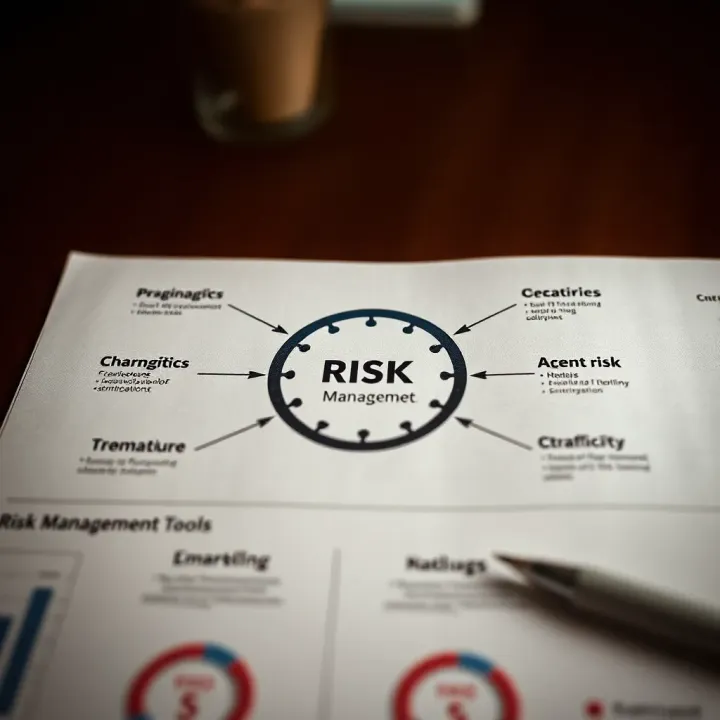
🔍 Learn how Kenyan businesses can use risk management tools to spot, assess, and tackle threats affecting operations. Get practical tips and local examples.

Protect your Kenyan business with practical risk management strategies like insurance, monitoring, and contingency planning to stay resilient and grow sustainably 📊🔒
Based on 11 reviews