
Understanding Risk Management Steps
📊 Learn how businesses and individuals identify, assess, and control risks with practical steps. Improve decisions and guard your operations against potential threats today.
Edited By
Amelia Grant
Risk management is a vital practice that traders, investors, finance analysts, brokers, and students need to master. It involves identifying, assessing, and responding to risks that might affect financial decisions or business operations. Without a clear process, risks can spiral out of control, leading to losses that could have been avoided.
In Kenya, where market conditions can fluctuate sharply due to political events, weather changes, or economic shifts, managing risk properly is even more essential. For example, a farmer who exports tea might face risks from price volatility in international markets or unpredictable weather during the long rains. Similarly, a stockbroker faces risks tied to market crashes or regulatory changes by the Capital Markets Authority.
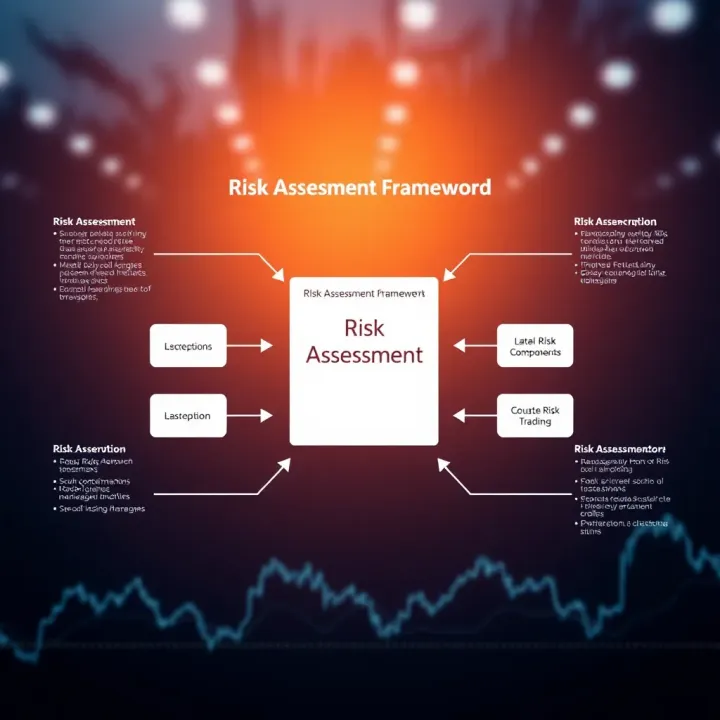
Understanding the risk management process helps you control these uncertainties. The process breaks down into five key steps:
Risk Identification: Spotting potential risks early, whether market, credit, operational, or legal risks.
Risk Assessment: Measuring the likelihood and potential impact of each risk.
Risk Prioritisation: Ranking the risks to focus on those that pose the greatest threats.
Risk Response: Deciding how to manage each risk—whether to avoid, reduce, transfer (like insurance), or accept it.
Monitoring and Review: Continuously tracking risks and adjusting strategies as the environment changes.
Risk management isn’t a one-off task; it needs constant attention, especially in dynamic markets like Nairobi Securities Exchange or when lending to SMEs.
Practical tools for risk management include risk registers (simple tables to track risks), SWOT analysis (assessing strengths, weaknesses, opportunities, threats), and scenario planning. For traders and finance professionals, charts and software for stress testing portfolios are common tools.
To make it easier, there are PDF guides available from institutions like the Nairobi Securities Exchange and Capital Markets Authority that offer step-by-step instructions tailored to Kenyan businesses.
Getting familiar with these concepts can save you from costly surprises and help you build a more resilient investment or business strategy. The goal is not to avoid risk completely but to manage it in a way that aligns with your objectives and capacity.
This guide will walk you through practical approaches and link you to useful PDF resources to strengthen your risk management know-how in the local context.
Understanding the risk management process is essential for traders, investors, and finance professionals aiming to protect assets and make informed decisions. Effective risk management helps anticipate challenges and minimise losses, especially in volatile markets such as the Nairobi Securities Exchange (NSE) or the forex market. For instance, a stockbroker who regularly assesses market trends and company reports can avoid sudden shocks caused by political instability or regulatory changes.
Risk management involves identifying, analysing, and responding to risks that could affect your investments or business operations. It’s not about avoiding risk entirely but making calculated decisions to reduce negative impacts. Take a jua kali artisan who relies on daily earnings; managing risks could mean saving part of the income as a buffer against slow sales periods or unexpected expenses like equipment failure.
Ignoring risks can lead to serious financial losses or missed opportunities. For example, an investor who fails to monitor currency fluctuations between the Kenyan shilling and the dollar may lose out on potential gains or suffer from exchange rate losses. Similarly, SMEs without risk controls face threats from theft, market competition, or sudden supplier price hikes. Managing risk ensures resilience and sustainable growth by allowing you to plan for uncertainties.
Good risk management can turn unpredictable environments into manageable challenges rather than crises.
The risk management framework consists of clear stages: identifying risks, analysing their likelihood and impact, treating or mitigating them, and finally monitoring the results. For example, a trader uses stop-loss orders to limit losses (treatment), keeps an eye on market news (monitoring), and updates their portfolio based on risk assessments (review). This cycle repeats continuously to adapt to new situations.
Practical tools like risk registers help track identified risks and control measures, while frameworks such as ISO 31000 provide guidance on best practices. Kenyan businesses often face unique risks like regulatory changes from the Capital Markets Authority (CMA) or technology disruptions from mobile money fraud, so adapting the framework to local realities is crucial.
Knowing the process well equips you to manage risks smartly rather than reactively, turning uncertainty into an advantage for your financial or business goals.
The risk management cycle is the backbone of any effective strategy to manage uncertainties. Each step builds on the previous to provide a clear path from spotting potential threats to keeping controls sharp over time. For traders, investors, and finance analysts, understanding this cycle helps protect investments and improve decision-making in fast-moving markets.
Identifying risks begins with recognising what could go wrong. Investors might examine past market trends, look for policy changes, or monitor economic indicators. For example, a trader in the Nairobi Securities Exchange (NSE) keeps an eye on both local political developments and global commodity prices to spot potential disruptions.
Besides market data, talking to colleagues, attending industry forums, or reviewing news reports can surface emerging risks. The goal is to cast a wide net early enough to avoid surprises.
Tools like SWOT analysis (Strengths, Weaknesses, Opportunities, Threats) help classify risks in an organised way. Scenario planning is another useful technique that lays out different future outcomes, so you can prepare for both best and worst cases.
Digital tools have made a huge difference. Software platforms track real-time market changes or simulate risk scenarios, offering a hands-on way to identify vulnerabilities before they hit hard.
Once risks are identified, analysing their likelihood and impact is next. A risk with a high probability and severe impact, like currency depreciation affecting foreign investors, should get immediate attention.
Criteria usually include financial loss, regulatory penalties, and reputational damage. Defining these helps prioritise which risks to address first.
Quantitative methods use numbers, such as loss estimates or probability calculations, often based on historical data. For instance, a broker might review past stock price swings to estimate the chance of loss.
Qualitative approaches involve expert judgement when numbers aren’t clear, like assessing the impact of a new government policy on business confidence. Combining both gives a balanced picture.
Avoidance means steering clear of activities that pose unacceptable risks, like not investing in a volatile market segment. Reduction involves measures that lower risk, such as diversifying a portfolio or buying insurance.
For example, a small business may reduce theft risk by installing CCTV and security lights.
Sometimes risks can be shared with others, like partnering with a local distributor to enter a new market, spreading exposure. Accepting risk happens when the cost of mitigation outweighs the benefit; a trader might accept small daily fluctuations rather than constantly adjusting positions.
Risk management doesn’t stop once controls are in place. Regular checks ensure measures work as intended. A finance analyst could track the success rate of stop-loss orders or monitor compliance with regulatory standards.
Keeping records supports transparency, especially where regulatory audits are common.
Markets and conditions shift rapidly. Risk controls must adapt too. For instance, after a currency depreciation, a business might renegotiate supplier contracts or adjust pricing.
Flexibility in response means organisations and investors stay resilient even when surprises come.
Remember: Risk management is a continuous cycle. Missing one step weakens the whole process. Engaging deeply with each phase builds stronger defences and smarter decisions, whether handling investments or running a business in Kenya’s dynamic economy.
Using practical tools and templates helps you organise risk management efforts more effectively. These tools provide a clear structure for identifying, assessing, and managing risks without missing critical details. For traders or finance analysts especially, having ready templates keeps you consistent and saves time when dealing with complex data.
A risk register is a foundational tool in risk management. It lists all identified risks along with details such as their likelihood, impact, and assigned responsibility. For example, a risk register might include a risk like "currency exchange volatility" for an investor trading foreign securities, showing how often it occurs and the financial effect it could have. This clarity helps prioritise which risks need immediate attention.
Maintaining a risk register involves regular updates and reviews. Risks evolve, so you must record new risks as they emerge and note changes in severity. For instance, if market conditions worsen, you might raise the risk level of inflation impacting investment returns. Keeping the register current means decision-makers can respond timely, improving control measures’ effectiveness.
Accessing reliable PDFs and guides gives you detailed frameworks and examples to follow when managing risks. Trusted sources like Kenya’s Capital Markets Authority (CMA) or Central Bank of Kenya (CBK) often provide downloadable resources tailored to local business realities. These documents offer practical instructions beyond general advice.
Some key documents worth downloading include sample risk assessment templates, regulatory compliance checklists, and industry-specific risk management guides. These enable traders and brokers to align their practices with required standards and reduce errors. Having such references at hand supports training new team members and standardising processes across the organisation.
Regularly updating your tools and consulting official guides sharpens risk management skills, giving you an edge whether in the stock market or managing business finances.
In summary, practical tools like risk registers and accessible PDF guides are essential for clear, effective risk handling. They turn theoretical concepts into manageable tasks, helping you protect investments and decisions with accuracy and confidence.
Risk management is not just for big corporations; it plays a key role in Kenyan businesses and everyday life. Whether you run a small kiosk in Nairobi or manage your household budget in Kisumu, understanding risks helps you prepare for the unexpected. By recognising potential hazards early, you can reduce financial losses, improve decision-making, and maintain stability. This is especially true in Kenya’s diverse economic landscape, where informal ventures and personal finances often operate without formal safety nets.
Small and medium-sized enterprises (SMEs) and the informal sector form the backbone of Kenya’s economy but face unique risks. Common challenges include fluctuating market demand, unreliable suppliers, and changing regulations such as KRA tax requirements or county by-laws. For example, a boda boda operator might lose daily earnings due to unexpected road closures or police checkpoints. Many small traders in markets like Gikomba or Wakulima face theft risks or damage from harsh weather, which can disrupt their income streams.
Applying risk management means identifying these challenges early, such as tracking supplier reliability or monitoring legal changes. SMEs can benefit from keeping simple risk registers to note recurring problems and plan safeguards. This could be raising emergency funds via harambee or diversifying sales through mobile platforms to handle demand drops.
On a personal level, managing risk safeguards your household’s economic health. In Kenya, unpredictable expenses can arise—school fees, medical bills, or emergencies like flood damage to your home. Keeping a close watch on household expenses and building a savings fund is a practical risk mitigation strategy.
Moreover, many Kenyans use services such as M-Pesa to save or insure their money digitally, helping avoid physical cash loss. Knowing your exposure to debt, avoiding over-reliance on credit like Fuliza, and regularly reviewing your financial commitments reduce the chance of falling into trouble.
"Protecting your personal finances through risk management means being prepared without panic, so emergencies don't derail your future plans."
Technology has transformed how Kenyans manage risks, particularly through mobile money and digital tools. M-Pesa and platforms like KCB M-Pesa enable quick payments, transfers, and access to credit, reducing cash handling risks. Several apps now assist traders in tracking sales, expenses, and inventory, thereby identifying financial risks in real time.
Insurance companies and banks increasingly provide digital products suited to SMEs and individuals, such as micro-insurance for farmers or health cover payable via mobile. These technologies offer practical, affordable solutions to spread and reduce risks.
However, it’s vital to use digital solutions wisely, ensuring data privacy and avoiding over-borrowing. Basic digital literacy and vigilance against fraud complete a good risk management approach in today’s connected Kenya.
In summary, risk management in Kenya matters across all levels. It provides practical tools and mindsets to deal with everyday uncertainties, supporting business growth and personal financial security in a country known for both opportunity and unpredictability.
Managing risk is not just a matter of ticking boxes; it's about creating a strong foundation that guides decisions and protects assets. Adopting best practices in risk management helps businesses and individuals avoid costly mistakes, stay ahead of threats, and seize opportunities with confidence. In Kenya’s dynamic business environment, incorporating these practices secures your operations against common pitfalls such as market volatility, regulatory changes, and technological disruptions.
A risk-aware culture means everyone in an organisation understands and accepts that managing risks is part of their daily work. For example, a Nairobi-based SME that encourages employees to report hazards promptly – whether it's faulty equipment or poor data security – reduces the chance of accidents or breaches. This culture grows when leaders set clear expectations and rewards cautious rather than reckless behaviour. It also involves sharing real stories of risks encountered and lessons learned, making the abstract concept of risk more tangible. Ultimately, this collective mindset strengthens resilience throughout all levels of the company.
Risk landscapes change fast, especially with new technologies and market trends emerging regularly in Kenya. Regular training ensures staff stay up-to-date on the latest risk management tools and methods. For instance, training sessions on cyber security best practices can prevent costly data leaks, while workshops on financial compliance help avoid penalties from bodies like the Kenya Revenue Authority (KRA). Practical capacity building equips not just managerial staff but also frontline workers with skills to identify and respond to risks early. This ongoing learning process reduces gaps in knowledge and creates a proactive workforce ready to handle challenges.
Kenya’s regulatory environment is evolving, with bodies like the Capital Markets Authority (CMA) setting new frameworks to protect investors and enhance transparency. Staying engaged with such standards is key to avoiding fines and reputational damage. Businesses should actively monitor regulatory updates and participate in industry associations or forums where standards are discussed. For example, an investment firm trading on the Nairobi Securities Exchange (NSE) benefits by regularly reviewing CMA and NSE guidelines, ensuring compliance while adapting risk policies accordingly. Aligning with these standards also builds trust with clients and partners, who expect professionalism and assurance that risks are well managed.
Best practices in risk management are less about rigid rules and more about fostering habits that make your organisation vigilant and adaptable. Building this culture, training consistently, and keeping up with regulations create a solid framework for managing risks effectively in Kenya’s unique context.
By embedding these approaches into your risk management process, you set the stage for making smart, confident decisions that safeguard your business and personal finances alike.
📊 Learn how businesses and individuals identify, assess, and control risks with practical steps. Improve decisions and guard your operations against potential threats today.

📊 Learn how organisations spot, evaluate, and manage risks to protect assets and improve decisions. Follow practical steps ideal for Kenyan businesses seeking strong risk control.
🔍 Learn how Kenyan businesses can use risk management tools to spot threats, protect assets, follow regulations, and make smarter decisions for growth and safety.

Learn how Kenyan businesses can build and apply a risk management policy to spot and handle threats, protect assets, and stay compliant for steady growth 📊🛡️
Based on 8 reviews