
Steps of the Risk Management Process
📊 Learn how organisations spot, evaluate, and manage risks to protect assets and improve decisions. Follow practical steps ideal for Kenyan businesses seeking strong risk control.
Edited By
James Harrington
Risk management is a key skill for traders, investors, finance analysts, brokers, and students aiming to strengthen their understanding of financial markets and business operations. For Kenyan businesses, handling risks effectively means avoiding costly losses and making better decisions that keep firms afloat amid economic ups and downs.
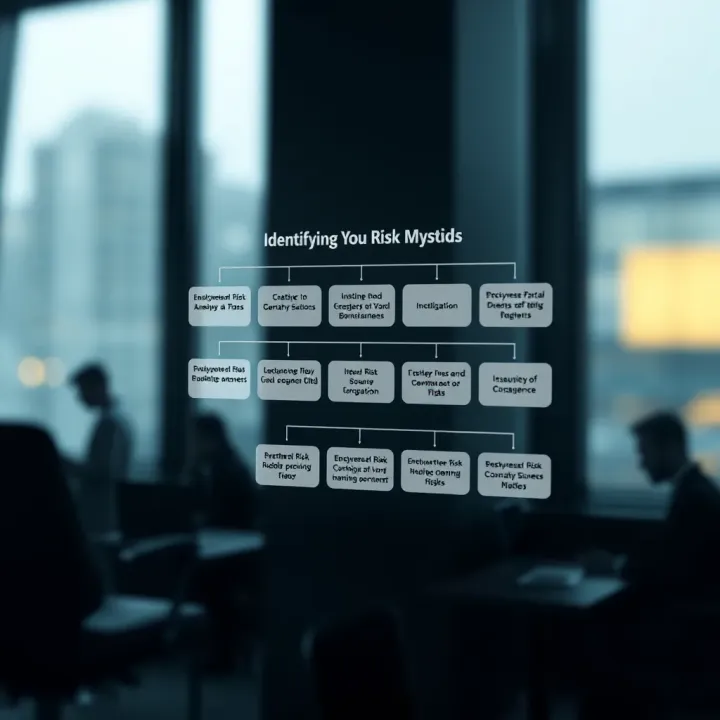
The risk management process involves a clear sequence of steps that help organisations identify threats, understand their potential impact, and take action to minimise harm. These steps also provide a way to track progress and adapt as situations change.
Proper risk management isn't about eliminating all risks—it’s about preparing and responding to minimise damage and seize opportunities more confidently.
Identify Risks
This first step means spotting anything that could cause problems—such as market fluctuations, supplier delays, or policy changes. In Kenya, for example, a trader might see currency instability or seasonal weather affecting supply as key risks.
Assess Risks
After listing possible risks, evaluate their likelihood and potential impact. This helps prioritise which risks need urgent attention versus those that are less threatening. Tools like risk matrices or scoring systems are useful.
Plan Risk Responses
Decide how to handle each risk. Options include avoiding the risk, reducing its effect by controlling factors, sharing it through insurance, or accepting the risk if it’s minor. For instance, an SME might decide to insure delivery trucks against accidents.
Implement Controls
Put the plans into action. This could mean training staff on safety procedures, updating contracts, or installing security systems. Consistent implementation ensures risk is managed systematically.
Monitor and Review
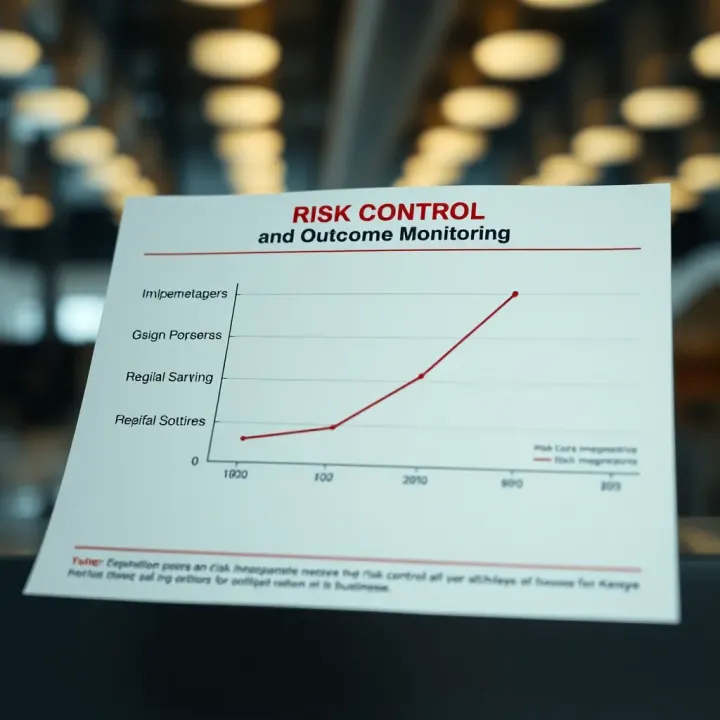
Risks and conditions evolve, so regularly checking progress and updating strategies is vital. This might involve monthly reviews or using software to track risk indicators.
Understanding and following these steps builds resilience. Kenyan businesses, whether in Nairobi or the Coast, can face uncertainties better while investors and analysts spot opportunities with clearer insight. This foundation supports strong decision-making and long-term growth in the Kenyan economy.
A structured risk management process lays the foundation for business stability in Kenya's dynamic market. Without a clear system, businesses risk overlooking critical threats that may disrupt operations or lead to unexpected losses. For example, a manufacturing firm in Nairobi that systematically identifies and addresses supply chain risks can prevent costly shutdowns during transport strikes or raw material shortages.
Risk management supports consistent business operations by identifying potential disruptions early. This means organisations can prepare for fluctuations like economic downturns, currency instability, or changes in consumer demand. Consider a local retail chain that tracks payment system vulnerabilities, such as M-Pesa service outages, to ensure continuous transactions. This proactive stance shields the business from sudden shocks that could disrupt cash flow and customer trust.
By managing risks well, companies preserve both their physical assets and brand reputation. For instance, a Nairobi-based hotel that regularly assesses fire safety risks and trains its staff reduces the chance of accidents that could damage property and scare away guests. Similarly, handling customer data securely in line with Kenya’s Data Protection Act protects the organisation from legal penalties and reputational damage that arise from breaches.
A strong risk management process is like a safety net; it doesn’t just protect what you own but also reinforces your customers’ confidence.
Kenyan laws increasingly require businesses to demonstrate effective risk management. The Capital Markets Authority (CMA), for example, demands that firms listed on the Nairobi Securities Exchange (NSE) have risk frameworks in place to safeguard investor funds. Meanwhile, financial institutions comply with Central Bank of Kenya (CBK) regulations that include risk controls for fraud and credit exposures. SMEs may also face county-level health and safety regulations that necessitate risk assessments to prevent workplace incidents.
Failing to meet these legal standards can lead to hefty fines or suspension of licences. Therefore, a structured risk management process not only minimises operational hiccups but also ensures compliance, keeping the business on the right side of the law.
In practice, following a clear step-by-step risk management approach helps Kenyan businesses anticipate issues, allocate resources wisely, and adapt to changes swiftly. It turns uncertainty into manageable challenges, boosting resilience in a competitive environment.
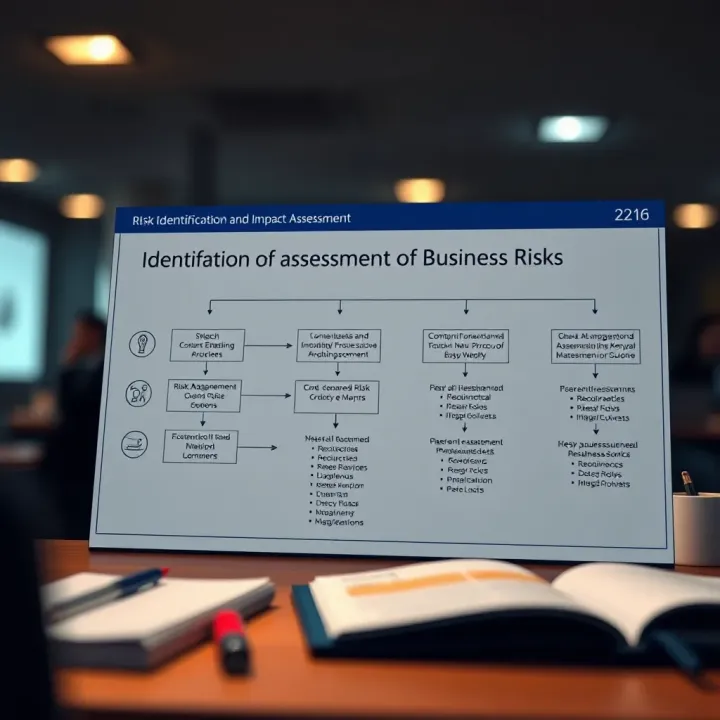
Every business faces risks, but the first step in managing them is spotting where they lie. Identifying threats early can save your company time, money, and reputation. For traders and investors in Kenya, understanding the sources of risk sharpens decision-making and builds resilience against surprises, especially in a dynamic economy.
Risks in Kenyan industries come from a mix of economic, operational, and political factors. For example, farmers may face drought due to changing rain patterns, affecting crop yields and income. In manufacturing, unreliable electricity supply causes production delays. Additionally, political events like elections often lead to market volatility which affects investment portfolios. The jua kali sector is vulnerable to rapid policy changes or import restrictions. Recognising these sources helps you prepare for disruptions unique to your industry.
Effective risk identification combines both data and on-the-ground insights. Operational risks could be spotted through production logs showing frequent machine breakdowns or supply delays. Strategic risks often become visible from competitor movements or changing consumer preferences. Tools such as SWOT analysis (Strengths, Weaknesses, Opportunities, Threats) provide a structured way to pinpoint risks. Regular risk workshops or scenario planning can uncover hidden threats, such as a sudden failure in a key supplier chain affecting Nairobi-based retailers.
Involving a broad range of people improves risk visibility. Employees, from shop floor staff to managers, often notice early warning signs first. For example, sales agents may report shifting customer behaviour suggesting an economic downturn. Suppliers and customers can share their challenges that might affect your business. Engaging them creates a risk-aware culture and allows collective problem-solving. Transparent communication channels and regular meetings ensure that new risks are shared quickly and actions taken before problems escalate.
Identifying risks isn’t a one-off task; it’s about building a constant lookout system throughout your business.
By focusing on these ideas—understanding common risks, using practical tools, and engaging people—you can spot threats before they grow. This groundwork prepares you better for the next stages in managing and mitigating risk effectively.
Assessing risks means figuring out how likely a risk event is and what it could cost your business. This step helps focus your energy and resources on the risks that matter most rather than trying to handle everything at once. For instance, a maize farmer in Kisumu might identify drought as a risk. Knowing how often droughts occur (likelihood) and the potential loss in harvest (impact) guides preparations, such as investing in irrigation or drought-resistant seeds.
Evaluating the likelihood involves estimating how often a risk is expected to happen based on data and experience. This can range from almost certain, like power outages in Nairobi during peak demand, to rare, such as a financial scam targeting a small business. Businesses may use historical records, industry reports, or expert opinions for this. For example, a Jua Kali welding workshop might recall the frequency of equipment breakdowns over the past year to estimate risk probabilities. Doing this helps businesses prepare realistically rather than overspending on unlikely scenarios.
Understanding the impact means looking at what the risk would cost if it happens. This includes direct expenses like repair costs and indirect effects such as lost business or damaged reputation. For example, if a matatu operator risks losing a vehicle to accident damage, the financial impact isn't just the repair bill but also lost fares during downtime. To measure this, businesses might calculate projected revenue losses, replacement costs, or effects on customer trust. Clear impact measures make it easier to justify investments in controls or insurance.
Not all risks deserve equal attention. After assessing likelihood and impact, businesses should rank risks to focus on the most threatening. Prioritisation can be visualised in a risk matrix, plotting probability against severity. A risk with high likelihood and severe consequences, like theft in a small retail shop, demands quicker action than a low-impact technical glitch. Prioritising allows for efficient resource use, ensuring mitigation efforts tackle threats that could cause the most harm.
Understanding both the chance a risk occurs and its potential fallout helps Kenyan businesses avoid surprises and make smart choices. It’s a practical way to guard your bottom line and keep operations steady even when trouble strikes.
By assessing risks carefully, traders, investors, and finance analysts can sharpen their strategies and foresee challenges before they escalate. This step lays a firm foundation for planning effective responses that fit the unique challenges of the Kenyan market.
Once you identify and assess risks, the next step is planning how to deal with them. This part of the process is about deciding the best course of action to either eliminate or minimise the potential negative effects on your business. A good plan keeps your company prepared and aligned with its goals while fulfilling regulatory requirements in Kenya. For instance, a small supplier in Nairobi facing fluctuating foreign exchange might opt for risk transfer through currency hedging, which avoids direct losses from shilling depreciation.
There are four main ways to treat risks, each suited to particular situations. Avoidance means changing your plans to sidestep the risk entirely—for example, a logistics company might avoid routes prone to frequent roadblocks or theft. Reduction, on the other hand, involves cutting down the likelihood or impact, like installing CCTV and security guards to reduce theft risk at a warehouse.
Transfer passes the risk to another party, commonly through insurance or outsourcing activities. A Kenyan exporter buying marine insurance covers potential shipping losses without bearing the full financial burden. Lastly, acceptance means recognising and budgeting for a risk when avoiding or transferring it is too costly, such as accepting small currency fluctuations as routine business costs.
Having chosen how to treat risks, it’s vital to develop clear, step-by-step action plans. These should define tasks, deadlines, and responsible persons. For example, if a bank decides to reduce credit risk by tightening loan appraisal, their plan must specify new criteria, staff training dates, and monitoring schedules. Effective resource allocation follows closely—whether it’s hiring extra staff, investing in security systems, or purchasing insurance cover, the plan must cover budget and timelines to avoid gaps in implementation.
Risk responses should fit smoothly within your broader business strategy. For instance, a socially responsible investor might avoid high-risk industries like tobacco or unregulated mining altogether, shaping their risk avoidance accordingly. At the same time, Kenyan firms must consider compliance with laws from agencies such as the Capital Markets Authority (CMA) or Central Bank of Kenya (CBK). A company managing operational risks through new software must ensure data protection laws and standards are met to avoid regulatory penalties.
Effective risk response planning links your risk appetite with practical steps, ensuring your business remains resilient without losing sight of its long-term objectives.
Planning your response with care prepares your organisation not only to withstand challenges but also to seize opportunities by managing risks smartly and sustainably.
Putting plans into action is where risk management moves from theory to practice. Without this step, even the best-laid risk strategies remain words on paper. Implementing controls and measures puts your risk response in motion, helping your business to handle threats before they escalate.
Executing risk control activities requires careful coordination. For example, if your plan involves reducing exposure to currency fluctuations—a common issue for businesses importing goods into Kenya—implementing forward contracts or payment hedging strategies must be timely and monitored closely. Assign clear duties to responsible teams to oversee specific actions, such as the finance department handling currency risk or the safety officer managing workplace hazards.
Regular checks and audits also play a vital role in confirming controls work as intended. For instance, a manufacturing firm in Athi River might schedule monthly equipment inspections to prevent breakdowns, which aligns with risk reduction efforts. Without routine follow-up, these controls may lose effectiveness, exposing the company to unexpected downtime.
Training is essential because employees are the front line in recognising and managing risks. When staff understand the risk controls and their purpose, they become proactive risk handlers rather than passive participants. Consider a bank branch in Nairobi which trains its tellers on fraud detection techniques. This training ensures that the staff spot suspicious activities early and act accordingly.
Awareness programmes can be simple yet impactful. Posters reminding warehouse workers of safety protocols or regular toolbox talks on cybersecurity can reinforce good practices. Continuous learning also helps staff adapt to new risks, such as emerging digital threats or changes in health and safety regulations.
Technology can streamline control implementation and monitoring. Software solutions like enterprise risk management (ERM) platforms automate risk registers, track mitigation progress, and generate alerts for deviations. For example, Safaricom uses such tools to monitor operational risks across different divisions.
Kenyan SMEs can also rely on affordable tools such as cloud storage for data backup or mobile apps that help report incidents in real time. Digital records replace piles of paperwork, making it easier to review past issues and maintain compliance with regulators like CMA (Capital Markets Authority) or KRA.
Additionally, integrating systems like M-Pesa payments with accounting software lowers financial risk by ensuring transparent transaction records and quicker reconciliation.
Implementing risk controls means translating plans into daily practice. Success depends on clear roles, well-trained employees, and smart use of technology—all tailored to the Kenyan business environment.
By carefully applying these practical steps, businesses stand a better chance at minimising losses and keeping operations running smoothly amidst uncertainties.
Monitoring and reviewing risks is a vital step that ensures your risk management efforts stay relevant as your business environment changes. Without regular tracking, you might miss new threats or fail to spot when existing controls become less effective. For traders and investors, staying updated helps avoid surprises that could impact portfolios unexpectedly.
To keep track properly, set up clear systems for monitoring risk indicators specific to your operations. For example, a trading firm might monitor market volatility indices and update their risk exposure daily. Reporting structures should define who receives risk updates and how often. Regular risk reports—weekly or monthly—enable decision-makers to act promptly. Digital tools, like dashboards or software integrated with your M-Pesa or bank systems, can help automate this process.
Clear lines of communication matter too. When a broker notices a sudden shift in currency exchange rates affecting investments, a prompt report to the portfolio manager can trigger quicker responses. Without such systems, delays can increase losses.
Risk management isn’t a set-and-forget task. Business conditions can shift rapidly—be it regulatory changes by the Capital Markets Authority (CMA), a political development affecting supply chains, or a sudden technology failure. When new information arises, your risk plans must adapt.
For instance, if the National Treasury announces a change in import duties, an importer should revisit their risk strategy to address potential cost impacts. Ignoring such changes might lead to profit erosion or compliance issues. Regular reviews allow timely adjustments, such as reallocating resources, updating control measures, or even revising risk appetite.
Every risk event, whether it causes harm or not, is a learning opportunity. After experiencing a data breach or a delayed delivery, Kenyan businesses should conduct post-incident reviews. These analyses help uncover root causes and weaknesses in controls.
Learning from incidents drills continuous improvement into your risk culture. For example, a logistics company frustrated by frequent matatu delays might discover the need to switch to more reliable transport or better route planning. Documenting lessons and sharing them across the team ensures everyone applies the learning and avoids repeated mistakes.
Regular monitoring and reviewing close the loop in risk management, making your approach dynamic and resilient, not just reactive.
By building these steps into your routine, you create a solid foundation that helps safeguard resources, boost confidence among investors and clients, and maintain regulatory compliance. Keeping risks under constant watch means fewer nasty surprises and smarter moves in today’s fast-paced business scene.
📊 Learn how organisations spot, evaluate, and manage risks to protect assets and improve decisions. Follow practical steps ideal for Kenyan businesses seeking strong risk control.
📊 Learn how businesses and individuals identify, assess, and control risks with practical steps. Improve decisions and guard your operations against potential threats today.

📊 Understand risk management: learn to identify, assess, and control risks that impact Kenyan businesses. Practical tips for navigating challenges in local sectors. 🇰🇪

📊 Learn how to identify, assess, and control risks in Kenyan businesses. Understand risk culture, treatment, and monitoring to safeguard your organisation’s goals.
Based on 12 reviews