

Operational Risk Management for Kenyan Businesses
📊 Learn how Kenyan SMEs can identify and control daily business risks with easy-to-follow steps and build a strong risk-aware culture to protect their operations.
Edited By
James Fletcher
Risk is part of every business, especially in Kenya's dynamic market where changes can come quickly—from fluctuating currency rates to regulatory shifts. Effectively managing these risks isn’t just about avoiding losses, but also about spotting opportunities to grow safely.
Every business, whether a small kiosk in Nairobi or a medium-sized exporter in Mombasa, needs to trace its potential threats clearly. These may include market risks, credit issues, operational hiccups, or even political instability affecting supply chains.
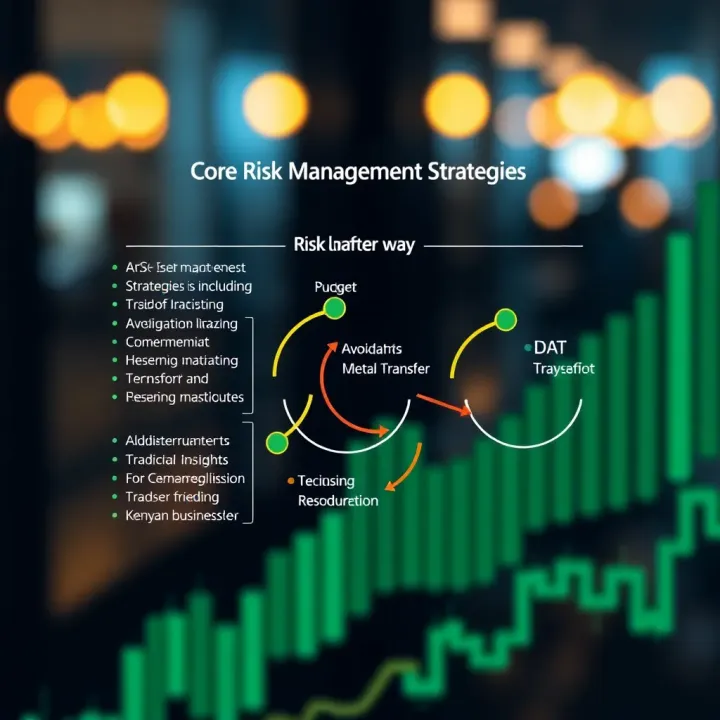
Proper risk management helps businesses keep steady when unexpected challenges arise and supports clear decision-making for future growth.
Before you manage a risk, you need to find it. Kenyan businesses should examine:
Internal risks like cash flow problems or dependency on a single supplier
External risks such as changes in government policy, competition, or climate impacts on agriculture
For example, a farmer in Eldoret might face drought risks, while a trader in Nairobi could worry about matatu strikes disrupting deliveries.
Once you know the risks, measure their impact and how likely they are. Tools like risk matrices or simple scoring systems help prioritise which challenges demand urgent attention.
A local SME exporting fresh produce must weigh how political unrest could delay shipments against financial risks like customer non-payment.
Businesses commonly use several approaches:
Risk avoidance: Stopping activities with too much danger, such as avoiding unstable markets.
Risk mitigation: Reducing chances or limits of risks, for instance, keeping extra stock during rainy seasons to avoid shortages.
Risk transfer: Sharing risks through insurance or contracts, like getting fire cover for your retail outlet or using clear supplier agreements.
Kenyan firms benefit when combining these with local know-how—like leveraging M-Pesa for secure payments or engaging community networks to foresee disruptions.
Managing risks isn’t a one-off task; it requires regular checking and adapting as circumstances change, especially in Kenya’s evolving business scene. This article will cover these steps in detail to help you build stronger, more resilient operations.
Risk is part of every business operation, but understanding it clearly is the first step in managing it effectively. In Kenya, businesses face unique challenges due to economic shifts, regulatory changes, and infrastructural weaknesses. Knowing these risks helps companies prepare, avoid pitfalls, and find opportunities for growth. For example, a retailer who understands the risk of supply chain delays during the long rains season can make arrangements to stock more in advance, preventing losses.
Risk refers to any uncertain event or condition that could affect a business’s objectives negatively or positively. In practical terms, it can mean loss of revenue, damage to reputation, or disruption in service. Kenyan firms, especially SMEs, may find that ignoring these risks could lead to cash flow problems or even closure. A boda boda operator facing road closures due to unforeseen protests will experience immediate income loss, illustrating risk at a personal business level.
Kenyan businesses often navigate fluctuating exchange rates and inflation, which directly affect costs and pricing. For instance, a manufacturer relying on imported raw materials might see input costs spike with a weakening shilling, squeezing profit margins. Also, political events such as elections can create market uncertainty, causing consumers to delay purchases or investors to hold back.
Many Kenyan businesses deal with unreliable transport infrastructure and logistics inefficiencies. A farm exporting avocados may struggle if poor road conditions delay shipments, leading to spoilage and lost contracts. Operational risks also include staff absenteeism or theft, which can disrupt production and incur extra costs. Managing these requires good supplier relations and contingency planning.
Changes in laws or tax regimes can quickly impact Kenyan businesses. For example, a sudden increase in excise duty on fuels directly raises transport costs, affecting many sectors. Compliance with new regulations, like data protection under Kenya’s Data Protection Act, demands attention to avoid fines. Businesses must stay informed through regular consultation with legal experts.
As digital adoption grows in Kenya, from mobile money to online trading, businesses become targets for cyber fraud and attacks. SMEs without strong IT security measures risk data breaches or financial theft, which can be costly and damage trust. A small shop using M-Pesa for payments must ensure devices and accounts are secure to prevent fraud.
Understanding these risks within Kenya's business environment is not just an exercise but a necessity that determines survival and success. Regularly reviewing them prepares you to respond well when challenges arise.
This overview sets the foundation for practical risk management techniques that follow in this article, tailored to Kenya’s business realities.
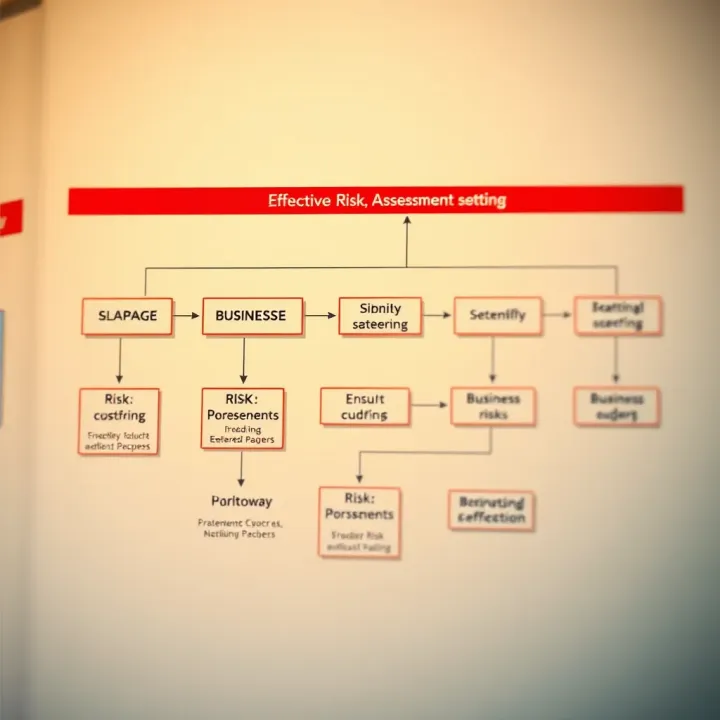
Identifying and assessing business risks form the backbone of effective risk management. Without pinpointing what risks exist, or how they could impact your business, any efforts to control or mitigate those risks will be guesswork. This step is particularly relevant for Kenyan businesses, where economic fluctuations, regulatory changes, and operational uncertainties can quickly affect stability and growth.
Gathering a diverse group of stakeholders for brainstorming sessions or workshops helps surface risks that might not be obvious at first glance. For example, a Nairobi-based logistics company might include drivers, dispatchers, and accounts staff to discuss possible operational hiccups, such as matatu strikes or fluctuating fuel prices. This collaborative effort encourages sharing on-the-ground knowledge, crucial for capturing risks that top management alone may miss.
SWOT analysis offers a structured way of looking at internal strengths and weaknesses alongside external opportunities and threats. Kenyan SMEs, for example, might discover that while they have a strong customer base (strength), they face supply chain delays due to erratic weather (threat). Understanding these elements helps businesses focus their risk management on key vulnerabilities and emerging market chances.
Checklists provide a practical way to verify common risks relevant to the business sector. A risk checklist for a Nairobi retailer might cover theft, currency fluctuations, regulatory compliance, and power outages. Using such lists ensures that routine risks are systematically checked off and not overlooked, which is especially helpful for businesses without dedicated risk staff.
Experts and frontline staff provide valuable insight based on experience. For instance, consulting a compliance officer can uncover potential legal risks linked to tax changes by the Kenya Revenue Authority (KRA). Similarly, talking with warehouse managers can reveal operational risks like equipment failure or stock pilferage that require immediate attention.
Qualitative methods involve describing risks in terms like "high", "medium", or "low" likelihood and impact. These assessments suit businesses that may lack detailed data but still want to prioritise risks. For example, a small retailer in Eldoret might judge the risk of power cuts as high likelihood with moderate impact, prompting investment in backup generators.
Quantitative techniques use numbers to estimate risk impact and probability. In Kenyan finance, these could include calculating potential loss in KSh from currency depreciation or project delays. While requiring more data and expertise, quantitative methods offer precise risk measures valuable for investors or businesses with complex operations.
Risk matrices help visualise risks by combining likelihood and impact scores, making it easier to decide which risks demand urgent action. For example, a matrix might show cyber threats as moderate likelihood but very high impact for a digital payment startup, highlighting the need to strengthen cybersecurity before less critical issues.
Taking structured steps to identify and assess risks enables Kenyan businesses to focus resources where they matter most, improving resilience and readiness for changing conditions.
Managing risk effectively is about choosing the right approach for each situation. Kenyan businesses operate in a dynamic environment where markets, regulations, and technology constantly change. Core techniques such as risk avoidance, reduction, sharing, transfer, acceptance, and ongoing monitoring form the backbone of a strong risk management strategy. Using these methods helps companies limit losses, protect assets, and stay competitive without stifling growth.
Avoiding risk means steering clear of activities that could cause harm or loss. For example, a retailer in Nairobi might avoid stocking counterfeit branded goods to prevent legal trouble and damage to reputation. However, complete avoidance is not always practical, so reducing risk becomes crucial. This could involve improving supply chain checks to minimise delays or introducing safety measures in manufacturing plants. Reduction focuses on lowering either the chance of risk happening or its impact.
Insurance is a common way Kenyan businesses protect themselves from unexpected events. From fire and theft cover to professional indemnity and business interruption policies, insurers provide a financial safety net. For instance, a flower farm in Naivasha might take out weather-related risk cover to handle losses from drought. This spreads the risk burden so businesses can recover faster.
Contracts are vital tools for assigning risks between parties. Kenyan firms often include clauses that specify who bears the cost if things go wrong. For example, a construction company working on a road project may draft contracts stating the client is responsible for delays caused by government permits. This clarity reduces disputes and helps both sides plan better.
Some risks cannot be avoided or transferred cost-effectively, so businesses accept them as part of operations. Accepting risk means recognising potential losses but deciding to proceed because the benefits outweigh them. Regular monitoring is essential to keep these risks in check. A small tech startup in Nairobi might accept the risk of cyber threats, but invests in ongoing staff training and software updates to spot and respond quickly to attacks.
Effective risk management is a continuous process. It balances avoidance, reduction, sharing, and acceptance to keep Kenyan businesses resilient without limiting their potential to grow and innovate.
Risk management in Kenyan businesses demands practical tools and clear approaches to keep potential losses at bay while maximising opportunities. Sometimes, the biggest challenge is not just identifying risks but having a system to deal with them effectively. This is where a dedicated framework, smart use of technology, and fostering a risk-aware mindset pay off. They help businesses detect early warnings, delegate responsibilities rightly, and maintain resilience, even when tough situations arise.
A well-crafted set of policies and procedures acts as the backbone of risk management. By formalising how risks should be handled, Kenyan businesses can ensure consistency and clarity in their approach. For example, a retail outlet in Nairobi might define clear steps for managing cash handling risks, including daily reconciliations and secure deposit schedules. Without these formal rules, staff may handle situations differently, increasing chances of loss or fraud.
These guidelines also support compliance with local regulations, such as the Kenya Information and Communications Act if handling personal data. They set clear boundaries that help avoid costly legal troubles. On top of that, procedures aid in training new employees, making sure everyone understands the company’s stance on risk — from how to report suspicious activity to handling supplier delays.
Clear assignment of roles ensures that risk management isn’t a vague, shared duty but a concrete part of people’s jobs. In a Kenyan small or medium enterprise (SME), this might mean the finance manager is responsible for monitoring cash flow risks, while the IT officer focuses on cybersecurity threats. This division allows for focused attention and accountability.
Having designated roles also speeds up decision-making when risks materialise. The technical team can quickly address a network breach, while senior management strategises on overall risk appetite and mitigation measures. It’s important for leadership to back these roles up with authority and resources so that risk management is not sidelined in everyday operations.
Technology offers a sharp eye to spot risks before they escalate. Digital risk monitoring tools track real-time data such as sales trends, supplier performance, or cash flow variations. For example, a manufacturing firm in Eldoret could use software to flag unusual spikes in procurement costs, hinting at supplier issues or fraud.
These systems help businesses respond promptly rather than scrambling after damage occurs. On top of that, having a record of digital events supports audits and regulatory reporting, easing compliance with Kenyan authorities.
For Kenyan businesses, especially those operating online or using digital payments like M-Pesa, cybersecurity is no longer optional. Simple steps such as strong passwords, multi-factor authentication, and regular system updates build a firm barrier against cyberattacks threatening business continuity.
Investing in cybersecurity tools like firewalls, anti-malware software, and secure networks is essential, particularly for firms dealing with sensitive client data or financial transactions. Training staff on recognising phishing attempts or suspicious links is equally vital. Poor cybersecurity can lead to losses running into millions of shillings and damage customer trust hard to rebuild.
Creating an environment where everyone notices and responds to risks makes risk management more effective. This means encouraging open communication about challenges and failures without blaming individuals. Kenyan businesses that promote this culture find it easier to adapt and improve.
Regular training sessions, updates on emerging risks, and celebrating employees who identify potential issues contribute to a proactive mindset. When risk-awareness is part of daily conversation, businesses tend to avoid surprises and handle uncertainties with confidence.
Practical tools alone do not manage risk; a shared understanding across the organisation amplifies their effectiveness. Kenyan firms that blend technology, clear frameworks, and a risk-aware culture position themselves to thrive amidst challenges.
Managing risk effectively in Kenya comes with its own set of challenges, shaped by the country's unique business environment. It's vital to acknowledge these hurdles because they directly affect how businesses prepare for and react to potential threats. Understanding these challenges helps companies create realistic strategies that work within local constraints. Meanwhile, best practices offer practical ways to overcome these barriers, improve resilience, and safeguard growth.
Resource Constraints
Many Kenyan businesses, especially small and medium enterprises (SMEs), struggle with limited financial and human resources. Risk management often requires investments in technology, training, and expert advice, which may seem costly when budgets are tight. For example, a small shop in Kisumu might prioritise daily running costs over acquiring insurance or adopting risk-monitoring software. This lack of allocation means some risks go unnoticed or unmanaged, leaving the business vulnerable to shocks like theft or supplier delays.
Resistance to Change
Changing established processes or adopting new risk management practices faces resistance in various Kenyan businesses. This is sometimes due to comfort with familiar ways or fear that new systems will disrupt workflow. For instance, a long-standing textile factory in Eldoret might hesitate to implement digital record-keeping, relying instead on manual logs. Such reluctance can delay adoption of better risk controls, and in some cases, high staff turnover hampers the embedding of new routines.
Information Gaps
Access to timely and relevant data is critical for assessing risk, but many Kenyan businesses face information gaps. This includes weak market information, unclear regulatory updates, or unreliable statistics on customer behaviour. For a youth-run tech startup in Nairobi, missing insights on cyber threats or customer payment trends can lead to poor risk choices. Without accurate data, risk assessments become guesswork, increasing the chance of costly surprises.
Regular Risk Reviews
Conducting risk reviews regularly is essential to keep up with changing business conditions. Kenyan markets shift quickly – for example, price fluctuations in agricultural inputs during the long rains require constant attention. By scheduling quarterly or semi-annual risk assessments, businesses can adjust strategies before problems escalate. This approach ensures emerging risks, like new tax policies or supplier issues, are caught early and managed properly.
Training and Capacity Building
Equipping staff with risk management skills builds a stronger safety net within companies. Workshops on financial risk, cybersecurity, or health and safety raise awareness and improve response. For instance, a Nairobi-based logistics firm offering training on driver safety and route planning can reduce accidents and operational losses. Capacity building helps embed a preventative mindset across all levels, turning everyone into part of the solution.
Collaborating with Industry Stakeholders
Working together with peers, regulators, and service providers strengthens a business's risk resilience. For example, members of a farmers’ cooperative in Meru sharing insights on pest outbreaks or market prices reduce individual uncertainty. Collaboration also means businesses can negotiate better insurance terms or advocate collectively for clearer regulations. Partnerships create a support system that no single business can achieve alone.
Managing risk in Kenya isn’t just a tick-box exercise — it requires ongoing effort, awareness, and teamwork to overcome real-world challenges and build resilient enterprises.
📊 Learn how Kenyan SMEs can identify and control daily business risks with easy-to-follow steps and build a strong risk-aware culture to protect their operations.

🔍 Learn how Kenyan businesses can use risk management tools to spot threats, protect assets, follow regulations, and make smarter decisions for growth and safety.

Learn how Kenyan businesses can build and apply a risk management policy to spot and handle threats, protect assets, and stay compliant for steady growth 📊🛡️
🔍 Learn how Kenyan businesses can use risk management tools to spot, assess, and tackle threats affecting operations. Get practical tips and local examples.
Based on 11 reviews